Spice10 recipes
fresh parsley.
VegetarianVeganGluten-freeDairy-freeNut-freePeanut-freeSoy-freeEgg-freeShellfish-freeHoney-freeAlcohol-free
ALSO KNOWN AS
अजमोदparsley
SERVING
CALORIES
36
PROTEIN
3.0g
CARBS
6.3g
FAT
0.79g
FIBER
3.3g
NUTRITION PROFILE · per 100 g
Everything in this ingredient.
MACRONUTRIENTS
Calories36kcal—
Protein3.0g6%
Carbohydrates6.3g2%
Fiber3.3g12%
Sugar0.85g2%
Total fat0.79g1%
Saturated fat0.13g1%
Trans fat0g—
Cholesterol0mg0%
Water87.7g—
MINERALS
Sodium56mg2%
Potassium554mg12%
Calcium138mg11%
Iron6.2mg34%
Magnesium50mg12%
Phosphorus58mg5%
Zinc1.1mg10%
Copper0.15mg17%
Manganese0.16mg7%
Selenium0.10µg0%
VITAMINS
Vitamin A421µg47%
Vitamin C133mg148%
Vitamin D0µg0%
Vitamin E0.75mg5%
Vitamin K1640µg1367%
Thiamin (B1)0.09mg8%
Riboflavin (B2)0.10mg8%
Niacin (B3)1.3mg8%
Pantothenic acid (B5)0.40mg8%
Vitamin B60.09mg5%
Folate (B9)152µg38%
Vitamin B120µg0%
%DV based on a 2,000 cal diet. Source: USDA FoodData Central. A dash in the %DV column means there’s no established Daily Value for that nutrient.
MEASUREMENT CONVERSIONS
How much is what.
1 cup30g
1 tablespoon2g
1 teaspoon1.3g
1 ml0.3g
1 liter253.3g
1 piece1.5g
HEALTH BENEFITS
Why eat it.
- ✓Excellent source of Vitamin K, which is essential for blood clotting and bone health.
- ✓Rich in Vitamin C and other antioxidants like flavonoids, which help protect cells from damage caused by free radicals.
- ✓Contains high levels of Vitamin A, supporting vision health and immune function.
- ✓Acts as a natural diuretic, which may help reduce bloating and support kidney health.
COOKING TIPS
In the kitchen.
- 1Add fresh parsley towards the end of the cooking process or as a garnish to preserve its bright color and delicate, peppery flavor.
- 2Use the flavorful stems in stocks, soups, or stews for added depth; simply remove them before serving.
- 3Finely chop parsley with a sharp knife just before using to release its aromatic oils and prevent bruising.
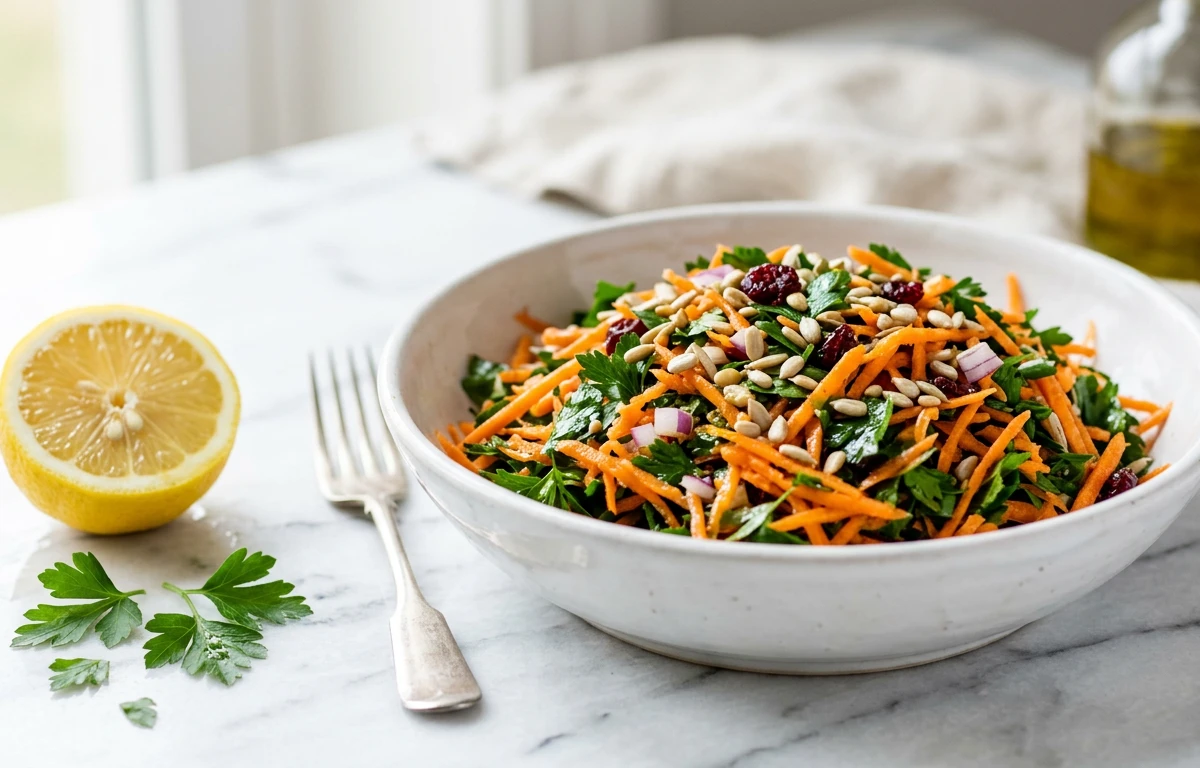
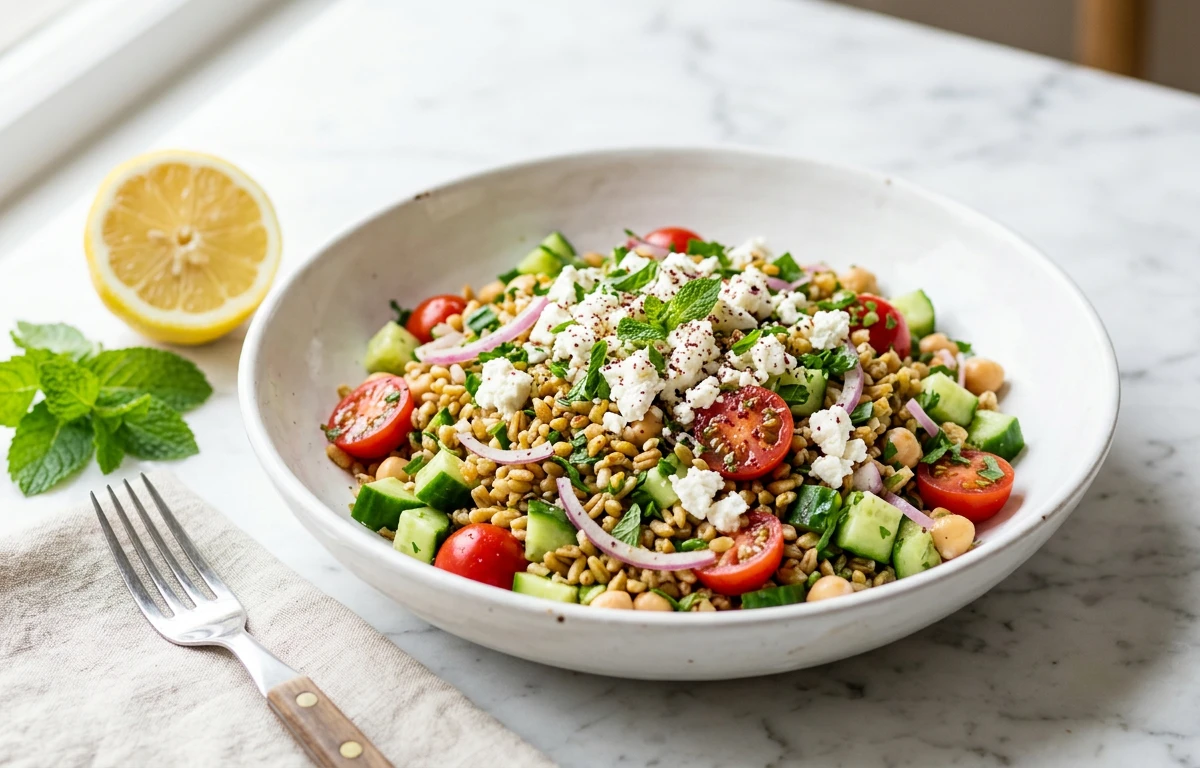
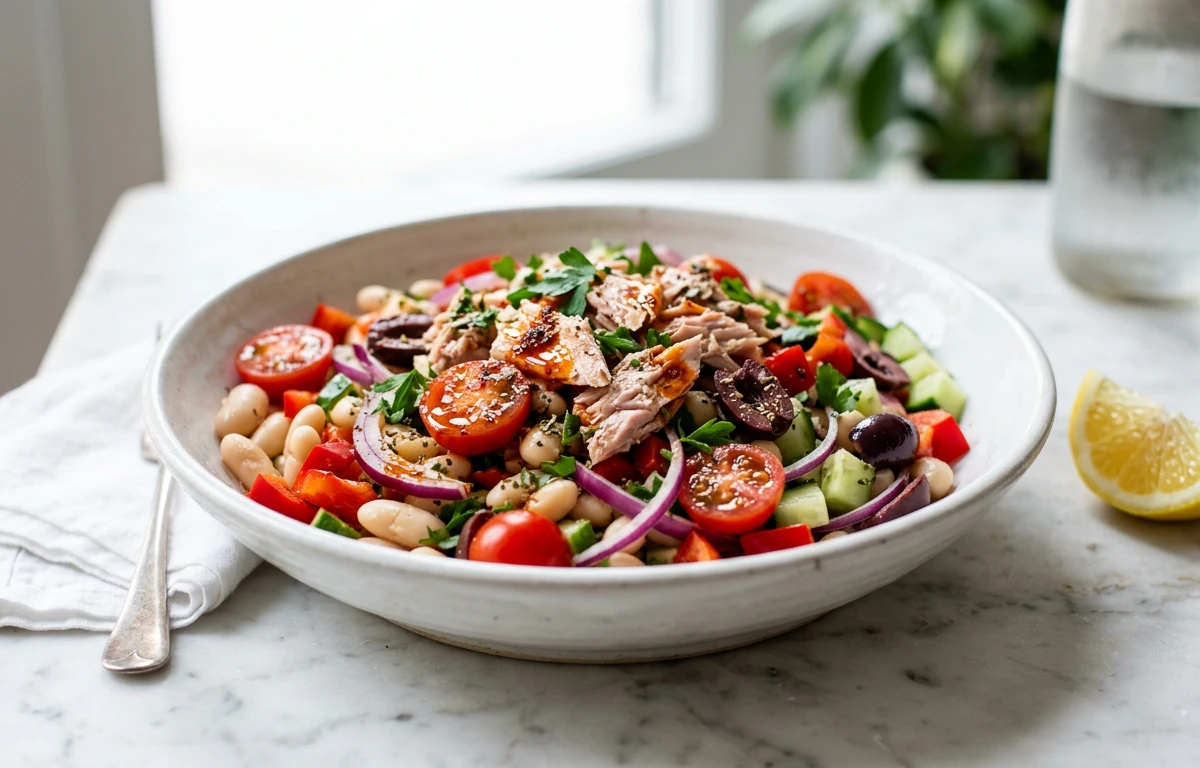
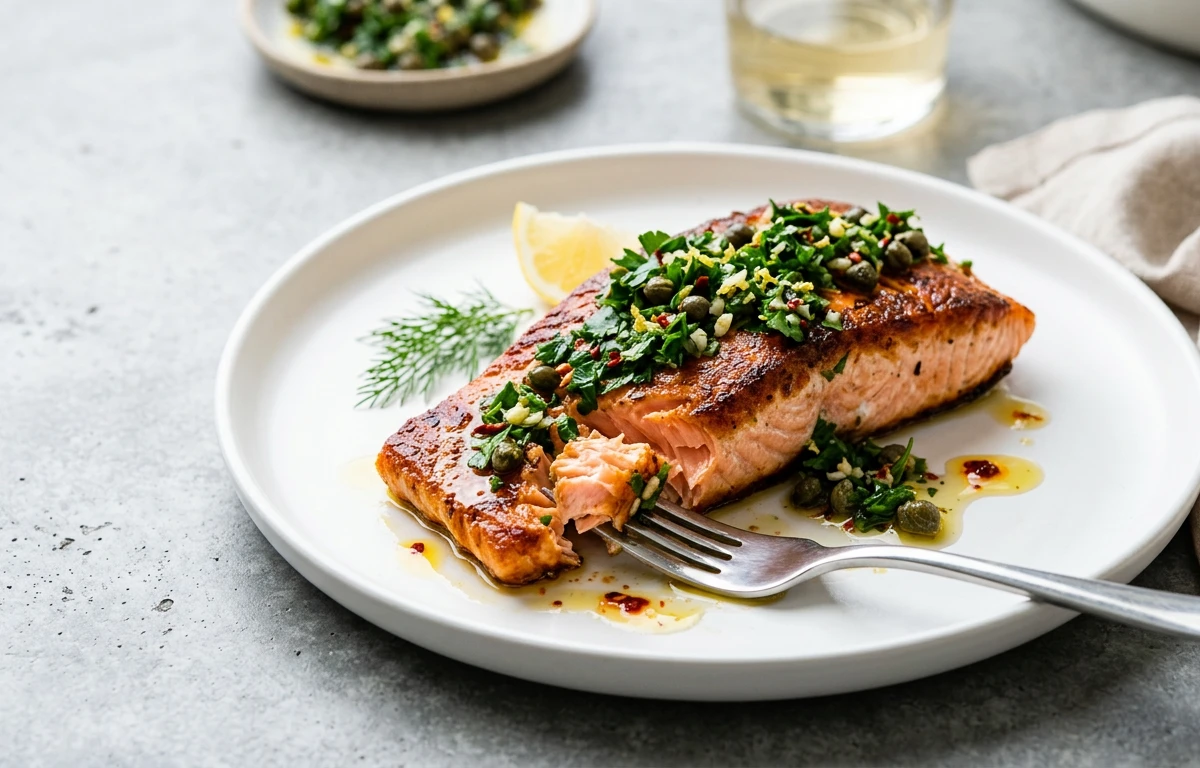
- 4Use as a primary ingredient in fresh sauces and salads like chimichurri, gremolata, or tabbouleh.
STORAGE
Keep it fresh.
- Place the stems in a jar with about an inch of water, cover loosely with a plastic bag, and refrigerate for up to 2 weeks, changing the water every few days.
- Wash, dry thoroughly, wrap in a slightly damp paper towel, and store in a resealable bag in the refrigerator's crisper drawer for up to one week.
- For long-term storage, chop finely, place in ice cube trays, cover with water or olive oil, and freeze for several months.
FAQ
Frequently asked questions.
Is fresh parsley healthy?
Yes, fresh parsley is highly nutritious. It's an excellent source of vitamins K, C, and A, and contains beneficial antioxidants like flavonoids. These nutrients support blood clotting, bone health, immune function, and vision, making it a very healthy addition to your diet.
What are the main nutritional benefits of fresh parsley?
Fresh parsley is packed with vitamins and minerals. It's particularly rich in Vitamin K, essential for blood clotting and bone health, and Vitamin C, a powerful antioxidant. It also provides Vitamin A for vision and immune support, along with some protein and fiber, all for very few calories.
How many calories and carbs are in fresh parsley?
Fresh parsley is very low in calories, with approximately 36 calories per 100 grams. It contains about 6.33 grams of carbohydrates per 100 grams, making it a low-carb addition to meals, especially when used in typical serving sizes.
Is fresh parsley vegan and gluten-free?
Yes, fresh parsley is naturally vegan as it is a plant-based herb. It is also naturally gluten-free, making it suitable for individuals following gluten-free diets and those with celiac disease.
Is fresh parsley keto-friendly?
Yes, fresh parsley is very keto-friendly. It is low in carbohydrates, with only about 6.33g of carbs per 100g, and typically used in small quantities. It adds flavor and nutrients without significantly impacting carb intake on a ketogenic diet.
How is fresh parsley typically used in cooking?
Fresh parsley is a versatile herb used as a garnish, a flavoring agent, and a main ingredient in dishes like tabbouleh. It's commonly added to salads, soups, stews, sauces, marinades, and roasted vegetables to brighten flavors and add a fresh note.
What does fresh parsley taste like?
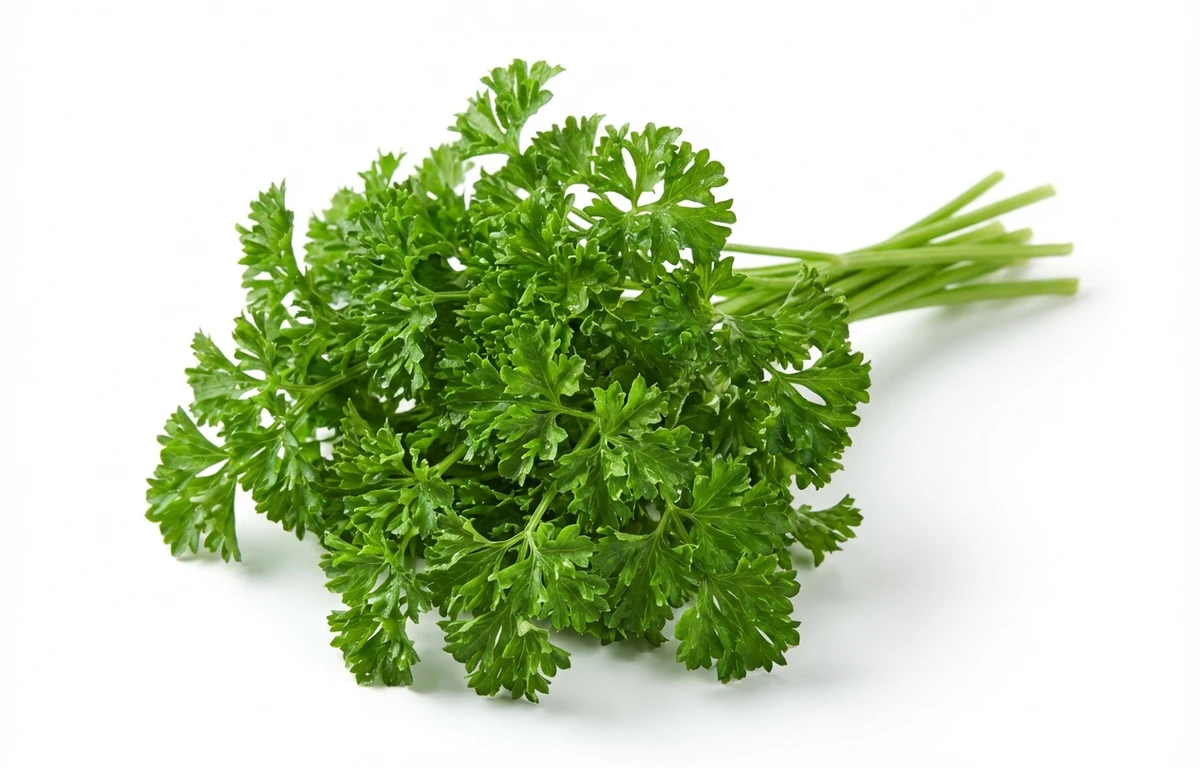
Fresh parsley has a clean, peppery, and slightly bitter taste with a fresh, herbaceous aroma. Flat-leaf (Italian) parsley is generally more robust and less bitter than curly parsley, which is often used for garnishing due to its texture.
How should I store fresh parsley to keep it fresh longer?
To keep fresh parsley vibrant, trim the stems and place the bunch in a glass of water, like a bouquet, then cover loosely with a plastic bag and refrigerate. Alternatively, wash, pat dry, and wrap in a damp paper towel before placing in a sealed bag in the crisper drawer.
How do I know if fresh parsley is fresh or spoiled?
Fresh parsley should have vibrant green leaves and firm stems. If it's starting to spoil, the leaves will yellow, wilt, become slimy, or develop a strong, unpleasant odor. Discard any parsley showing these signs of spoilage.
Can fresh parsley be eaten raw, and does cooking affect its nutrients?
Yes, fresh parsley is commonly eaten raw, especially in salads and as a garnish, to preserve its vibrant flavor and maximum nutrient content. While cooking can slightly reduce some heat-sensitive vitamins like Vitamin C, many other nutrients remain stable, and it's still a healthy addition to cooked dishes.
RECIPES
Cook with fresh parsley.
10 recipes · sorted by what’s quick