Spice10 recipes
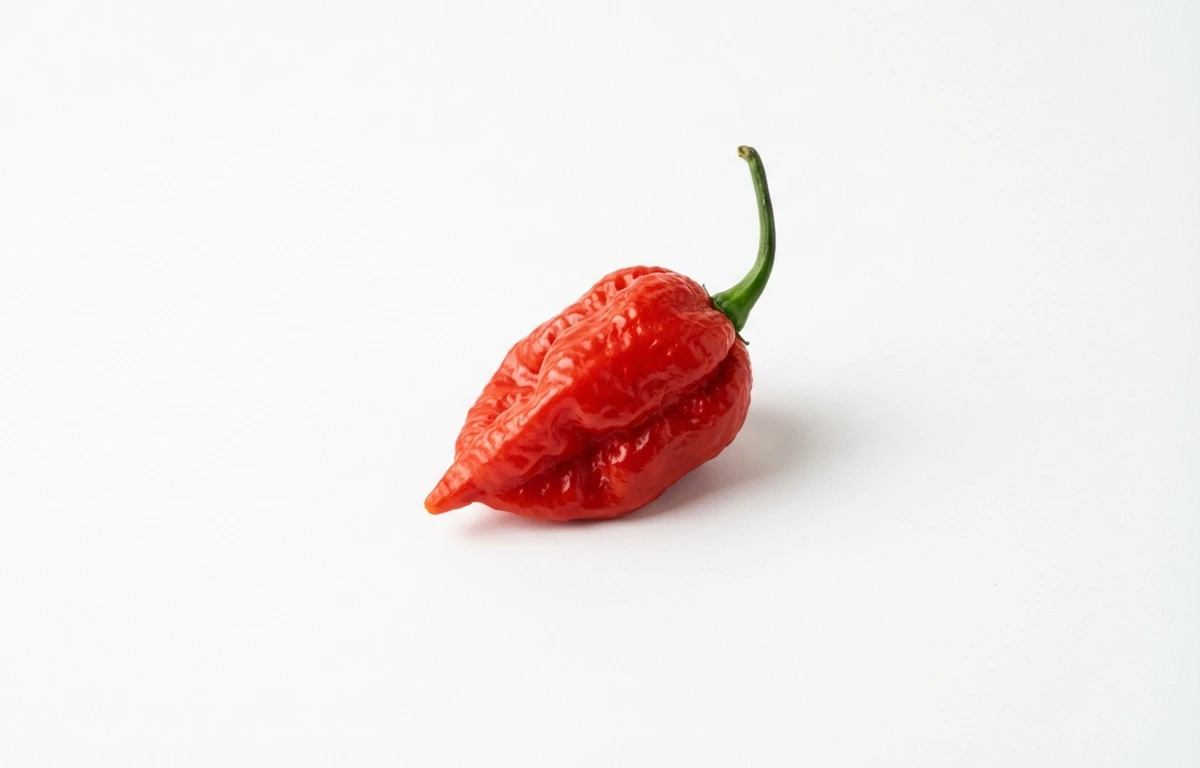
ghost pepper.
VegetarianVeganGluten-freeDairy-freeNut-freePeanut-freeSoy-freeEgg-freeShellfish-freeHoney-freeAlcohol-free
ALSO KNOWN AS
bhoot jolokiabhut jolokianaga jolokiaghost chiliGhost PepperU-morokRaja MirchaBhut Jolokia ChiliNaga MorichKing ChiliNaga MirchiNaga King Chili
SERVING
CALORIES
40
PROTEIN
1.9g
CARBS
8.8g
FAT
0.44g
FIBER
1.5g
NUTRITION PROFILE · per 100 g
Everything in this ingredient.
MACRONUTRIENTS
Calories40kcal—
Protein1.9g4%
Carbohydrates8.8g3%
Fiber1.5g5%
Sugar5.3g11%
Total fat0.44g1%
Saturated fat0.08g0%
Cholesterol0mg0%
Water88g—
MINERALS
Sodium7.0mg0%
Potassium322mg7%
Calcium14mg1%
Iron1.0mg6%
Magnesium3.3mg1%
Phosphorus6.7mg1%
Zinc0.06mg1%
Copper0.01mg1%
Manganese0.04mg2%
Selenium0.24µg0%
VITAMINS
Vitamin A173µg19%
Vitamin C144mg160%
Vitamin D0µg0%
Vitamin E0.69mg5%
Vitamin K2.4µg2%
Thiamin (B1)0.01mg1%
Riboflavin (B2)0.02mg2%
Niacin (B3)0.20mg1%
Pantothenic acid (B5)0.06mg1%
Vitamin B60.06mg4%
Folate (B9)2.4µg1%
Vitamin B120µg0%
%DV based on a 2,000 cal diet. Source: USDA FoodData Central. A dash in the %DV column means there’s no established Daily Value for that nutrient.
MEASUREMENT CONVERSIONS
How much is what.
1 cup110g
1 tablespoon6.9g
1 teaspoon2.3g
1 ml0.5g
1 liter460g
1 piece5g
HEALTH BENEFITS
Why eat it.
- ✓Rich in capsaicin, which may boost metabolism and aid in weight management by increasing fat oxidation.
- ✓Contains antioxidants like Vitamin C and carotenoids, which help combat oxidative stress.
- ✓Capsaicin has demonstrated anti-inflammatory and pain-relieving properties.
- ✓May support cardiovascular health by helping to reduce cholesterol and improve circulation.
COOKING TIPS
In the kitchen.
- 1Always wear gloves when handling ghost peppers to prevent severe skin irritation from the capsaicin oils. Avoid touching your face, especially your eyes.
- 2Use extremely sparingly. A tiny sliver or a single minced pepper is often enough to add intense heat to a large pot of chili or stew.
- 3To reduce the heat level, remove the white pith (placenta) and seeds, as they contain the highest concentration of capsaicin.
- 4Incorporate into sauces, marinades, or infused oils to distribute the heat more evenly throughout a dish.
STORAGE
Keep it fresh.
- Store fresh ghost peppers in a paper bag in the refrigerator's crisper drawer for up to 2 weeks.
- For long-term storage, dry the peppers completely and store them in an airtight container in a cool, dark place for over a year.
- Freeze whole or chopped peppers on a baking sheet before transferring to a freezer bag; they will last for at least 6 months.
FAQ
Frequently asked questions.
Is ghost pepper healthy?
Ghost peppers offer several health benefits, primarily due to their high capsaicin content. Capsaicin may boost metabolism, aid in weight management, and possesses anti-inflammatory and pain-relieving properties. They also contain antioxidants like Vitamin C and carotenoids, which support overall health.
What are the nutritional facts for ghost pepper?
Per 100g, ghost peppers contain approximately 40 calories, 1.87g of protein, 8.81g of carbohydrates, and 0.44g of fat. They are low in calories and fat, while providing some fiber and vitamins.
Can ghost pepper help with weight loss?
Yes, the capsaicin in ghost peppers may contribute to weight management. It's known to boost metabolism and increase fat oxidation, potentially helping the body burn more calories. However, it should be part of a balanced diet and not relied upon as a sole weight-loss solution.
Is ghost pepper vegan or gluten-free?
Yes, ghost peppers are naturally vegan as they are a plant-based vegetable. They are also naturally gluten-free, making them suitable for individuals following these dietary restrictions.
Is ghost pepper keto-friendly?
With 8.81g of carbohydrates per 100g, ghost peppers can be consumed in very small quantities on a keto diet. Due to their extreme heat, they are typically used sparingly, so their carb contribution is usually negligible in a standard serving.
How do you cook with ghost pepper?
When cooking with ghost peppers, extreme caution is essential. Wear gloves and eye protection, and ensure good ventilation. They are often used to make hot sauces, chili oils, or to add intense heat to stews and curries. Start with a tiny amount and taste carefully.
What does ghost pepper taste like?
Beyond its intense heat, the ghost pepper has a fruity, slightly smoky flavor. Some describe notes of citrus or even a subtle sweetness before the overwhelming spiciness takes over. The heat builds slowly and lingers for a long time.
How do you store ghost peppers?
Fresh ghost peppers can be stored in the refrigerator in a paper bag or loosely wrapped in a plastic bag for up to 1-2 weeks. For longer storage, they can be dried, frozen whole, or processed into hot sauces or powders.
How hot is a ghost pepper?
The ghost pepper (Bhut Jolokia) is extremely hot, typically ranging from 855,000 to 1,041,427 Scoville Heat Units (SHU). This makes it hundreds of times hotter than a jalapeño and one of the world's hottest peppers.
What are the risks of eating ghost pepper?
Consuming ghost peppers can cause intense burning sensations in the mouth and throat, stomach pain, nausea, vomiting, and diarrhea. In rare cases, it can lead to more severe reactions like esophageal spasms or even temporary blindness if capsaicin gets into the eyes. Handle with extreme care.
RECIPES
Cook with ghost pepper.
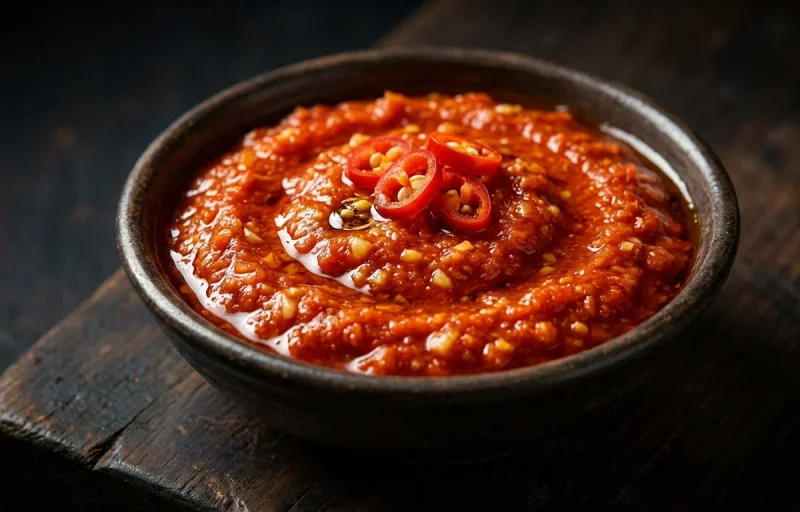
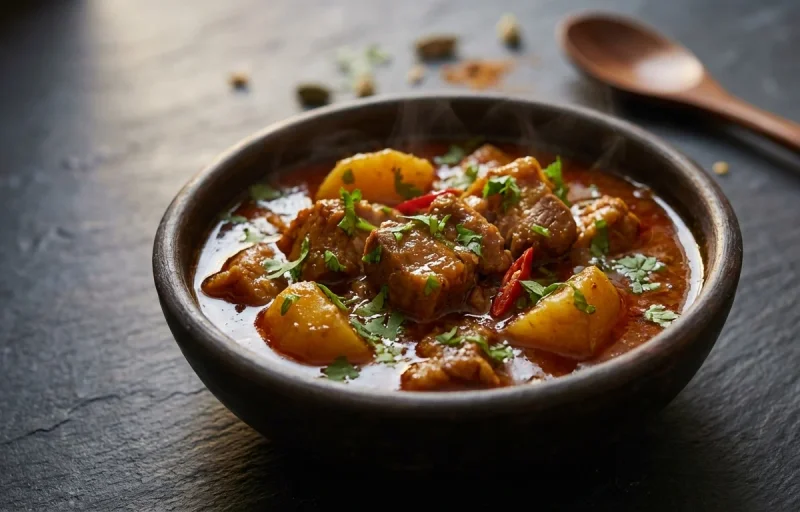
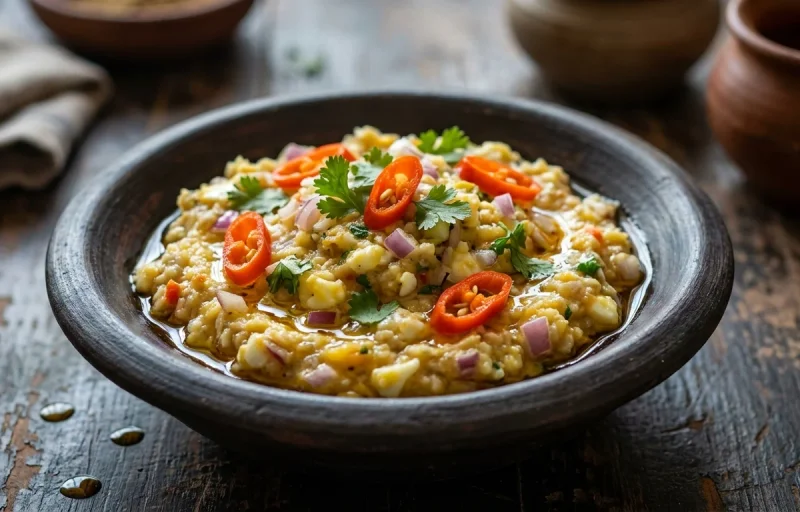
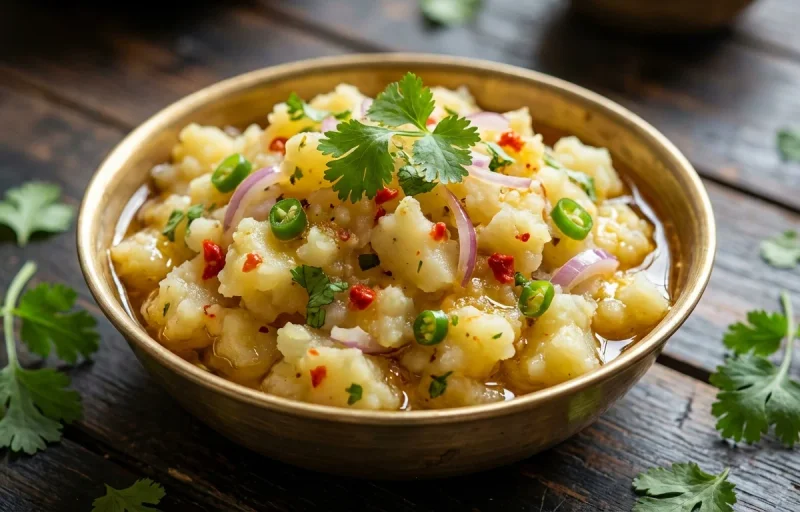
10 recipes · sorted by what’s quick