Other4 recipes
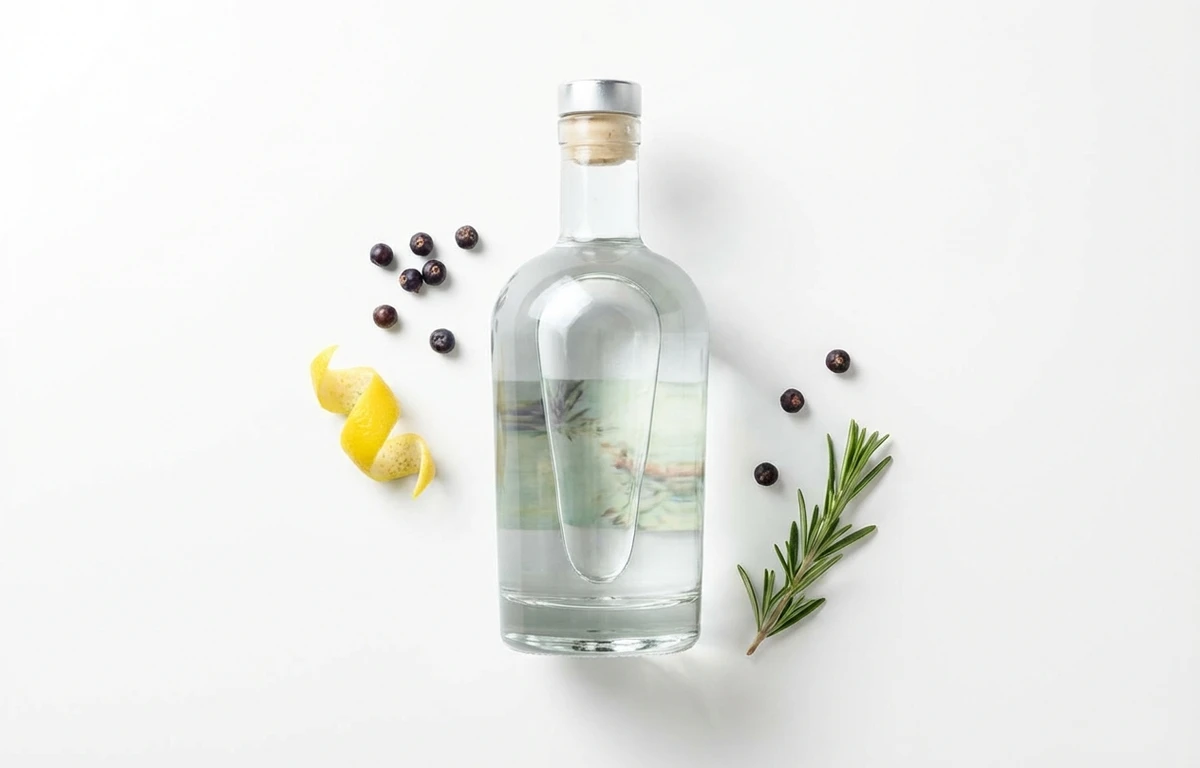
gin.
VegetarianVeganGluten-freeDairy-freeNut-freePeanut-freeSoy-freeEgg-freeShellfish-freeHoney-freeAlcohol-freeHalal
SERVING
CALORIES
263
PROTEIN
0g
CARBS
0g
FAT
0g
FIBER
0g
This ingredient is flagged as naturally gluten-free. Per 100 g, it provides 0 µg of vitamin K.
NUTRITION PROFILE · per 100 g
Everything in this ingredient.
MACRONUTRIENTS
Calories263kcal—
Protein0g0%
Carbohydrates0g0%
Fiber0g0%
Sugar0g0%
Total fat0g0%
Saturated fat0g0%
Trans fat0g—
Cholesterol0mg0%
Water66.6g—
MINERALS
Sodium1.0mg0%
Potassium2.0mg0%
Calcium0mg0%
Iron0.01mg0%
Magnesium1.0mg0%
Phosphorus4.0mg0%
Zinc0.02mg0%
Copper0.01mg1%
Manganese0.01mg0%
Selenium0.10µg0%
VITAMINS
Vitamin A0µg0%
Vitamin C0mg0%
Vitamin D0µg0%
Vitamin E0mg0%
Vitamin K0µg0%
Thiamin (B1)0mg0%
Riboflavin (B2)0mg0%
Niacin (B3)0mg0%
Pantothenic acid (B5)0mg0%
Vitamin B60mg0%
Folate (B9)0µg0%
Vitamin B120µg0%
%DV based on a 2,000 cal diet. Source: USDA FoodData Central. A dash in the %DV column means there’s no established Daily Value for that nutrient.
MEASUREMENT CONVERSIONS
How much is what.
1 cup225g
1 tablespoon14.1g
1 teaspoon4.7g
1 oz28.2g
1 lb453.6g
1 ml0.9g
1 liter940g
HEALTH BENEFITS
Why eat it.
- ✓Zero carbohydrate and zero sugar content
- ✓Lower calorie option compared to many fermented beverages
- ✓Botanicals like coriander and angelica may offer mild digestive benefits
- ✓Natural diuretic properties from juniper
COOKING TIPS
In the kitchen.
- 1Use to deglaze pans when making sauces for poultry or seafood
- 2Excellent for curing fish, such as in a gin-based gravlax
- 3Add a splash to fruit-based desserts or sorbets to enhance botanical notes
STORAGE
Keep it fresh.
- Store in a cool, dark place away from direct sunlight to prevent oxidation
- Keep the bottle tightly sealed to prevent alcohol evaporation
- Store upright to prevent the high alcohol content from degrading the cap or cork
FAQ
Frequently asked questions.
Does gin contain gluten?
Pure, distilled gin is considered gluten-free. Even if made with grain, the distillation process removes gluten proteins.
How long does an opened bottle of gin last?
An opened bottle of gin will last indefinitely if stored properly, though the flavor may subtly change after a year due to oxidation.
Can gin be stored in the freezer?
Yes, gin will not freeze in a standard home freezer due to its high alcohol content and is often served chilled.
What is the best substitute for gin in cooking?
Vodka with a squeeze of lime and a crushed juniper berry is the best substitute; otherwise, white wine or herbal broth can work.
Is gin vegan?
Most gins are vegan as they are distilled from grain and botanicals. However, some specialty gins (like Old Tom) may use honey.
How do I choose a high-quality gin?
Look for 'London Dry' for a classic juniper-forward profile, or 'New World' gins for more floral and citrus-heavy notes.
What are the main botanicals in gin?
Juniper berries are the primary botanical required by law. Others commonly include coriander seed, angelica root, and citrus peel.
Does gin have sugar?
Standard dry gins contain zero sugar. Flavored gin liqueurs or 'Pink' gins often have significant amounts of added sugar.