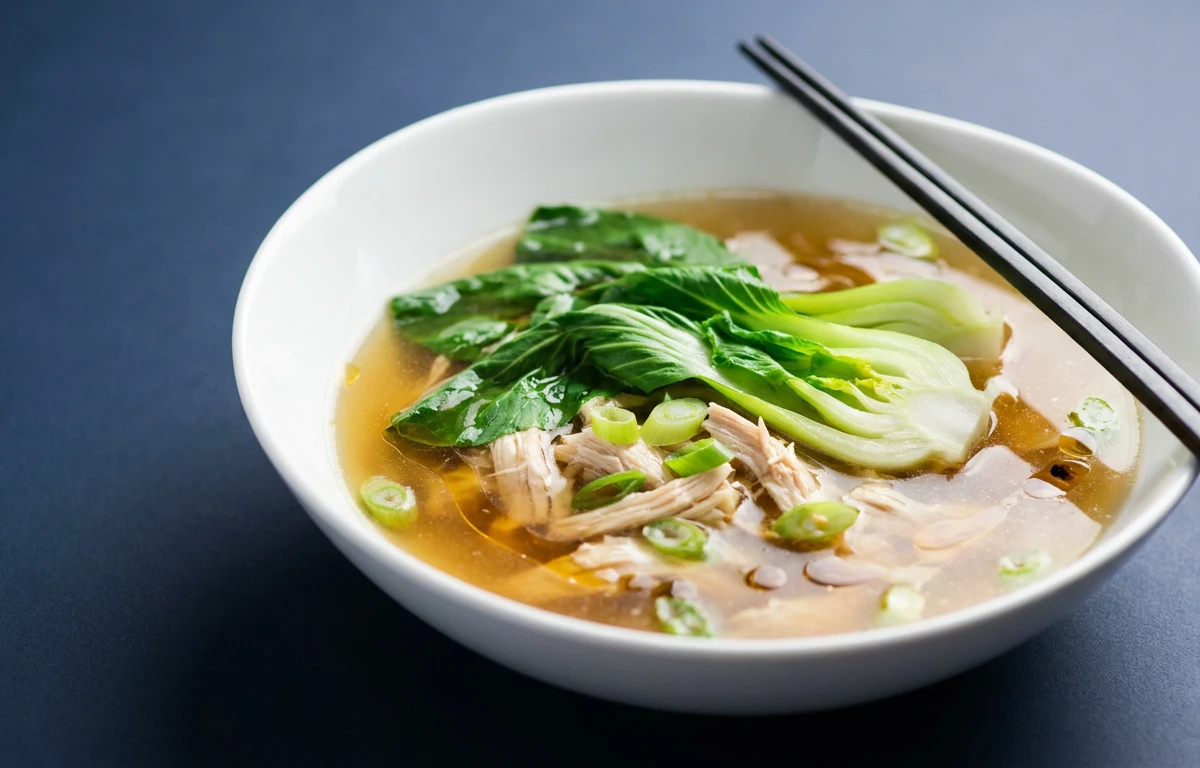
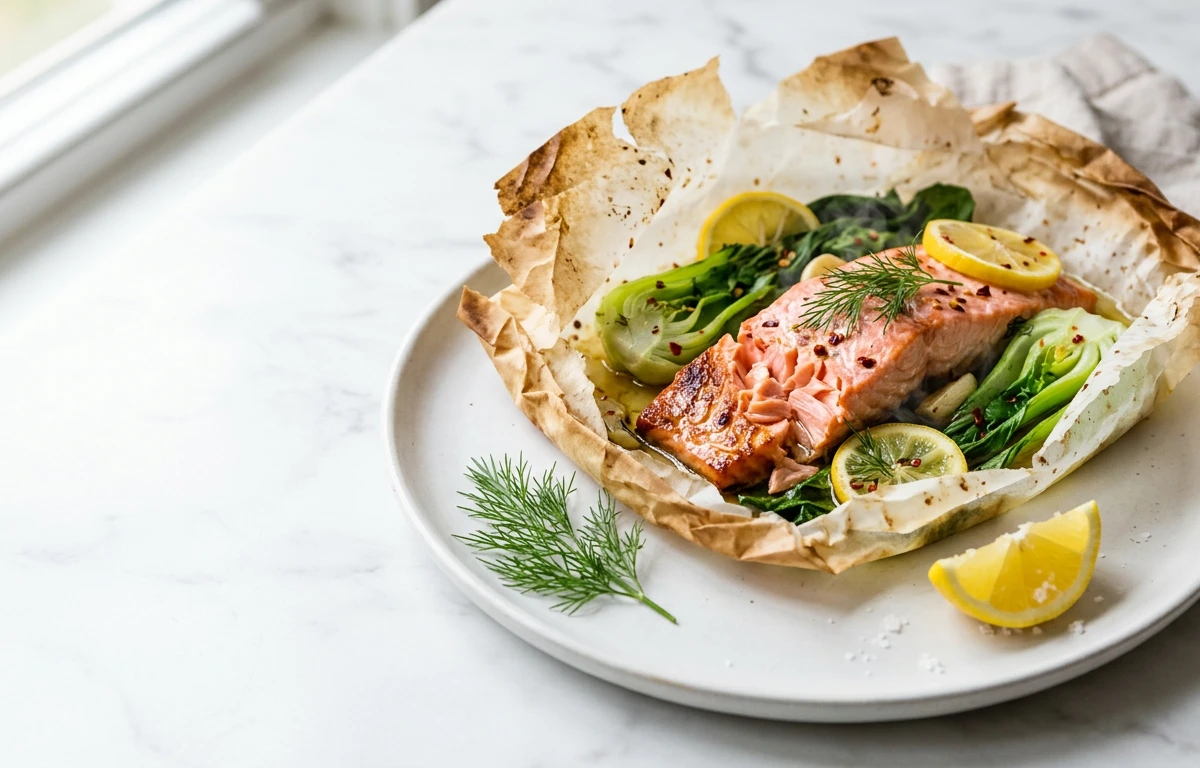
Vegetable10 recipes
ginger.
VegetarianVeganGluten-freeDairy-freeNut-freePeanut-freeSoy-freeEgg-freeShellfish-freeHoney-freeAlcohol-freeHalalKosher
ALSO KNOWN AS
inchifresh ginger rootfresh gingerginger rhizomeraw ginger rootginger rootadrakinjiallamshogashuntiraw ginger
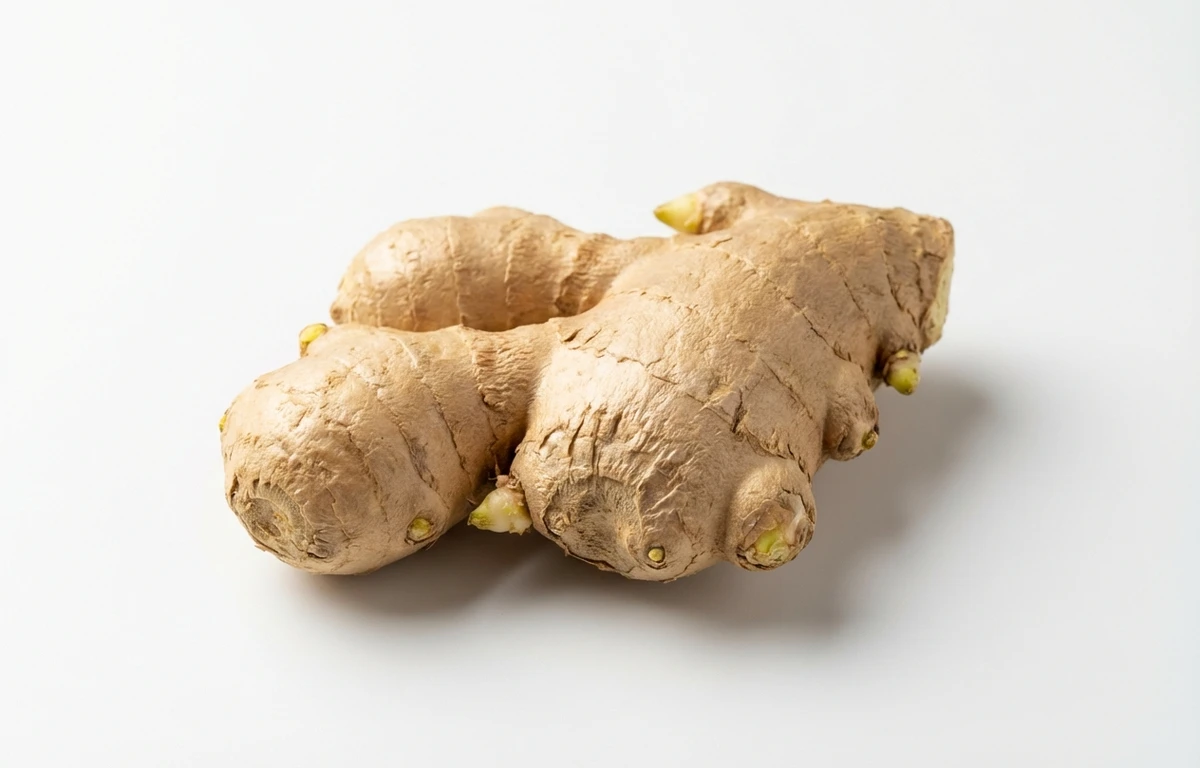
SERVING
CALORIES
80
PROTEIN
1.8g
CARBS
17.8g
FAT
0.75g
FIBER
2.0g
NUTRITION PROFILE · per 100 g
Everything in this ingredient.
MACRONUTRIENTS
Calories80kcal—
Protein1.8g4%
Carbohydrates17.8g6%
Fiber2.0g7%
Sugar1.7g3%
Total fat0.75g1%
Saturated fat0.20g1%
Trans fat0g—
Cholesterol0mg0%
Water78.9g—
MINERALS
Sodium13mg1%
Potassium415mg9%
Calcium16mg1%
Iron0.60mg3%
Magnesium43mg10%
Phosphorus34mg3%
Zinc0.34mg3%
Copper0.23mg26%
Manganese0.23mg10%
Selenium0.70µg1%
VITAMINS
Vitamin A0µg0%
Vitamin C5.0mg6%
Vitamin D0µg0%
Vitamin E0.26mg2%
Vitamin K0.10µg0%
Thiamin (B1)0.03mg3%
Riboflavin (B2)0.03mg2%
Niacin (B3)0.75mg5%
Pantothenic acid (B5)0.20mg4%
Vitamin B60.16mg9%
Folate (B9)11µg3%
Vitamin B120µg0%
%DV based on a 2,000 cal diet. Source: USDA FoodData Central. A dash in the %DV column means there’s no established Daily Value for that nutrient.
MEASUREMENT CONVERSIONS
How much is what.
1 cup140g
1 tablespoon9g
1 teaspoon3g
1 oz28.4g
1 lb453.6g
1 piece50g
HEALTH BENEFITS
Why eat it.
- ✓Contains gingerol with powerful medicinal properties
- ✓Highly effective against nausea and motion sickness
- ✓May help with weight loss and reducing BMI
- ✓Can significantly reduce menstrual pain
- ✓Helps lower blood sugar levels and improve heart disease risk factors
COOKING TIPS
In the kitchen.
- 1Use the edge of a metal spoon to easily peel the skin around the bumps
- 2Grate ginger while frozen for a finer texture and easier handling
- 3Add ginger at the beginning of cooking for a mellow flavor or at the end for a sharp zing
STORAGE
Keep it fresh.
- Store unpeeled ginger in a resealable plastic bag in the crisper drawer for up to 3 weeks
- Freeze whole unpeeled ginger in a freezer-safe bag for up to 6 months
- Store peeled ginger submerged in a jar of vodka or sherry in the fridge
FAQ
Frequently asked questions.
How long does fresh ginger last?
Unpeeled ginger lasts about 3 weeks in the refrigerator when stored in a bag, or up to 6 months in the freezer.
Do I need to peel ginger before using it?
If the ginger is young and the skin is very thin, peeling is optional. For older ginger with tough, papery skin, peeling is recommended for better texture.
What is the best way to peel ginger?
The most efficient way is using the edge of a teaspoon; it follows the contours of the root and removes only the skin, minimizing waste.
Can I substitute ground ginger for fresh ginger?
Yes, but the flavor profile is different. Use 1/4 teaspoon of ground ginger for every 1 tablespoon of fresh grated ginger.
How do I pick the best ginger at the store?
Look for roots that are firm to the touch, heavy for their size, and have smooth, taut skin. Avoid ginger that is soft, shriveled, or moldy.
Can you freeze fresh ginger?
Yes, freezing is an excellent way to preserve ginger. You can freeze it whole and grate it directly from the freezer without thawing.
What are the main health benefits of ginger?
Ginger is known for its anti-inflammatory properties, its ability to soothe digestive issues and nausea, and its potential to help lower blood sugar.
Is ginger considered a root vegetable?
Technically, ginger is a rhizome (an underground stem), but in culinary and dietary contexts, it is classified as a root vegetable.
What can I use as a substitute for fresh ginger?
Galangal or turmeric root can work in some recipes, though the flavor will change. Ground ginger or ginger paste are the most common substitutes.
RECIPES
Cook with ginger.
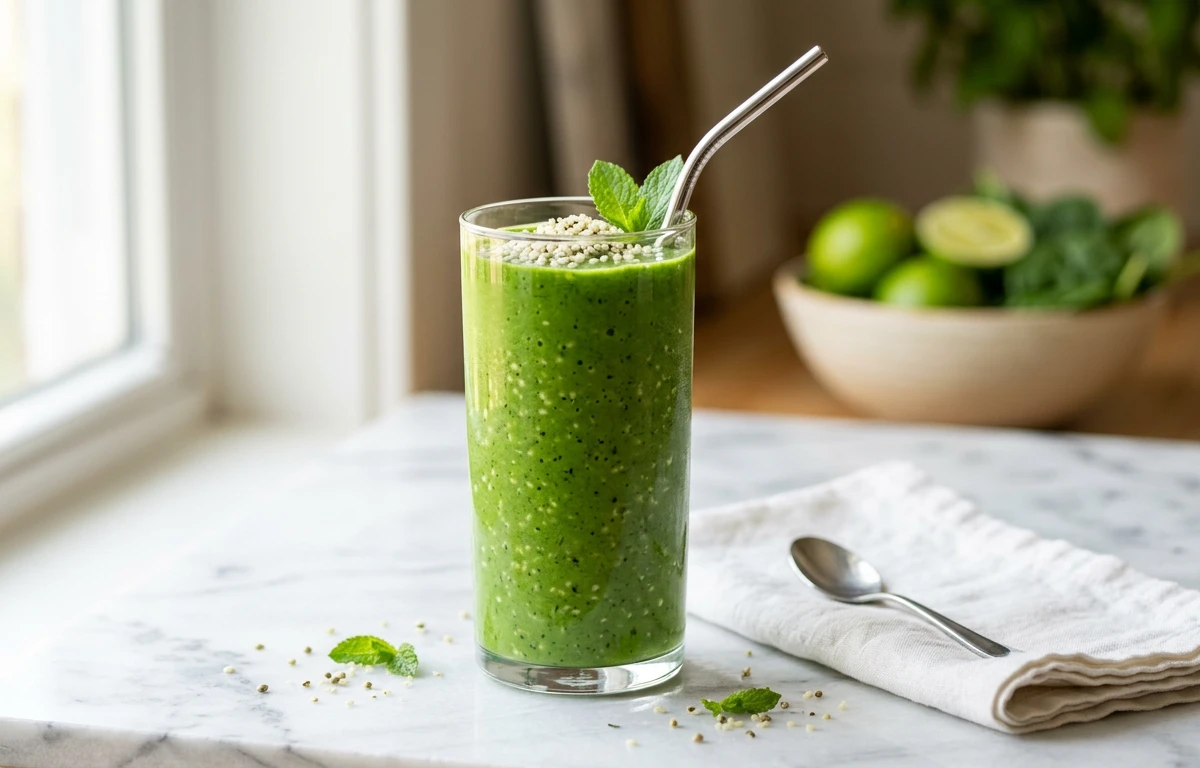
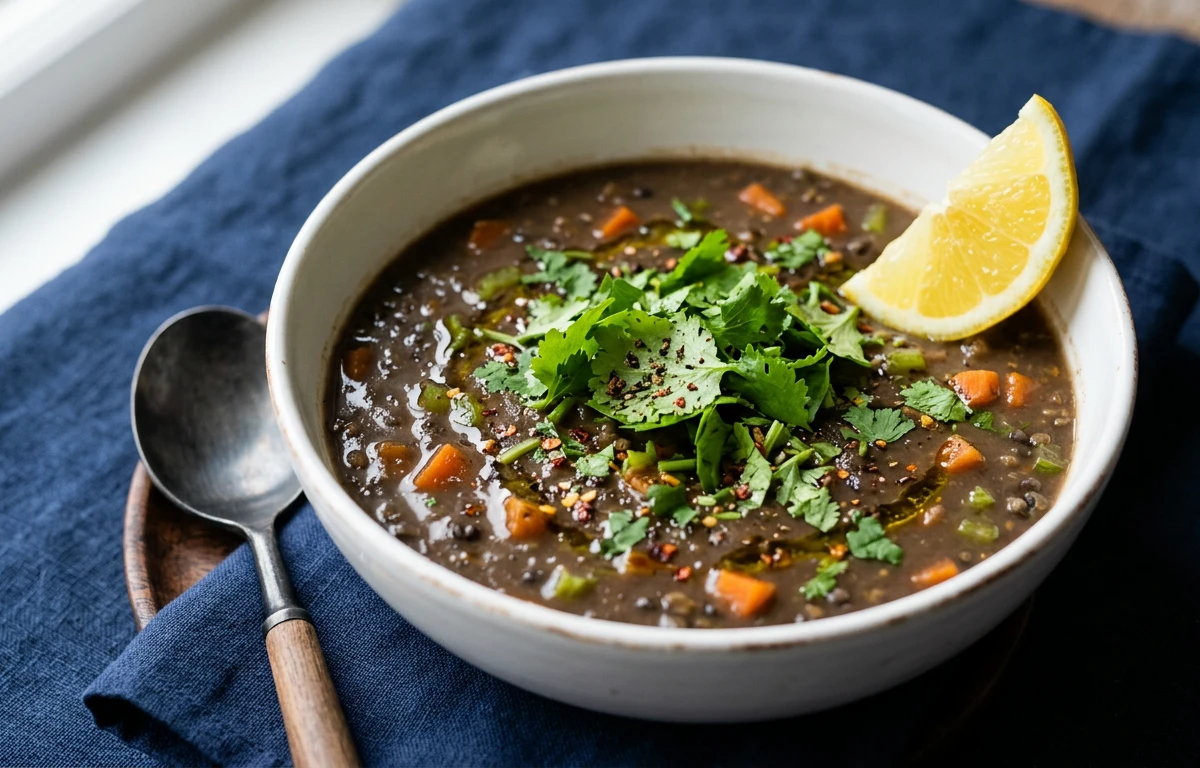
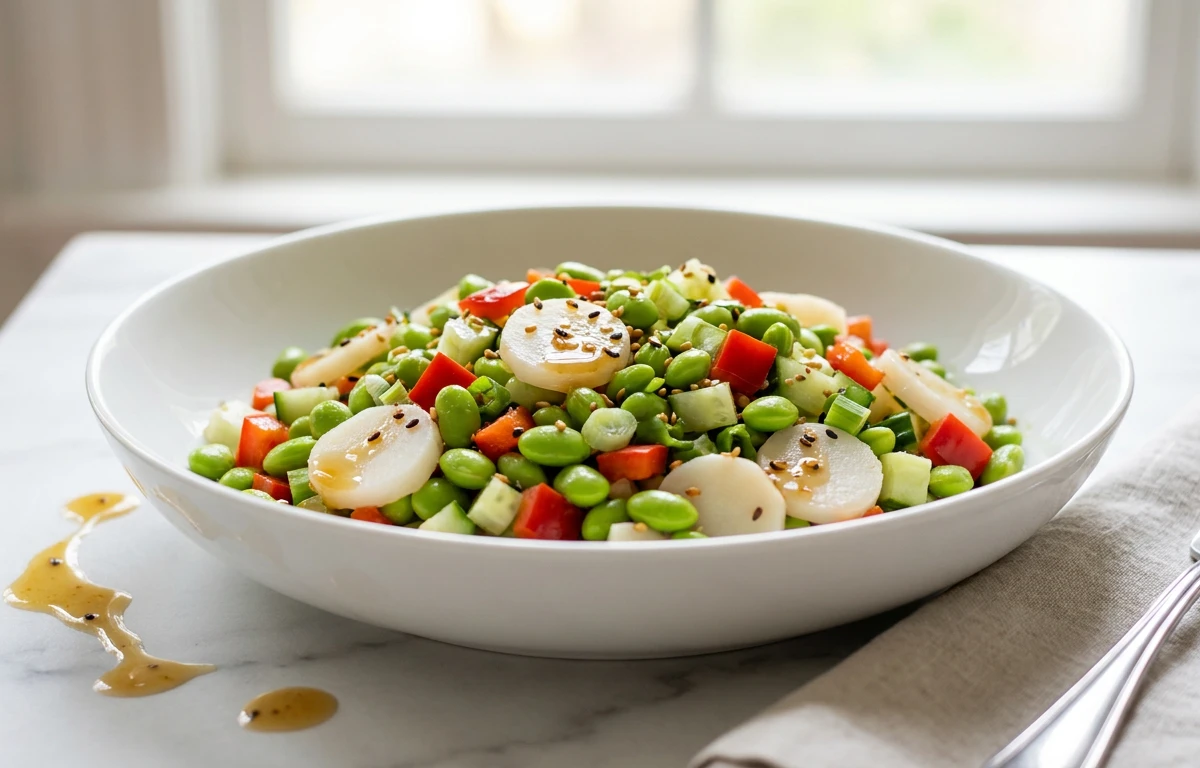
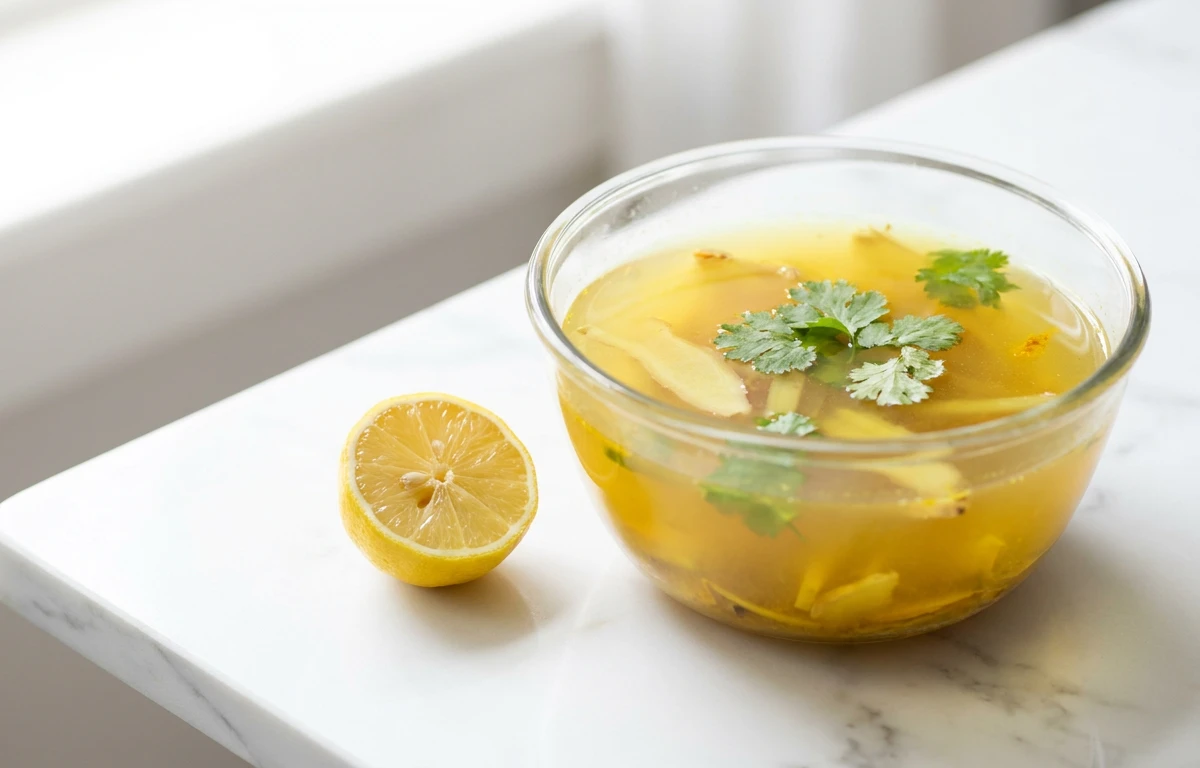
10 recipes · sorted by what’s quick