Protein10 recipes
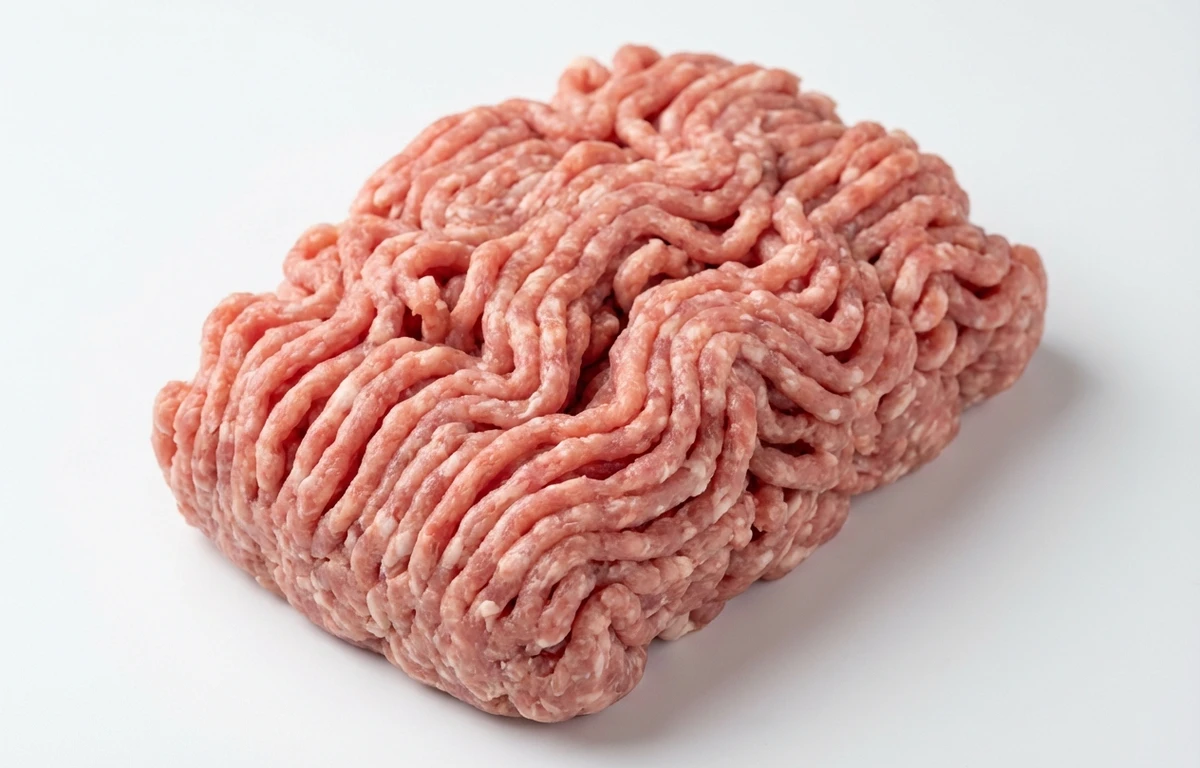
ground turkey.
VegetarianVeganGluten-freeDairy-freeNut-freePeanut-freeSoy-freeEgg-freeShellfish-freeHoney-freeAlcohol-free
ALSO KNOWN AS
minced turkeyground turkey meat
SERVING
CALORIES
148
PROTEIN
19.7g
CARBS
0g
FAT
7.7g
FIBER
0g
NUTRITION PROFILE · per 100 g
Everything in this ingredient.
MACRONUTRIENTS
Calories148kcal—
Protein19.7g39%
Carbohydrates0g0%
Fiber0g0%
Sugar0g0%
Total fat7.7g10%
Saturated fat2.0g10%
Trans fat0.10g—
Cholesterol69mg23%
Water72.4g—
MINERALS
Sodium58mg3%
Potassium237mg5%
Calcium19mg1%
Iron1.1mg6%
Magnesium23mg5%
Phosphorus200mg16%
Zinc2.4mg21%
Copper0.10mg11%
Manganese0.01mg0%
Selenium21.9µg40%
VITAMINS
Vitamin A20µg2%
Vitamin C0mg0%
Vitamin D0.40µg2%
Vitamin E0.09mg1%
Vitamin K0µg0%
Thiamin (B1)0.07mg6%
Riboflavin (B2)0.16mg12%
Niacin (B3)6.7mg42%
Pantothenic acid (B5)0.99mg20%
Vitamin B60.56mg33%
Folate (B9)7.0µg2%
Vitamin B121.0µg42%
%DV based on a 2,000 cal diet. Source: USDA FoodData Central. A dash in the %DV column means there’s no established Daily Value for that nutrient.
MEASUREMENT CONVERSIONS
How much is what.
1 cup227g
1 tablespoon14.2g
1 teaspoon4.7g
1 oz28.4g
1 lb453.6g
1 ml0.9g
1 liter945.8g
HEALTH BENEFITS
Why eat it.
- ✓Excellent source of lean protein, crucial for muscle building, repair, and promoting satiety.
- ✓Rich in B vitamins, particularly niacin (B3) and vitamin B6, which support energy metabolism and nervous system function.
- ✓Provides selenium, a powerful antioxidant that helps protect cells from damage and supports thyroid health.
- ✓Often lower in saturated fat compared to ground beef, making it a heart-healthier choice, especially leaner varieties (e.g., 93/7).
COOKING TIPS
In the kitchen.
- 1Always cook ground turkey to a safe internal temperature of 165°F (74°C) to eliminate harmful bacteria.
- 2Since it's leaner than ground beef, avoid overcooking to prevent it from becoming dry. Adding a little olive oil or broth to the pan can help retain moisture.
- 3Ground turkey has a mild flavor, so season it generously with herbs, spices, garlic, and onion to enhance its taste in dishes like tacos, chili, or meatballs.
- 4For juicier burgers or meatballs, mix in ingredients like finely grated zucchini, mushrooms, or breadcrumbs to add moisture and improve texture.
STORAGE
Keep it fresh.
- Refrigerate raw ground turkey at 40°F (4°C) or below and use within 1-2 days of purchase.
- For longer storage, freeze in an airtight container or heavy-duty freezer bag for up to 3-4 months for optimal quality.
- Store cooked ground turkey in a sealed container in the refrigerator and consume within 3-4 days.
FAQ
Frequently asked questions.
Is ground turkey healthy?
Yes, ground turkey is a very healthy protein choice. It's an excellent source of lean protein, crucial for muscle building and repair, and is rich in B vitamins (niacin, B6) and selenium, which support energy metabolism and antioxidant defense. Leaner varieties are also lower in saturated fat compared to ground beef, making them heart-healthier.
How much protein and calories are in ground turkey?
Approximately 100g of 93/7 lean ground turkey contains about 148 calories, 19.66g of protein, 0g of carbohydrates, and 7.66g of fat. These nutritional values can vary based on the lean-to-fat ratio, with leaner options having fewer calories and less fat.
Is ground turkey good for weight loss?
Yes, ground turkey can be an excellent food for weight loss. Its high protein content promotes satiety, helping you feel full longer and potentially reducing overall calorie intake. Choosing leaner varieties further reduces calorie and fat content, making it a smart choice for managing weight.
Is ground turkey gluten-free?
Yes, plain ground turkey is naturally gluten-free. However, if you are purchasing pre-seasoned or pre-mixed ground turkey products, always check the ingredient label to ensure no gluten-containing additives or binders have been included.
Is ground turkey keto-friendly?
Yes, ground turkey is very keto-friendly. It contains zero carbohydrates and is an excellent source of protein and fat, fitting perfectly into a ketogenic diet. Varieties with higher fat content can be particularly useful for meeting fat macros on keto.
How do you cook ground turkey?
Ground turkey can be cooked similarly to ground beef. Brown it in a skillet over medium-high heat, breaking it up with a spoon, until it's no longer pink and reaches an internal temperature of 165°F (74°C). Drain any excess fat if desired, especially with higher-fat varieties.
What does ground turkey taste like?
Ground turkey has a milder, less rich flavor compared to ground beef. It can be somewhat blander, especially leaner varieties, but this makes it very versatile as it readily absorbs the flavors of seasonings, spices, and sauces, making it suitable for a wide range of cuisines.
How do you store ground turkey?
Store raw ground turkey in its original packaging in the coldest part of your refrigerator for 1-2 days. For longer storage, freeze it in airtight containers or freezer bags for up to 3-4 months. Cooked ground turkey should be refrigerated within two hours and can be stored for 3-4 days.
How long does ground turkey last?
Raw ground turkey typically lasts 1-2 days in the refrigerator. Once cooked, it can be safely stored in the refrigerator for 3-4 days. If frozen, raw ground turkey maintains its quality for 3-4 months, though it remains safe to eat beyond that time.
What's the difference between different lean percentages of ground turkey?
Ground turkey is sold in various lean-to-fat ratios, such as 99% lean (extra lean), 93% lean, or 85% lean. A higher lean percentage means less fat and fewer calories per serving, resulting in a drier texture. Lower lean percentages contain more fat, which adds moisture and flavor to dishes.
RECIPES
Cook with ground turkey.
10 recipes · sorted by what’s quick