
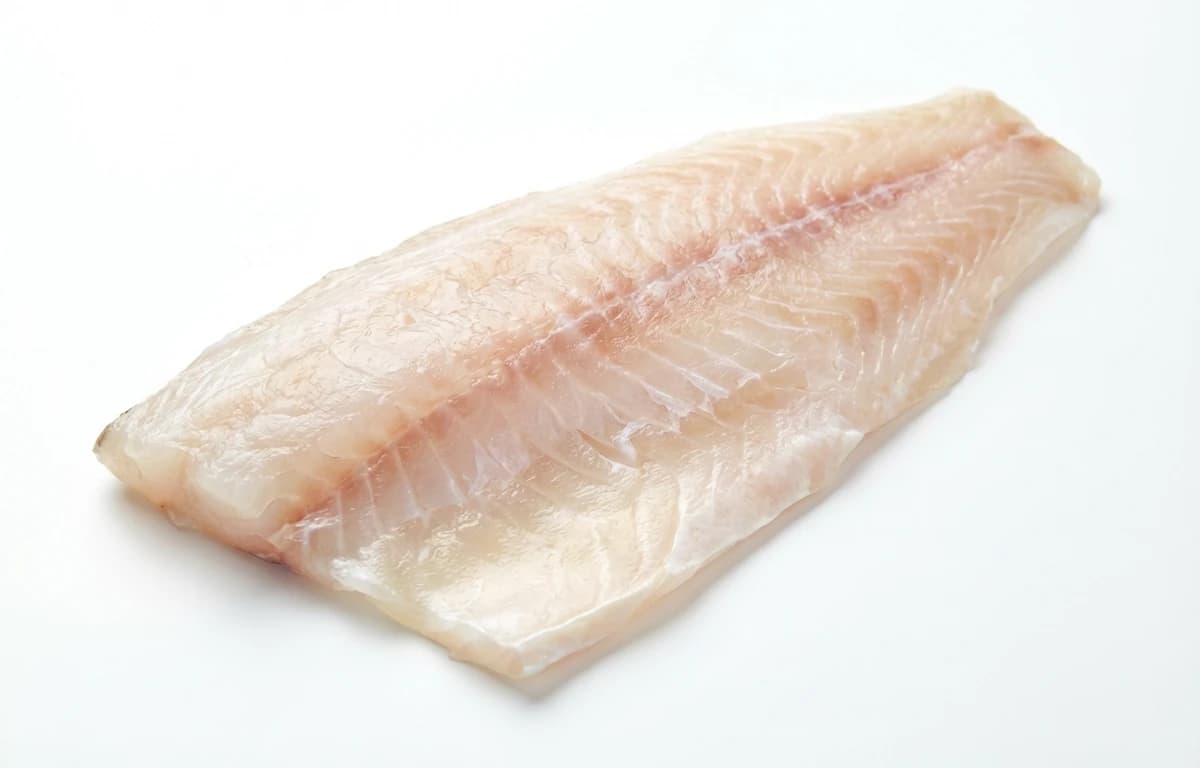
haddock fillet
Also known as: haddock, fresh haddock, haddock loin, Melanogrammus aeglefinus
Loading...
Also known as: haddock, fresh haddock, haddock loin, Melanogrammus aeglefinus
Per 100g
Nutrition data source: USDA FoodData Central
Common measurement equivalents in grams

Crispy, golden-fried haddock fillets tucked into a soft bun with creamy tartar sauce and crisp lettuce. This New England classic is the ultimate seafood sandwich, perfect for a quick and satisfying lunch or dinner.
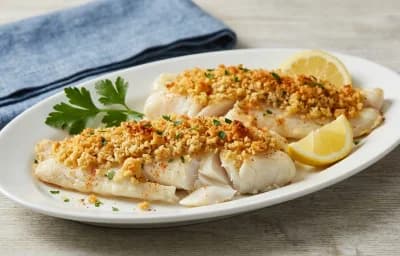
Tender, flaky haddock fillets baked under a golden, buttery blanket of crushed Ritz crackers. A quintessential New England comfort food classic that comes together in under 30 minutes.

Tender, flaky haddock fillets baked in a rich, creamy cheddar cheese sauce and topped with golden, buttery breadcrumbs. A comforting New England classic that's surprisingly easy to make for a weeknight dinner.
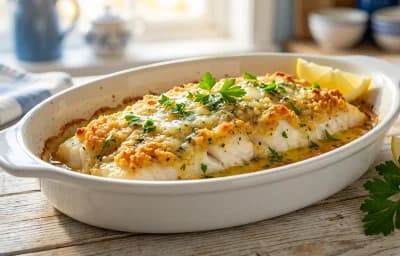
Tender, flaky haddock fillets baked with a buttery, crisp breadcrumb topping and a hint of lemon. This classic New England recipe is simple, elegant, and ready in under 30 minutes, perfect for a weeknight dinner.
Fresh haddock should be consumed within 1 to 2 days of purchase for optimal quality and safety.
Yes, haddock freezes well. Wrap it tightly in plastic wrap and then place it in a freezer bag to prevent freezer burn.
Cod is the closest substitute. Other white fish like pollock, halibut, or flounder also work well in most recipes.
Spoiled haddock will have a strong 'fishy' or ammonia-like smell, a slimy texture, or yellowish discoloration.
No, haddock is considered a low-mercury fish and is generally safe for regular consumption, including for pregnant women.
Haddock is versatile and can be baked, poached, pan-fried, or used in traditional fish and chips.
Yes, while it is a lean fish, it still provides a modest amount of heart-healthy omega-3 fatty acids.
Rinse the fillets under cold water and pat them thoroughly dry with paper towels to ensure even browning.
Plain haddock fillets are naturally gluten-free, but be cautious of breaded or battered preparations.
haddock fillet is a versatile ingredient found in cuisines around the world. With 87 calories per 100g and 18.9 grams of protein, it's a nutritious addition to many dishes.
Explore more ingredients in the other category with complete nutrition information.
View all other →Discover 0 recipes featuring haddock fillet with step-by-step instructions.
Browse recipes →Haddock is slightly smaller with a finer flake and a slightly sweeter flavor compared to the larger, firmer cod.