Other5 recipes
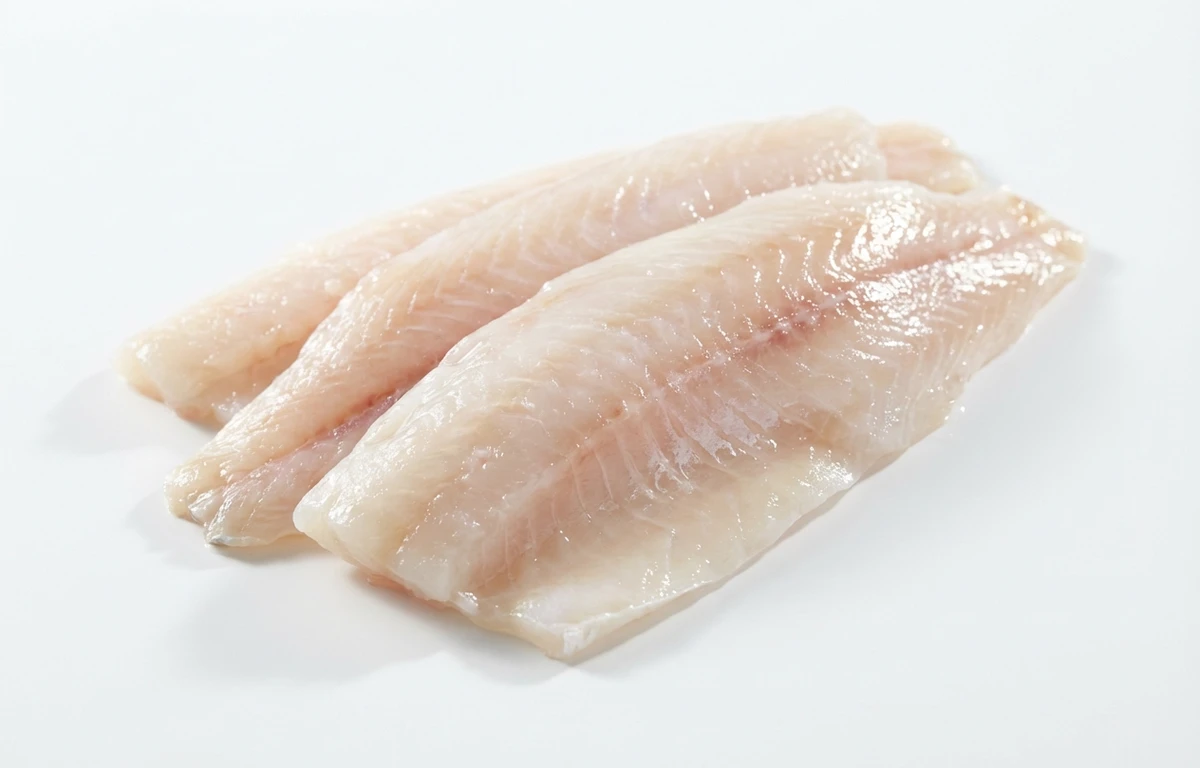
haddock fillets.
VegetarianVeganGluten-freeDairy-freeNut-freePeanut-freeSoy-freeEgg-freeShellfish-freeHoney-freeAlcohol-free
ALSO KNOWN AS
fresh haddock filletsraw haddock filletshaddockfresh haddockhaddock loinMelanogrammus aeglefinushaddock fillet
SERVING
CALORIES
87
PROTEIN
18.9g
CARBS
0g
FAT
0.70g
FIBER
0g
This ingredient is flagged as naturally gluten-free. Per 100 g, it provides 0.10 µg of vitamin K.
NUTRITION PROFILE · per 100 g
Everything in this ingredient.
MACRONUTRIENTS
Calories87kcal—
Protein18.9g38%
Carbohydrates0g0%
Fiber0g0%
Sugar0g0%
Total fat0.70g1%
Saturated fat0.10g1%
Trans fat0g—
Cholesterol57mg19%
Water79.4g—
MINERALS
Sodium68mg3%
Potassium351mg7%
Calcium14mg1%
Iron0.20mg1%
Magnesium23mg5%
Phosphorus203mg16%
Zinc0.40mg4%
Copper0.03mg3%
Manganese0.01mg0%
Selenium31.7µg58%
VITAMINS
Vitamin A11µg1%
Vitamin C0mg0%
Vitamin D0.50µg3%
Vitamin E0.40mg3%
Vitamin K0.10µg0%
Thiamin (B1)0.03mg3%
Riboflavin (B2)0.04mg3%
Niacin (B3)4.1mg26%
Pantothenic acid (B5)0.20mg4%
Vitamin B60.30mg18%
Folate (B9)13µg3%
Vitamin B121.2µg50%
%DV based on a 2,000 cal diet. Source: USDA FoodData Central. A dash in the %DV column means there’s no established Daily Value for that nutrient.
MEASUREMENT CONVERSIONS
How much is what.
1 oz28.4g
1 lb453.6g
1 piece150g
HEALTH BENEFITS
Why eat it.
- ✓Excellent source of high-quality lean protein
- ✓Rich in Vitamin B12 for nerve health and DNA synthesis
- ✓Low in calories and fat, making it heart-healthy
- ✓Provides essential phosphorus for bone and tooth health
COOKING TIPS
In the kitchen.
- 1Pat the fillets dry with paper towels before cooking to ensure a good sear
- 2Cook until the internal temperature reaches 145°F (63°C) or until the flesh is opaque and flakes easily
- 3Avoid overcooking as haddock is very lean and can become dry quickly
STORAGE
Keep it fresh.
- Store in the coldest part of the refrigerator at or below 40°F (4°C)
- Keep in original packaging or a sealed container for no more than 1-2 days
- For long-term storage, wrap tightly in plastic and freeze for up to 6 months
FAQ
Frequently asked questions.
How can I tell if haddock fillets are fresh?
Fresh haddock should have firm, translucent white flesh and a mild, clean scent of the sea. Avoid fillets that look dull, have yellowing edges, or a strong 'fishy' odor.
What is the best substitute for haddock?
Cod is the closest substitute. Other white fish like pollock, hake, or tilapia can also be used, though textures may vary slightly.
Is haddock high in mercury?
No, haddock is considered a 'Best Choice' by the FDA as it is naturally low in mercury compared to larger predatory fish.
How long does cooked haddock last in the fridge?
Cooked haddock can be stored in an airtight container in the refrigerator for 3 to 4 days.
Do I need to remove the skin before cooking?
It is a matter of preference. The skin helps hold the delicate fillet together during cooking and can be easily removed after cooking if desired.
What are the most common ways to cook haddock?
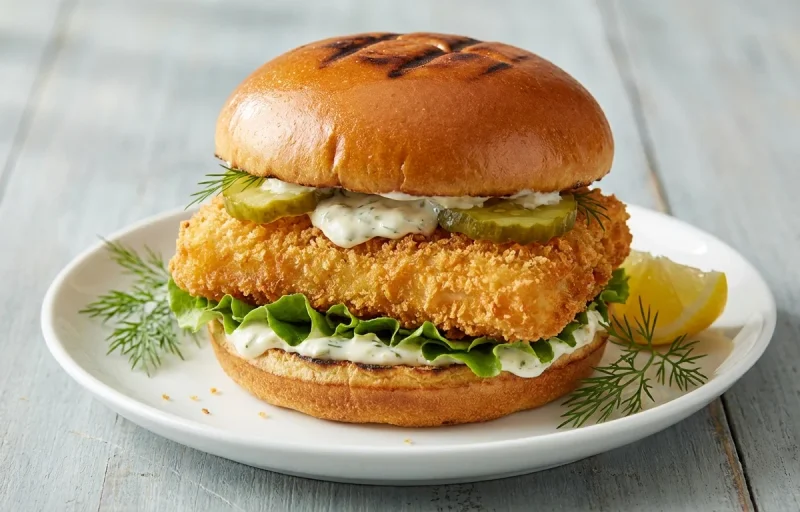
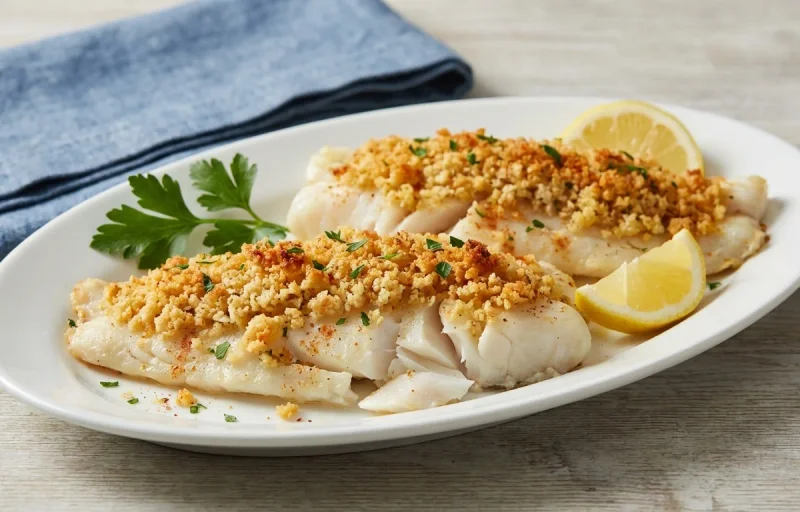
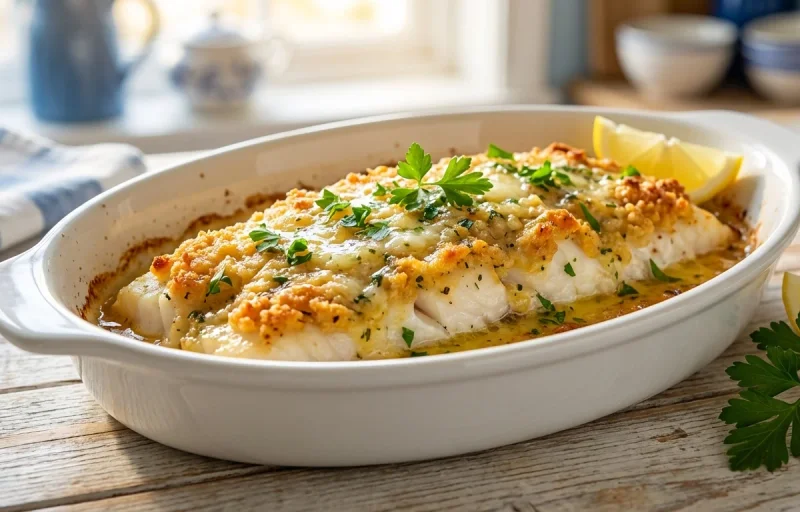
Haddock is versatile and can be baked, broiled, poached, pan-seared, or deep-fried (as in traditional fish and chips).
Is haddock a sustainable seafood choice?
Generally yes, but it depends on the region. Look for certifications like MSC (Marine Stewardship Council) to ensure it was sustainably caught.
RECIPES
Cook with haddock fillets.
5 recipes · sorted by what’s quick