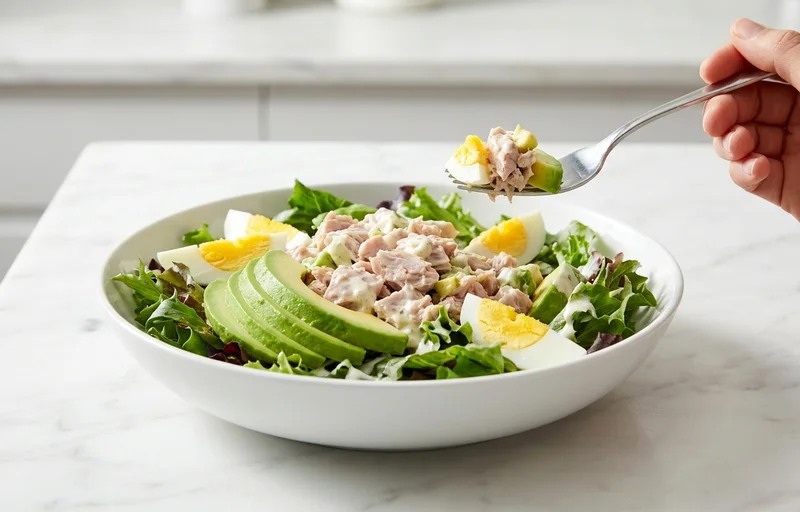
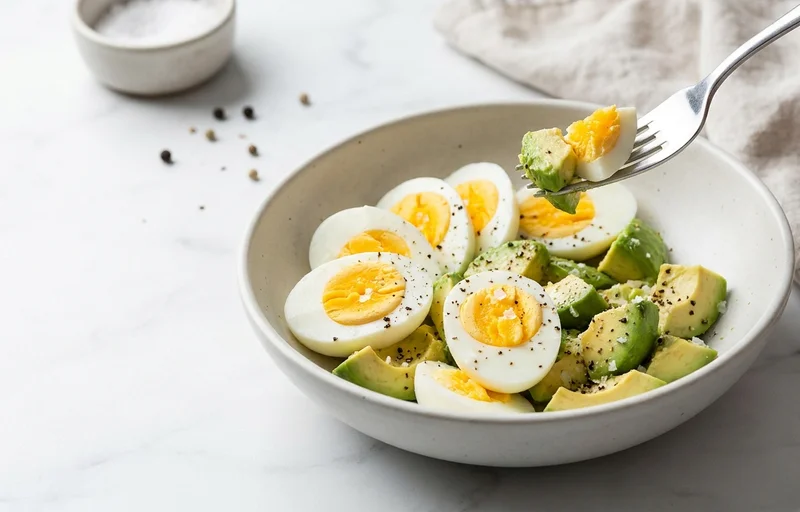
Protein2 recipes
hard-boiled eggs.
VegetarianVeganGluten-freeDairy-freeNut-freePeanut-freeSoy-freeEgg-freeShellfish-freeHoney-freeAlcohol-free
ALSO KNOWN AS
boiled egghard cooked eggubla hua andaboiled hen egghard-boiled hen egghard-boiled eggboiled eggshard cooked eggsubale hue andeboiled hen eggshard-boiled hen eggs
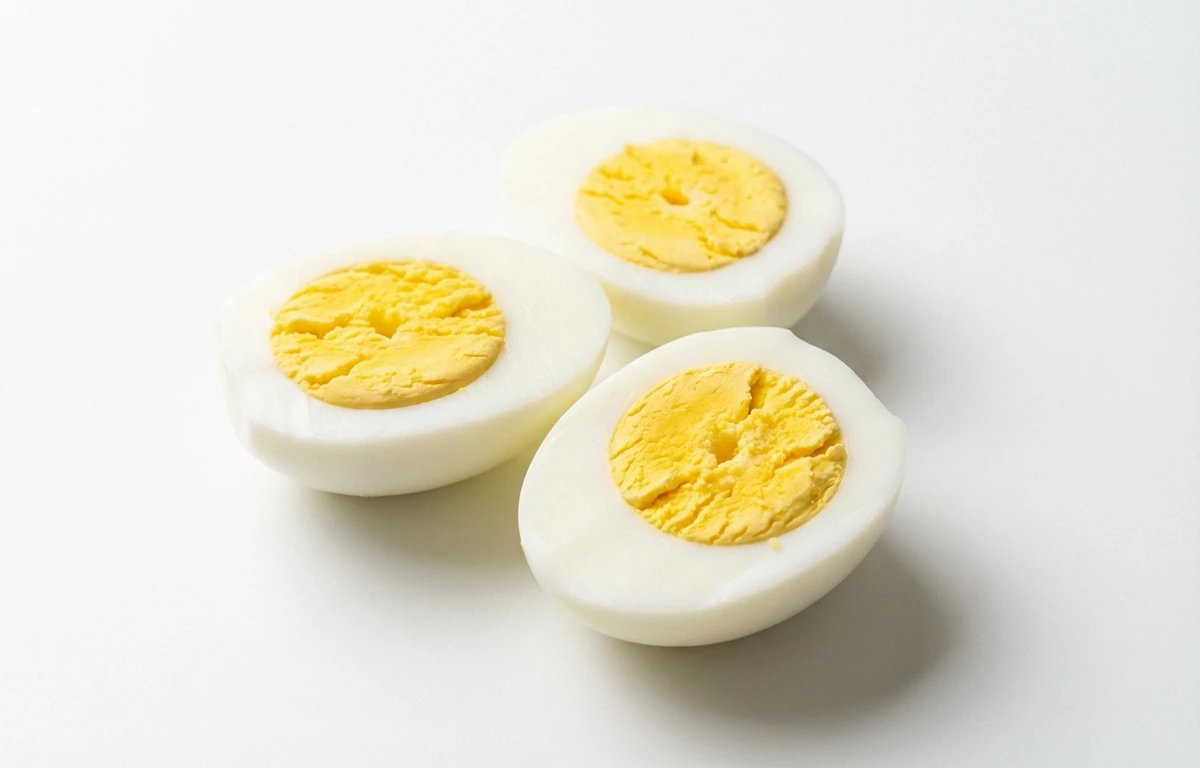
SERVING
CALORIES
155
PROTEIN
12.6g
CARBS
1.1g
FAT
10.6g
FIBER
0g
NUTRITION PROFILE · per 100 g
Everything in this ingredient.
MACRONUTRIENTS
Calories155kcal—
Protein12.6g25%
Carbohydrates1.1g0%
Fiber0g0%
Sugar1.1g2%
Total fat10.6g14%
Saturated fat3.3g16%
Trans fat0g—
Cholesterol373mg124%
Water74.6g—
MINERALS
Sodium124mg5%
Potassium126mg3%
Calcium50mg4%
Iron1.2mg7%
Magnesium10mg2%
Phosphorus172mg14%
Zinc1.1mg10%
Copper0.01mg1%
Manganese0.02mg1%
Selenium30.8µg56%
VITAMINS
Vitamin A149µg17%
Vitamin C0mg0%
Vitamin D2.2µg11%
Vitamin E1.0mg7%
Vitamin K0.30µg0%
Thiamin (B1)0.07mg6%
Riboflavin (B2)0.51mg39%
Niacin (B3)0.06mg0%
Pantothenic acid (B5)1.4mg28%
Vitamin B60.12mg7%
Folate (B9)44µg11%
Vitamin B121.1µg46%
%DV based on a 2,000 cal diet. Source: USDA FoodData Central. A dash in the %DV column means there’s no established Daily Value for that nutrient.
MEASUREMENT CONVERSIONS
How much is what.
1 cup244.1g
1 tablespoon15.3g
1 teaspoon5.1g
1 oz28.4g
1 lb453.6g
1 ml1g
1 liter1030g
1 piece50g
HEALTH BENEFITS
Why eat it.
- ✓Excellent source of high-quality complete protein
- ✓Rich in choline which supports brain health and development
- ✓Contains lutein and zeaxanthin for eye health
- ✓Good source of Vitamin D for bone strength
- ✓High satiety index helps with weight management
COOKING TIPS
In the kitchen.
- 1Shock eggs in an ice water bath immediately after boiling to stop cooking
- 2Use eggs that are a few days old as they are easier to peel than very fresh eggs
- 3Peel eggs under cool running water to help the shell slide off easily
STORAGE
Keep it fresh.
- Store in the refrigerator for up to 7 days
- Keep eggs in their shells until ready to eat for maximum freshness
- Store in a sealed container to prevent absorption of fridge odors
FAQ
Frequently asked questions.
How long do hard-boiled eggs last in the fridge?
Hard-boiled eggs can be safely stored in the refrigerator for up to 7 days, whether they are peeled or still in the shell.
Can you freeze hard-boiled eggs?
It is not recommended to freeze whole hard-boiled eggs as the whites become tough and rubbery. However, cooked yolks can be frozen for later use.
Why is there a green ring around the yolk?
A greenish-gray ring is caused by overcooking. It is a reaction between sulfur in the white and iron in the yolk; it is safe to eat but may have a slightly different texture.
What is the best way to peel a hard-boiled egg?
Gently crack the shell all over by rolling it on a counter, then peel under cold running water starting from the wider end where the air pocket is located.
Are hard-boiled eggs healthy for weight loss?
Yes, they are low in calories (about 78 per large egg) and high in protein, which helps you feel full longer and reduces overall calorie intake.
How can I tell if a hard-boiled egg has gone bad?
A spoiled egg will have a distinct, unpleasant sulfurous odor when the shell is cracked. If the shell feels slimy or the egg has an off-smell, discard it.
What can I substitute for hard-boiled eggs in a salad?
Cubed firm tofu, chickpeas, or avocado can provide similar texture or protein content in salads and sandwiches.
How do I get the perfect hard-boiled egg?
Place eggs in a pot, cover with water, bring to a boil, then turn off heat and cover for 9-12 minutes before transferring to an ice bath.
RECIPES
Cook with hard-boiled eggs.
2 recipes · sorted by what’s quick