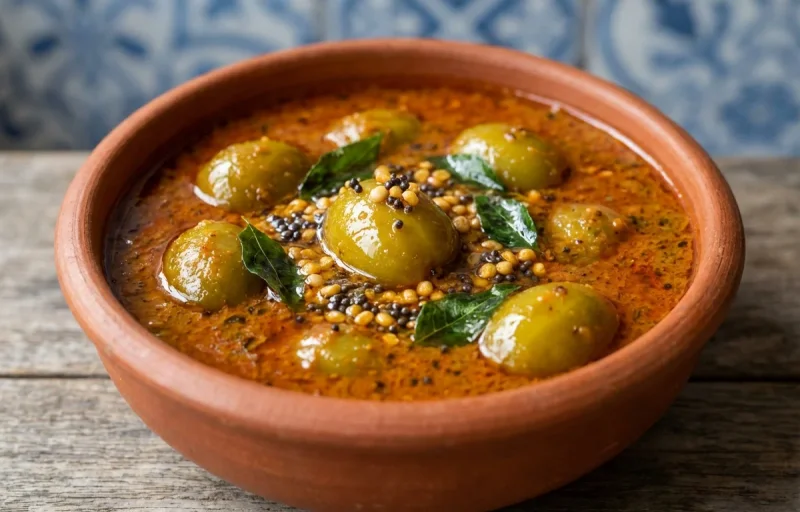
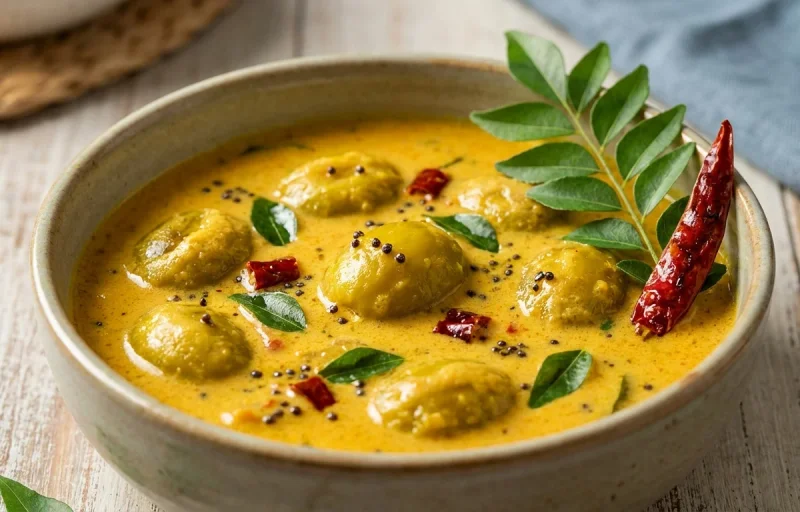
Other2 recipes
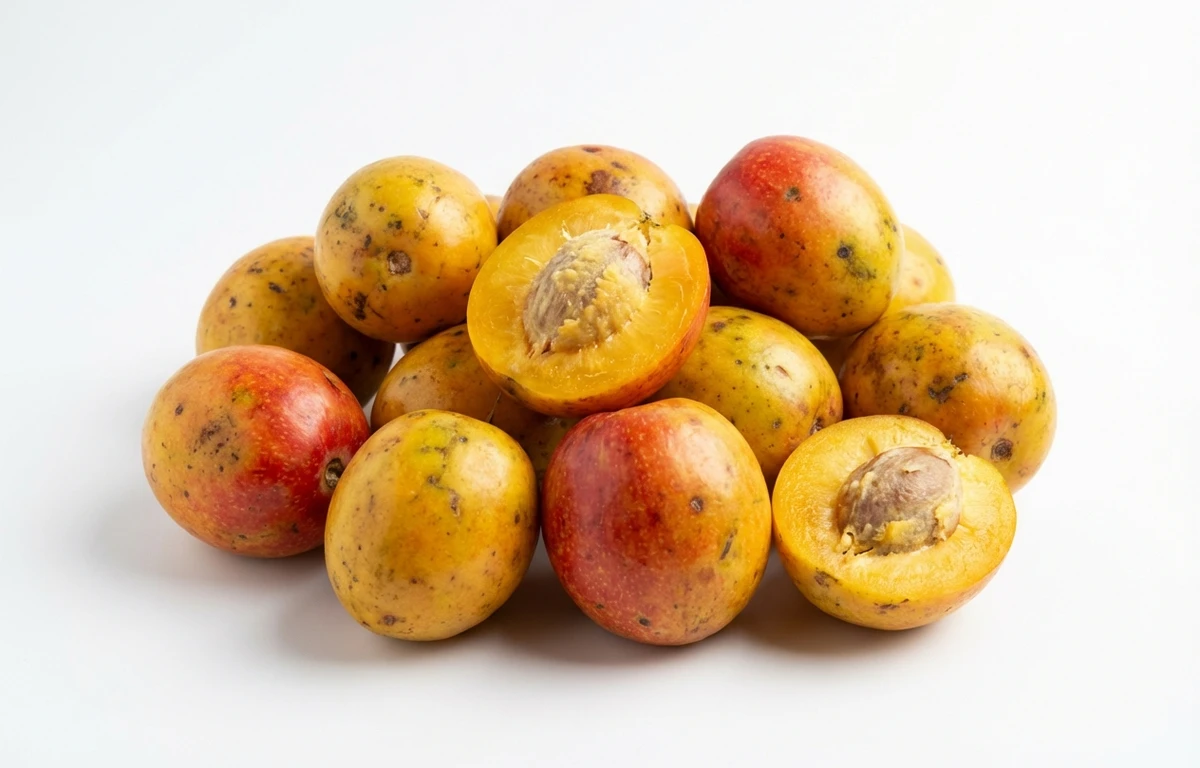
hog plums.
VegetarianVeganGluten-freeDairy-freeNut-freePeanut-freeSoy-freeEgg-freeShellfish-freeHoney-freeAlcohol-freeHalalKosher
ALSO KNOWN AS
ambalamgully plumhog plumamraambadespondias mombinyellow mombinspanish plummakokjune plumlibas
SERVING
CALORIES
46
PROTEIN
0.40g
CARBS
12.4g
FAT
0.10g
FIBER
1.2g
This ingredient is flagged as naturally gluten-free. Per 100 g, it provides 2.5 µg of vitamin K.
NUTRITION PROFILE · per 100 g
Everything in this ingredient.
MACRONUTRIENTS
Calories46kcal—
Protein0.40g1%
Carbohydrates12.4g5%
Fiber1.2g4%
Sugar8.5g17%
Total fat0.10g0%
Saturated fat0.02g0%
Trans fat0g—
Cholesterol0mg0%
Water85.5g—
MINERALS
Sodium3.0mg0%
Potassium250mg5%
Calcium15mg1%
Iron0.30mg2%
Magnesium12mg3%
Phosphorus20mg2%
Zinc0.10mg1%
Copper0.08mg9%
Manganese0.10mg4%
Selenium0.50µg1%
VITAMINS
Vitamin A35µg4%
Vitamin C45mg50%
Vitamin D0µg0%
Vitamin E0.40mg3%
Vitamin K2.5µg2%
Thiamin (B1)0.05mg4%
Riboflavin (B2)0.04mg3%
Niacin (B3)0.50mg3%
Pantothenic acid (B5)0.20mg4%
Vitamin B60.04mg2%
Folate (B9)5.0µg1%
Vitamin B120µg0%
%DV based on a 2,000 cal diet. Source: USDA FoodData Central. A dash in the %DV column means there’s no established Daily Value for that nutrient.
MEASUREMENT CONVERSIONS
How much is what.
1 cup160g
1 tablespoon15g
1 teaspoon5g
1 oz28.4g
1 lb453.6g
1 ml1g
1 liter1000g
1 piece30g
HEALTH BENEFITS
Why eat it.
- ✓Good source of dietary fiber aiding in digestion
- ✓Low in calories, making it a weight-loss friendly snack
- ✓Provides essential minerals like potassium for heart health
COOKING TIPS
In the kitchen.
- 1Use green, unripe hog plums for making tangy pickles and chutneys
- 2Add sliced hog plums to fish or lentil curries as a natural souring agent
- 3Boil ripe plums with sugar to create jams, jellies, or refreshing juices
STORAGE
Keep it fresh.
- Store unripe green hog plums at room temperature until they soften
- Keep ripe fruits in the refrigerator for up to 5-7 days
- Can be frozen as pulp or pickled for long-term preservation
FAQ
Frequently asked questions.
How do I know when a hog plum is ripe?
The skin will turn from green to a golden yellow or orange-red, and the fruit will yield slightly to gentle pressure.
Can you eat the skin of a hog plum?
Yes, the skin is edible, though it can be slightly tough or leathery depending on the variety.
What can I use as a substitute for hog plums?
For sourness in cooking, use green mango, tamarind, or starfruit. For sweetness, regular plums or apricots can work.
Are hog plums the same as regular plums?
No, they belong to the Spondias genus and are more closely related to cashews and mangoes than to European plums.
How should I prepare hog plums for a curry?
Wash them thoroughly, lightly bruise or slice them to release the juices, and add them directly to the simmering liquid.
Are hog plums high in sugar?
They contain moderate amounts of natural sugars (about 8-10g per 100g), which is typical for most stone fruits.
Can hog plums be eaten raw?
Yes, they are commonly eaten raw with a pinch of salt and chili powder, especially in South Asia and the Caribbean.
Do hog plums have a pit?
Yes, they have a large, fibrous, and somewhat spiky central stone that is difficult to separate from the flesh.
Are they available year-round?
No, they are seasonal tropical fruits, typically peaking in late summer or during the monsoon season in tropical regions.
RECIPES
Cook with hog plums.
2 recipes · sorted by what’s quick