horseradish
Also known as: horseradish root, raw horseradish, Armoracia rusticana, meerrettich, khren
Loading...
Also known as: horseradish root, raw horseradish, Armoracia rusticana, meerrettich, khren
Per 100g
Nutrition data source: USDA FoodData Central
Common measurement equivalents in grams

Thinly sliced, tender roast beef piled high on crusty bread with sweet caramelized onions, sharp provolone cheese, and a zesty horseradish sauce. A classic deli-style sandwich perfect for a hearty lunch.
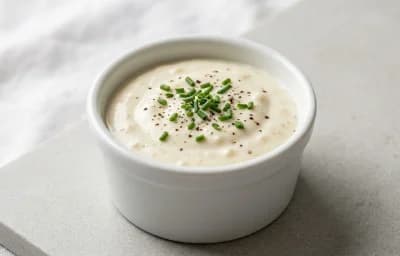
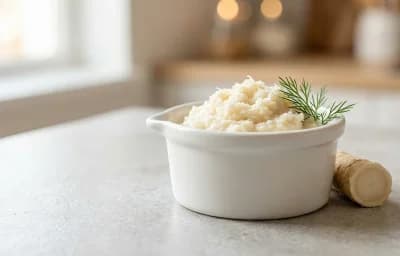
A classic creamy and tangy horseradish sauce with a spicy kick, perfect for accompanying prime rib, roast beef, steak, or elevating sandwiches. This no-cook recipe is incredibly simple to prepare and its bold flavor develops beautifully as it chills.
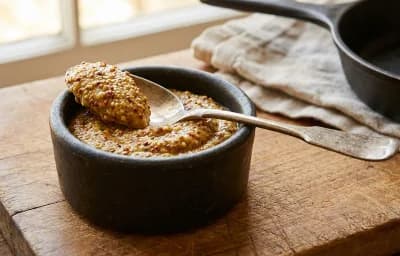
A spicy, whole-grain mustard with a signature Louisiana kick. Made with brown and yellow mustard seeds, horseradish, and a blend of Creole spices, it's the perfect zesty condiment for sandwiches, po' boys, or glazes. This recipe requires a 24-hour soak and a 48-hour maturation period for the best flavor.
Fresh, unpeeled horseradish root can last between 2 to 3 months in the refrigerator if kept in a tightly sealed plastic bag.
Yes, you can freeze grated horseradish, though it may lose some of its crisp texture. It is best used in cooked dishes or sauces after freezing.
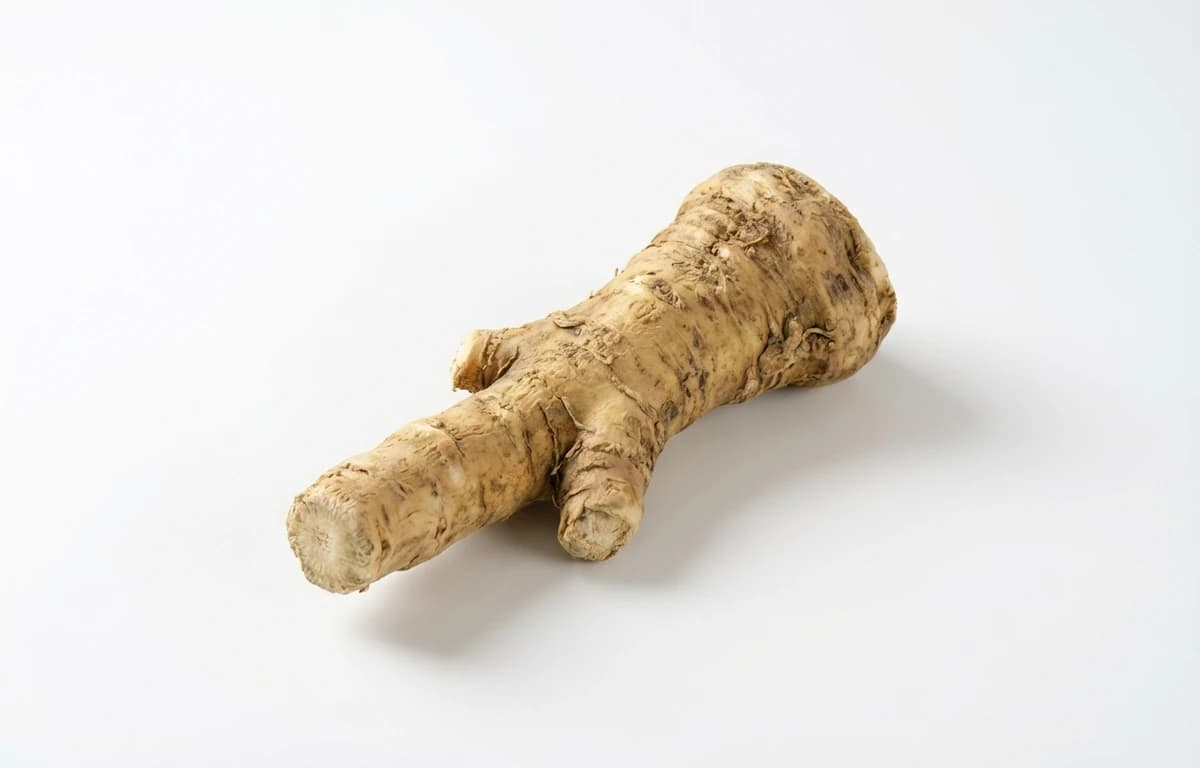
Look for roots that are firm, heavy for their size, and free of soft spots, mold, or green tinges. Avoid shriveled or dry-looking roots.
Prepared horseradish (from a jar), wasabi paste (which is often mostly horseradish), or spicy brown mustard can work as substitutes.
The heat comes from allyl isothiocyanate, a volatile oil released when the root's cells are crushed or grated.
Peel the tough outer skin with a vegetable peeler and then grate the white flesh using a fine grater or food processor.
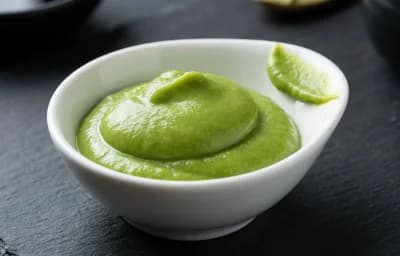
No, true wasabi is a different plant (Wasabia japonica), but most 'wasabi' served in restaurants is actually dyed horseradish.
Yes, it is very low in calories but high in Vitamin C, folate, and potassium, along with beneficial antioxidants.
Add vinegar or lemon juice immediately after grating to stop the enzymatic reaction that creates the heat.
horseradish is a versatile ingredient found in cuisines around the world. With 48 calories per 100g and 1.18 grams of protein, it's a nutritious addition to many dishes.
Explore more ingredients in the other category with complete nutrition information.
View all other →Discover 0 recipes featuring horseradish with step-by-step instructions.
Browse recipes →