grain product4 recipes
Idli.
VegetarianVeganGluten-freeDairy-freeNut-freePeanut-freeSoy-freeEgg-freeShellfish-freeHoney-freeAlcohol-freeFermented
ALSO KNOWN AS
Idlisidlisteamed rice and lentil cakessteamed rice cakes
SERVING
CALORIES
110
PROTEIN
3.5g
CARBS
23g
FAT
0.80g
FIBER
1.5g
NUTRITION PROFILE · per 100 g
Everything in this ingredient.
MACRONUTRIENTS
Calories110kcal—
Protein3.5g7%
Carbohydrates23g8%
Fiber1.5g5%
Sugar0.50g1%
Total fat0.80g1%
Saturated fat0.10g1%
Cholesterol0mg0%
Water70g—
MINERALS
Sodium250mg11%
Potassium80mg2%
Calcium25mg2%
Iron0.70mg4%
Magnesium20mg5%
Phosphorus60mg5%
Zinc0.30mg3%
Copper0.05mg6%
Manganese0.20mg9%
Selenium5.0µg9%
VITAMINS
Vitamin A0µg0%
Vitamin C0mg0%
Vitamin D0µg0%
Vitamin E0.10mg1%
Vitamin K0.50µg0%
Thiamin (B1)0.05mg4%
Riboflavin (B2)0.03mg2%
Niacin (B3)0.50mg3%
Pantothenic acid (B5)0.10mg2%
Vitamin B60.04mg2%
Folate (B9)20µg5%
Vitamin B120µg0%
%DV based on a 2,000 cal diet. Source: USDA FoodData Central. A dash in the %DV column means there’s no established Daily Value for that nutrient.
MEASUREMENT CONVERSIONS
How much is what.
1 oz3.5g
1 lb0.2g
1 piece2g
HEALTH BENEFITS
Why eat it.
- ✓Easily digestible due to fermentation
- ✓Good source of carbohydrates for energy
- ✓Provides plant-based protein from lentils
- ✓Probiotic benefits from fermentation
- ✓Low in fat and cholesterol
COOKING TIPS
In the kitchen.
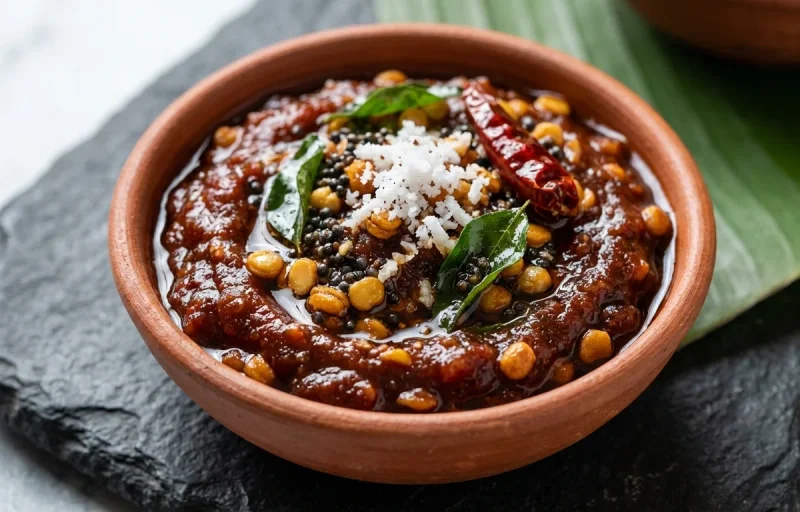
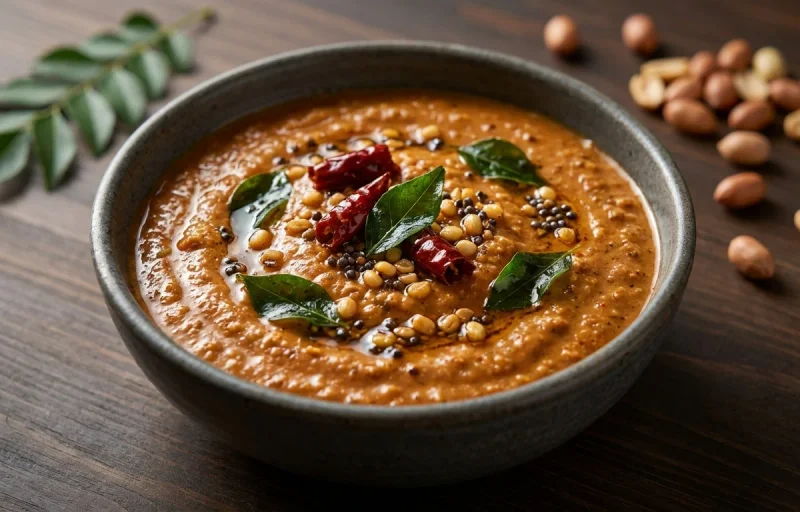
- 1Serve idlis hot with sambar and coconut chutney for a traditional South Indian breakfast.
- 2Reheat idlis by steaming them for a few minutes until soft and warm.
- 3Leftover idlis can be cut into pieces and stir-fried with spices (known as 'fried idli' or 'idli upma').
STORAGE
Keep it fresh.
- Store leftover idlis in an airtight container in the refrigerator for up to 2-3 days.
- Idlis can be frozen for longer storage (up to 1-2 months); thaw and steam to reheat.
- Ensure they are completely cooled before storing to prevent sogginess.
FAQ
Frequently asked questions.
Is idli healthy?
Yes, idli is considered one of the healthiest breakfast options because it is steamed rather than fried and contains no added fats. The fermentation process enhances its nutritional profile, making it rich in probiotics and very easy for the body to digest.
How many calories and protein are in idli?
A 100g serving of idli contains approximately 110 calories and 3.5g of protein. It is a low-calorie, high-carbohydrate food that provides a steady source of energy throughout the morning.
Is idli good for weight loss?
Idli can be an excellent part of a weight loss diet due to its low fat content (0.8g per 100g) and the fact that it is steamed. Since it is filling and easy to digest, it helps maintain satiety without adding excessive calories or cholesterol.
Is idli gluten-free?
Yes, traditional idli is naturally gluten-free. It is made from a fermented batter of rice and urad dal (black gram lentils), making it a safe and nutritious staple for those with celiac disease or gluten intolerance.
Is idli vegan?
Yes, idli is 100% vegan. The traditional recipe consists only of rice, lentils, water, and salt, and the steaming process does not require any animal-derived fats or dairy products.
Is idli keto-friendly or low-carb?
No, idli is not keto-friendly as it contains about 23g of carbohydrates per 100g. Because it is primarily made of rice and lentils, it is considered a high-carb food and is generally avoided on strict low-carb diets.
How is idli prepared?
Idli is made by soaking rice and urad dal, grinding them into a batter, and allowing it to ferment overnight. The fermented batter is then poured into greased idli molds and steamed for about 10-15 minutes until fluffy and firm.
What does idli taste like?
Idli has a very mild, neutral, and slightly tangy flavor resulting from the fermentation process. Its texture is soft, spongy, and porous, which allows it to absorb the flavors of accompanying dishes like sambar or chutney.
How do you store leftover idlis?
Store leftover idlis in an airtight container in the refrigerator for up to 2-3 days. To restore their soft texture when reheating, it is best to steam them for 2 minutes or microwave them covered with a damp paper towel.
Can you freeze idli?
Yes, idlis freeze very well for up to one month. To use them, you can steam the frozen idlis directly without thawing until they are heated through, which helps them retain their original sponginess.
RECIPES
Cook with idli.
4 recipes · sorted by what’s quick