kathirikai
Also known as:
Loading...
Also known as:
Per 100g
Nutrition data source: USDA FoodData Central
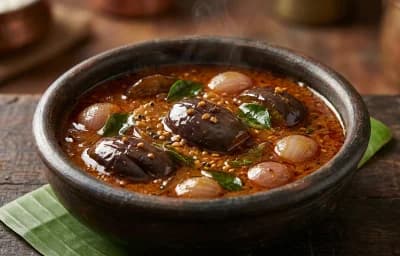
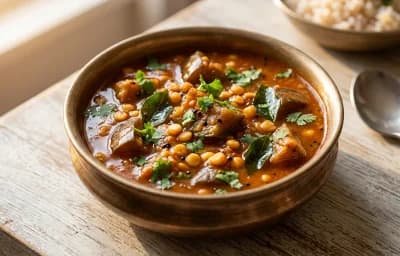
A classic Tamil Nadu curry featuring tender baby eggplants simmered in a spicy and tangy tamarind gravy. This flavorful dish, balanced with a hint of jaggery, is a perfect companion for steamed rice.
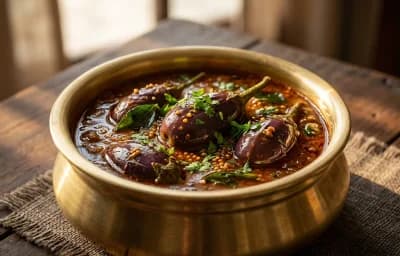
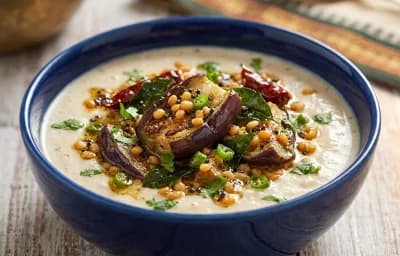
Tender baby eggplants stuffed with a fragrant spice blend, shallow-fried and simmered in a tangy tamarind gravy. A classic Tamil delicacy that's bursting with flavor and pairs perfectly with hot rice.
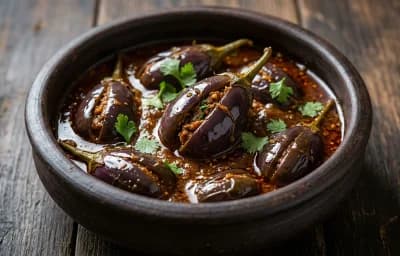
Tender baby eggplants are stuffed with a fragrant, nutty spice blend and simmered in a tangy tamarind gravy. This classic South Indian dish is a flavor explosion, perfect with hot steamed rice.
Yes, kathirikai (eggplant/brinjal) is very healthy. It's low in calories and rich in fiber, antioxidants like nasunin (especially in the skin), and essential nutrients such as manganese, potassium, folate, and vitamin K. These components contribute to overall well-being and cellular protection.
Per 100g, kathirikai contains approximately 25 calories, 0.98g protein, 5.88g carbohydrates, and 0.18g fat. It's particularly beneficial for its high fiber content, which aids digestion, and its antioxidants that protect brain cells from free radical damage.
Absolutely. Kathirikai is an excellent food for weight loss due to its very low-calorie count and high fiber content. Fiber helps you feel full longer, reducing overall calorie intake, while its low fat and carb profile makes it a light and nutritious option.
Yes, kathirikai is suitable for diabetics. It has a low glycemic index and contains polyphenols that can help reduce sugar absorption and potentially improve blood sugar control. Its high fiber content also contributes to stable blood glucose levels.
Yes, kathirikai is naturally both vegan and gluten-free. As a vegetable, it contains no animal products or gluten-containing grains, making it suitable for a wide range of dietary preferences and restrictions.
Kathirikai is versatile and can be roasted, grilled, baked, fried, or stewed. It's commonly used in curries, stir-fries, and dips like baba ghanoush. Slicing and salting it before cooking can help draw out bitterness and reduce oil absorption.
Kathirikai has a mild, slightly bitter taste when raw, which mellows and becomes creamy, earthy, and subtly sweet when cooked. Its spongy texture allows it to absorb flavors well from spices and sauces, making it a great base for many dishes.
kathirikai is a versatile ingredient found in cuisines around the world. With 25 calories per 100g and 0.98 grams of protein, it's a nutritious addition to many dishes.
Explore more ingredients in the vegetable category with complete nutrition information.
View all vegetable →Generally, no, you don't need to peel kathirikai. The skin is edible and contains beneficial antioxidants like nasunin. However, some larger or older eggplants might have tougher skin, in which case peeling can improve texture.
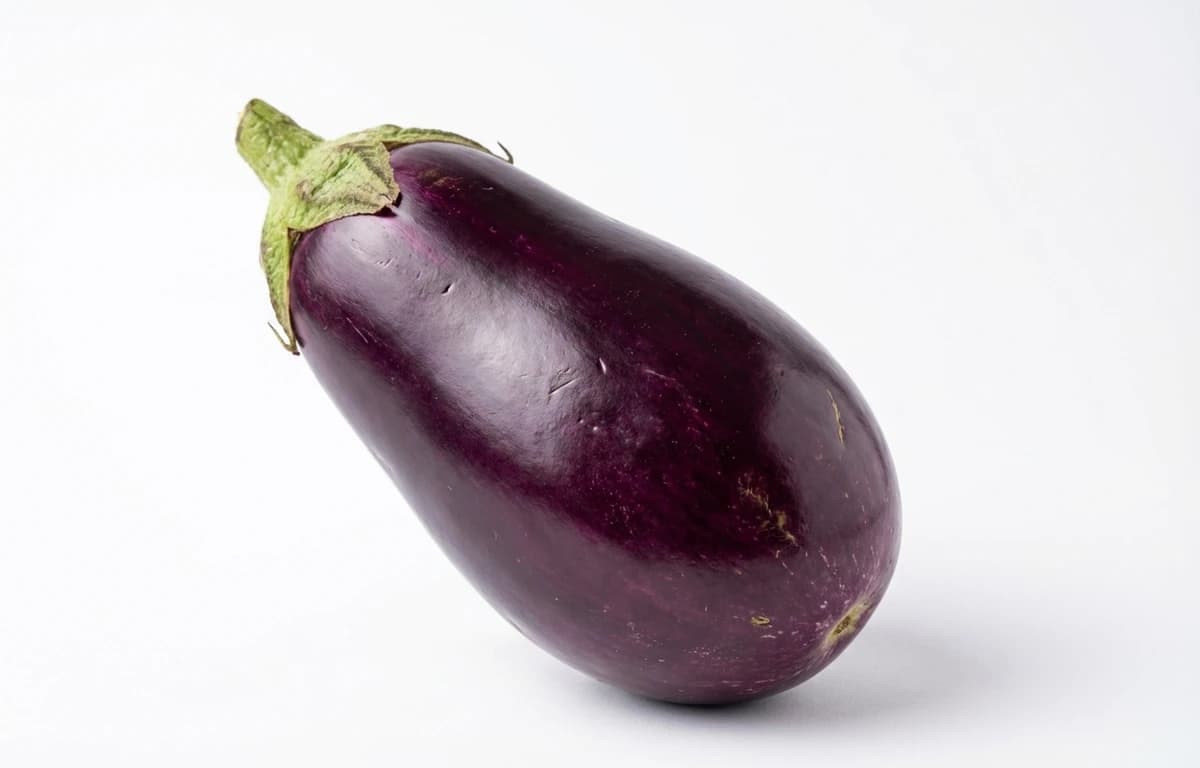
Select kathirikai that is firm, glossy, and heavy for its size, with smooth skin and a fresh green stem. Avoid those with soft spots, wrinkles, or blemishes. Store it in a cool, dry place or in the refrigerator's crisper drawer for up to a week.
While rare, some individuals may experience allergic reactions to kathirikai, such as skin rashes or digestive upset. It also contains small amounts of oxalates, which can be a concern for people prone to kidney stones, though typically not in moderate consumption.