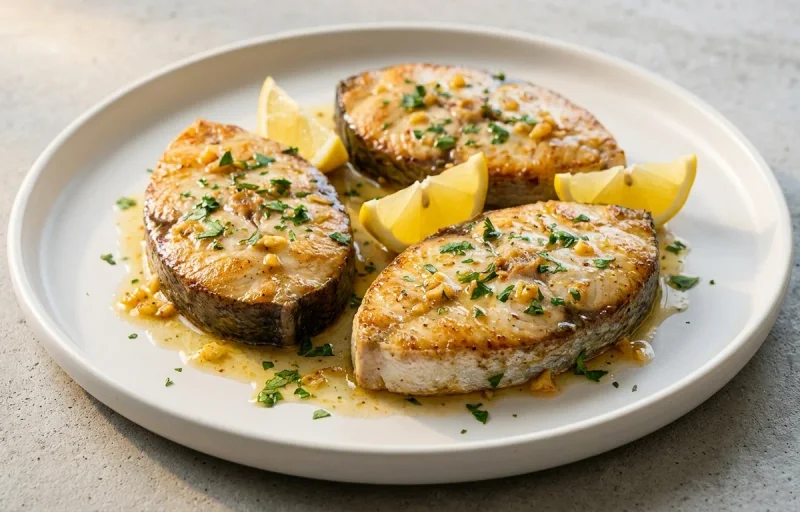
Protein10 recipes
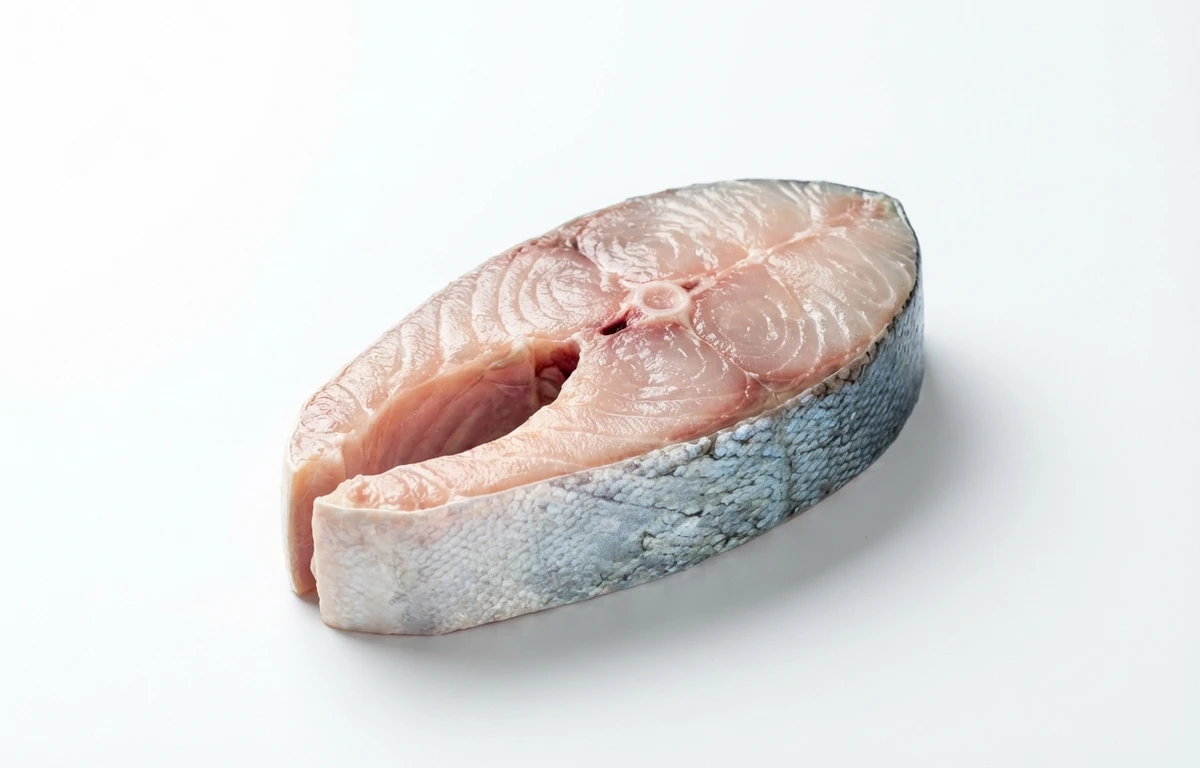
kingfish.
VegetarianVeganGluten-freeDairy-freeNut-freePeanut-freeSoy-freeEgg-freeShellfish-freeHoney-freeAlcohol-free
ALSO KNOWN AS
surmaivanjaramking mackerelindo-pacific king mackerelseer fishviswanneymeen
SERVING
CALORIES
105
PROTEIN
20.3g
CARBS
0g
FAT
2.6g
FIBER
0g
NUTRITION PROFILE · per 100 g
Everything in this ingredient.
MACRONUTRIENTS
Calories105kcal—
Protein20.3g41%
Carbohydrates0g0%
Fiber0g0%
Sugar0g0%
Total fat2.6g3%
Saturated fat0.70g3%
Trans fat0g—
Cholesterol54mg18%
Water76g—
MINERALS
Sodium95mg4%
Potassium446mg9%
Calcium15mg1%
Iron0.50mg3%
Magnesium33mg8%
Phosphorus220mg18%
Zinc0.60mg5%
Copper0.05mg6%
Manganese0.01mg0%
Selenium36.5µg66%
VITAMINS
Vitamin A35µg4%
Vitamin C0mg0%
Vitamin D11.3µg57%
Vitamin E0.70mg5%
Vitamin K0.10µg0%
Thiamin (B1)0.15mg13%
Riboflavin (B2)0.18mg14%
Niacin (B3)6.5mg41%
Pantothenic acid (B5)0.75mg15%
Vitamin B60.45mg26%
Folate (B9)2.0µg1%
Vitamin B122.4µg100%
%DV based on a 2,000 cal diet. Source: USDA FoodData Central. A dash in the %DV column means there’s no established Daily Value for that nutrient.
MEASUREMENT CONVERSIONS
How much is what.
1 cup225g
1 tablespoon15g
1 teaspoon5g
1 oz28.4g
1 lb453.6g
1 ml1g
1 liter1000g
1 piece170g
HEALTH BENEFITS
Why eat it.
- ✓Excellent source of high-quality lean protein
- ✓Rich in Omega-3 fatty acids for heart health
- ✓High in Vitamin B12 for nerve function
- ✓Contains Selenium which acts as a powerful antioxidant
- ✓Good source of Vitamin D for bone health
COOKING TIPS
In the kitchen.
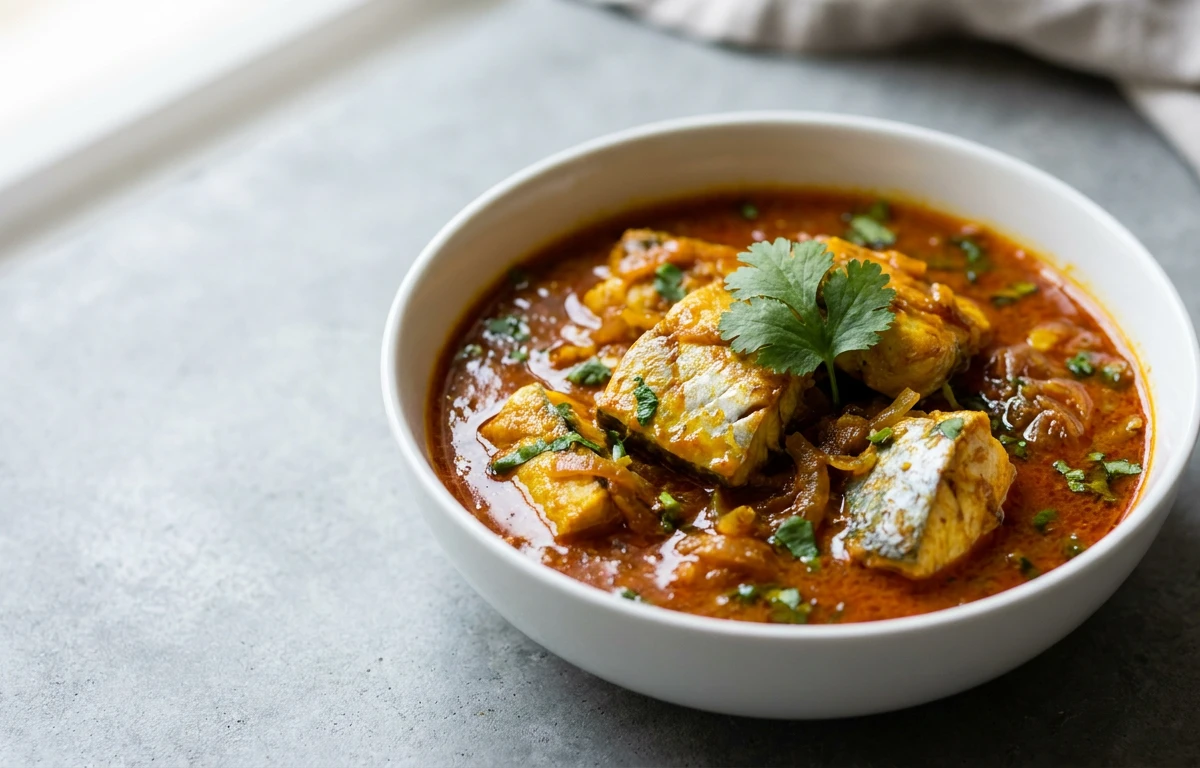
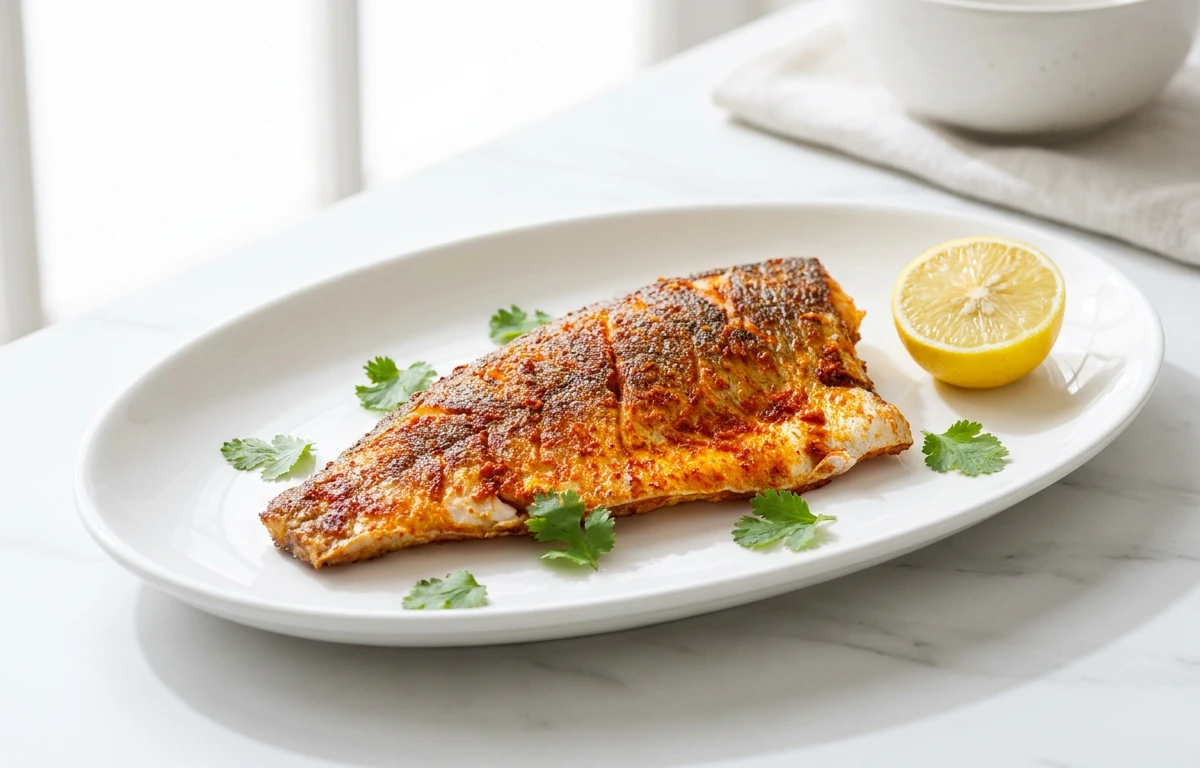
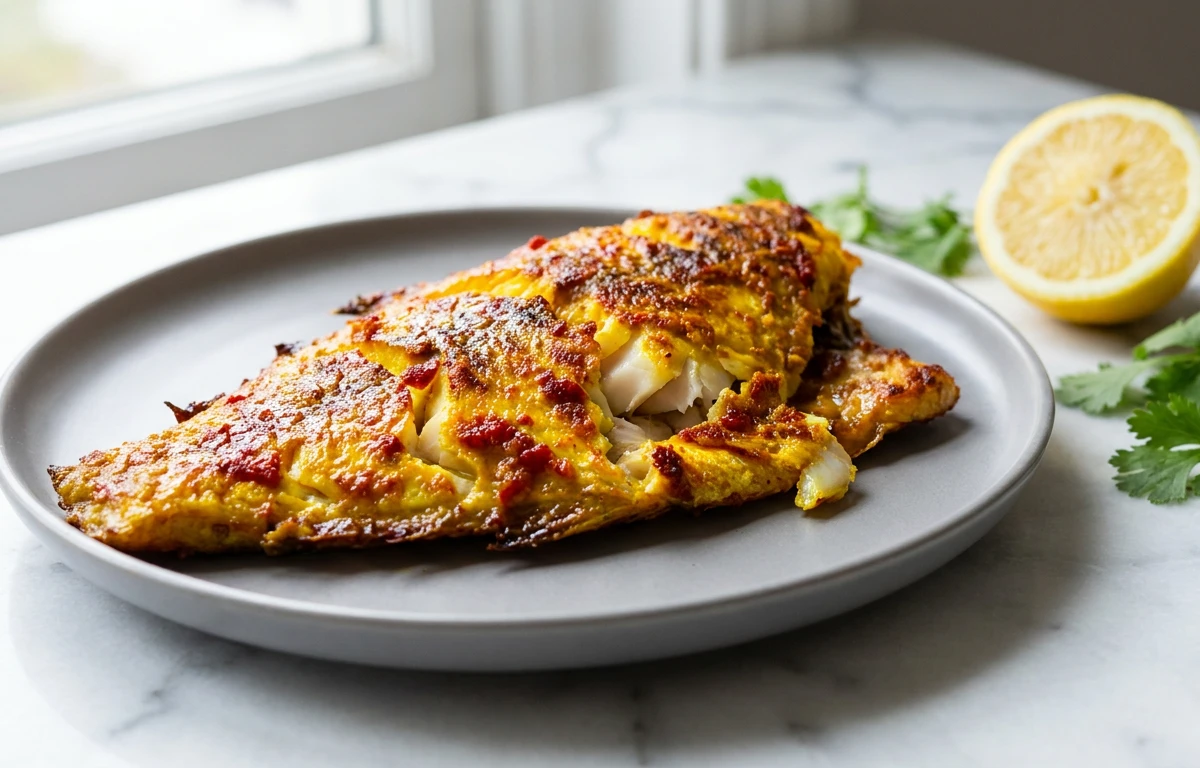
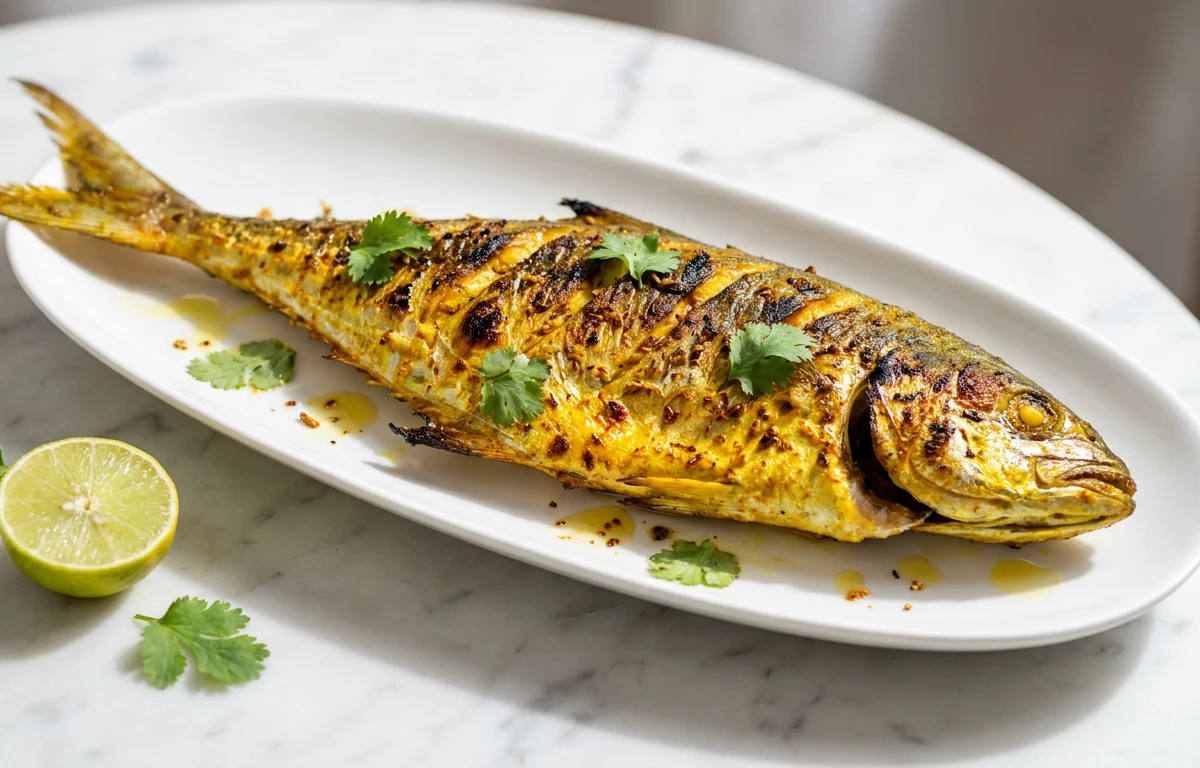
- 1Kingfish is firm and holds up well to grilling, pan-searing, or curries
- 2Avoid overcooking as the lean flesh can become dry quickly
- 3Marinate with acidic ingredients like lemon or tamarind to enhance flavor and tenderize
STORAGE
Keep it fresh.
- Store in the coldest part of the refrigerator for 1-2 days maximum
- For longer storage, wrap tightly in plastic wrap and freeze for up to 3 months
- Keep raw fish separate from other foods to prevent cross-contamination
FAQ
Frequently asked questions.
How long does raw kingfish last in the fridge?
Raw kingfish should be consumed within 1 to 2 days of purchase if kept in the refrigerator at or below 40°F (4°C).
Can kingfish be frozen?
Yes, kingfish freezes well. Wrap it tightly in moisture-proof plastic wrap or vacuum seal it to prevent freezer burn; it lasts about 3 months.
How can I tell if kingfish is fresh?
Look for firm, translucent flesh that springs back when pressed. It should have a mild sea scent, not a strong 'fishy' odor.
What is a good substitute for kingfish?
Spanish mackerel, Wahoo, or even firm Tuna steaks are excellent substitutes due to their similar texture and oil content.
Is kingfish high in mercury?
Kingfish (especially King Mackerel) can contain high levels of mercury. It is recommended to consume it in moderation, particularly for pregnant women and children.
What are the best cooking methods for kingfish?
Grilling, pan-frying, and baking are ideal. It is also a prized fish for South Asian curries because it doesn't flake apart easily.
Do I need to remove the skin before cooking?
It is optional. The skin is edible but can be tough; many prefer to leave it on during cooking to hold the flesh together and remove it before eating.
Is kingfish a fatty fish?
It is considered a moderately oily fish, providing beneficial Omega-3s, but it is leaner than salmon or sardines.
RECIPES
Cook with kingfish.
10 recipes · sorted by what’s quick