koldil
Also known as:
Loading...
Also known as:
Per 100g
Nutrition data source: USDA FoodData Central
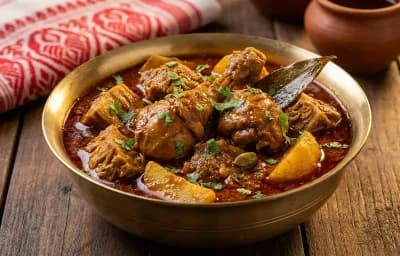
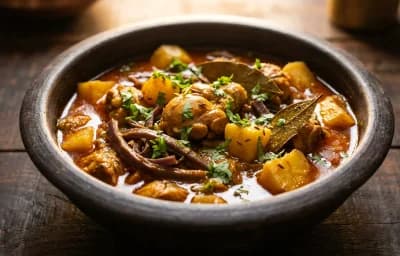
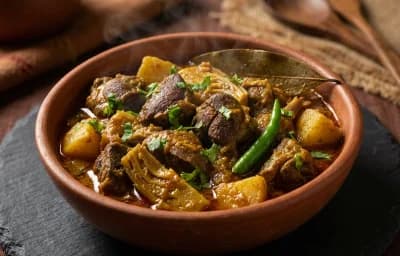
A rare Bengali delicacy where tender chicken is slow-cooked with earthy banana blossoms in a fragrant, spicy gravy. This traditional recipe brings a unique texture and flavor to the classic chicken curry.
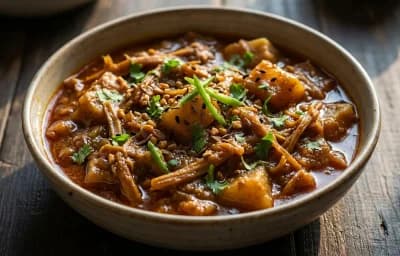
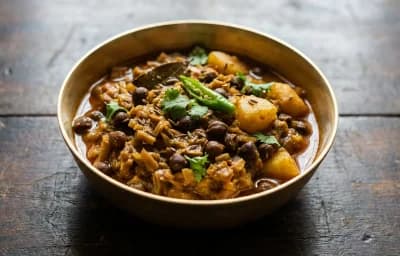
Koldil Khar is a quintessential Assamese dish, celebrated for its unique earthy and savory flavor profile. This traditional delicacy features tender banana flower (koldil) and black gram lentils (matimah) cooked in an alkaline solution called 'khar', which lends the dish its distinctive taste and digestive properties. Served as the first course in a classic Assamese meal, it's a comforting and nutritious dish best enjoyed with steamed rice.
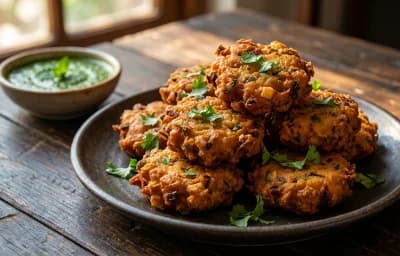
Crispy, savory fritters made from tender banana flower and chickpea flour. This traditional Assamese snack, known as Koldil'or Bor, is a delightful tea-time treat with a unique texture and earthy flavor.
Yes, koldil is a very healthy vegetable. It's rich in dietary fiber, antioxidants like flavonoids and phenolic acids, and essential minerals such as potassium, magnesium, and iron. These nutrients support digestion, combat cellular damage, and contribute to overall well-being.
Koldil is low in calories (51 cal per 100g) and fat (0.6g), while providing a good amount of carbohydrates (9.9g) and some protein (1.6g). Its high fiber content aids digestion and promotes satiety, and it's a source of antioxidants and vital minerals beneficial for various bodily functions.
Yes, koldil can be beneficial for weight loss. It's low in calories and fat, and its high dietary fiber content helps you feel full longer, which can reduce overall calorie intake. Incorporating it into a balanced diet can support weight management goals.
Yes, as a vegetable, koldil is naturally vegan and gluten-free. It is a suitable ingredient for individuals following plant-based diets or those with gluten sensitivities or celiac disease.
Yes, koldil can be a good addition to a diabetic diet. Its high fiber content can help manage blood sugar levels by slowing down glucose absorption. Traditionally, it has even been used in some cultures to help manage blood sugar levels.
With 9.9g of carbohydrates per 100g, koldil is not considered very low-carb for strict ketogenic diets. While it's lower in carbs than some starchy vegetables, it would need to be consumed in moderation if you are strictly tracking net carbs for keto.
Koldil can be prepared in various ways. It can be boiled, steamed, stir-fried, or added to curries and stews. Its texture holds up well to cooking, making it versatile for many dishes.
koldil is a versatile ingredient found in cuisines around the world. With 51 calories per 100g and 1.6 grams of protein, it's a nutritious addition to many dishes.
Explore more ingredients in the vegetable category with complete nutrition information.
View all vegetable →Koldil typically has a mild, slightly earthy, and subtly sweet flavor. Its taste is generally not overpowering, allowing it to blend well with other ingredients in a dish.
Fresh koldil should be stored in the refrigerator, preferably in a perforated plastic bag or a crisper drawer, to maintain its freshness. It can typically last for about 5-7 days when stored properly.
While some vegetables are commonly eaten raw, koldil is generally consumed cooked. Cooking helps to soften its texture and enhance its digestibility, making it more palatable for most people.