Protein4 recipes
lamb.
VegetarianVeganGluten-freeDairy-freeNut-freePeanut-freeSoy-freeEgg-freeShellfish-freeHoney-freeAlcohol-free
ALSO KNOWN AS
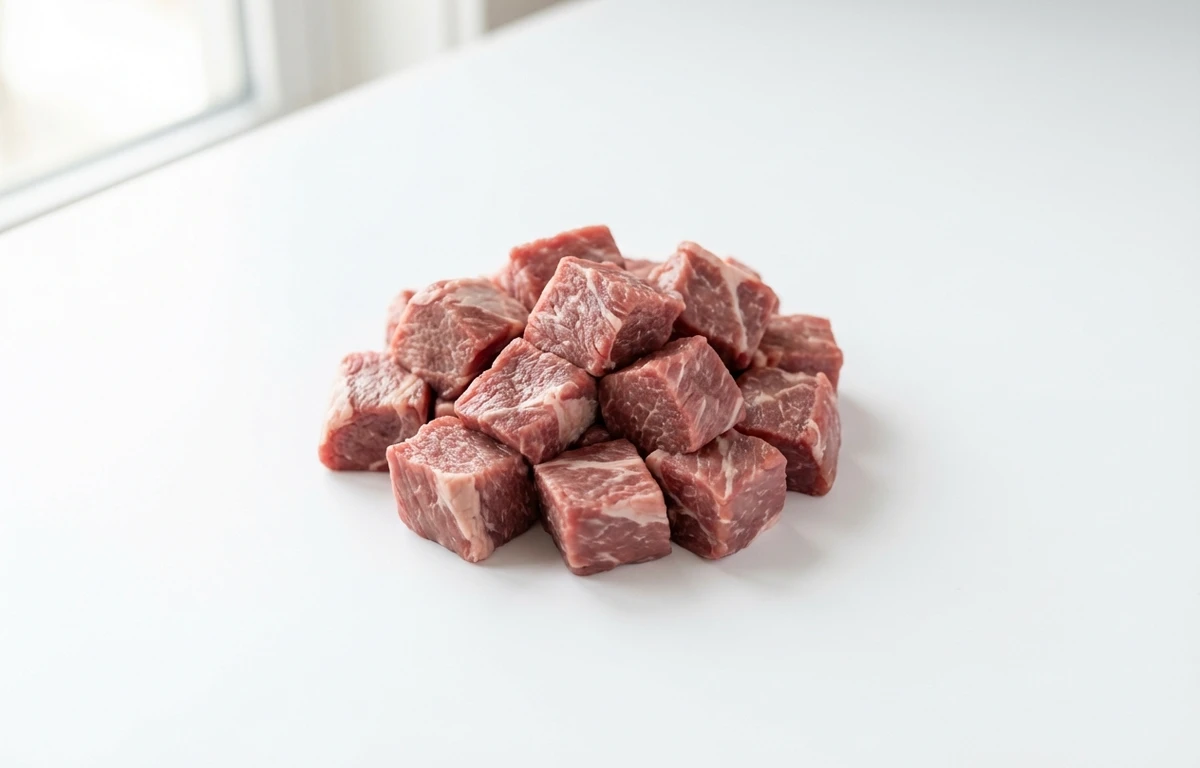
lambraw australian lamb leg bottomraw fore-shank lamb
SERVING
CALORIES
282
PROTEIN
16.5g
CARBS
0g
FAT
23.4g
FIBER
0g
NUTRITION PROFILE · per 100 g
Everything in this ingredient.
MACRONUTRIENTS
Calories282kcal—
Protein16.5g33%
Carbohydrates0g0%
Fiber0g0%
Sugar0g0%
Total fat23.4g30%
Saturated fat10.1g51%
Trans fat1.1g—
Cholesterol73mg24%
Water59.4g—
MINERALS
Sodium72mg3%
Potassium310mg7%
Calcium13mg1%
Iron1.9mg11%
Magnesium23mg5%
Phosphorus190mg15%
Zinc4.5mg41%
Copper0.10mg11%
Manganese0.02mg1%
Selenium21.8µg40%
VITAMINS
Vitamin A0µg0%
Vitamin C0mg0%
Vitamin D0.10µg1%
Vitamin E0.20mg1%
Vitamin K3.6µg3%
Thiamin (B1)0.11mg9%
Riboflavin (B2)0.21mg16%
Niacin (B3)6.0mg38%
Pantothenic acid (B5)0.65mg13%
Vitamin B60.13mg8%
Folate (B9)3.0µg1%
Vitamin B122.3µg96%
%DV based on a 2,000 cal diet. Source: USDA FoodData Central. A dash in the %DV column means there’s no established Daily Value for that nutrient.
MEASUREMENT CONVERSIONS
How much is what.
1 cup150g
1 oz28.4g
1 lb453.6g
1 piece120g
HEALTH BENEFITS
Why eat it.
- ✓Excellent source of high-quality complete protein
- ✓Rich in Vitamin B12 for nervous system health
- ✓High Zinc content supports immune function
- ✓Contains bioavailable Heme Iron to prevent anemia
- ✓Source of CLA (Conjugated Linoleic Acid) which may support metabolic health
COOKING TIPS
In the kitchen.
- 1Bring lamb to room temperature for 20-30 minutes before cooking for even heat distribution
- 2Always allow the meat to rest for 5-10 minutes after cooking to redistribute juices
- 3Use dry heat methods like roasting or grilling for tender cuts, and moist heat like braising for tougher cuts
STORAGE
Keep it fresh.
- Store in the coldest part of the refrigerator at or below 4°C (40°F)
- Keep raw lamb in its original packaging or a sealed container to prevent cross-contamination
- Freeze in airtight heavy-duty foil or freezer bags if not using within 3-5 days
FAQ
Frequently asked questions.
How long does raw lamb last in the refrigerator?
Raw lamb typically lasts 3 to 5 days in the refrigerator when stored properly at or below 40°F (4°C).
Can lamb be frozen for long-term storage?
Yes, lamb can be frozen for 6 to 9 months for best quality, though it remains safe to eat indefinitely if kept constantly frozen at 0°F (-18°C).
What is the best way to select high-quality lamb?
Look for meat that is fine-textured and firm, with a pinkish-red color and white (not yellow) fat marbling.
What are the best substitutes for lamb in recipes?
Beef is the most common substitute, though goat meat (chevon) or venison provide a closer flavor profile due to their gaminess.
What is the safe internal cooking temperature for lamb?
The USDA recommends an internal temperature of 145°F (63°C) followed by a 3-minute rest for roasts and chops, and 160°F (71°C) for ground lamb.
Does lamb need to be washed before cooking?
No, washing raw meat can spread bacteria to your sink and surfaces; cooking to the proper temperature is the only way to kill bacteria.
Is lamb considered a red meat?
Yes, lamb is classified as a red meat because it contains more myoglobin than chicken or fish.
What are common flavor pairings for lamb?
Lamb pairs exceptionally well with garlic, rosemary, thyme, mint, cumin, and lemon.
RECIPES
Cook with lamb.
4 recipes · sorted by what’s quick