Grain
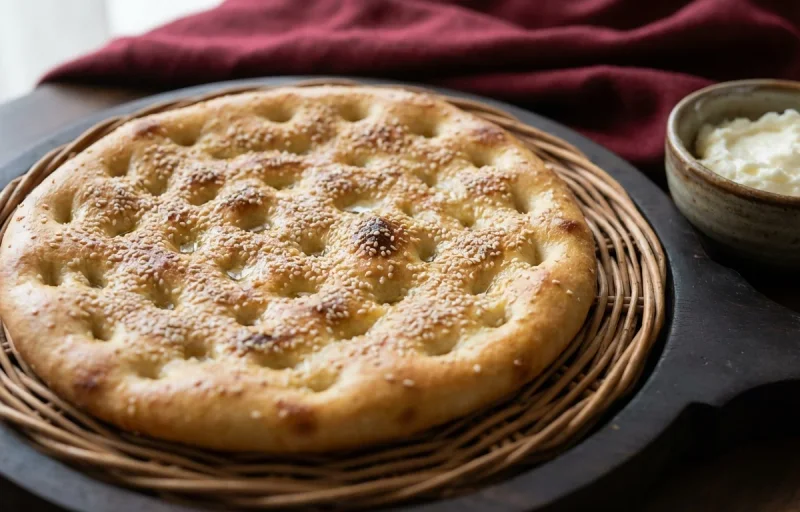
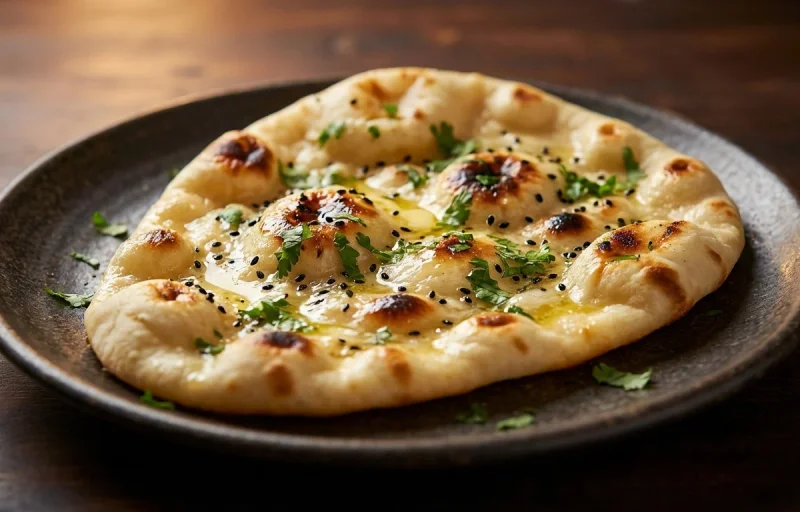
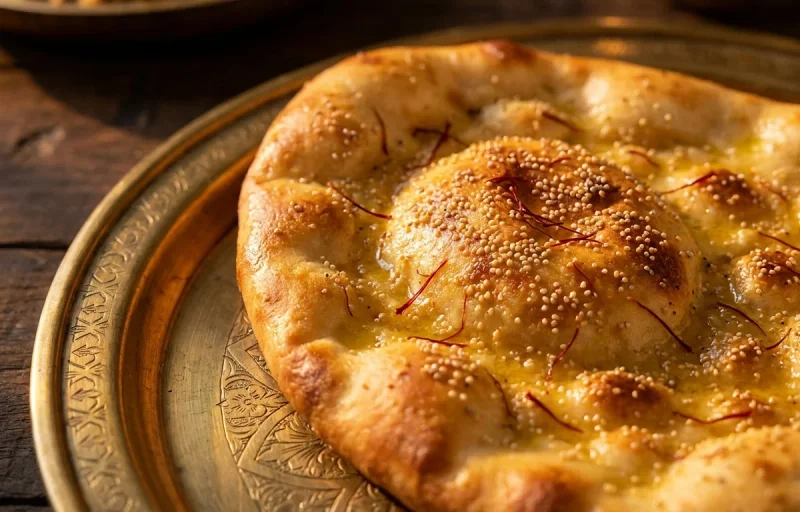
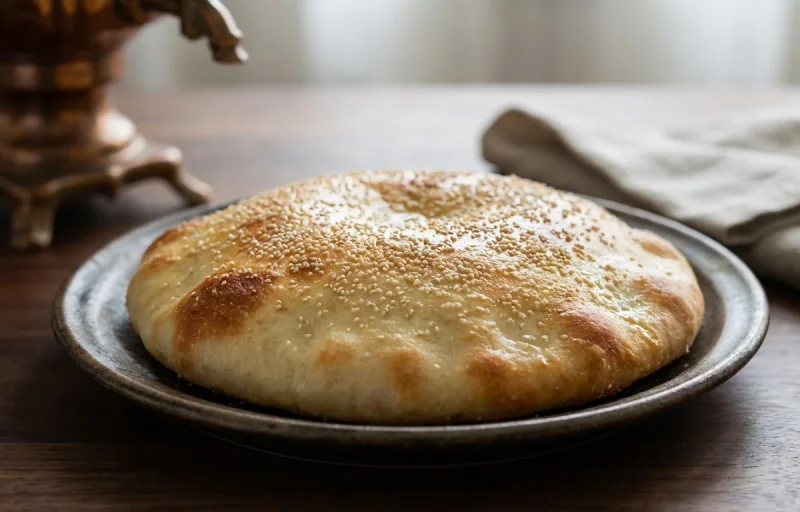
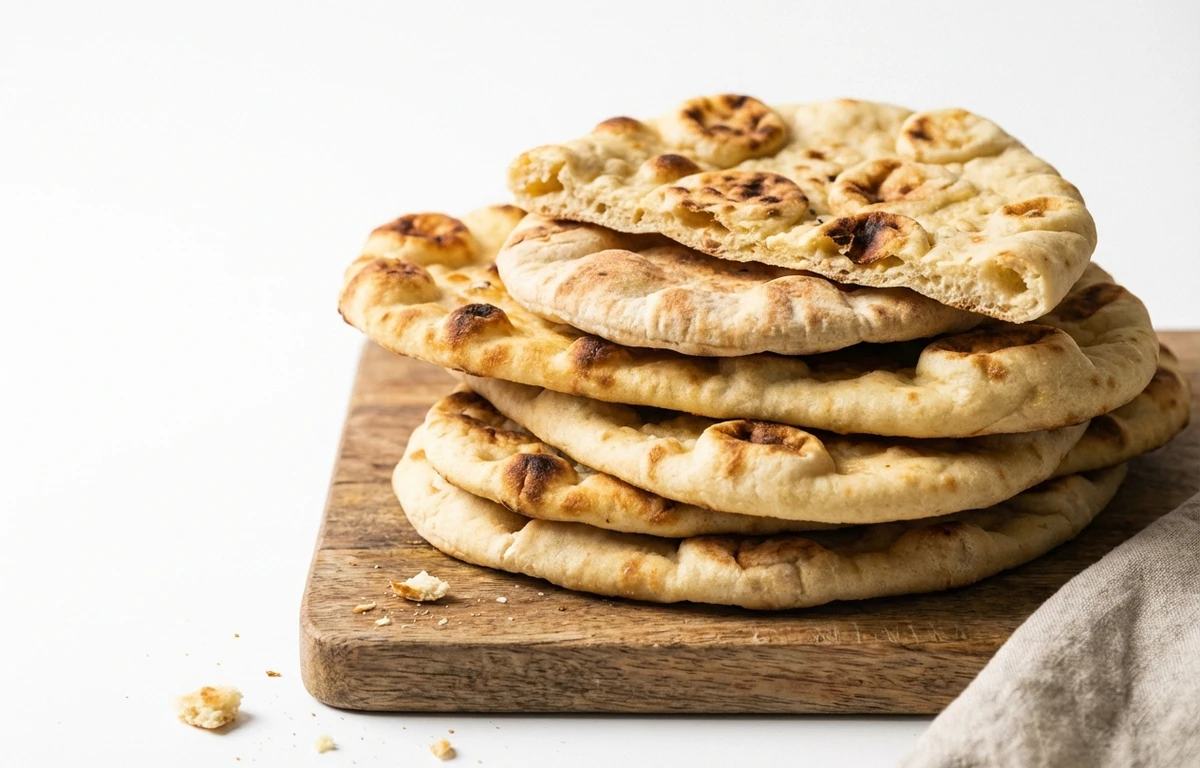
leavened flatbread.
VegetarianVeganGluten-freeDairy-freeNut-freePeanut-freeSoy-freeEgg-freeShellfish-freeHoney-freeAlcohol-freeFermented
SERVING
CALORIES
275
PROTEIN
8.5g
CARBS
52g
FAT
3.5g
FIBER
2.2g
NUTRITION PROFILE · per 100 g
Everything in this ingredient.
MACRONUTRIENTS
Calories275kcal—
Protein8.5g17%
Carbohydrates52g19%
Fiber2.2g8%
Sugar2.5g5%
Total fat3.5g4%
Saturated fat0.80g4%
Trans fat0g—
Cholesterol5.0mg2%
Water32g—
MINERALS
Sodium520mg23%
Potassium120mg3%
Calcium60mg5%
Iron2.5mg14%
Magnesium25mg6%
Phosphorus110mg9%
Zinc0.80mg7%
Copper0.10mg11%
Manganese0.40mg17%
Selenium25µg45%
VITAMINS
Vitamin A2.0µg0%
Vitamin C0mg0%
Vitamin D0µg0%
Vitamin E0.30mg2%
Vitamin K0.50µg0%
Thiamin (B1)0.40mg33%
Riboflavin (B2)0.20mg15%
Niacin (B3)3.5mg22%
Pantothenic acid (B5)0.30mg6%
Vitamin B60.10mg6%
Folate (B9)80µg20%
Vitamin B120.10µg4%
%DV based on a 2,000 cal diet. Source: USDA FoodData Central. A dash in the %DV column means there’s no established Daily Value for that nutrient.
MEASUREMENT CONVERSIONS
How much is what.
1 cup50g
1 oz28.4g
1 lb453.6g
1 piece80g
HEALTH BENEFITS
Why eat it.
- ✓Provides quick energy through complex carbohydrates
- ✓Contains B-vitamins essential for metabolism
- ✓Provides essential minerals like iron and selenium
- ✓Easier to digest than some whole grain breads due to fermentation
- ✓Good source of dietary manganese
COOKING TIPS
In the kitchen.
- 1Reheat on a hot skillet for 30 seconds per side to restore softness
- 2Sprinkle a few drops of water on the bread before microwaving to prevent toughness
- 3Brush with a small amount of butter or oil after heating for better flavor and texture
STORAGE
Keep it fresh.
- Store in an airtight container at room temperature for 2-3 days
- Freeze in a sealed bag with parchment paper between layers for up to 3 months
- Avoid refrigeration as it can cause the bread to go stale faster
FAQ
Frequently asked questions.
How long does leavened flatbread last?
At room temperature, it typically lasts 2-3 days if kept in an airtight bag. For longer storage, it is best to freeze it.
Can I freeze leavened flatbread?
Yes, it freezes very well. Wrap it tightly in plastic wrap or place in a freezer bag. It can last up to 3 months in the freezer.
Is leavened flatbread vegan?
Not always. Many traditional leavened flatbreads use yogurt, milk, or butter in the dough. Always check the specific ingredients list.
What is the best way to reheat it?
The best way is on a preheated skillet or tawa over medium heat for about 30-60 seconds per side until warm and pliable.
Does leavened flatbread contain gluten?
Yes, most leavened flatbreads are made from wheat flour and contain gluten.
What can I use as a substitute?
You can use unleavened flatbreads (like tortillas or rotis), pita bread, or even thick slices of regular white bread depending on the dish.
How do I know if the bread has gone bad?
Look for signs of mold, a sour or off smell, or if the texture has become excessively hard or slimy.
Why is my flatbread hard after reheating?
Overheating, especially in a microwave, removes moisture. Try reheating for a shorter time or using a damp paper towel to retain moisture.
RECIPES
Cook with leavened flatbread.
0 recipes · sorted by what’s quick
-naan.webp)