
Other10 recipes
lotus stem.
VegetarianVeganGluten-freeDairy-freeNut-freePeanut-freeSoy-freeEgg-freeShellfish-freeHoney-freeAlcohol-free
ALSO KNOWN AS
bheekamal kakdilotus root vegetablelotus stemlotus rootkamal kakribhenbheinकमल ककड़ीnadir
SERVING
CALORIES
74
PROTEIN
2.6g
CARBS
17.2g
FAT
0.10g
FIBER
4.9g
This ingredient is flagged as naturally gluten-free. Per 100 g, it provides 0 µg of vitamin K.
NUTRITION PROFILE · per 100 g
Everything in this ingredient.
MACRONUTRIENTS
Calories74kcal—
Protein2.6g5%
Carbohydrates17.2g6%
Fiber4.9g18%
Sugar0.50g1%
Total fat0.10g0%
Saturated fat0.03g0%
Trans fat0g—
Cholesterol0mg0%
Water79.1g—
MINERALS
Sodium40mg2%
Potassium556mg12%
Calcium45mg3%
Iron1.2mg6%
Magnesium23mg5%
Phosphorus100mg8%
Zinc0.39mg4%
Copper0.25mg28%
Manganese0.26mg11%
Selenium0.70µg1%
VITAMINS
Vitamin A0µg0%
Vitamin C44mg49%
Vitamin D0µg0%
Vitamin E0mg0%
Vitamin K0µg0%
Thiamin (B1)0.13mg11%
Riboflavin (B2)0.22mg17%
Niacin (B3)0.40mg3%
Pantothenic acid (B5)0.30mg6%
Vitamin B60.26mg15%
Folate (B9)13µg3%
Vitamin B120µg0%
%DV based on a 2,000 cal diet. Source: USDA FoodData Central. A dash in the %DV column means there’s no established Daily Value for that nutrient.
HEALTH BENEFITS
Why eat it.
- ✓Contains essential minerals like potassium for blood pressure regulation, and copper, which is vital for energy production and iron metabolism.
COOKING TIPS
In the kitchen.
- 1Peel the tough, brownish outer skin with a vegetable peeler before slicing and cooking.
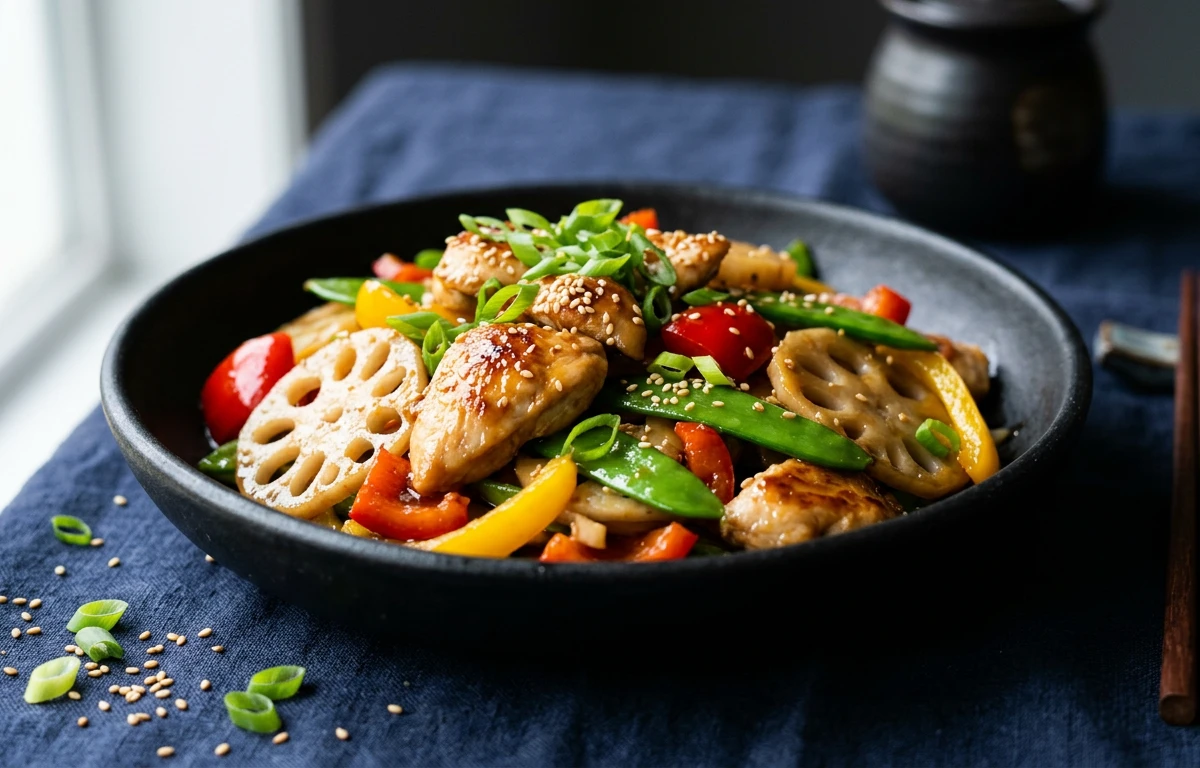
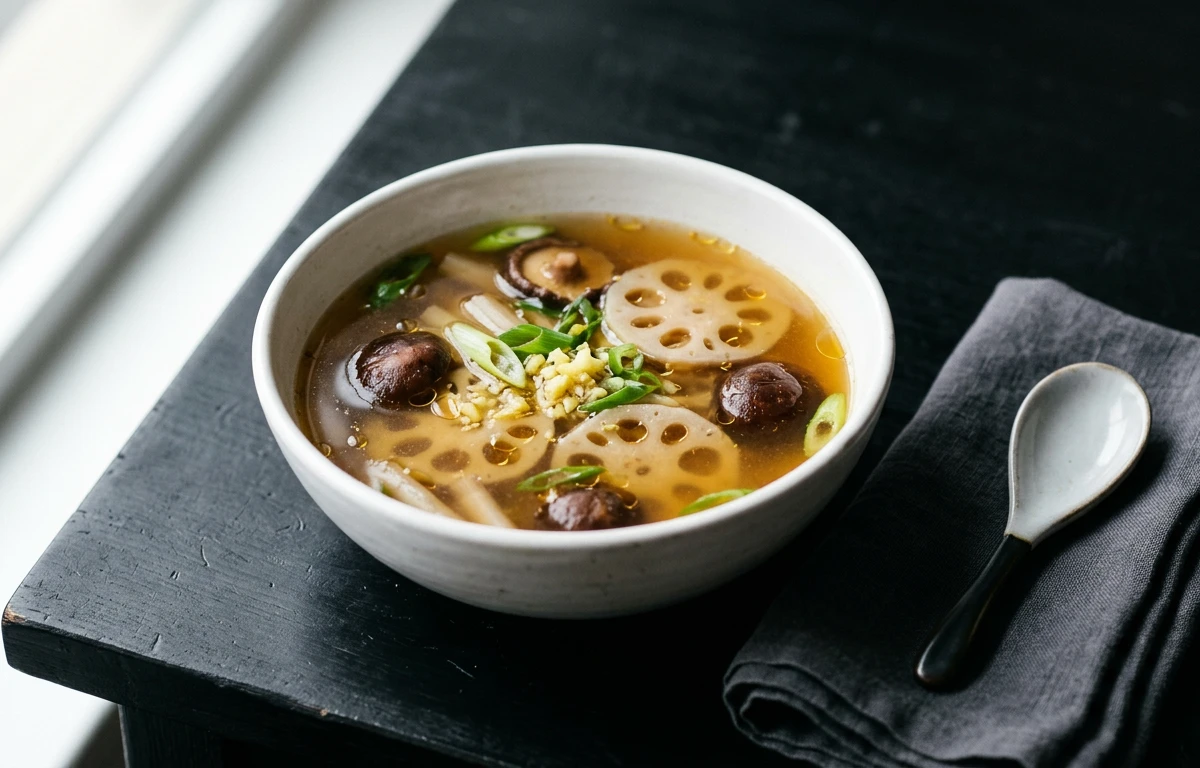
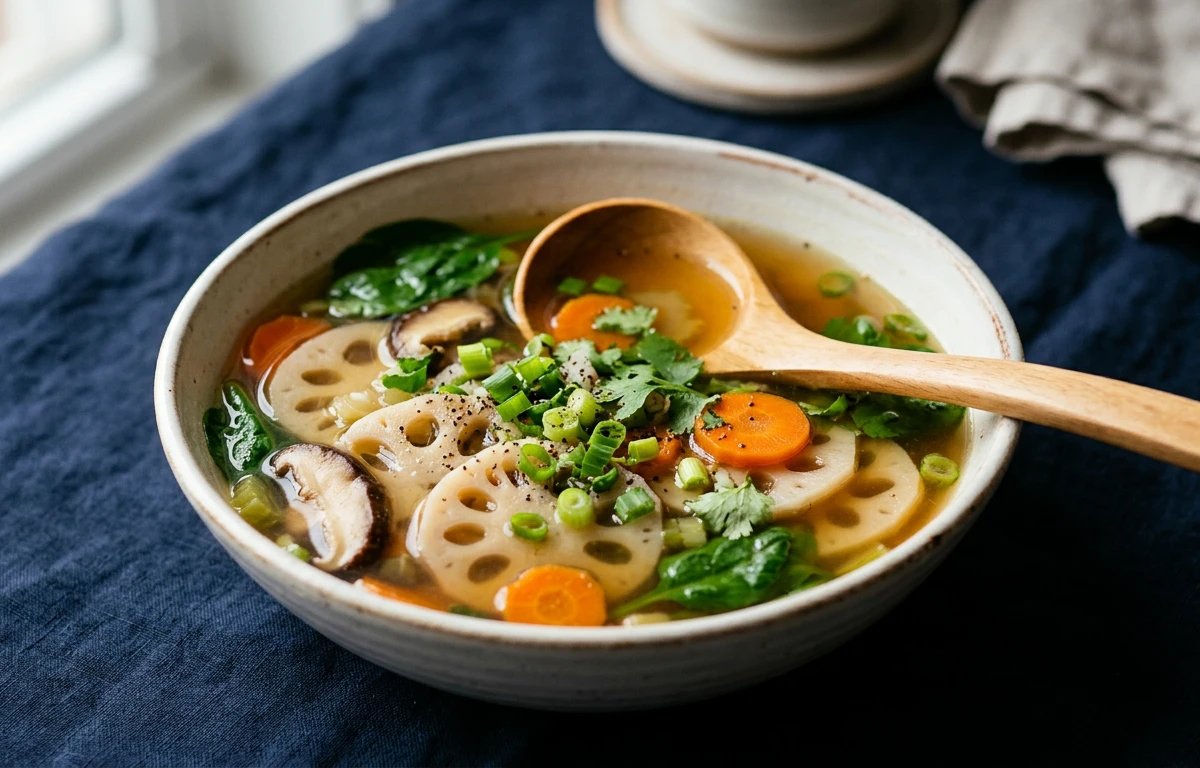
- 2To maintain a crisp, crunchy texture, use it in stir-fries or salads by blanching it briefly. For a softer, starchier texture, add it to soups, stews, or braises.
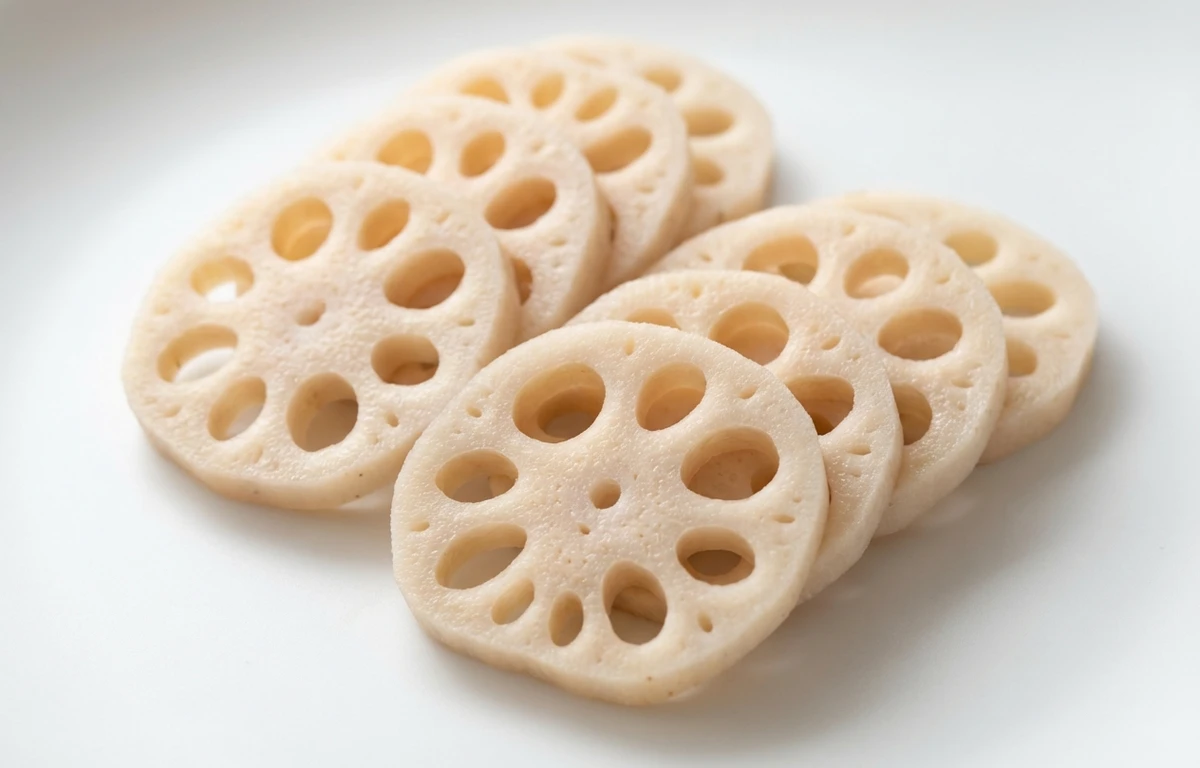
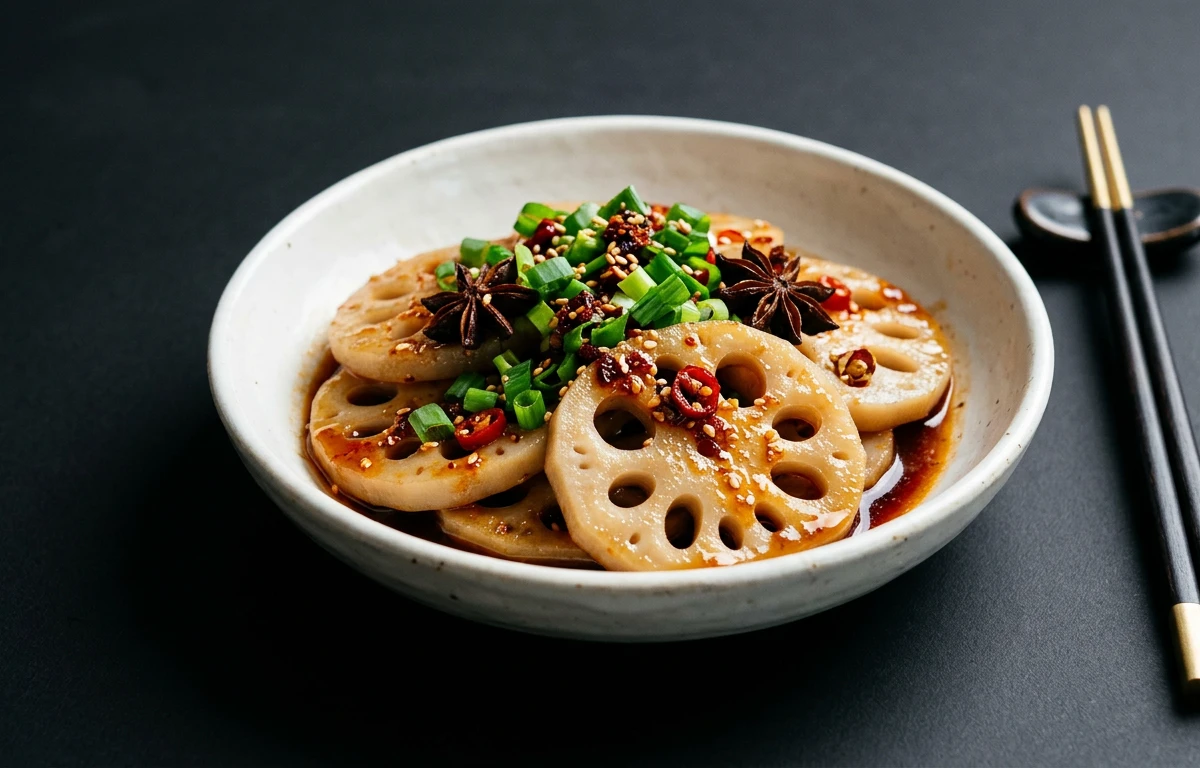
- 3The hollow air channels create a beautiful, lace-like pattern when sliced crosswise, adding visual appeal to dishes.
- 4Lotus stem has a mild, slightly sweet flavor and readily absorbs the flavors of sauces and spices it is cooked with.
STORAGE
Keep it fresh.
- Store fresh, unpeeled lotus stem in the refrigerator's crisper drawer, wrapped in a damp paper towel inside a plastic bag, for up to two weeks.
- Once peeled and sliced, submerge it in a bowl of acidulated water (water with lemon juice or vinegar) and refrigerate to prevent browning for up to 5 days, changing the water daily.
FAQ
Frequently asked questions.
Is lotus stem healthy?
Yes, lotus stem is very healthy. It's rich in dietary fiber, which supports digestion and gut health, and is an excellent source of Vitamin C, boosting immunity and skin health. It also provides essential minerals like potassium and copper, all while being low in calories and fat.
What are the main nutritional benefits of lotus stem?
Lotus stem is notably high in dietary fiber, aiding digestive health. Per 100g, it contains approximately 74 calories, 2.6g protein, 17.2g carbohydrates, and only 0.1g fat. It's also a good source of Vitamin C, potassium, and copper.
Is lotus stem suitable for a vegan or vegetarian diet?
Yes, lotus stem is a vegetable and is naturally suitable for both vegan and vegetarian diets. It is a plant-based ingredient that can be incorporated into a wide variety of dishes, offering a unique texture and mild flavor.
Is lotus stem gluten-free?
Yes, fresh lotus stem is naturally gluten-free. It is a root vegetable and does not contain any gluten-containing grains or ingredients. However, always check ingredient labels if purchasing processed lotus stem products to ensure no gluten-containing additives have been used.
How do you prepare and cook lotus stem?
To prepare, peel the outer skin of the lotus stem and slice it into desired shapes, often rounds or half-moons. Rinse thoroughly to remove any dirt from the holes. It can be boiled, stir-fried, deep-fried, or added to curries, soups, and stews.
What does lotus stem taste like and what is its texture?
Lotus stem has a mild, slightly sweet, and earthy flavor, often described as subtly nutty. Its most distinctive feature is its crunchy texture, which remains even after cooking, making it a popular addition for textural contrast in dishes.
Can lotus stem be eaten raw?
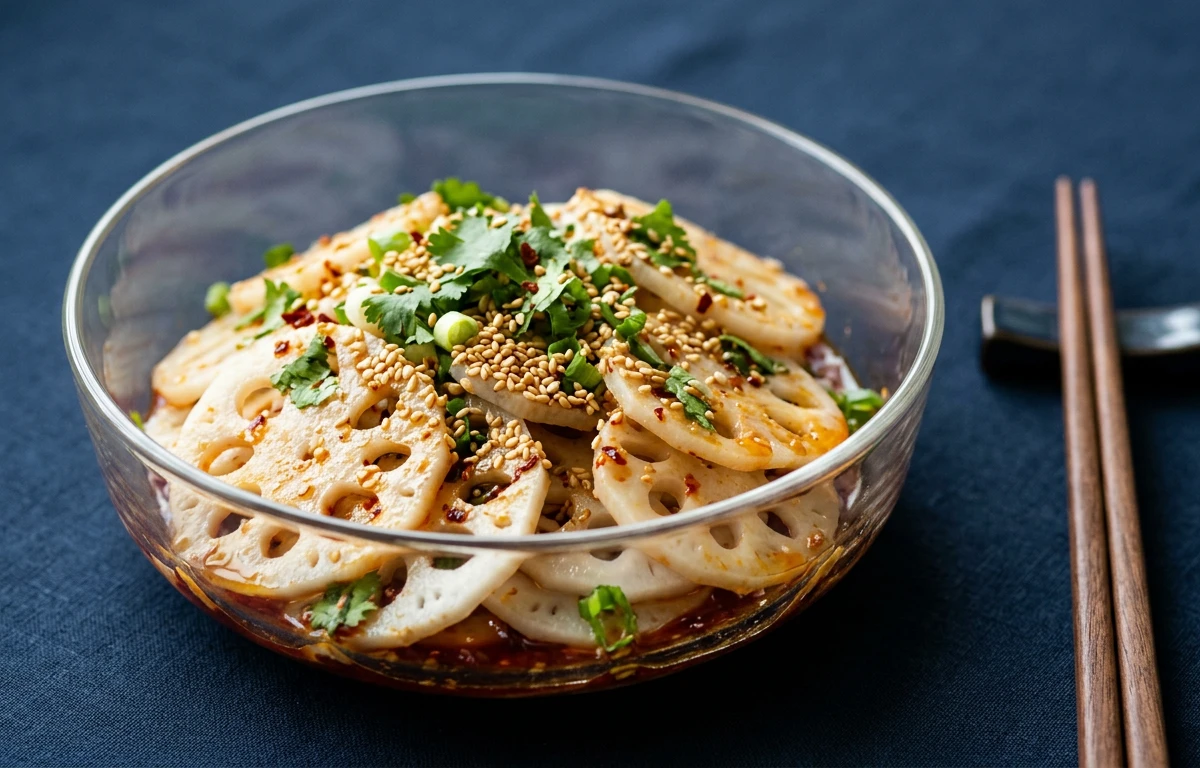
While some Asian cuisines use thinly sliced raw lotus stem in salads, it is generally recommended to cook it. Cooking helps to soften its texture slightly and can reduce the presence of any potential contaminants, making it safer and more palatable for most.
RECIPES
Cook with lotus stem.
10 recipes · sorted by what’s quick

RELATED GUIDES



















