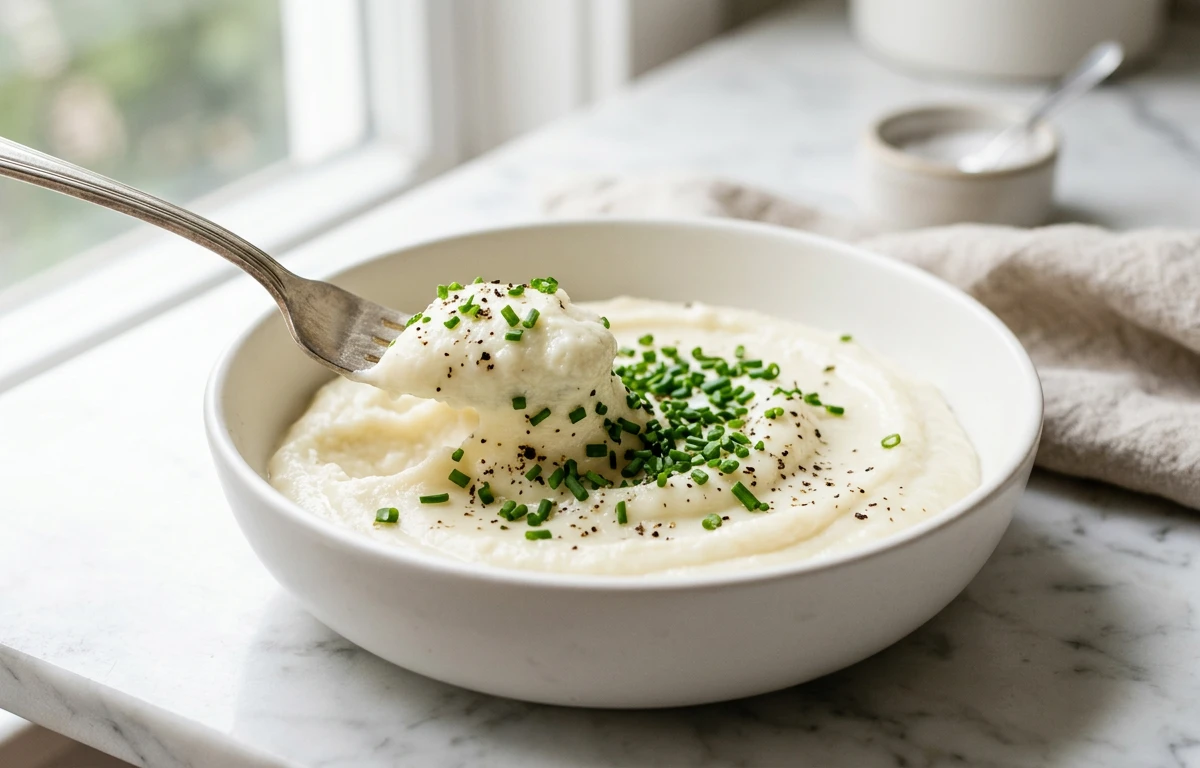
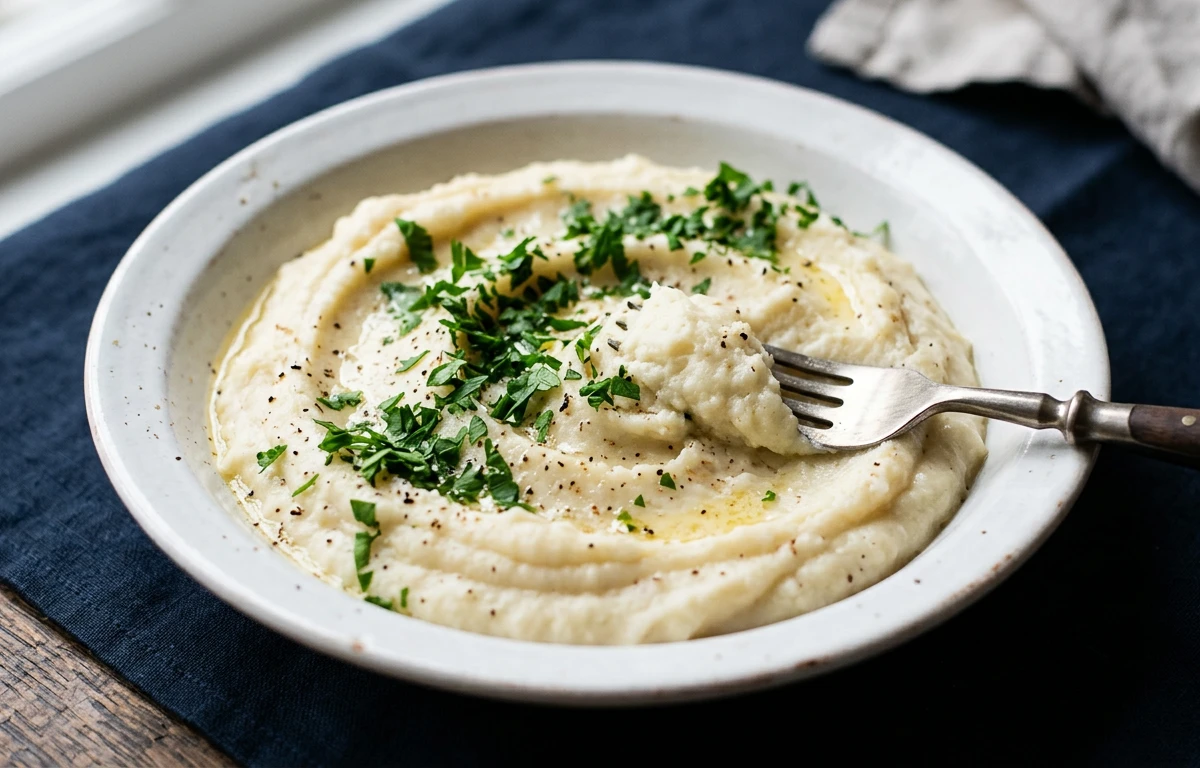
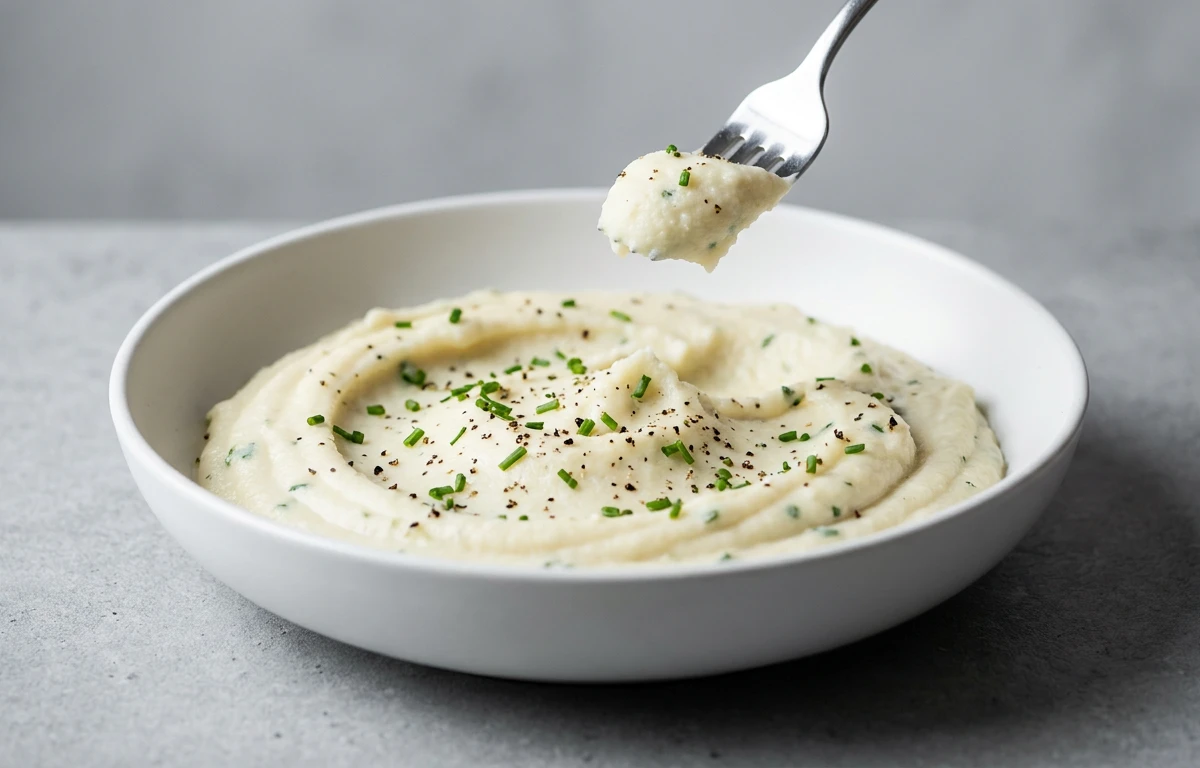
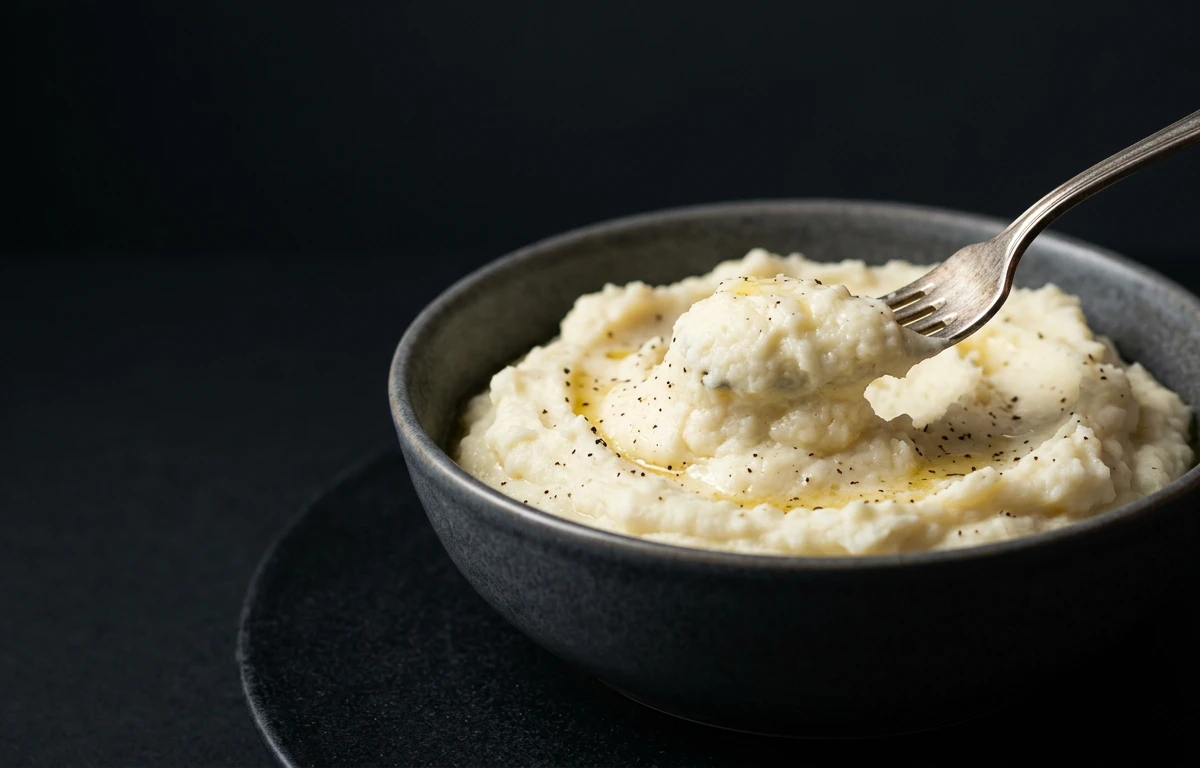
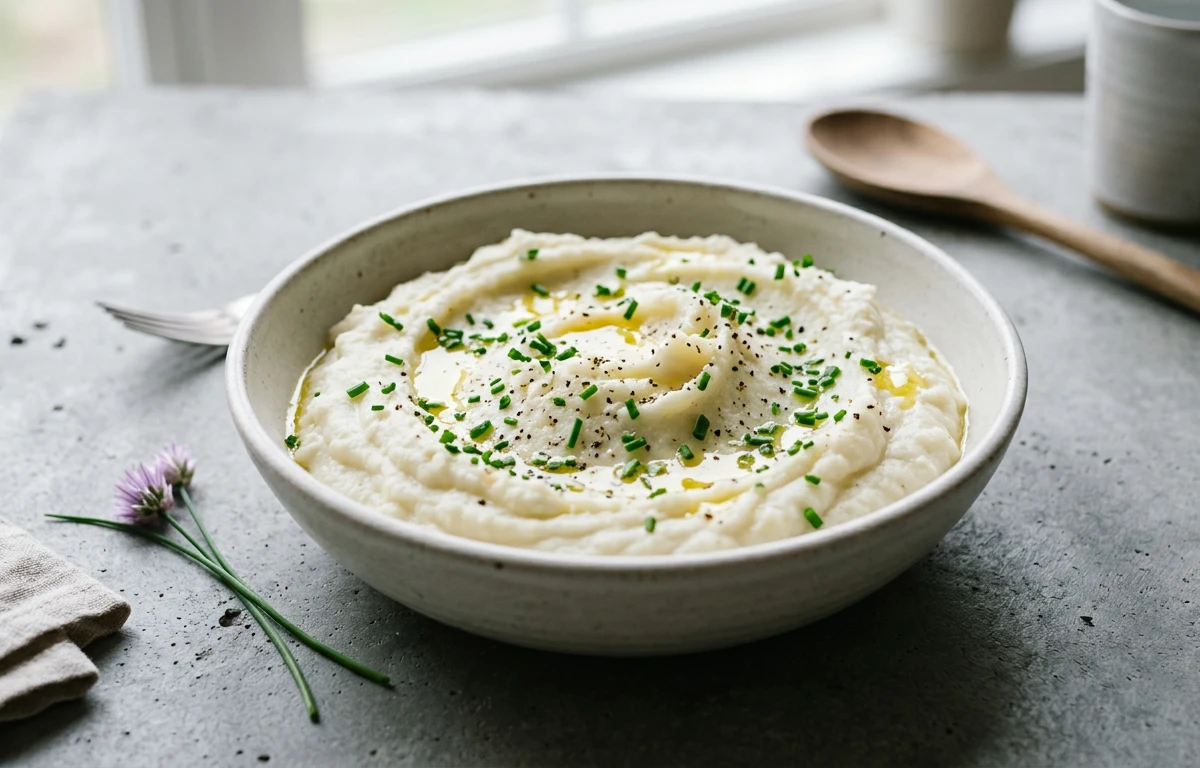
Vegetable
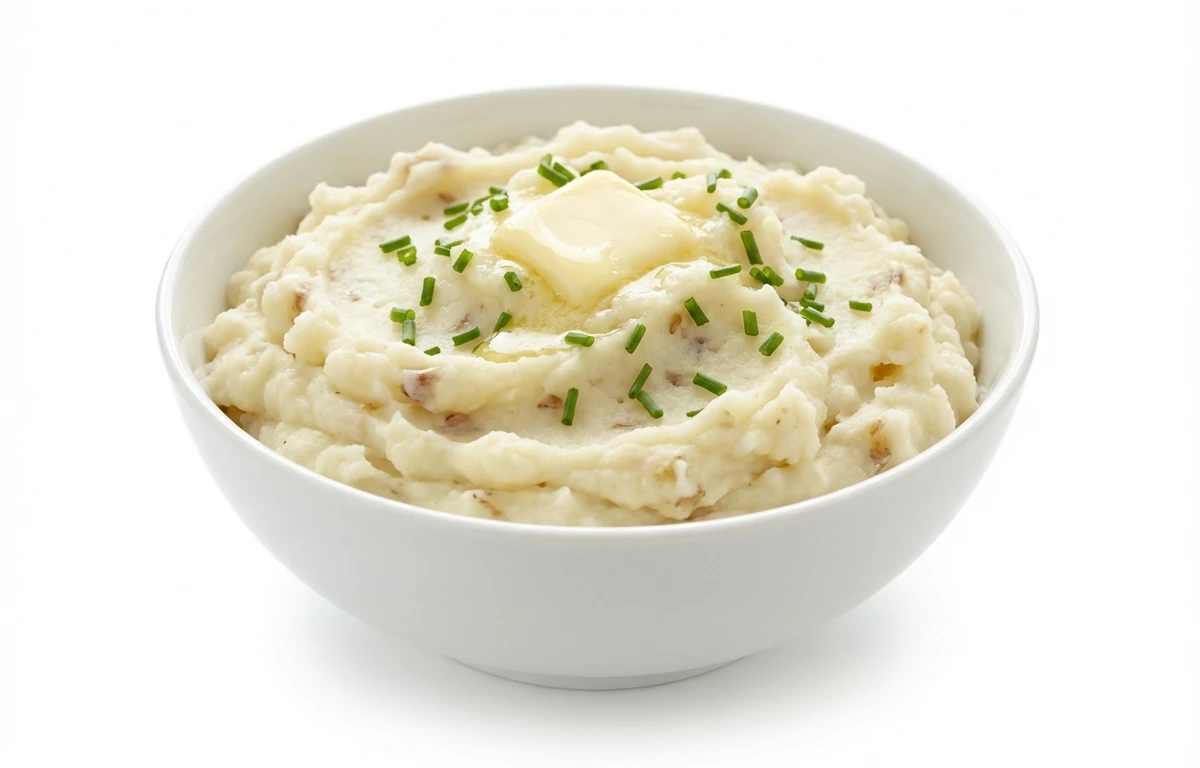
mashed potatoes.
VegetarianVeganGluten-freeDairy-freeNut-freePeanut-freeSoy-freeEgg-freeShellfish-freeHoney-freeAlcohol-free
ALSO KNOWN AS
mash
SERVING
CALORIES
97
PROTEIN
1.8g
CARBS
13.5g
FAT
4.5g
FIBER
1.5g
This ingredient is flagged as naturally gluten-free. Per 100 g, it provides 1.0 µg of vitamin K.
NUTRITION PROFILE · per 100 g
Everything in this ingredient.
MACRONUTRIENTS
Calories97kcal—
Protein1.8g4%
Carbohydrates13.5g5%
Fiber1.5g5%
Sugar1.2g2%
Total fat4.5g6%
Saturated fat2.8g14%
Cholesterol13mg4%
Water78.5g—
MINERALS
Sodium280mg12%
Potassium270mg6%
Calcium25mg2%
Iron0.40mg2%
Magnesium52.5mg13%
Phosphorus145mg12%
Zinc0.75mg7%
Copper0.42mg47%
Selenium2.3µg4%
VITAMINS
Vitamin A40µg4%
Vitamin C9.0mg10%
Vitamin D0.10µg1%
Vitamin E0.62mg4%
Vitamin K1.0µg1%
Thiamin (B1)0.22mg18%
Riboflavin (B2)0.14mg11%
Niacin (B3)2.8mg17%
Vitamin B60.68mg40%
Folate (B9)20µg5%
Vitamin B120.10µg4%
%DV based on a 2,000 cal diet. Source: USDA FoodData Central. A dash in the %DV column means there’s no established Daily Value for that nutrient.
MEASUREMENT CONVERSIONS
How much is what.
1 cup250g
1 tablespoon15.6g
1 teaspoon5.2g
1 ml1g
1 liter1041.7g
HEALTH BENEFITS
Why eat it.
- ✓Rich source of potassium, essential for regulating blood pressure and fluid balance.
- ✓Excellent source of complex carbohydrates, providing sustained energy.
- ✓When cooled, develops resistant starch, which acts as a prebiotic to support gut health.
COOKING TIPS
In the kitchen.
- 1Use starchy potatoes like Russet or Yukon Gold for the fluffiest, creamiest texture.
- 2Start potatoes in cold, salted water and bring to a boil to ensure they cook evenly.
- 3Warm milk and melt butter before adding them to the cooked potatoes for better absorption and a smoother consistency.
- 4Avoid over-mixing or using a blender, which can make the potatoes gummy; use a potato ricer or hand masher for the best results.
STORAGE
Keep it fresh.
- Store leftovers in an airtight container in the refrigerator for up to 4 days.
- For longer storage, freeze in portion-sized airtight containers or freezer bags for up to 2 months. Thaw in the refrigerator before reheating.
FAQ
Frequently asked questions.
Are mashed potatoes healthy?
Yes, mashed potatoes can be part of a healthy diet, especially when prepared mindfully. They are a good source of potassium, Vitamin C, and complex carbohydrates for sustained energy. However, their healthfulness largely depends on the added ingredients like butter, cream, and salt, which can increase fat, calorie, and sodium content.
How many calories and carbs are in mashed potatoes?
On average, 100g of plain mashed potatoes contains about 97 calories and 13.5g of carbohydrates. This can vary significantly based on the amount of butter, milk, cream, or other additions used in preparation, which can increase these values.
Are mashed potatoes gluten-free?
Yes, plain mashed potatoes made from potatoes, milk, butter, and seasonings are naturally gluten-free. However, always check ingredients if using pre-made mixes or dining out, as some may contain gluten-containing thickeners or additives.
Are mashed potatoes keto-friendly?
No, traditional mashed potatoes are not keto-friendly. Potatoes are high in carbohydrates, with 100g containing about 13.5g of carbs, which far exceeds the typical daily carb limit for a ketogenic diet.
What are common ingredients in mashed potatoes?
The basic ingredients for mashed potatoes include cooked potatoes (often Russet or Yukon Gold), milk or cream, butter, salt, and pepper. Variations might include garlic, chives, cheese, sour cream, or even vegetable broth for a lighter version.
Can I make mashed potatoes healthier?
Absolutely! To make mashed potatoes healthier, you can use skim milk or vegetable broth instead of heavy cream, reduce the amount of butter, and incorporate roasted garlic or herbs for flavor. Leaving the skin on the potatoes (if well-washed) also adds fiber and nutrients.
How do you store leftover mashed potatoes?
Leftover mashed potatoes should be stored in an airtight container in the refrigerator within two hours of cooking. For longer storage, they can be frozen in freezer-safe bags or containers for up to 2-3 months, though texture may change slightly upon thawing.
How long do mashed potatoes last in the fridge?
Properly stored mashed potatoes will last for 3 to 4 days in the refrigerator. Beyond this, their quality and safety may decline. Always reheat thoroughly to an internal temperature of 165°F (74°C) before serving.
RECIPES
Cook with mashed potatoes.
0 recipes · sorted by what’s quick