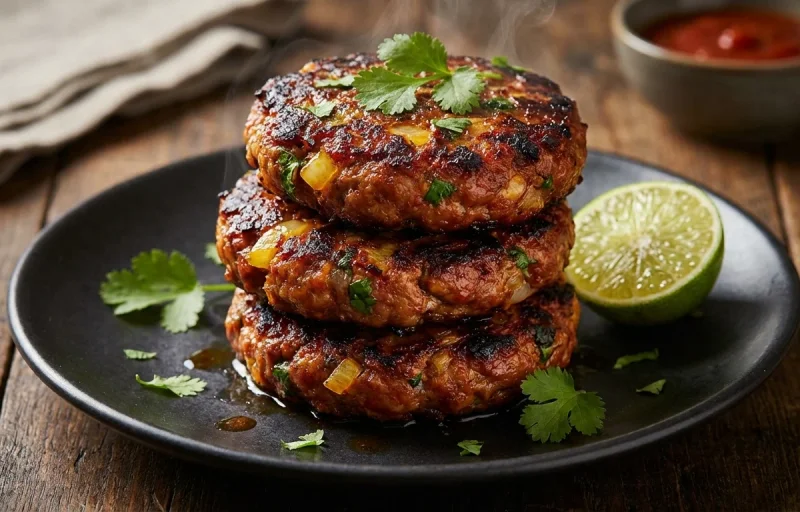
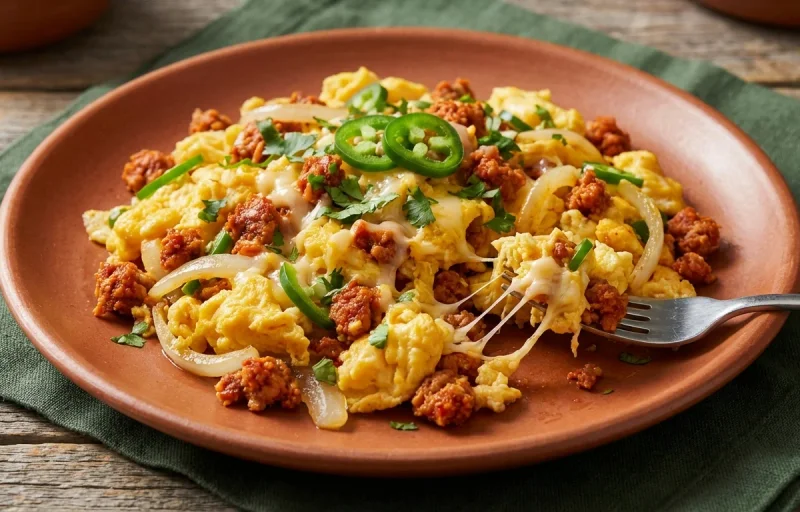
Other7 recipes
mexican chorizo.
VegetarianVeganGluten-freeDairy-freeNut-freePeanut-freeSoy-freeEgg-freeShellfish-freeHoney-freeAlcohol-freeHalalKosher
ALSO KNOWN AS
chorizo mexicano
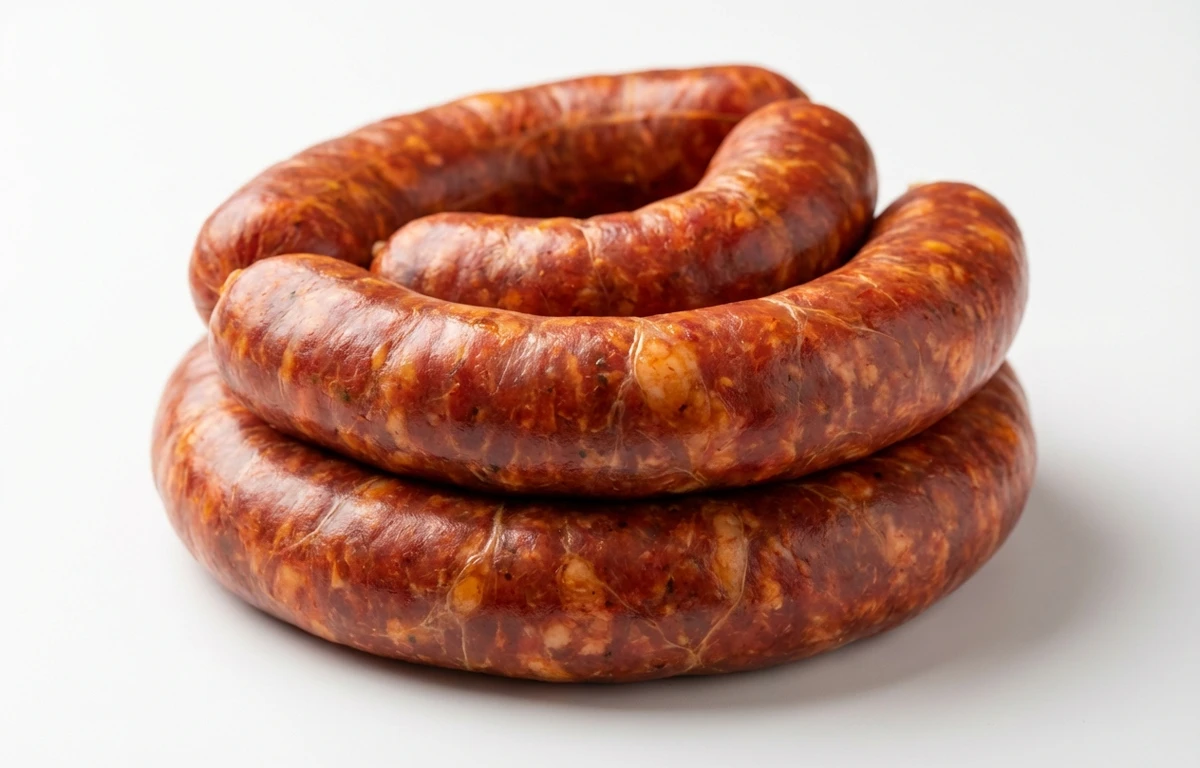
SERVING
CALORIES
400
PROTEIN
18g
CARBS
2.0g
FAT
35g
FIBER
0g
This ingredient is flagged as naturally gluten-free. Per 100 g, it provides 0.50 µg of vitamin K.
NUTRITION PROFILE · per 100 g
Everything in this ingredient.
MACRONUTRIENTS
Calories400kcal—
Protein18g36%
Carbohydrates2.0g1%
Fiber0g0%
Sugar1.0g2%
Total fat35g45%
Saturated fat14g70%
Trans fat0g—
Cholesterol80mg27%
Water45g—
MINERALS
Sodium1000mg43%
Potassium250mg5%
Calcium15mg1%
Iron1.5mg8%
Magnesium17mg4%
Phosphorus170mg14%
Zinc2.3mg21%
Copper0.08mg9%
Manganese0.02mg1%
Selenium20.5µg37%
VITAMINS
Vitamin A0µg0%
Vitamin C0mg0%
Vitamin D0µg0%
Vitamin E0.10mg1%
Vitamin K0.50µg0%
Thiamin (B1)0.15mg13%
Riboflavin (B2)0.17mg13%
Niacin (B3)3.5mg22%
Pantothenic acid (B5)0.60mg12%
Vitamin B60.25mg15%
Folate (B9)6.0µg2%
Vitamin B120.70µg29%
%DV based on a 2,000 cal diet. Source: USDA FoodData Central. A dash in the %DV column means there’s no established Daily Value for that nutrient.
MEASUREMENT CONVERSIONS
How much is what.
1 cup160g
1 tablespoon15g
1 teaspoon5g
1 oz28.4g
1 lb453.6g
1 ml1g
1 liter1000g
HEALTH BENEFITS
Why eat it.
- ✓Good source of complete protein, essential for muscle repair and growth.
- ✓Rich in B vitamins, particularly B12 and niacin, which support energy metabolism and nervous system function.
COOKING TIPS
In the kitchen.
- 1Unlike Spanish chorizo, Mexican chorizo is raw and must be cooked before eating. Remove it from its casing first.
- 2Cook in a skillet over medium heat, breaking it apart with a spoon, until browned and cooked through. No extra oil is typically needed due to its high fat content.
- 3Drain the excess rendered fat after cooking, but consider leaving a small amount to flavor other ingredients like eggs, potatoes, or beans.
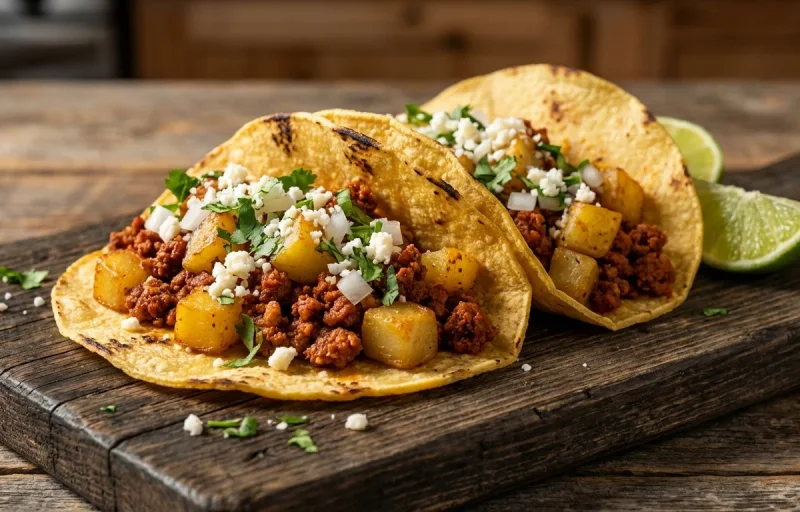
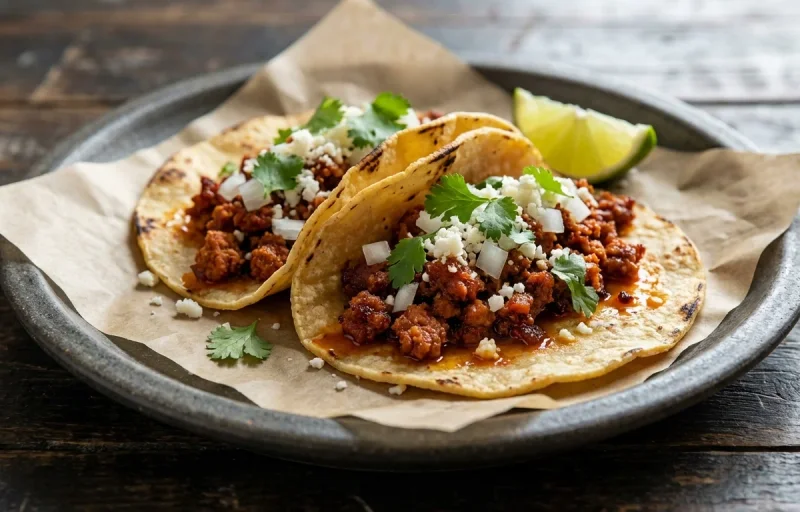
- 4Its bold, spicy flavor makes it a great base for tacos, breakfast burritos, queso fundido, or soups.
STORAGE
Keep it fresh.
- Store raw Mexican chorizo in the refrigerator in its original packaging or an airtight container for up to 4 days.
- For longer storage, freeze raw chorizo for up to 3 months. Thaw completely in the refrigerator before cooking.
FAQ
Frequently asked questions.
Is Mexican chorizo healthy?
Mexican chorizo can be part of a balanced diet when consumed in moderation. It's a good source of complete protein, essential for muscle repair, and rich in B vitamins (B12, niacin) and minerals like selenium and zinc. However, it is high in calories (400 per 100g) and fat (35g per 100g), so portion control is important.
How much protein and calories are in Mexican chorizo?
Per 100 grams, Mexican chorizo typically contains approximately 400 calories and 18 grams of protein. It also provides about 35 grams of fat and 2 grams of carbohydrates. These nutritional values can vary slightly based on the specific brand and preparation.
Is Mexican chorizo keto-friendly?
Yes, Mexican chorizo is generally considered keto-friendly due to its high fat and protein content and very low carbohydrate count (around 2g per 100g). It can be a flavorful addition to a ketogenic diet, but its high calorie density means it should be consumed mindfully.
Is Mexican chorizo gluten-free?
Most traditional Mexican chorizo recipes are naturally gluten-free, made from ground pork, chili peppers, and vinegar. However, it's always advisable to check the ingredient label of commercial brands, as some may contain fillers or additives that include gluten.
How do you cook Mexican chorizo?
Mexican chorizo is typically removed from its casing and crumbled into a hot pan, then cooked over medium heat until it's browned and fully cooked through. It renders a significant amount of fat, which can be drained or used to cook other ingredients like eggs or potatoes.
What does Mexican chorizo taste like?
Mexican chorizo has a distinct, savory, and often spicy flavor profile, frequently with a tangy note from vinegar. It's seasoned with a blend of chili peppers (like ancho or guajillo), garlic, cumin, and oregano, giving it a rich, earthy, and sometimes smoky taste.
Can you eat Mexican chorizo raw?
No, Mexican chorizo should not be eaten raw. It is a fresh, uncooked sausage and must be thoroughly cooked to an internal temperature of 160°F (71°C) to ensure food safety and eliminate any potential pathogens.
How do you store Mexican chorizo?
Uncooked Mexican chorizo should be stored in the refrigerator and used within 1-2 days of purchase, or by the 'use-by' date on the package. For longer storage, it can be frozen in its original packaging or an airtight container for up to 2-3 months.
Is Mexican chorizo vegan or vegetarian?
No, traditional Mexican chorizo is neither vegan nor vegetarian, as it is a meat product typically made from ground pork. However, there are various plant-based chorizo alternatives available that cater to vegan and vegetarian diets.
RECIPES
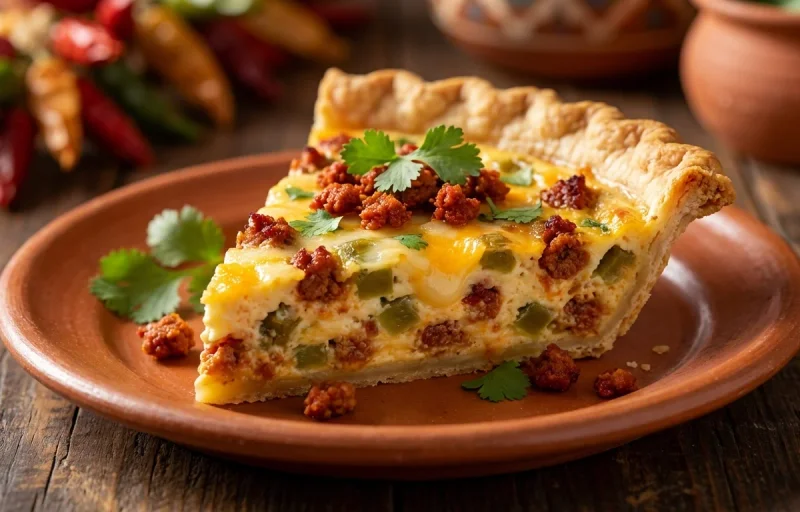
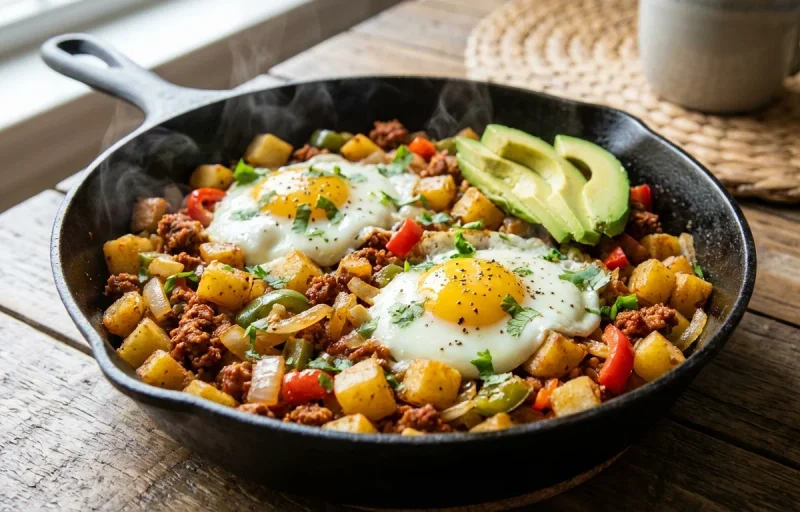
Cook with mexican chorizo.
7 recipes · sorted by what’s quick