Protein4 recipes
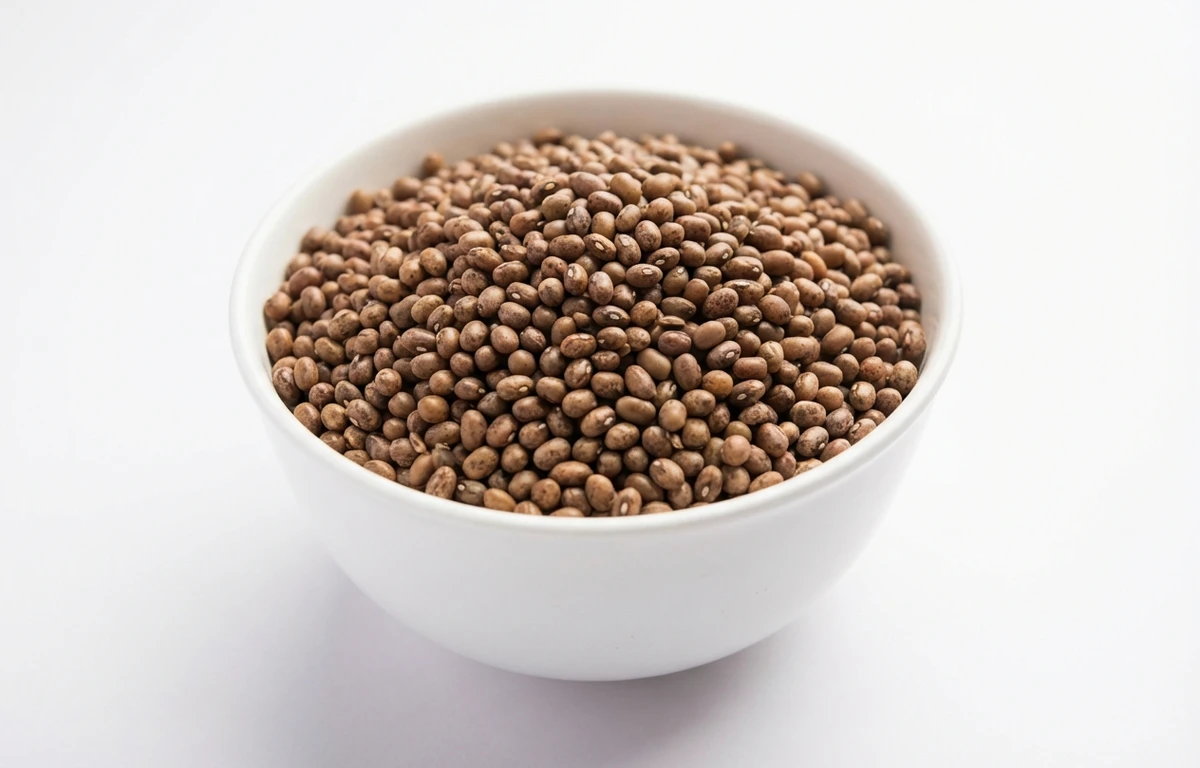
moth beans.
VegetarianVeganGluten-freeDairy-freeNut-freePeanut-freeSoy-freeEgg-freeShellfish-freeHoney-freeAlcohol-free
ALSO KNOWN AS
matkimoth
SERVING
CALORIES
343
PROTEIN
22.9g
CARBS
61.5g
FAT
1.6g
FIBER
15.7g
NUTRITION PROFILE · per 100 g
Everything in this ingredient.
MACRONUTRIENTS
Calories343kcal—
Protein22.9g46%
Carbohydrates61.5g22%
Fiber15.7g56%
Sugar3.0g6%
Total fat1.6g2%
Saturated fat0.28g1%
Cholesterol0mg0%
MINERALS
Sodium15mg1%
Potassium1100mg23%
Calcium130mg10%
Iron7.9mg44%
Magnesium189mg45%
Phosphorus300mg24%
Zinc2.8mg25%
Copper0.80mg89%
Manganese1.1mg48%
Selenium9.0µg16%
VITAMINS
Vitamin A0µg0%
Vitamin C0mg0%
Vitamin D0µg0%
Vitamin E0.10mg1%
Vitamin K4.5µg4%
Thiamin (B1)0.40mg33%
Riboflavin (B2)0.20mg15%
Niacin (B3)2.5mg16%
Pantothenic acid (B5)0.80mg16%
Vitamin B60.30mg18%
Folate (B9)600µg150%
Vitamin B120µg0%
%DV based on a 2,000 cal diet. Source: USDA FoodData Central. A dash in the %DV column means there’s no established Daily Value for that nutrient.
MEASUREMENT CONVERSIONS
How much is what.
1 cup190g
1 tablespoon12g
1 teaspoon4g
1 ml0.8g
1 liter800g
HEALTH BENEFITS
Why eat it.
- ✓Rich in plant-based protein and dietary fiber, which promotes satiety, aids digestion, and supports muscle maintenance.
- ✓Excellent source of essential minerals such as iron, magnesium, and phosphorus, crucial for energy production, nerve function, and bone health.
- ✓Contains antioxidants and phenolic compounds that help protect the body against oxidative stress and inflammation.
- ✓Has a low glycemic index, making it beneficial for managing blood sugar levels and suitable for individuals with diabetes.
COOKING TIPS
In the kitchen.
- 1Soak dried moth beans for 4-6 hours or overnight to shorten cooking time and improve digestibility. Discard the soaking water before cooking.
- 2Moth beans are ideal for sprouting. Sprouted beans have enhanced nutritional value and can be used in salads, stir-fries, or curries.
- 3Simmer soaked beans in fresh water or broth for 20-30 minutes, or pressure cook for 10-15 minutes until tender. They have a nutty, slightly sweet flavor.
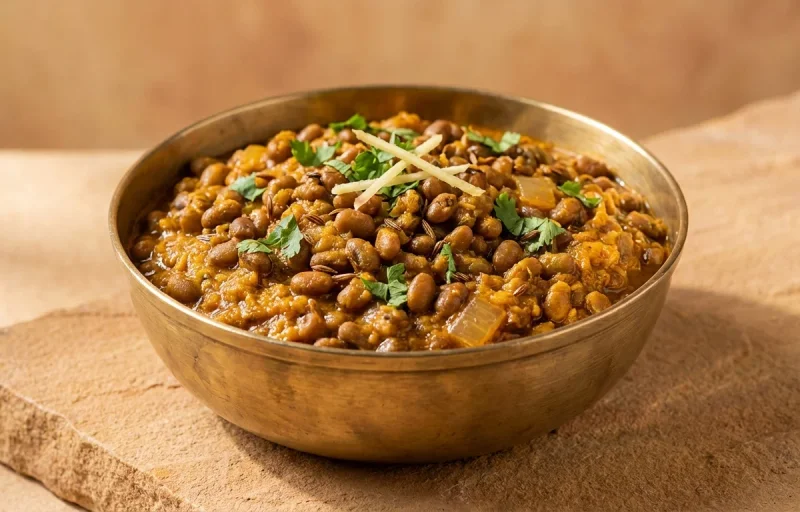
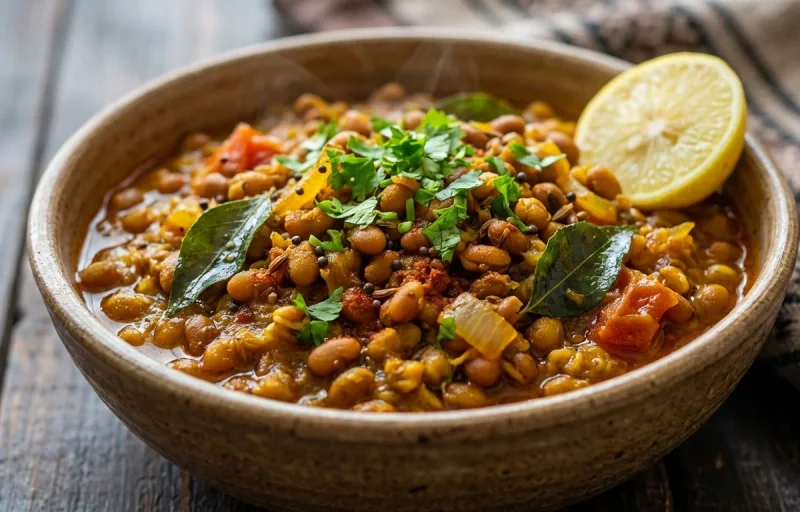
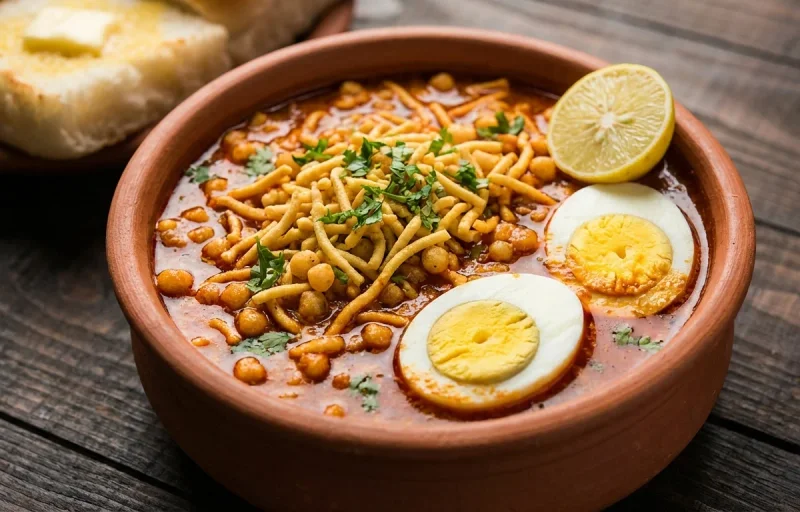
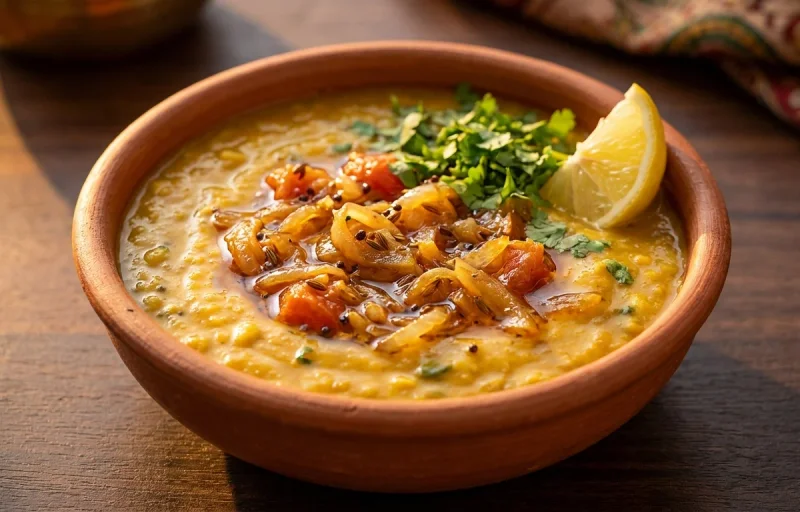
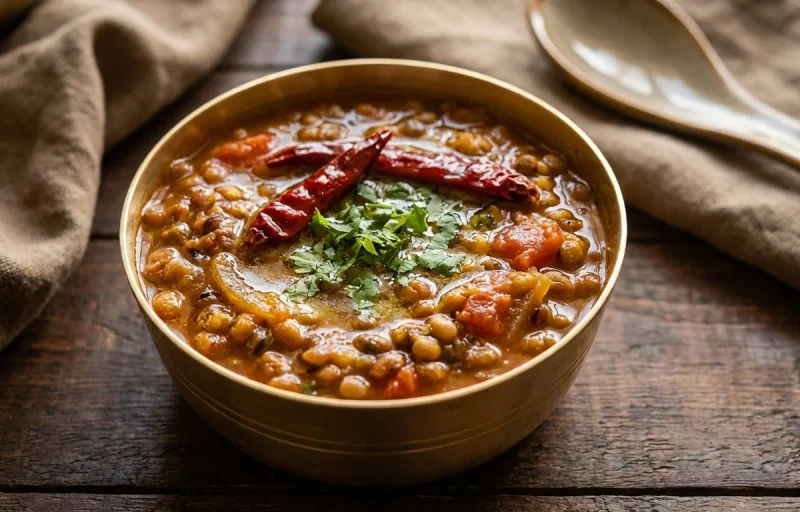
- 4Commonly used in Indian dishes like 'Misal Pav' (a spicy curry) or 'Matki Usal'. They absorb flavors well, so season generously with spices.
STORAGE
Keep it fresh.
- Store dried moth beans in an airtight container in a cool, dark, and dry place, such as a pantry, for up to 12 months.
- Once cooked, store in a sealed container in the refrigerator for up to 4 days or freeze for up to 3 months.
FAQ
Frequently asked questions.
Are moth beans healthy?
Yes, moth beans are highly nutritious. They are rich in plant-based protein, dietary fiber, and essential minerals like iron, magnesium, and phosphorus. They also contain antioxidants, supporting overall health and digestion.
How much protein and calories are in moth beans?
Per 100g, moth beans contain approximately 22.9g of protein and 343 calories. This makes them a significant source of plant-based protein and energy, suitable for vegetarians and vegans.
Are moth beans good for weight loss?
Yes, moth beans can be beneficial for weight loss due to their high protein and fiber content. These nutrients promote satiety, helping you feel full longer and potentially reducing overall calorie intake.
Are moth beans vegan and gluten-free?
Yes, moth beans are naturally vegan as they are a plant-based legume. They are also naturally gluten-free, making them a suitable ingredient for individuals following gluten-free diets.
Can diabetics eat moth beans?
Yes, moth beans are a good choice for diabetics. They have a low glycemic index, which helps in managing blood sugar levels effectively. Their high fiber content also contributes to stable glucose release.
How do you cook moth beans?
Moth beans typically need to be soaked for 6-8 hours or overnight before cooking to reduce cooking time and improve digestibility. After soaking, rinse them and boil in fresh water until tender, usually 20-30 minutes. They can also be pressure cooked.
What do moth beans taste like and what are they used for?
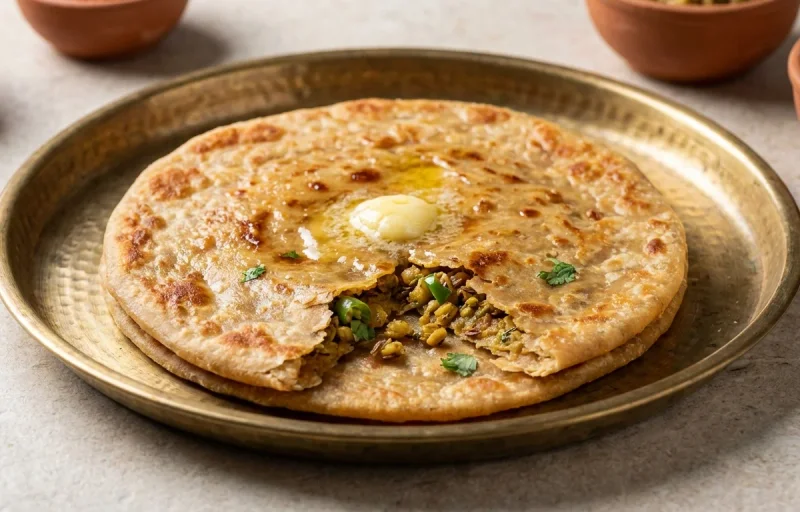
Moth beans have a mild, earthy, and slightly nutty flavor. They are commonly used in Indian cuisine, particularly in dishes like curries, stews, sprouts salads (like 'usal'), and as a flour for savory pancakes or fritters.
How do you store moth beans?
Dried moth beans should be stored in an airtight container in a cool, dry, dark place, away from direct sunlight and moisture. Properly stored, they can last for up to a year or more. Cooked moth beans can be refrigerated for 3-4 days.
Can moth beans be sprouted?
Yes, moth beans are excellent for sprouting. Sprouting enhances their nutritional value, making vitamins and minerals more bioavailable, and can improve digestibility. Sprouted moth beans are often used in salads or light stir-fries.
Are moth beans low-carb or keto-friendly?
No, moth beans are not considered low-carb or keto-friendly. With approximately 61.5g of carbohydrates per 100g, they are a significant source of carbs and would not fit into a strict ketogenic diet.
RECIPES
Cook with moth beans.
4 recipes · sorted by what’s quick