Other10 recipes
mustard oil.
VegetarianVeganGluten-freeDairy-freeNut-freePeanut-freeSoy-freeEgg-freeShellfish-freeHoney-freeAlcohol-free
ALSO KNOWN AS
Raw Mustard OilSarson oilsarson ka tel
SERVING
CALORIES
884
PROTEIN
0g
CARBS
0g
FAT
100g
FIBER
0g
NUTRITION PROFILE · per 100 g
Everything in this ingredient.
MACRONUTRIENTS
Calories884kcal—
Protein0g0%
Carbohydrates0g0%
Fiber0g0%
Sugar0g0%
Total fat100g128%
Saturated fat5.7g29%
Trans fat0g—
Cholesterol0mg0%
Water0g—
MINERALS
Sodium0mg0%
Potassium0mg0%
Calcium0mg0%
Iron0mg0%
Magnesium0mg0%
Phosphorus0mg0%
Zinc0mg0%
Copper0mg0%
Manganese0mg0%
Selenium0µg0%
VITAMINS
Vitamin A0µg0%
Vitamin C0mg0%
Vitamin D0µg0%
Vitamin E0mg0%
Vitamin K0µg0%
Thiamin (B1)0mg0%
Riboflavin (B2)0mg0%
Niacin (B3)0mg0%
Pantothenic acid (B5)0mg0%
Vitamin B60mg0%
Biotin (B7)0µg0%
Folate (B9)0µg0%
Vitamin B120µg0%
%DV based on a 2,000 cal diet. Source: USDA FoodData Central. A dash in the %DV column means there’s no established Daily Value for that nutrient.
MEASUREMENT CONVERSIONS
How much is what.
1 cup224g
1 tablespoon14g
1 teaspoon4.5g
1 ml0.9g
1 liter933.3g
HEALTH BENEFITS
Why eat it.
- ✓Rich in monounsaturated and polyunsaturated fats, including omega-3 (alpha-linolenic acid) and omega-6 fatty acids, which support cardiovascular health.
- ✓Contains allyl isothiocyanate, a compound that exhibits potent anti-inflammatory and antimicrobial properties.
- ✓A good source of Vitamin E, a powerful antioxidant that helps protect cells from oxidative stress and damage.
- ✓When used topically, it can improve skin and hair health due to its antibacterial and antifungal properties.
COOKING TIPS
In the kitchen.
- 1For traditional South Asian cooking, heat the oil until it just begins to smoke. This process mellows its pungency and makes the flavor more palatable.
- 2Its high smoke point (approx. 480°F / 250°C) makes it ideal for high-heat cooking methods like deep-frying, stir-frying, and searing.
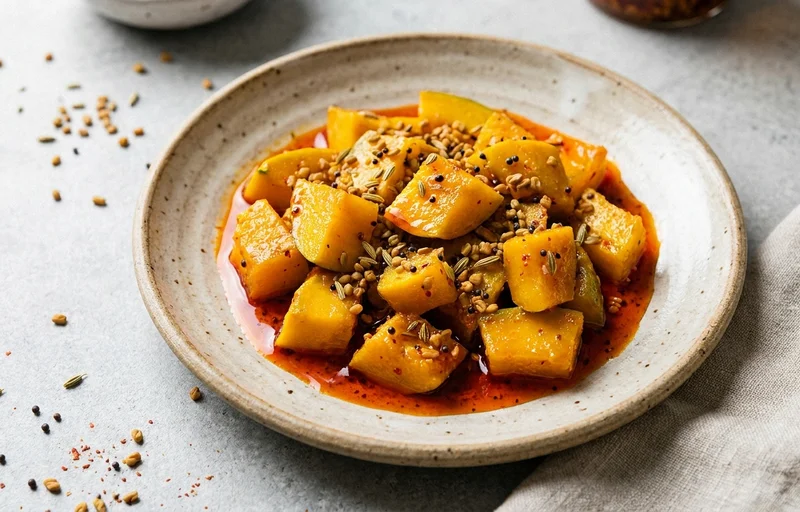
- 3Use it as a key flavoring agent in pickles (achar), marinades, and dressings for its sharp, pungent character.
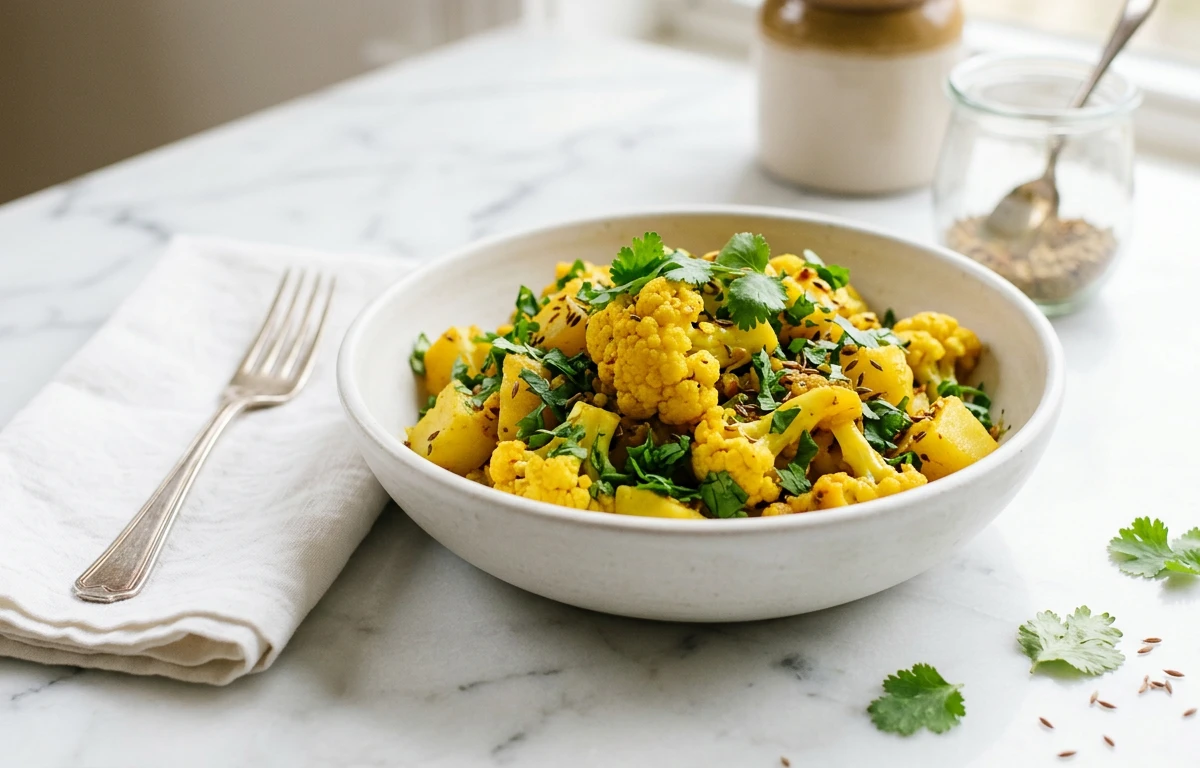
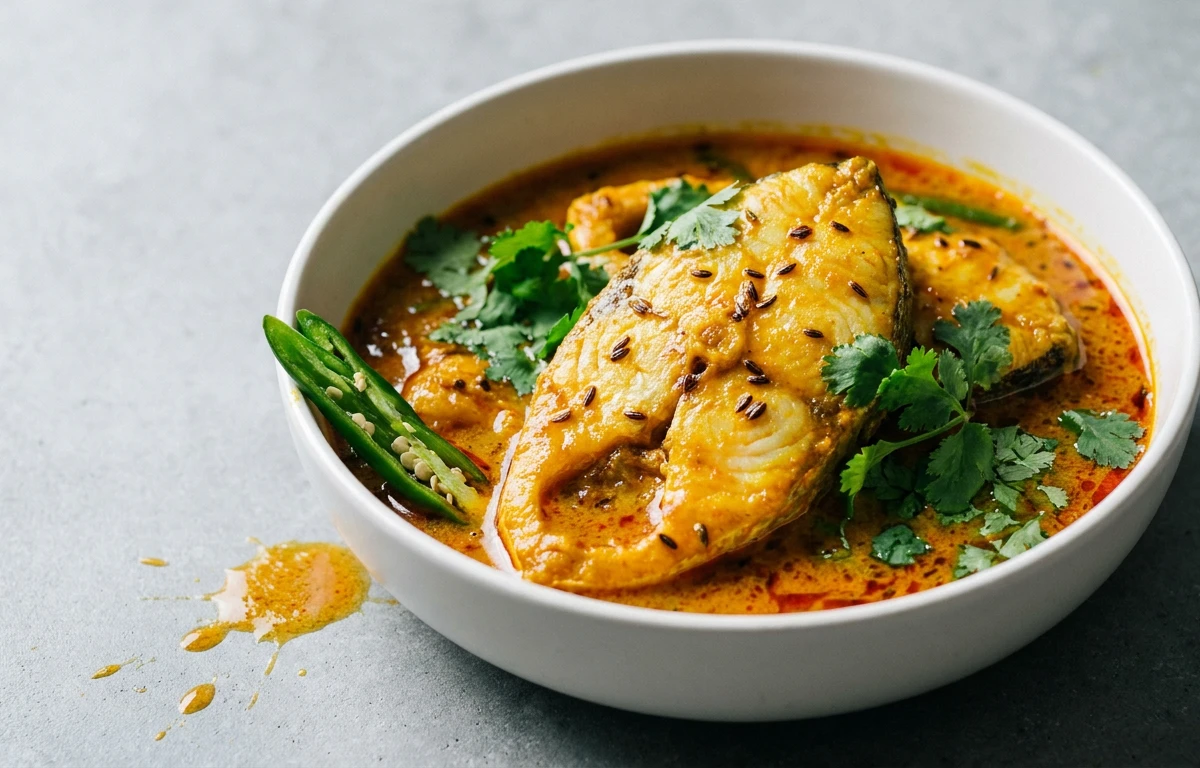
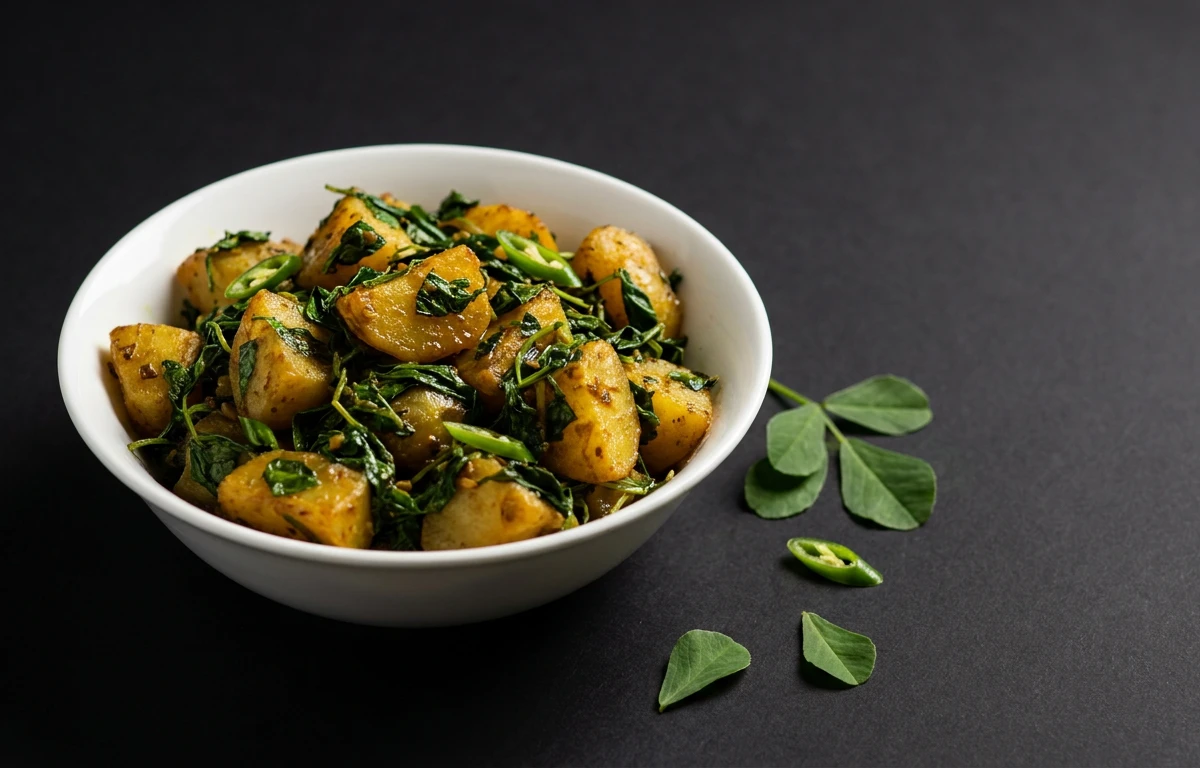
- 4The distinctive flavor pairs exceptionally well with fish, potatoes, and green leafy vegetables in curries and stir-fries.
STORAGE
Keep it fresh.
- Store in a cool, dark place like a pantry, away from direct sunlight and heat sources, to prevent oxidation and rancidity.
- Keep the bottle tightly sealed to minimize exposure to air. While not required, refrigeration can extend its shelf life after opening.
FAQ
Frequently asked questions.
Is mustard oil healthy?
Yes, mustard oil is considered healthy due to its rich content of monounsaturated and polyunsaturated fats, including beneficial omega-3 (alpha-linolenic acid) and omega-6 fatty acids. It also contains Vitamin E, a powerful antioxidant, and compounds with anti-inflammatory and antimicrobial properties. These components contribute to cardiovascular health and cellular protection.
What are the nutritional facts for mustard oil?
Per 100g, mustard oil contains 884 calories and 100g of fat. It has no protein or carbohydrates. Its fat content is primarily composed of beneficial unsaturated fats, making it a calorie-dense but nutrient-rich oil.
Is mustard oil good for heart health?
Yes, mustard oil is beneficial for heart health. It is rich in monounsaturated (MUFA) and polyunsaturated fatty acids (PUFA), including alpha-linolenic acid (omega-3) and omega-6 fatty acids. These fats help reduce bad cholesterol levels and support overall cardiovascular function.
Is mustard oil vegan and gluten-free?
Yes, mustard oil is both vegan and gluten-free. It is derived solely from mustard seeds, making it a plant-based product suitable for vegan diets. As a pure oil, it naturally contains no gluten.
Is mustard oil keto-friendly?
Yes, mustard oil is keto-friendly. It is 100% fat with no carbohydrates or protein, making it an excellent fat source for those following a ketogenic diet. Its healthy fat profile can help meet daily fat macros.
How is mustard oil typically used in cooking?
Mustard oil is widely used in South Asian and Bengali cuisine, particularly for frying, sautéing, and pickling. Its distinct pungent flavor adds a unique character to dishes like curries, stir-fries, and marinades. It's often heated to its smoke point before adding other ingredients to mellow its sharpness.
What does mustard oil taste like?
Mustard oil has a strong, pungent, and slightly sharp flavor, characteristic of mustard. When heated, some of its pungency mellows, but it still imparts a distinctive taste to food. This unique flavor is highly prized in certain regional cuisines.
Can mustard oil be used for high-heat cooking?
Yes, mustard oil has a relatively high smoke point, typically around 480°F (250°C), making it suitable for high-heat cooking methods like deep-frying, stir-frying, and sautéing. Its stability at high temperatures helps prevent the formation of harmful compounds.
How should mustard oil be stored?
Mustard oil should be stored in a cool, dark place away from direct sunlight and heat to preserve its quality and prevent rancidity. An airtight container is recommended. Properly stored, it can last for several months to a year.
Does mustard oil have any topical uses?
Yes, mustard oil is traditionally used topically for various purposes. It's often massaged into the skin and hair to improve their health due to its antibacterial and antifungal properties. It's also used in traditional remedies for muscle aches and and can improve circulation.
RECIPES
Cook with mustard oil.
10 recipes · sorted by what’s quick