
Other10 recipes
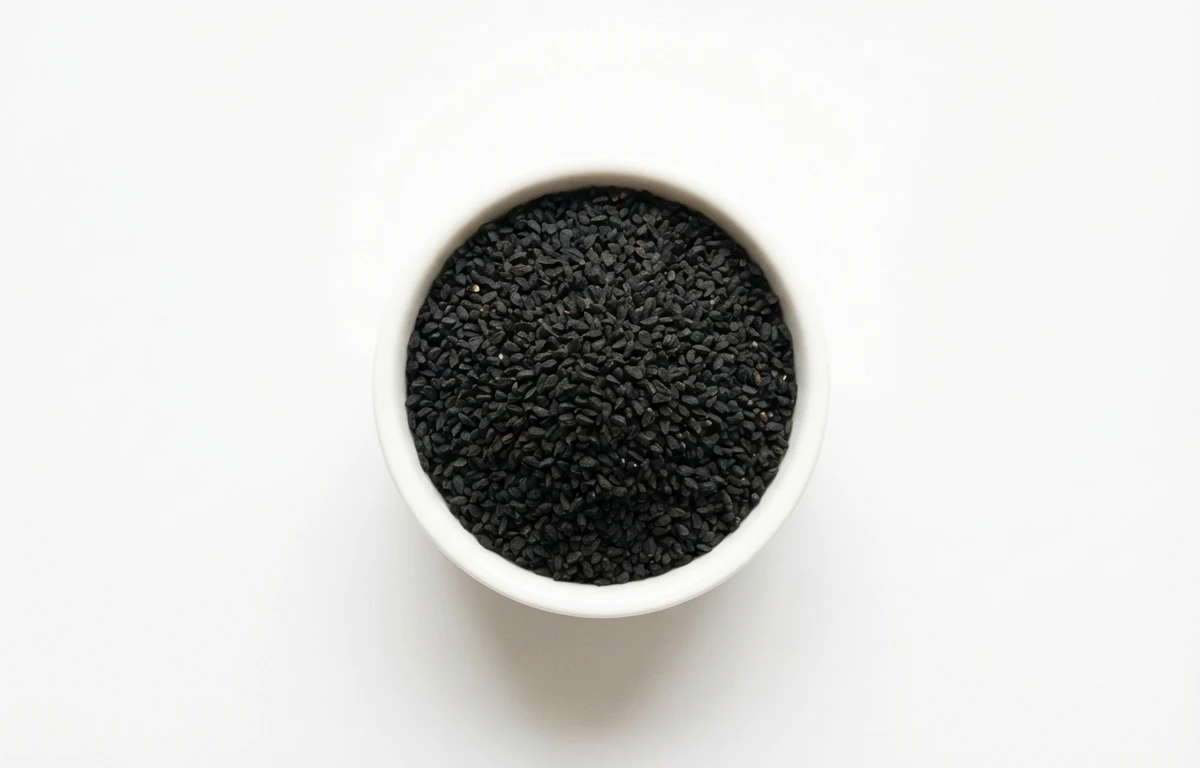
nigella seeds.
VegetarianVeganGluten-freeDairy-freeNut-freePeanut-freeSoy-freeEgg-freeShellfish-freeHoney-freeAlcohol-free
ALSO KNOWN AS
kalonjiblack seedblack carawayblack cuminfennel flowerhabbat al-barakahkarunjeeragammangrailblack onion seeds
SERVING
CALORIES
345
PROTEIN
16g
CARBS
52g
FAT
15g
FIBER
40g
This ingredient is flagged as naturally gluten-free. Per 100 g, it provides 0 µg of vitamin K.
NUTRITION PROFILE · per 100 g
Everything in this ingredient.
MACRONUTRIENTS
Calories345kcal—
Protein16g32%
Carbohydrates52g19%
Fiber40g143%
Sugar0g0%
Total fat15g19%
Saturated fat0.50g3%
Trans fat0g—
Cholesterol0mg0%
Water8.0g—
MINERALS
Sodium168mg7%
Potassium1690mg36%
Calcium570mg44%
Iron18.5mg103%
Magnesium265mg63%
Phosphorus520mg42%
Zinc5.5mg50%
Copper0.90mg100%
Manganese2.1mg91%
Selenium5.0µg9%
VITAMINS
Vitamin A0µg0%
Vitamin C21mg23%
Vitamin D0µg0%
Vitamin E3.0mg20%
Vitamin K0µg0%
Thiamin (B1)0.15mg13%
Riboflavin (B2)0.10mg8%
Niacin (B3)4.5mg28%
Vitamin B60.50mg29%
Folate (B9)0µg0%
Vitamin B120µg0%
%DV based on a 2,000 cal diet. Source: USDA FoodData Central. A dash in the %DV column means there’s no established Daily Value for that nutrient.
MEASUREMENT CONVERSIONS
How much is what.
1 cup150g
1 tablespoon9g
1 teaspoon3g
1 oz28.4g
1 lb453.6g
1 ml0.6g
1 liter630g
HEALTH BENEFITS
Why eat it.
- ✓May help lower LDL cholesterol and blood pressure
- ✓Aids digestive health and may protect against stomach ulcers
COOKING TIPS
In the kitchen.
- 1Dry roast the seeds briefly in a pan to release their nutty, peppery aroma
- 2Add to hot oil (tempering) at the start of cooking to infuse the dish
- 3Sprinkle on top of flatbreads like naan or rye bread before baking
STORAGE
Keep it fresh.
- Store in an airtight glass container to preserve volatile oils
- Keep in a cool, dark, and dry place away from direct sunlight
- Ensure the container is completely dry to prevent mold growth
FAQ
Frequently asked questions.
How long do nigella seeds last?
When stored in an airtight container in a cool, dark place, nigella seeds can last for up to 2 years without losing significant flavor.
How can I identify high-quality nigella seeds?
Look for seeds that are jet black with a matte finish. They should have a strong, pungent aroma similar to oregano or onions when crushed.
What is a good substitute for nigella seeds?
Black sesame seeds are the best visual substitute, though they lack the peppery flavor. For flavor, a mix of black pepper and dried oregano can work.
Are nigella seeds the same as black cumin?
While often called black cumin in culinary contexts, true black cumin (Bunium bulbocastanum) is a different spice with longer, thinner seeds.
Do I need to wash nigella seeds before use?
No, nigella seeds do not require washing. They are typically used dry or toasted directly in oil or dough.
What do nigella seeds taste like?
They have a complex flavor profile that is slightly bitter, nutty, and peppery, with notes of onion, oregano, and black pepper.
Can nigella seeds be eaten raw?
Yes, they can be eaten raw, but their flavor is quite intense and bitter. Toasting or cooking them mellows the bitterness and enhances the nuttiness.
Are nigella seeds used in traditional medicine?
Yes, they have been used for centuries in Unani and Ayurvedic medicine, often referred to as 'the seed of blessing' for various ailments.
What are common dishes that use nigella seeds?
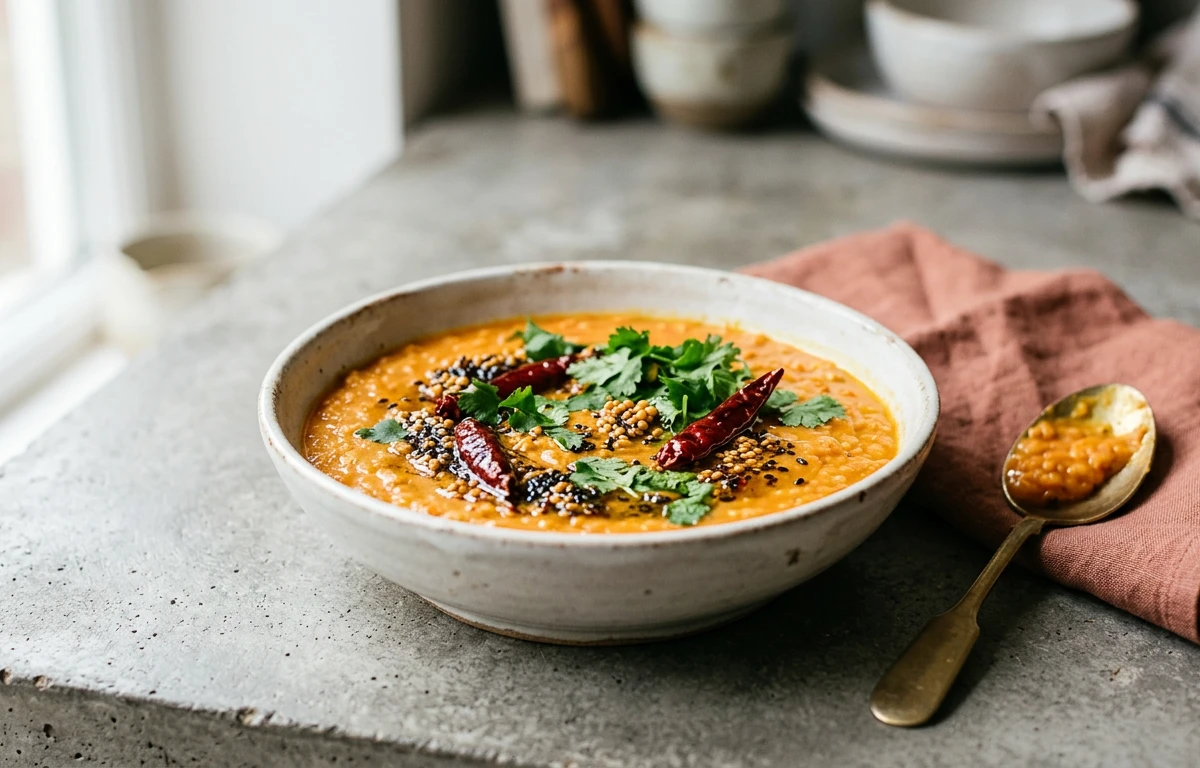
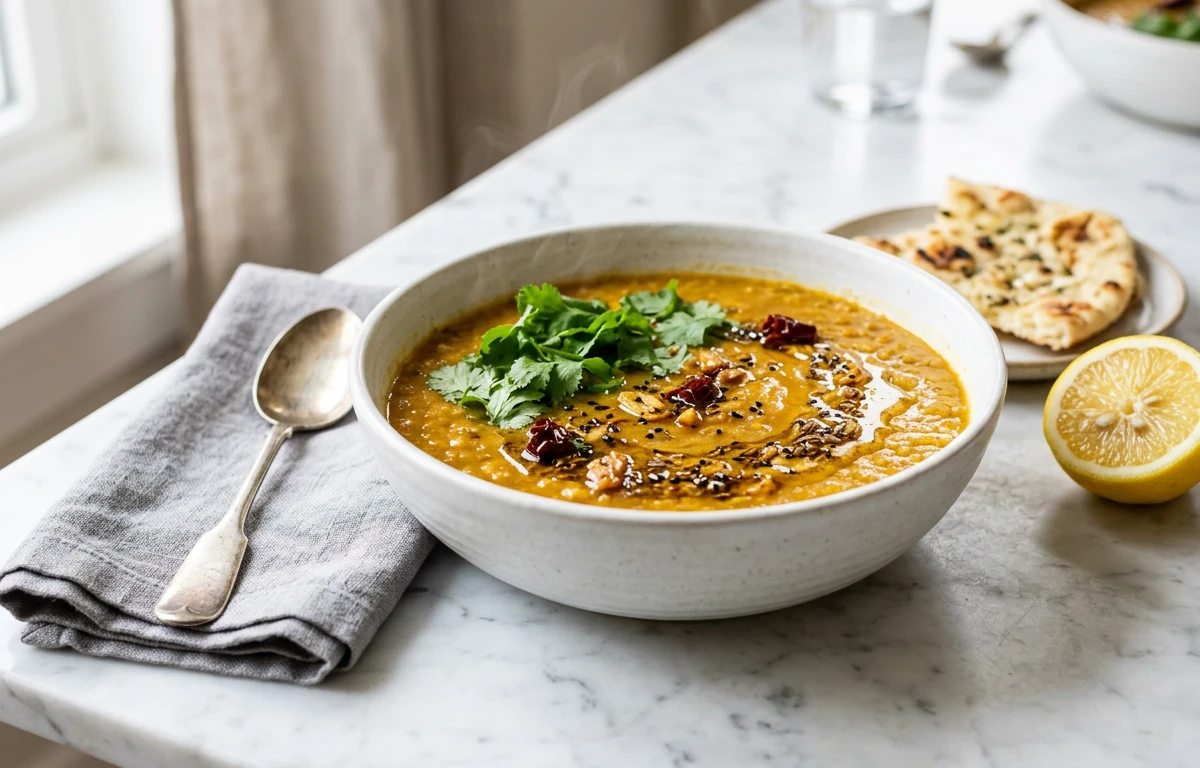
They are a key ingredient in the Indian spice blend Panch Phoron, and are commonly found in naan bread, pickles, and lentil curries.
Can I freeze nigella seeds?
While not necessary if kept in a cool pantry, you can freeze them in an airtight bag to extend their shelf life even further.
RECIPES
Cook with nigella seeds.
10 recipes · sorted by what’s quick
-naan.webp)
RELATED GUIDES



















