Other10 recipes
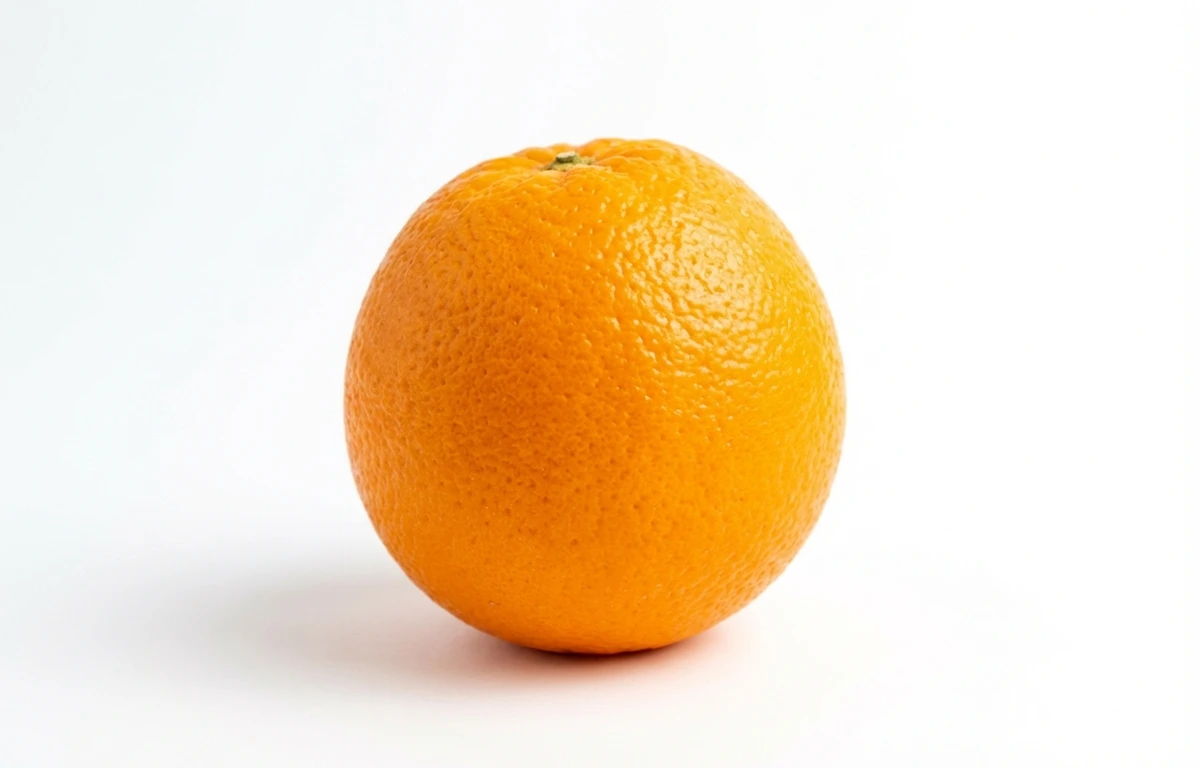
orange.
VegetarianVeganGluten-freeDairy-freeNut-freePeanut-freeSoy-freeEgg-freeShellfish-freeHoney-freeAlcohol-free
ALSO KNOWN AS
santreorangesorangeraw orangesantranaranginaranjasweet orangecitrus sinensis
SERVING
CALORIES
47
PROTEIN
0.90g
CARBS
11.8g
FAT
0.10g
FIBER
2.4g
This ingredient is flagged as naturally gluten-free. Per 100 g, it provides 0 µg of vitamin K.
NUTRITION PROFILE · per 100 g
Everything in this ingredient.
MACRONUTRIENTS
Calories47kcal—
Protein0.90g2%
Carbohydrates11.8g4%
Fiber2.4g9%
Sugar9.4g19%
Total fat0.10g0%
Saturated fat0.02g0%
Trans fat0g—
Cholesterol0mg0%
Water86.7g—
MINERALS
Sodium0mg0%
Potassium181mg4%
Calcium40mg3%
Iron0.10mg1%
Magnesium10mg2%
Phosphorus14mg1%
Zinc0.07mg1%
Copper0.04mg4%
Manganese0.02mg1%
Selenium0.50µg1%
VITAMINS
Vitamin A11µg1%
Vitamin C53.2mg59%
Vitamin D0µg0%
Vitamin E0.18mg1%
Vitamin K0µg0%
Thiamin (B1)0.09mg8%
Riboflavin (B2)0.04mg3%
Niacin (B3)0.28mg2%
Pantothenic acid (B5)0.25mg5%
Vitamin B60.06mg4%
Folate (B9)30µg8%
Vitamin B120µg0%
%DV based on a 2,000 cal diet. Source: USDA FoodData Central. A dash in the %DV column means there’s no established Daily Value for that nutrient.
MEASUREMENT CONVERSIONS
How much is what.
1 cup180g
1 tablespoon15g
1 teaspoon5g
1 oz28.4g
1 lb453.6g
1 ml1g
1 liter1000g
1 piece131g
HEALTH BENEFITS
Why eat it.
- ✓Good source of dietary fiber for digestive health
- ✓Potassium content supports heart health and blood pressure
- ✓Contains folate which is essential for DNA synthesis
COOKING TIPS
In the kitchen.
- 1Roll the orange on a counter before juicing to maximize yield
- 2Use the zest for intense citrus flavor without the acidity
- 3Remove the white pith as it has a bitter taste
STORAGE
Keep it fresh.
- Store at room temperature for up to one week
- Refrigerate in a mesh bag to extend shelf life up to 3 weeks
- Keep dry to prevent mold growth on the peel
FAQ
Frequently asked questions.
How long do oranges last?
Oranges last about 1 week at room temperature and up to 3-4 weeks when stored in the refrigerator.
How can I tell if an orange is juicy?
Pick oranges that feel heavy for their size and have a firm, smooth, thin skin.
What is a good substitute for oranges?
Tangerines, mandarins, or clementines are the best substitutes for eating; for juice, grapefruit or diluted lemon juice with sugar can work.
Can you freeze oranges?
You can freeze orange juice or zest easily. Whole oranges don't freeze well, but peeled segments can be frozen for use in smoothies.
Are orange peels edible?
Yes, orange peels are edible and highly nutritious, though they are bitter. They are best used as zest or candied.
What are the main vitamins in oranges?
Oranges are most famous for Vitamin C, but they also provide significant amounts of Vitamin A, Folate (B9), and Thiamine (B1).
How do I prep an orange for a salad?
The best method is 'supreming': cut off the top and bottom, slice away the peel and pith, then cut between the membranes to release segments.
When are oranges in season?
While available year-round, peak season for most varieties like Navel and Valencia is from winter through late spring.
Is orange juice as healthy as the whole fruit?
Whole oranges are healthier because they contain fiber and less concentrated sugar than the juice alone.
RECIPES
Cook with orange.
10 recipes · sorted by what’s quick