Dairy10 recipes
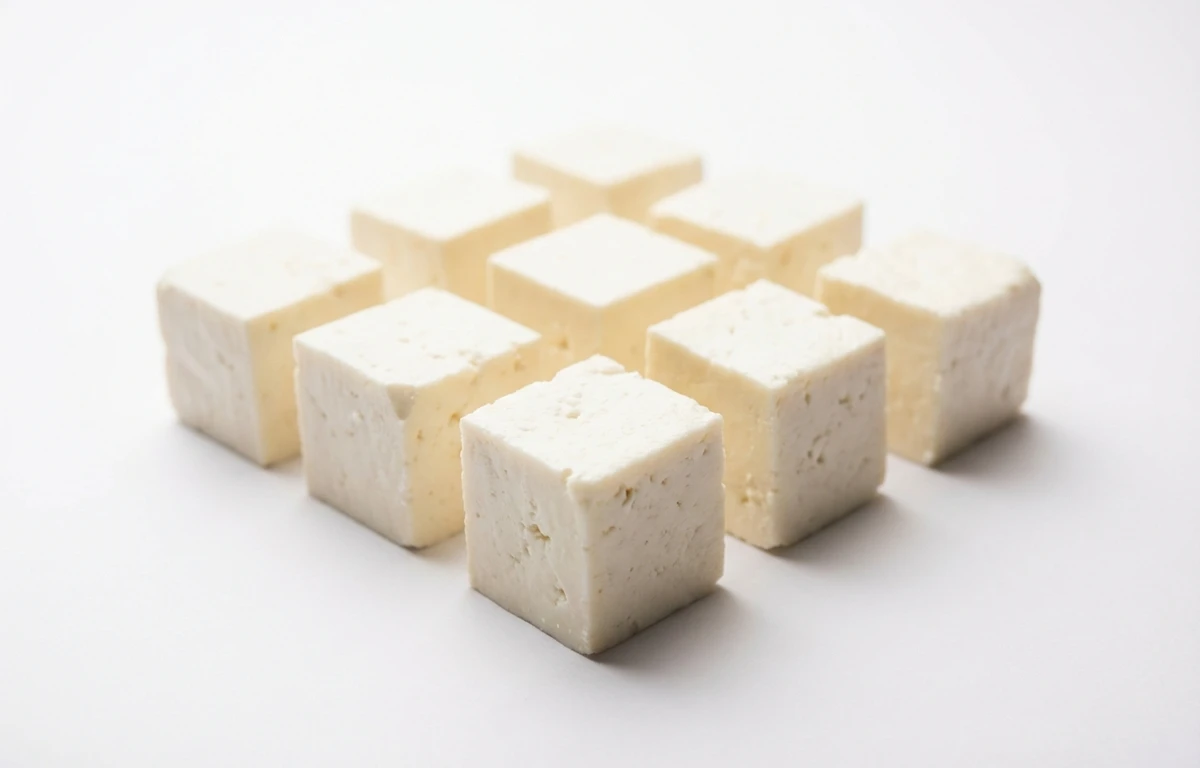
paneer.
VegetarianVeganGluten-freeDairy-freeNut-freePeanut-freeSoy-freeEgg-freeShellfish-freeHoney-freeAlcohol-free
ALSO KNOWN AS
Indian cottage cheesefresh cheeseपनीर
SERVING
CALORIES
321
PROTEIN
18.3g
CARBS
1.2g
FAT
25g
FIBER
0g
NUTRITION PROFILE · per 100 g
Everything in this ingredient.
MACRONUTRIENTS
Calories321kcal—
Protein18.3g37%
Carbohydrates1.2g0%
Fiber0g0%
Sugar1.2g2%
Total fat25g32%
Saturated fat15.6g78%
Trans fat0g—
Cholesterol80mg27%
Water54.2g—
MINERALS
Sodium20mg1%
Potassium120mg3%
Calcium208mg16%
Iron0.70mg4%
Magnesium26.6mg6%
Phosphorus330mg26%
Zinc2.7mg25%
Copper0.10mg11%
Manganese0.13mg6%
Selenium23.1µg42%
VITAMINS
Vitamin A243µg27%
Vitamin C0mg0%
Vitamin D0.20µg1%
Vitamin E0.02mg0%
Vitamin K0µg0%
Thiamin (B1)0.02mg2%
Riboflavin (B2)0.10mg8%
Niacin (B3)0.13mg1%
Pantothenic acid (B5)0.49mg10%
Vitamin B60.04mg2%
Biotin (B7)21µg70%
Folate (B9)93.3µg23%
%DV based on a 2,000 cal diet. Source: USDA FoodData Central. A dash in the %DV column means there’s no established Daily Value for that nutrient.
MEASUREMENT CONVERSIONS
How much is what.
1 cup210g
1 tablespoon13.1g
1 teaspoon4.4g
1 oz28.4g
1 lb453.6g
1 ml0.9g
1 liter888g
HEALTH BENEFITS
Why eat it.
- ✓Rich source of high-quality protein, essential for muscle building, repair, and satiety.
- ✓High in calcium and phosphorus, which are crucial for developing and maintaining strong bones and teeth.
- ✓Provides a good amount of conjugated linoleic acid (CLA), which may aid in fat loss and improve body composition.
- ✓A good source of selenium and potassium, which support thyroid function and help regulate blood pressure, respectively.
COOKING TIPS
In the kitchen.
- 1To soften firm or store-bought paneer, soak cubes in hot, salted water for 15-20 minutes before use. This makes it spongy and helps it absorb flavors better.
- 2For a crispy exterior and to prevent it from breaking apart in curries, pan-fry or grill paneer cubes until golden brown before adding them to your dish.
- 3To avoid a rubbery texture, add paneer towards the end of the cooking process in wet dishes like curries, allowing it to just heat through.
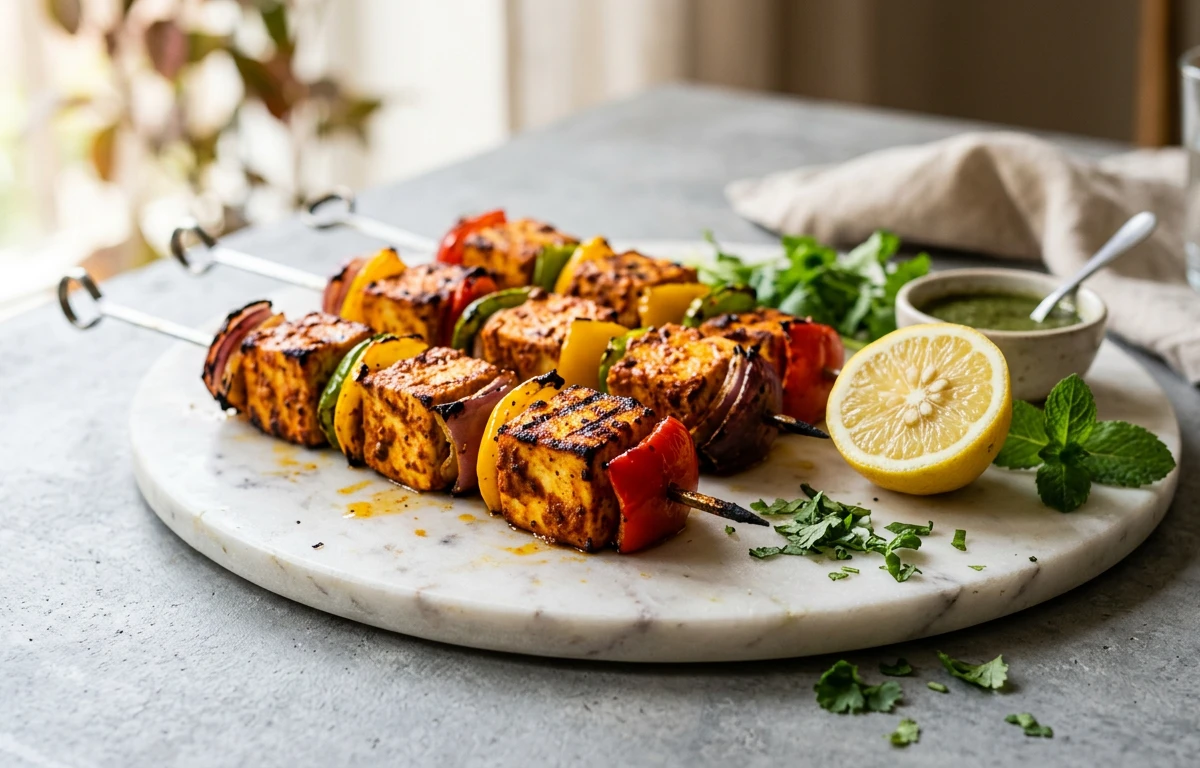
- 4Paneer is an excellent carrier of flavor; marinate it for at least 30 minutes in spices, yogurt, or herbs before grilling or pan-frying for dishes like paneer tikka.
STORAGE
Keep it fresh.
- Store fresh paneer submerged in a container of water in the refrigerator (4°C / 40°F) for up to 3-4 days, changing the water daily to maintain freshness.
- For longer storage, paneer can be frozen for up to 3 months. Wrap it tightly or use a freezer-safe container, though its texture may become slightly more crumbly after thawing.
FAQ
Frequently asked questions.
Is paneer healthy?
Paneer is a highly nutritious dairy product, rich in high-quality protein and calcium, essential for muscle building and strong bones. It also provides phosphorus, selenium, and potassium. However, it is relatively high in saturated fat and calories, so moderation is key for a balanced diet.
How much protein and calories are in paneer?
Per 100g, paneer contains approximately 321 calories and 18.3g of protein. It's also quite high in fat, with about 25g per 100g, and very low in carbohydrates at 1.2g. This makes it an excellent source of protein for vegetarians.
Is paneer good for weight loss?
Paneer can be beneficial for weight loss due to its high protein content, which promotes satiety and helps preserve muscle mass during calorie restriction. However, its high-fat and calorie density mean portion control is crucial. Incorporate it into a balanced diet with plenty of vegetables.
Is paneer vegan or vegetarian?
Paneer is vegetarian, as it is made from milk, a dairy product. However, it is not vegan because vegans avoid all animal products, including dairy. It's a popular protein source in vegetarian diets.
Is paneer gluten-free?
Yes, pure paneer is naturally gluten-free. It is made solely from milk and an acidic coagulant (like lemon juice or vinegar), with no grains or gluten-containing ingredients. Always check labels for any added ingredients if purchasing pre-packaged paneer.
Is paneer suitable for diabetics or low-carb diets?
Yes, paneer is generally suitable for diabetics and those on low-carb diets due to its very low carbohydrate content (around 1.2g per 100g). Its high protein and fat content can help manage blood sugar levels and provide sustained energy. Always monitor portion sizes due to its calorie density.
How do you cook paneer?
Paneer is incredibly versatile and can be fried, grilled, baked, or added directly to curries and gravies. It doesn't melt like other cheeses, maintaining its shape and firm texture. Popular methods include pan-frying cubes until golden or simmering it in sauces.
What does paneer taste like and what dishes is it used in?
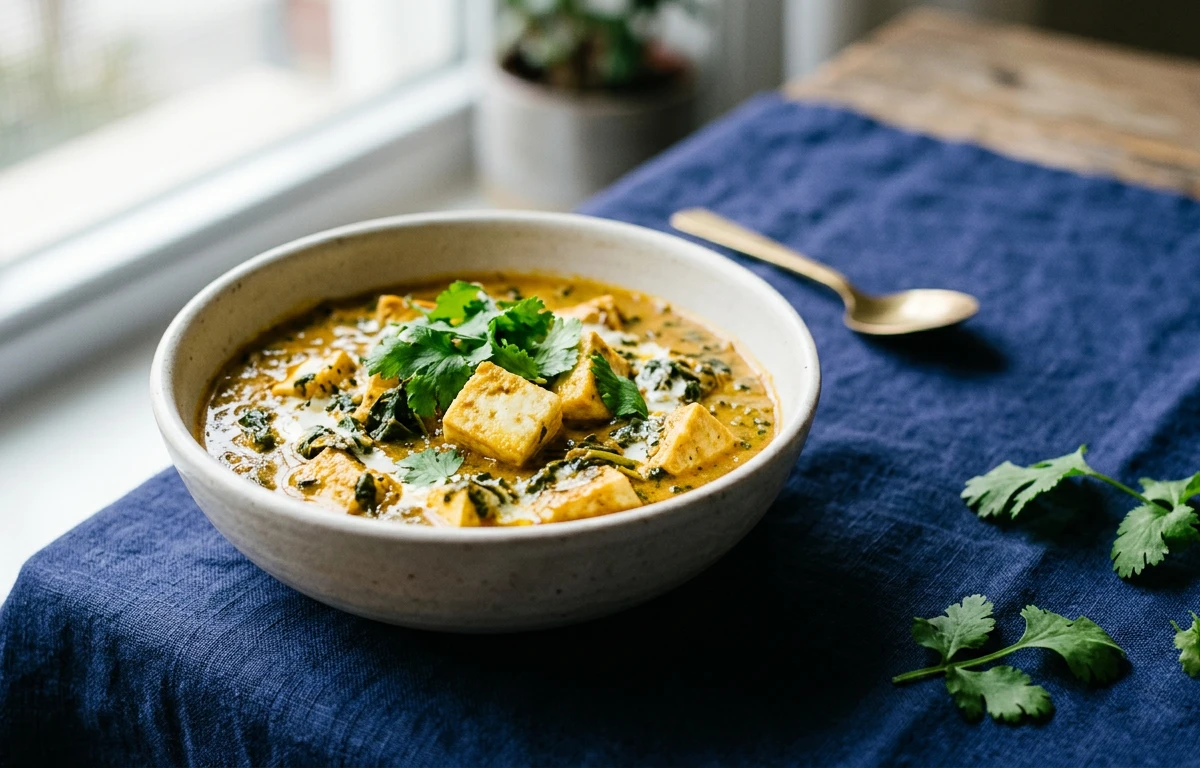
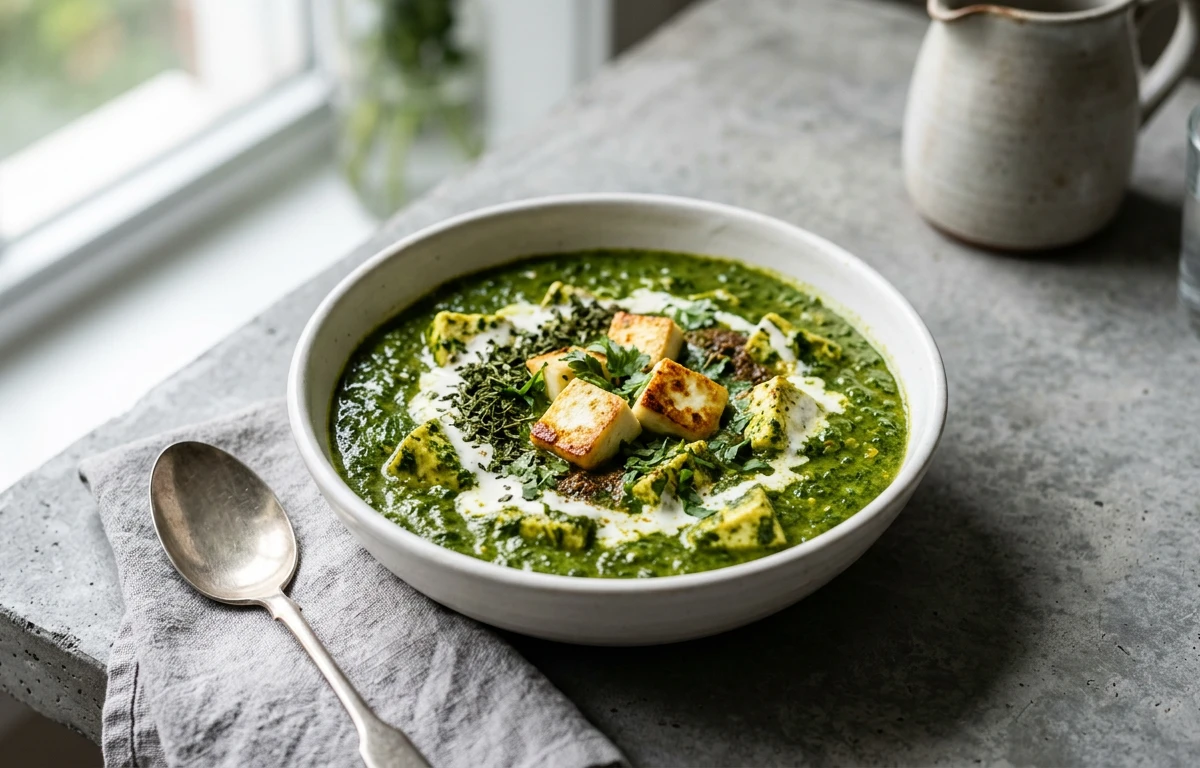
Paneer has a mild, milky, and slightly tangy flavor with a firm, crumbly, yet moist texture. It readily absorbs the flavors of spices and sauces it's cooked with. It's a staple in Indian cuisine, used in dishes like Palak Paneer, Shahi Paneer, Paneer Tikka, and various curries.
How should I store paneer?
Fresh paneer should be stored in the refrigerator, preferably submerged in cold water in an airtight container, changing the water daily. This helps keep it fresh and soft. Store it in the coldest part of your fridge for optimal freshness.
Can paneer be frozen?
Yes, paneer can be frozen to extend its shelf life. Wrap it tightly in plastic wrap or place it in an airtight freezer bag. Freezing can alter its texture slightly, making it a bit more crumbly or porous upon thawing, but it remains suitable for cooking, especially in gravies.
RECIPES
Cook with paneer.
10 recipes · sorted by what’s quick
.webp)