Spice10 recipes
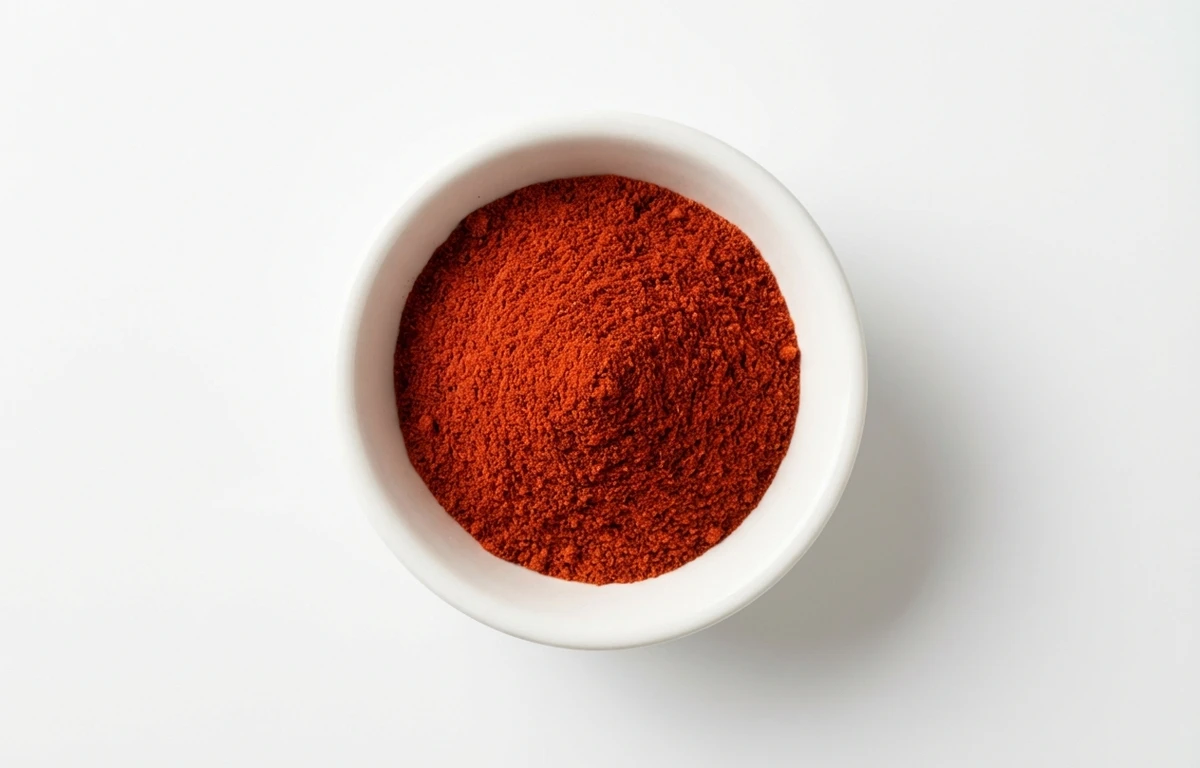
paprika.
VegetarianVeganGluten-freeDairy-freeNut-freePeanut-freeSoy-freeEgg-freeShellfish-freeHoney-freeAlcohol-free
SERVING
CALORIES
282
PROTEIN
14.1g
CARBS
27.4g
FAT
12.9g
FIBER
20.5g
NUTRITION PROFILE · per 100 g
Everything in this ingredient.
MACRONUTRIENTS
Calories282kcal—
Protein14.1g28%
Carbohydrates27.4g10%
Fiber20.5g73%
Sugar10.3g21%
Total fat12.9g17%
Saturated fat2.1g11%
Trans fat0g—
Cholesterol0mg0%
Water11.2g—
MINERALS
Sodium68mg3%
Potassium2280mg49%
Calcium229mg18%
Iron23.6mg131%
Magnesium178mg42%
Phosphorus314mg25%
Zinc4.3mg39%
Copper0.70mg78%
Manganese1.6mg70%
Selenium6.3µg11%
VITAMINS
Vitamin A2463µg274%
Vitamin C0.90mg1%
Vitamin D0µg0%
Vitamin E29.1mg194%
Vitamin K80.3µg67%
Thiamin (B1)0.30mg25%
Riboflavin (B2)1.2mg92%
Niacin (B3)10.1mg63%
Pantothenic acid (B5)2.5mg50%
Vitamin B62.1mg124%
Folate (B9)49µg12%
Vitamin B120µg0%
%DV based on a 2,000 cal diet. Source: USDA FoodData Central. A dash in the %DV column means there’s no established Daily Value for that nutrient.
MEASUREMENT CONVERSIONS
How much is what.
1 cup108g
1 tablespoon6.8g
1 teaspoon2.3g
1 oz28.4g
1 lb453.6g
1 ml2.2g
1 liter460g
HEALTH BENEFITS
Why eat it.
- ✓Rich in antioxidants like carotenoids that protect cells
- ✓Extremely high in Vitamin A which supports eye health
- ✓Contains capsaicin which may have anti-inflammatory properties
- ✓Good source of iron to support healthy blood oxygen levels
- ✓May help improve cholesterol levels and heart health
COOKING TIPS
In the kitchen.
- 1Add to warm oil (blooming) to release its full flavor and vibrant color
- 2Be careful not to overheat as paprika has a high sugar content and burns easily, becoming bitter
- 3Use as a garnish at the end of cooking for a pop of color without intense heat
STORAGE
Keep it fresh.
- Store in a cool, dark place away from direct sunlight to prevent color fading
- Keep in an airtight container to maintain potency and prevent clumping
- Avoid storing above the stove as heat and steam degrade the flavor quickly
FAQ
Frequently asked questions.
How long does paprika stay fresh?
When stored properly in a cool, dark place, ground paprika maintains its best quality for about 6 to 12 months. It doesn't 'spoil' but loses its flavor and vibrant red color over time.
What is the best substitute for regular paprika?
Chili powder is the closest substitute, though it often contains other spices. For heat, use a small amount of cayenne; for color, use annatto powder; for depth, use smoked paprika.
Can I freeze paprika to make it last longer?
It is not recommended. Condensation from the freezing and thawing process can introduce moisture, leading to clumping and mold growth.
How can I tell if my paprika has gone bad?
Check the color and scent. If the vibrant red has turned dull or brownish, or if the characteristic sweet/peppery aroma is gone, the spice is stale and should be replaced.
What is the difference between sweet, hot, and smoked paprika?
Sweet paprika is mild and made from bright red peppers; hot paprika includes the spicy pith and seeds; smoked paprika (pimentón) is made from peppers dried over oak fires.
Is paprika spicy?
Most standard 'sweet' paprika found in grocery stores is very mild. However, Hungarian varieties range from delicate and sweet to quite pungent and hot.
How do I prevent paprika from clumping?
Keep it away from steam. Never shake the spice bottle directly over a steaming pot; instead, measure it into a spoon away from the heat.
Why is my paprika bitter?
Paprika becomes bitter if it is scorched or cooked at too high a temperature for too long. It is best added toward the middle or end of the cooking process.
RECIPES
Cook with paprika.
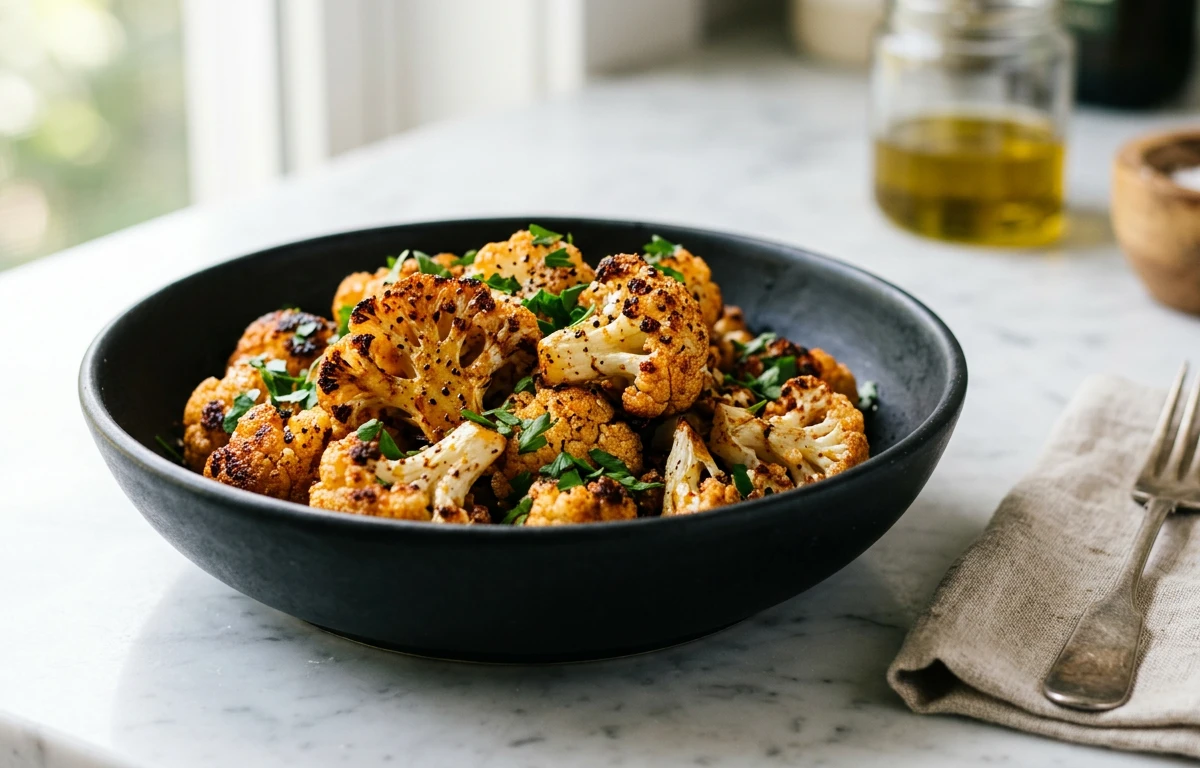
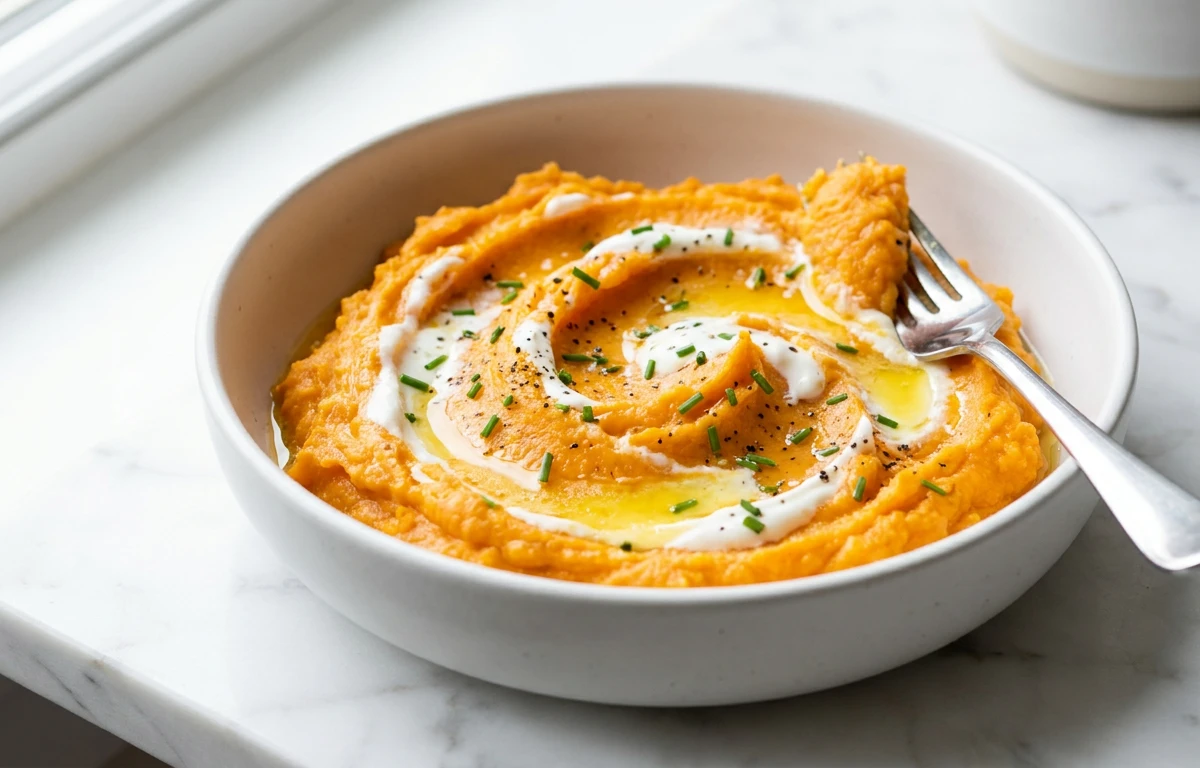
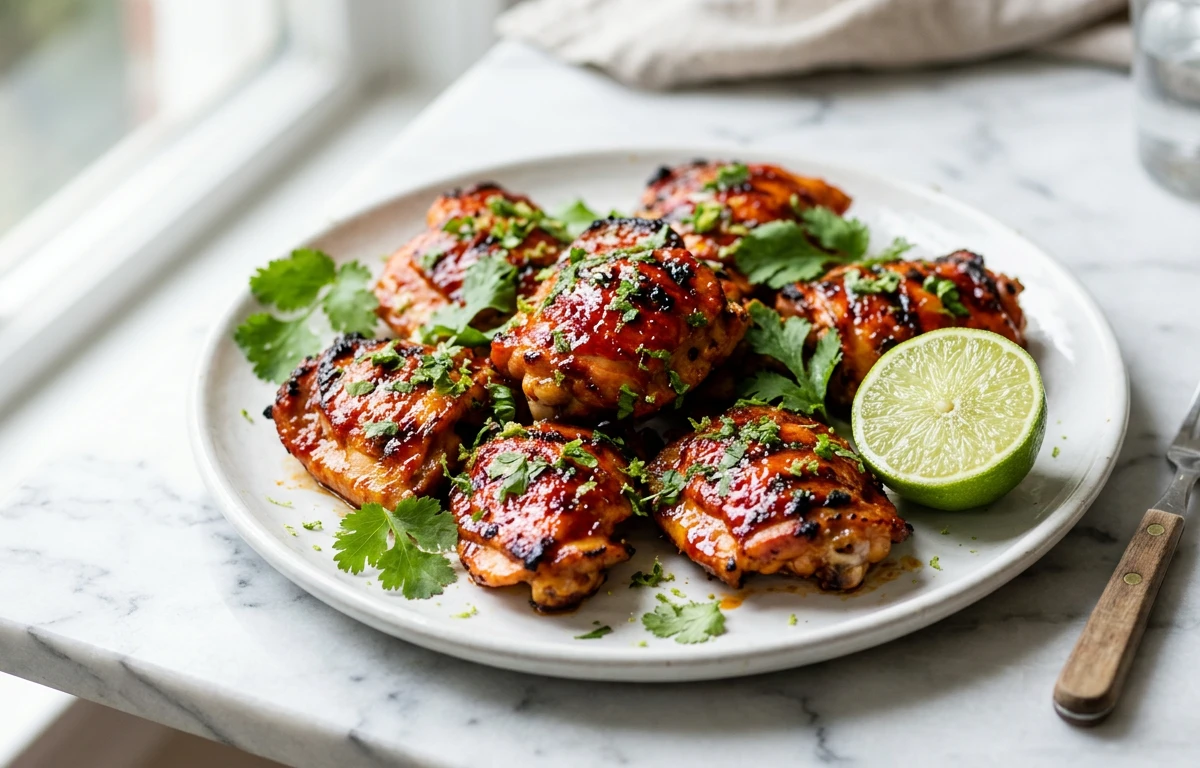
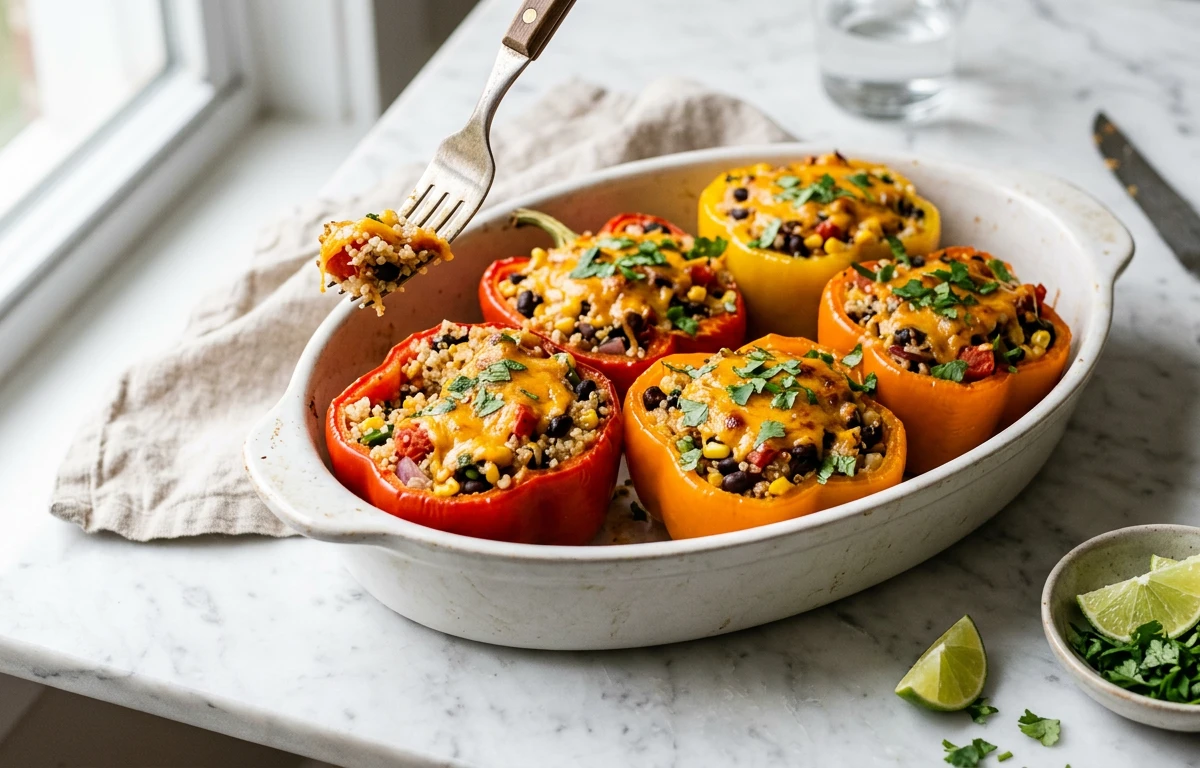
10 recipes · sorted by what’s quick