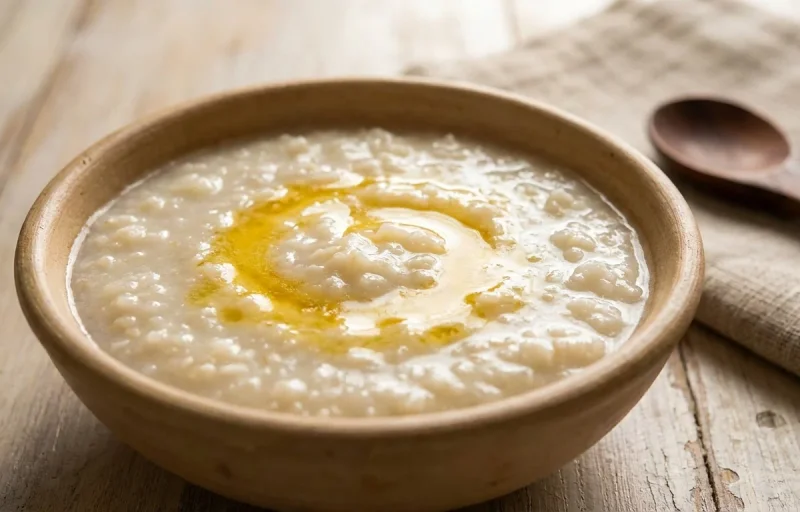
Grain10 recipes
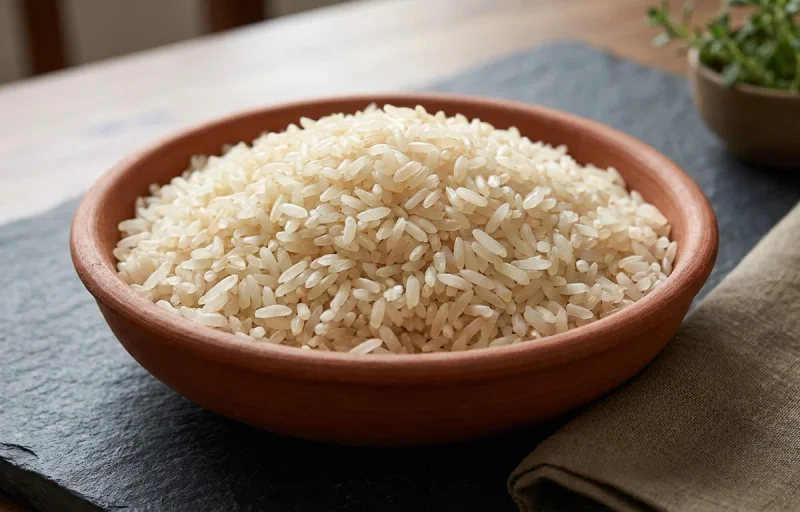
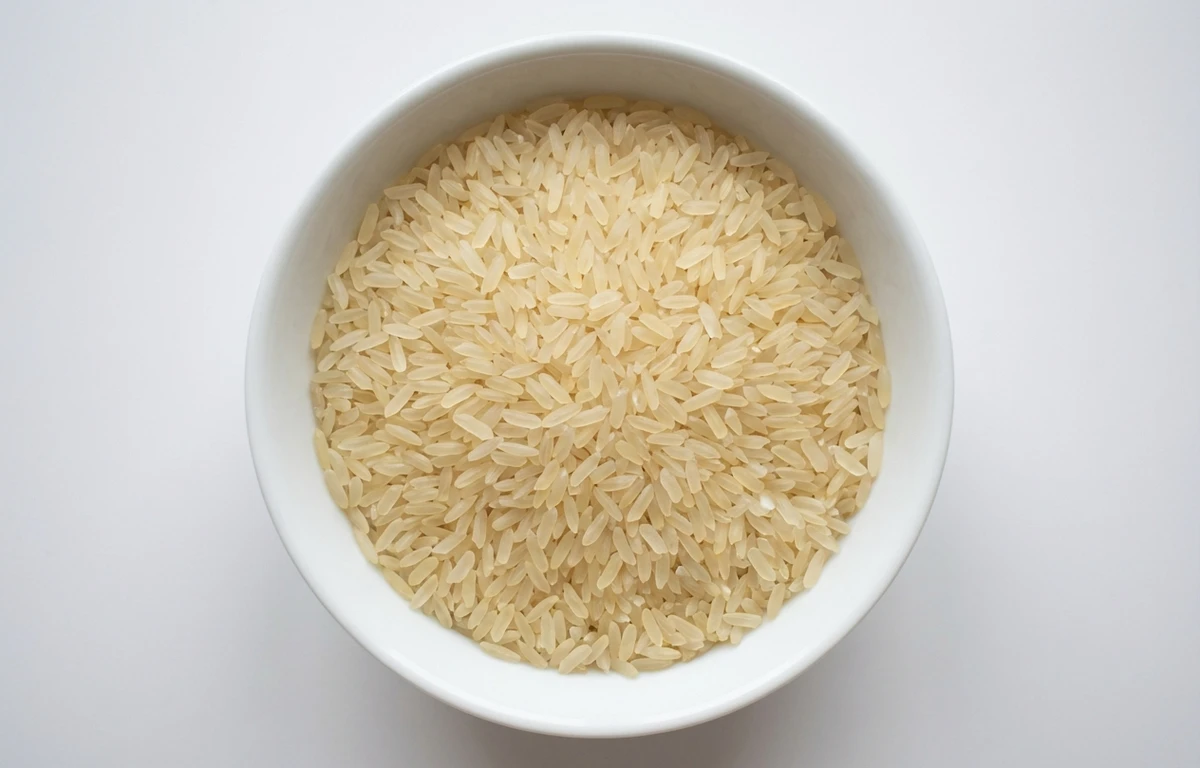
parboiled rice.
VegetarianVeganGluten-freeDairy-freeNut-freePeanut-freeSoy-freeEgg-freeShellfish-freeHoney-freeAlcohol-free
ALSO KNOWN AS
converted ricesella ricepuzhungal arisiukada chawalpuzhungal chawalpuzhungal akkipuzhungal ari
SERVING
CALORIES
357
PROTEIN
7.5g
CARBS
77g
FAT
0.50g
FIBER
1.8g
NUTRITION PROFILE · per 100 g
Everything in this ingredient.
MACRONUTRIENTS
Calories357kcal—
Protein7.5g15%
Carbohydrates77g28%
Fiber1.8g6%
Sugar0.10g0%
Total fat0.50g1%
Saturated fat0.10g1%
Trans fat0g—
Cholesterol0mg0%
Water11.5g—
MINERALS
Sodium5.0mg0%
Potassium150mg3%
Calcium25mg2%
Iron1.2mg7%
Magnesium25mg6%
Phosphorus120mg10%
Zinc1.1mg10%
Copper0.15mg17%
Manganese1.1mg48%
Selenium15µg27%
VITAMINS
Vitamin A0µg0%
Vitamin C0mg0%
Vitamin D0µg0%
Vitamin E0.10mg1%
Vitamin K0.10µg0%
Thiamin (B1)0.23mg19%
Riboflavin (B2)0.02mg2%
Niacin (B3)3.5mg22%
Pantothenic acid (B5)0.50mg10%
Vitamin B60.20mg12%
Folate (B9)35µg9%
Vitamin B120µg0%
%DV based on a 2,000 cal diet. Source: USDA FoodData Central. A dash in the %DV column means there’s no established Daily Value for that nutrient.
MEASUREMENT CONVERSIONS
How much is what.
1 cup185g
1 tablespoon12g
1 teaspoon4g
1 oz28.4g
1 lb453.6g
1 liter850g
HEALTH BENEFITS
Why eat it.
- ✓Lower glycemic index compared to regular white rice
- ✓Higher concentration of B vitamins due to parboiling process
- ✓Acts as a prebiotic, supporting beneficial gut bacteria
- ✓Naturally gluten-free and easy to digest
- ✓Provides sustained energy release
COOKING TIPS
In the kitchen.
- 1Soak for 20-30 minutes before cooking to ensure even texture and shorter cook time
- 2Use a water-to-rice ratio of 2.5:1 for stovetop cooking
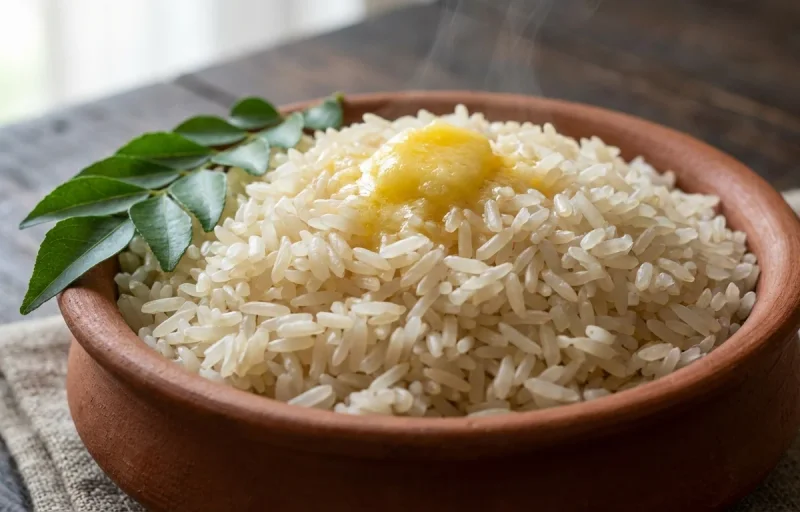
- 3Fluff with a fork after cooking and let it rest for 5 minutes to prevent clumping
STORAGE
Keep it fresh.
- Store in a cool, dry place in an airtight container to prevent moisture absorption
- Can be stored for up to 12-24 months if kept away from direct sunlight
- Keep away from strong-smelling foods as rice can absorb surrounding odors
FAQ
Frequently asked questions.
How long does parboiled rice last?
Uncooked parboiled rice lasts for 1-2 years in an airtight container. Once cooked, it stays fresh in the fridge for 3-5 days.
Is parboiled rice healthier than white rice?
Yes, the parboiling process forces nutrients from the husk into the grain, making it nutritionally closer to brown rice than white rice.
Can I freeze cooked parboiled rice?
Yes, cooked parboiled rice freezes very well. Store it in freezer-safe bags for up to 6 months.
What is a good substitute for parboiled rice?
Basmati rice or long-grain white rice are the best substitutes, though they may cook faster and have a softer texture.
Does parboiled rice contain gluten?
No, parboiled rice is naturally gluten-free and safe for those with celiac disease or gluten sensitivity.
Why is parboiled rice yellow or golden?
The golden tint comes from the pigments and nutrients absorbed from the bran and husk during the steaming process.
How do I pick the best quality parboiled rice?
Look for grains that are uniform in size, translucent, and free from black specks or debris.
Is parboiled rice suitable for diabetics?
It has a lower glycemic index (around 38-46) than regular white rice, making it a better option for blood sugar management.
Do I need to wash parboiled rice?
Yes, rinsing 2-3 times helps remove excess surface starch, ensuring the grains remain separate and fluffy after cooking.
RECIPES
Cook with parboiled rice.
10 recipes · sorted by what’s quick