Grain10 recipes
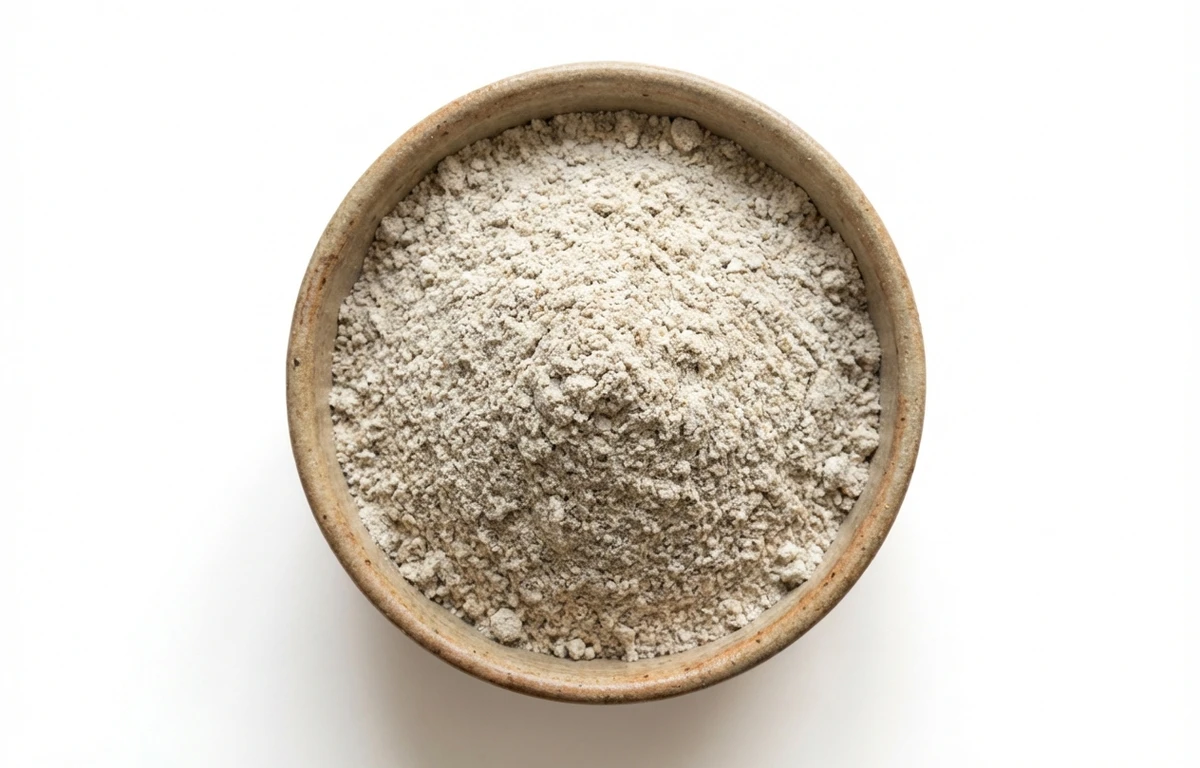
pearl millet flour.
VegetarianVeganGluten-freeDairy-freeNut-freePeanut-freeSoy-freeEgg-freeShellfish-freeHoney-freeAlcohol-freeWhole grain
ALSO KNOWN AS
bajra attabajra flourbajra pearl millet flour
SERVING
CALORIES
378
PROTEIN
11.6g
CARBS
72.8g
FAT
4.8g
FIBER
8.5g
NUTRITION PROFILE · per 100 g
Everything in this ingredient.
MACRONUTRIENTS
Calories378kcal—
Protein11.6g23%
Carbohydrates72.8g26%
Fiber8.5g30%
Sugar0.50g1%
Total fat4.8g6%
Saturated fat0.70g3%
Trans fat0g—
Cholesterol0mg0%
Water10g—
MINERALS
Sodium5.0mg0%
Potassium307mg7%
Calcium8.0mg1%
Iron8.0mg44%
Magnesium114mg27%
Phosphorus285mg23%
Zinc3.1mg28%
Copper0.50mg56%
Manganese1.1mg48%
Selenium2.7µg5%
VITAMINS
Vitamin A0µg0%
Vitamin C0mg0%
Vitamin D0µg0%
Vitamin E0.05mg0%
Vitamin K0.90µg1%
Thiamin (B1)0.42mg35%
Riboflavin (B2)0.29mg22%
Niacin (B3)4.7mg29%
Pantothenic acid (B5)0.80mg16%
Vitamin B60.38mg22%
Folate (B9)85µg21%
Vitamin B120µg0%
%DV based on a 2,000 cal diet. Source: USDA FoodData Central. A dash in the %DV column means there’s no established Daily Value for that nutrient.
MEASUREMENT CONVERSIONS
How much is what.
1 cup115g
1 tablespoon7.2g
1 teaspoon2.4g
1 ml0.5g
1 liter480g
HEALTH BENEFITS
Why eat it.
- ✓Naturally gluten-free, making it an excellent choice for individuals with celiac disease or gluten sensitivity.
- ✓Rich in iron, magnesium, and phosphorus, which are essential for energy production, bone health, and red blood cell formation.
- ✓High in dietary fiber, which aids in digestion, promotes satiety, and helps regulate blood sugar levels.
- ✓Contains antioxidants like phenolic compounds that help combat oxidative stress in the body.
COOKING TIPS
In the kitchen.
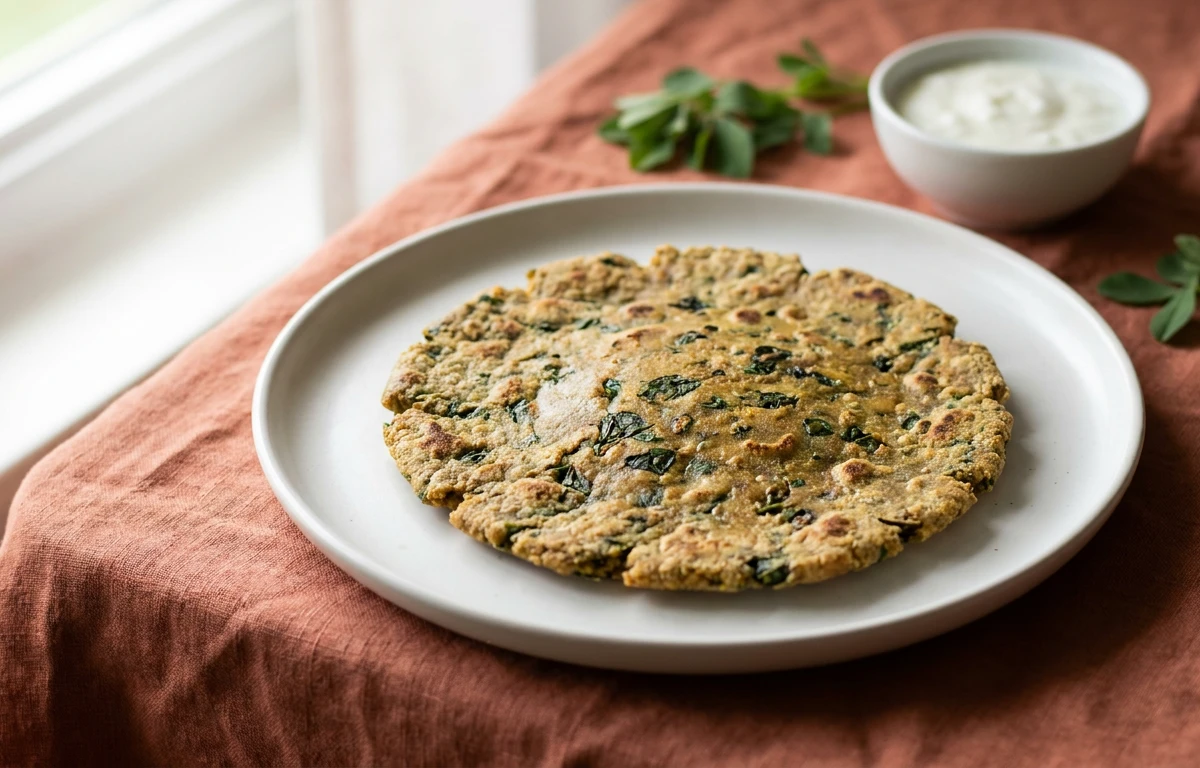
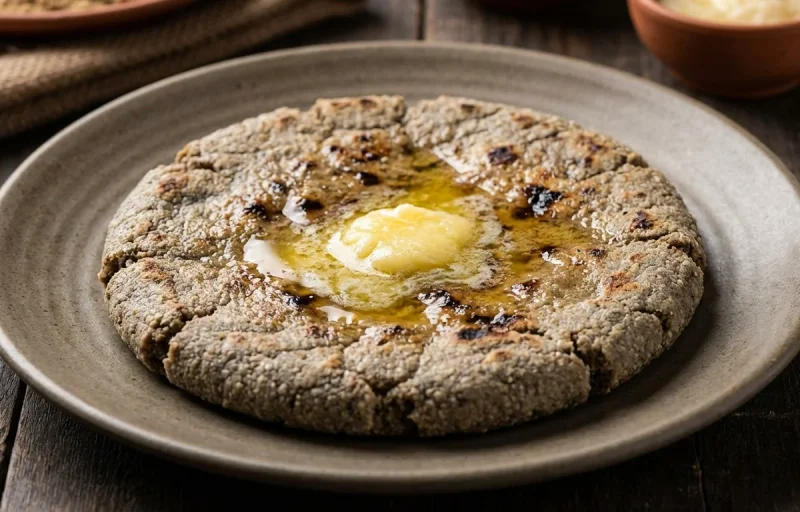
- 1Use hot water when making dough for flatbreads (like Indian bhakri or rotla). This helps to gelatinize the starches, making the dough more pliable and easier to handle.
- 2Since it's gluten-free, it won't rise like wheat flour. When using in baking, combine it with other flours and a binding agent like xanthan gum or psyllium husk for better structure.
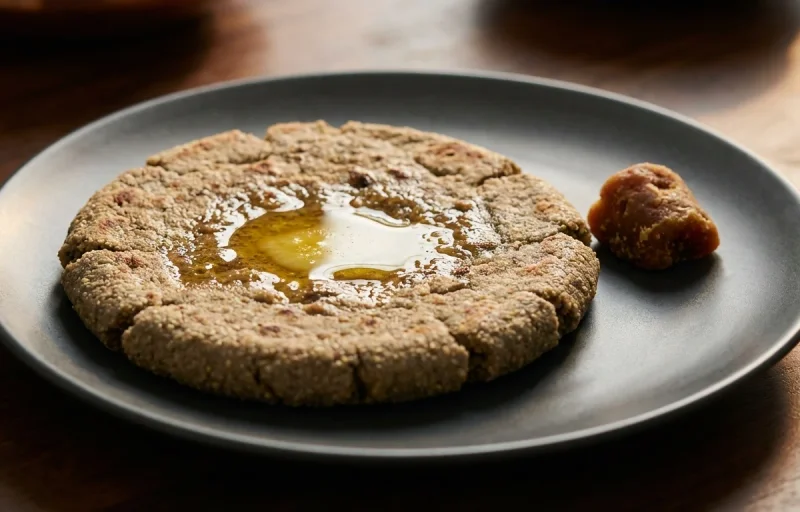
- 3Pearl millet flour has a distinct nutty and slightly sweet flavor that pairs well with savory spices like cumin and coriander, or with sweeteners like jaggery.
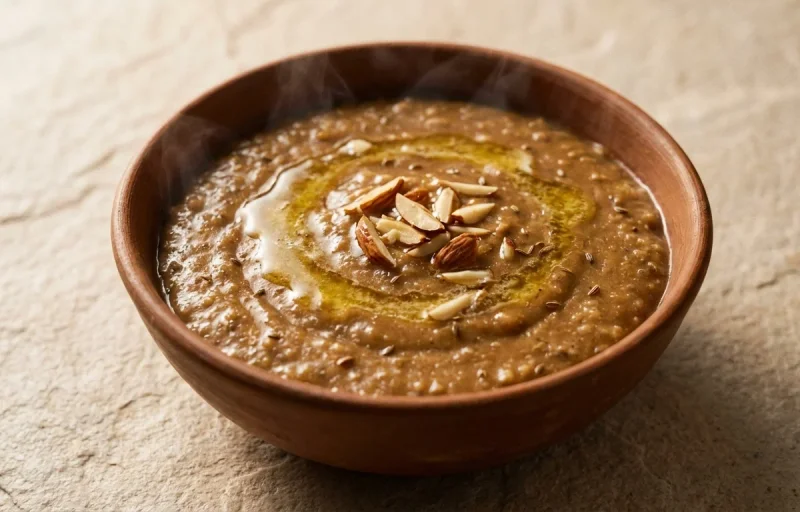
- 4It can be used to make a nutritious porridge or as a thickener for soups and stews, adding both nutrients and a creamy texture.
STORAGE
Keep it fresh.
- Store in an airtight container in a cool, dark, and dry place, such as a pantry, for up to 3 months.
- For longer-term storage (up to 6 months), place the airtight container in the refrigerator or freezer to prevent the natural oils from going rancid.
FAQ
Frequently asked questions.
Is pearl millet flour healthy?
Yes, pearl millet flour is very healthy. It is naturally gluten-free, rich in essential minerals like iron, magnesium, and phosphorus, and high in dietary fiber. These nutrients support energy production, bone health, digestion, and help regulate blood sugar levels.
What are the nutritional values of pearl millet flour?
Per 100g, pearl millet flour contains approximately 378 calories, 11.6g of protein, 72.8g of carbohydrates, and 4.8g of fat. It is also a good source of dietary fiber, which contributes to digestive health and satiety.
Is pearl millet flour gluten-free?
Yes, pearl millet flour is naturally gluten-free. This makes it an excellent and safe grain option for individuals with celiac disease, gluten sensitivity, or those following a gluten-free diet.
Is pearl millet flour good for diabetics?
Pearl millet flour can be beneficial for diabetics due to its high dietary fiber content. Fiber helps slow down the absorption of sugar into the bloodstream, which can aid in regulating blood glucose levels and preventing sharp spikes.
Is pearl millet flour keto-friendly?
No, pearl millet flour is not keto-friendly. With approximately 72.8g of carbohydrates per 100g, it is too high in carbs to fit into a ketogenic diet, which typically restricts daily carbohydrate intake to a much lower amount.
How can I use pearl millet flour in cooking?
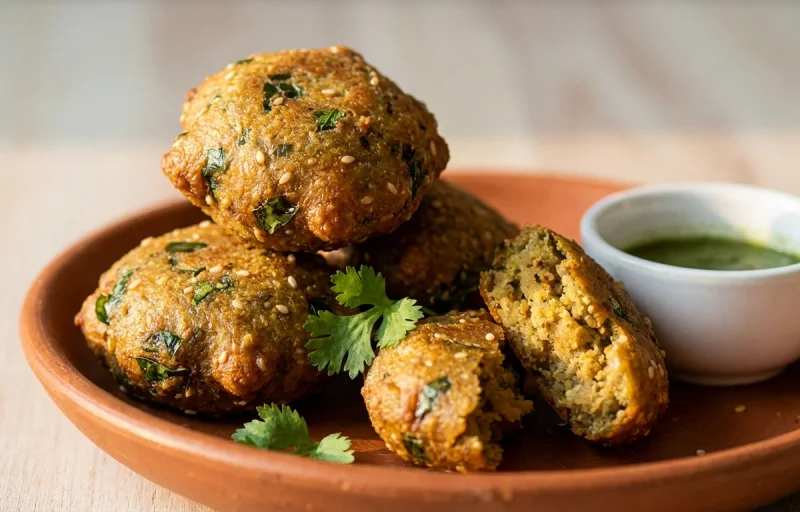
Pearl millet flour is versatile and commonly used to make traditional flatbreads like 'bajra roti' or 'bhakri'. It can also be incorporated into porridges, pancakes, muffins, or blended with other flours for baking to add a unique flavor and nutritional boost.
What does pearl millet flour taste like?
Pearl millet flour has a distinct nutty and slightly earthy flavor. It's more robust than wheat flour and can add a unique depth of taste to dishes, especially in traditional Indian and African cuisines.
How should I store pearl millet flour?
To maintain freshness, store pearl millet flour in an airtight container in a cool, dry, and dark place. For extended shelf life, especially in warmer climates, it can be stored in the refrigerator or freezer.
Does pearl millet flour offer any unique health benefits compared to other flours?
Beyond being gluten-free, pearl millet flour stands out for its high content of specific micronutrients like iron, magnesium, and phosphorus, which are crucial for various bodily functions. Its significant fiber content also aids in digestion and blood sugar management more effectively than many refined flours.
Can pearl millet flour be used as a substitute for wheat flour in recipes?
Yes, pearl millet flour can substitute wheat flour, especially in gluten-free recipes. However, due to the absence of gluten, it won't provide the same elasticity, so it's often best used in combination with other gluten-free flours or binders for optimal texture in baked goods.
RECIPES
Cook with pearl millet flour.
10 recipes · sorted by what’s quick
.webp)