Dairy10 recipes
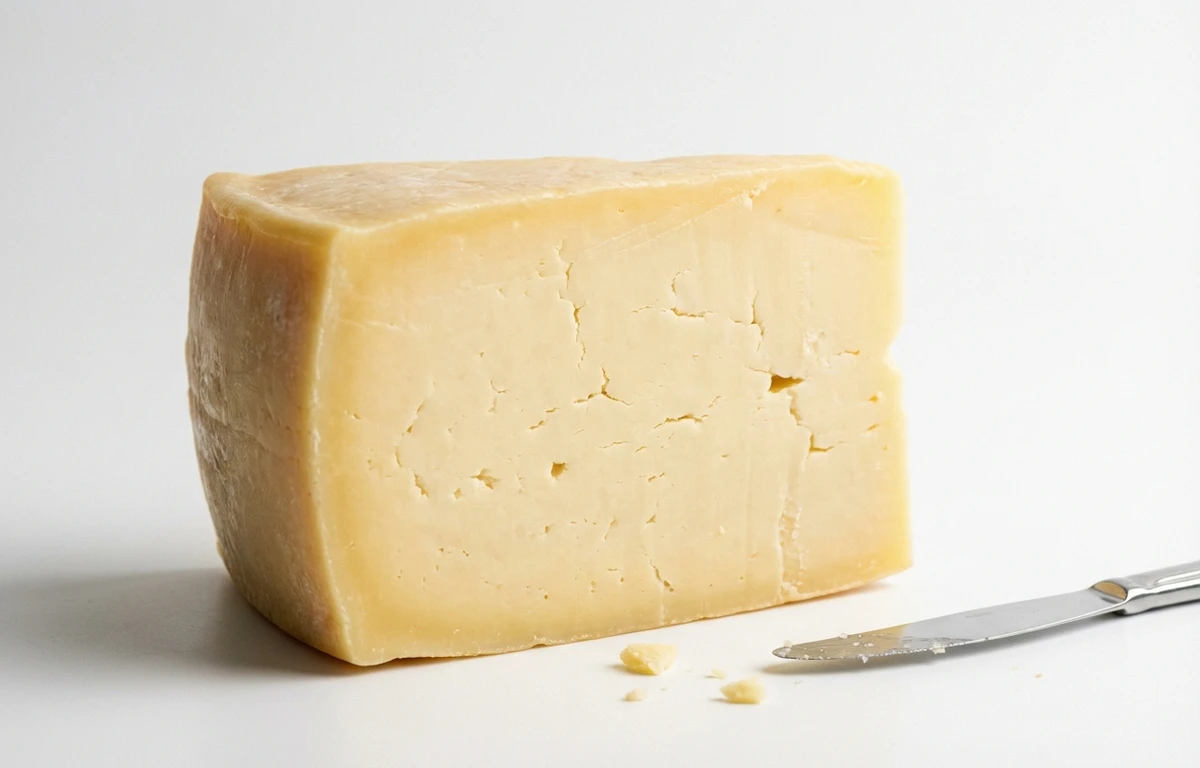
provolone cheese.
VegetarianVeganGluten-freeDairy-freeNut-freePeanut-freeSoy-freeEgg-freeShellfish-freeHoney-freeAlcohol-freeFermented
SERVING
CALORIES
351
PROTEIN
25.6g
CARBS
2.1g
FAT
26.6g
FIBER
0g
NUTRITION PROFILE · per 100 g
Everything in this ingredient.
MACRONUTRIENTS
Calories351kcal—
Protein25.6g51%
Carbohydrates2.1g1%
Fiber0g0%
Sugar0.60g1%
Total fat26.6g34%
Saturated fat17.1g86%
Trans fat0g—
Cholesterol69mg23%
Water41g—
MINERALS
Sodium876mg38%
Potassium138mg3%
Calcium756mg58%
Iron0.50mg3%
Magnesium28mg7%
Phosphorus496mg40%
Zinc3.1mg28%
Copper0.03mg3%
Manganese0.01mg0%
Selenium14.5µg26%
VITAMINS
Vitamin A210µg23%
Vitamin C0mg0%
Vitamin D0.50µg3%
Vitamin E0.20mg1%
Vitamin K2.3µg2%
Thiamin (B1)0.03mg3%
Riboflavin (B2)0.30mg23%
Niacin (B3)0.10mg1%
Pantothenic acid (B5)0.40mg8%
Vitamin B60.07mg4%
Folate (B9)10µg3%
Vitamin B121.5µg63%
%DV based on a 2,000 cal diet. Source: USDA FoodData Central. A dash in the %DV column means there’s no established Daily Value for that nutrient.
MEASUREMENT CONVERSIONS
How much is what.
1 cup132g
1 oz28.4g
1 lb453.6g
HEALTH BENEFITS
Why eat it.
- ✓Excellent source of calcium for bone health
- ✓High protein content supports muscle maintenance
- ✓Provides essential Vitamin B12 for nerve function
- ✓Contains phosphorus which aids in energy metabolism
- ✓Low in carbohydrates, suitable for ketogenic diets
COOKING TIPS
In the kitchen.
- 1Bring to room temperature for 30 minutes before serving to fully develop its flavor profile.
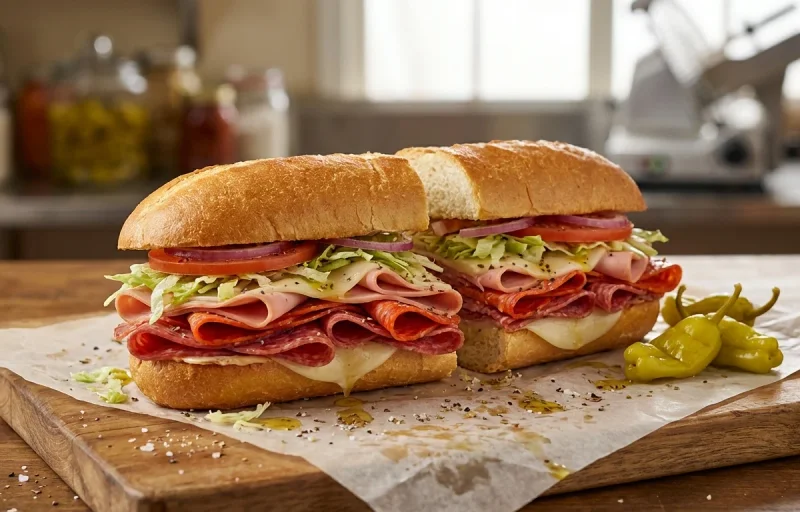
- 2Use as a melting cheese for hot sandwiches like Philly cheesesteaks or paninis due to its excellent elasticity.
- 3Grate over casseroles or pasta dishes for a mild, creamy finish that browns beautifully.
STORAGE
Keep it fresh.
- Wrap tightly in wax or parchment paper, then a layer of plastic wrap to allow the cheese to breathe.
- Store in the vegetable crisper drawer of the refrigerator where temperature and humidity are most consistent.
- Keep away from strong-smelling foods as cheese easily absorbs external odors.
FAQ
Frequently asked questions.
Is provolone cheese vegetarian?
Traditional provolone is often not vegetarian because it is typically made using animal rennet (an enzyme from the stomach of calves). Check the label for 'microbial rennet' if you require a vegetarian version.
How long does provolone cheese last in the fridge?
When properly stored, an opened block of provolone cheese will last for 2 to 3 weeks. Sliced provolone usually lasts about 1 to 2 weeks.
Can you freeze provolone cheese?
Yes, you can freeze it for up to 6 months. However, the texture may become crumbly once thawed, so frozen provolone is best used for melting in cooked dishes.
What is a good substitute for provolone?
Mozzarella is the best substitute for melting. For flavor, mild white cheddar, Monterey Jack, or Scamorza are excellent alternatives.
What is the difference between Provolone Dolce and Piccante?
Dolce is aged for a short period (2-3 months) and has a mild, sweet taste. Piccante is aged longer (4 months to a year) and has a sharper, more pungent flavor.
How can I tell if provolone has gone bad?
Look for signs of mold that isn't part of the cheese's natural state, a slimy texture, or a sour, ammonia-like smell. If it is hard and darkened at the edges, it may just be dried out, but off-odors indicate spoilage.
Is provolone cheese lactose-free?
Provolone is very low in lactose because most of the lactose is removed during the cheesemaking and aging process, but it is not strictly lactose-free.
What foods pair well with provolone?
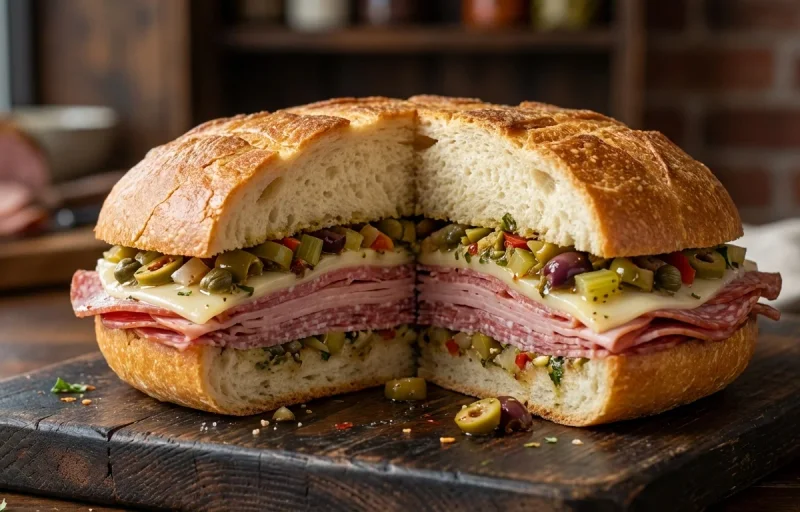
It pairs excellently with cured meats (salami, prosciutto), olives, roasted red peppers, grapes, and crusty Italian bread.
RECIPES
Cook with provolone cheese.
10 recipes · sorted by what’s quick