Spice10 recipes
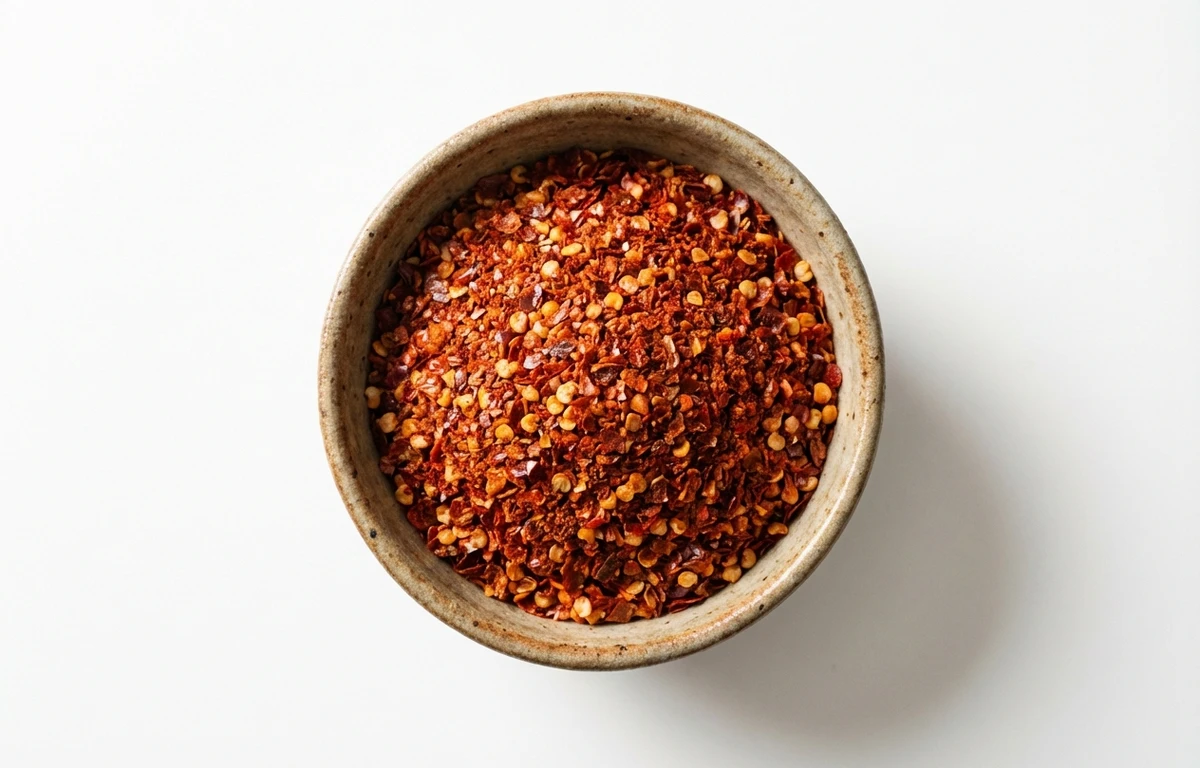
red pepper flakes.
VegetarianVeganGluten-freeDairy-freeNut-freePeanut-freeSoy-freeEgg-freeShellfish-freeHoney-freeAlcohol-free
ALSO KNOWN AS
crushed red pepperchili flakespizza flakesdried chili flakescrushed chilired chili flakescrushed red pepper flakeslal mirch flakespepper flakes
SERVING
CALORIES
376
PROTEIN
12g
CARBS
49.7g
FAT
14.3g
FIBER
27.2g
NUTRITION PROFILE · per 100 g
Everything in this ingredient.
MACRONUTRIENTS
Calories376kcal—
Protein12g24%
Carbohydrates49.7g18%
Fiber27.2g97%
Sugar7.2g14%
Total fat14.3g18%
Saturated fat2.5g13%
Trans fat0g—
Cholesterol0mg0%
Water7.1g—
MINERALS
Sodium77mg3%
Potassium1870mg40%
Calcium148mg11%
Iron6.0mg33%
Magnesium152mg36%
Phosphorus300mg24%
Zinc2.5mg23%
Copper0.40mg44%
Manganese1.9mg83%
Selenium2.8µg5%
VITAMINS
Vitamin A2080µg231%
Vitamin C1.5mg2%
Vitamin D0µg0%
Vitamin E29.8mg199%
Vitamin K80.3µg67%
Thiamin (B1)0.30mg25%
Riboflavin (B2)0.90mg69%
Niacin (B3)8.7mg54%
Pantothenic acid (B5)1.2mg24%
Vitamin B62.1mg124%
Folate (B9)52µg13%
Vitamin B120µg0%
%DV based on a 2,000 cal diet. Source: USDA FoodData Central. A dash in the %DV column means there’s no established Daily Value for that nutrient.
MEASUREMENT CONVERSIONS
How much is what.
1 cup120g
1 tablespoon7.5g
1 teaspoon2.5g
1 oz28.4g
1 lb453.6g
1 ml0.5g
HEALTH BENEFITS
Why eat it.
- ✓Contains capsaicin which may boost metabolic rate
- ✓Rich in Vitamin A for eye health and immune support
- ✓May help reduce inflammation in the body
- ✓Can aid in pain relief by desensitizing pain receptors
- ✓Supports cardiovascular health by improving circulation
COOKING TIPS
In the kitchen.
- 1Add to hot oil at the start of cooking to infuse the entire dish with heat
- 2Sprinkle over finished dishes like pizza or pasta for a fresh spicy kick
- 3Toast lightly in a dry pan for 30 seconds to release aromatic oils
STORAGE
Keep it fresh.
- Store in a cool, dark, and dry place to maintain potency
- Keep in an airtight glass container to prevent moisture absorption
- Avoid storing near the stove as heat degrades the flavor and color
FAQ
Frequently asked questions.
How long do red pepper flakes last?
They typically stay potent for 1 to 2 years if stored in a cool, dark place. They don't spoil but lose their heat and color over time.
What is a good substitute for red pepper flakes?
Cayenne pepper (use half the amount), chili powder, or fresh chopped Thai chilies are excellent alternatives.
Are red pepper flakes the same as chili flakes?
Yes, they are generally the same, though 'red pepper flakes' usually refers to a mix of different peppers including cayenne.
How can I tell if my red pepper flakes are still good?
Check the color; they should be vibrant red. If they look dull or brown and have no spicy aroma when crushed, they should be replaced.
Can I freeze red pepper flakes?
Yes, you can freeze them in an airtight container to extend their shelf life, though it is not strictly necessary if kept dry.
Are red pepper flakes very spicy?
They have a moderate heat level, usually ranging from 30,000 to 50,000 Scoville Heat Units, depending on the pepper blend used.
How do I reduce the heat if I added too many flakes?
Add a dairy product like cream or yogurt, or an acid like lemon juice or vinegar to help neutralize the capsaicin.
What peppers are used to make red pepper flakes?
Most commercial flakes are a blend of peppers, with cayenne pepper being the most common base ingredient.
Are red pepper flakes healthy?
Yes, they are low in calories and contain capsaicin, which has various metabolic and anti-inflammatory benefits.
Do red pepper flakes contain seeds?
Yes, most varieties include the seeds, which actually contain a significant portion of the pepper's heat.
RECIPES
Cook with red pepper flakes.
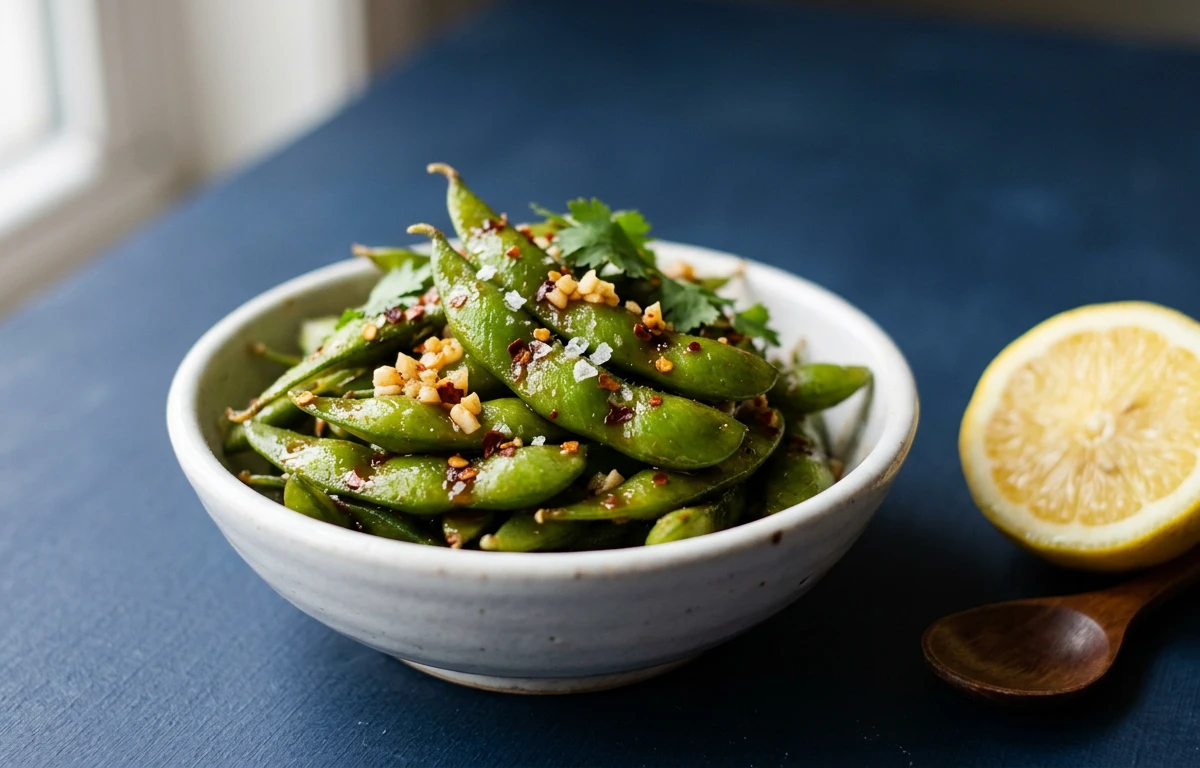
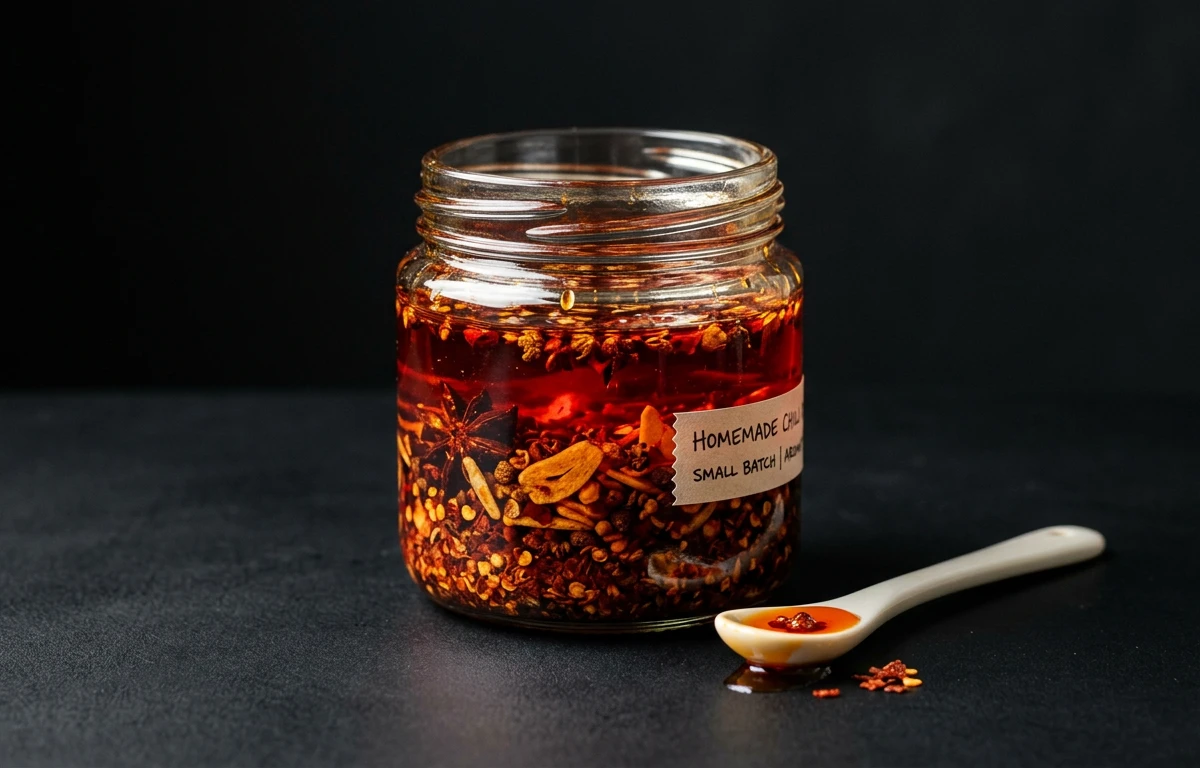
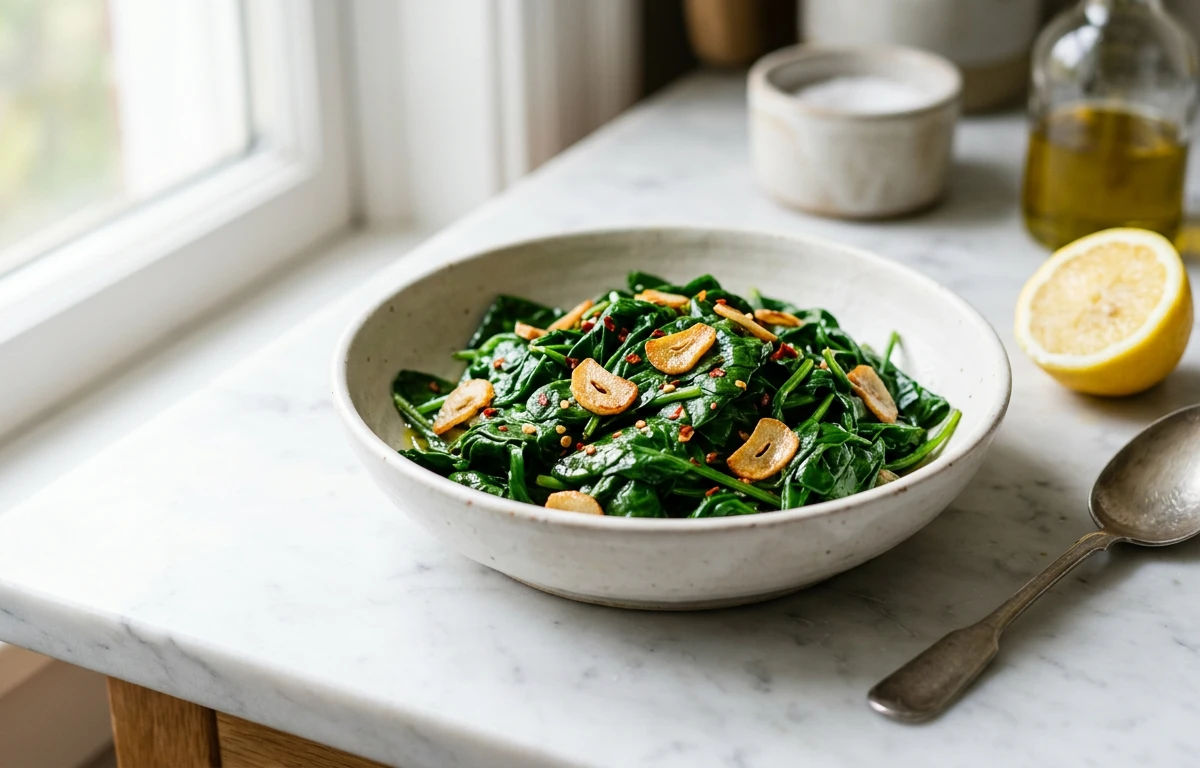
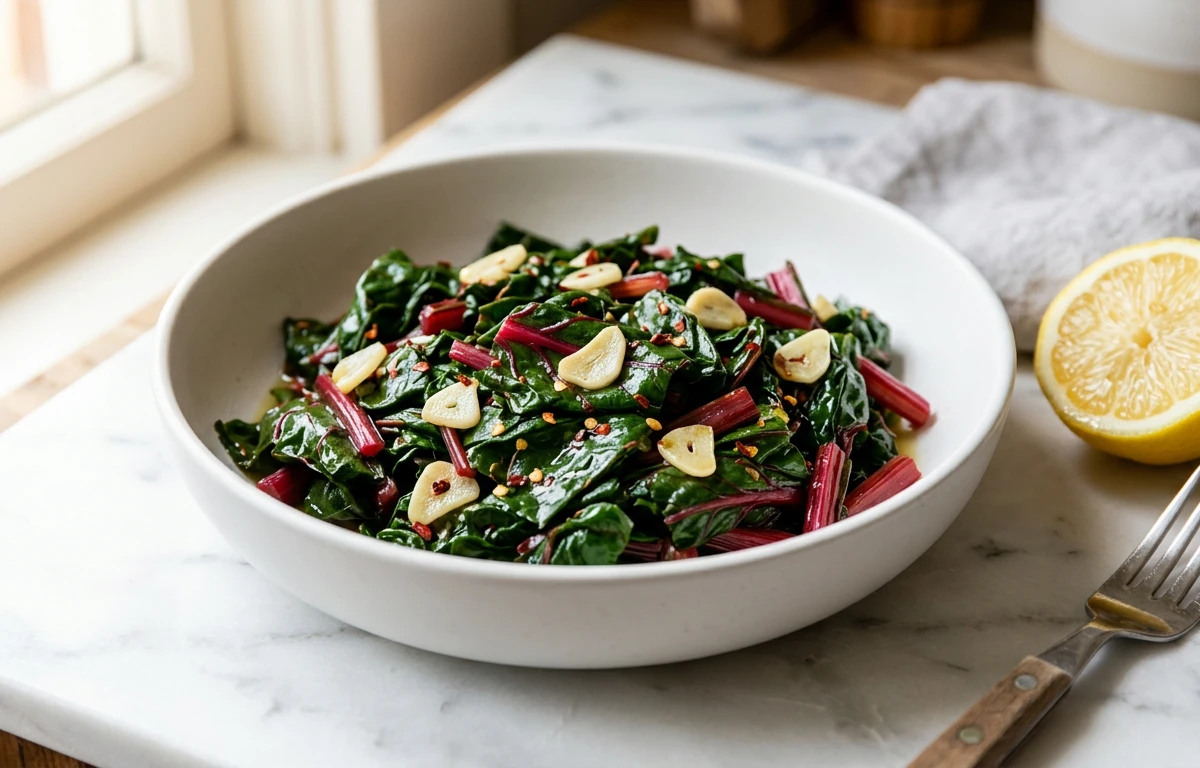
10 recipes · sorted by what’s quick