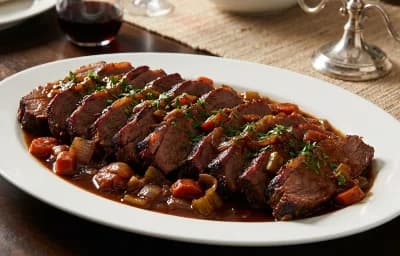
red wine
Also known as: burgundy, red
Loading...
Also known as: burgundy, red
Per 100g
Nutrition data source: USDA FoodData Central
Common measurement equivalents in grams
A vibrant mix of tender baby spinach, salty feta cheese, and crunchy toasted walnuts. Drizzled with a zesty red wine vinaigrette, this classic salad is a perfect light lunch or a refreshing side dish that comes together in minutes.
A crisp, refreshing salad featuring tangy feta cheese crumbled over a bed of fresh mixed greens, cherry tomatoes, and cucumber, all tossed in a light and zesty red wine vinaigrette. Ready in minutes, it's the perfect light lunch or vibrant side dish.
A refreshing and simple salad with juicy cherry tomatoes, crisp cucumber, and sharp red onion tossed in a light red wine vinaigrette. Perfect as a light side for any summer meal and ready in minutes.
A refreshing and classic salad featuring juicy, ripe tomatoes tossed in a simple red wine vinaigrette with fresh basil and thinly sliced red onion. The perfect light side dish for any summer meal.
A refreshing and classic American salad featuring crisp baby spinach, tangy feta cheese, and crunchy walnuts. Tossed in a simple homemade red wine vinaigrette, it's a perfect light lunch or side dish that comes together in minutes.
In moderation, red wine is considered heart-healthy due to antioxidants like resveratrol and proanthocyanidins. These compounds may help protect blood vessels, reduce 'bad' LDL cholesterol, and prevent blood clots. However, excessive consumption can lead to negative health outcomes, so it should be enjoyed responsibly.
A 100g serving of red wine contains approximately 85 calories and 2.61 grams of carbohydrates. It contains no fat and only a negligible amount of protein (0.07g), with most calories coming from the alcohol content.
Yes, dry red wines like Cabernet Sauvignon, Merlot, and Pinot Noir are generally keto-friendly because they contain only 2-3 grams of net carbs per serving. However, you should avoid sweet dessert wines or fortified wines, which have much higher sugar and carb counts.
Not all red wine is vegan. While the base is grapes, some winemakers use animal-derived 'fining agents' like casein (milk protein), albumin (egg whites), or gelatin to clarify the liquid. Look for bottles labeled 'unfined' or 'vegan' to be certain.
Red wine is naturally gluten-free as it is made from fermented grapes. While some wines are aged in barrels sealed with wheat paste, the gluten levels are typically well below the 20ppm threshold, making it safe for most people with celiac disease.
In cooking, red wine is used to add acidity, depth, and a rich color to sauces, stews, and marinades. It is excellent for deglazing pans to incorporate caramelized bits of meat and vegetables into a flavorful reduction.
For a non-alcoholic substitute, use beef broth, pomegranate juice, or unsweetened cranberry juice mixed with a tablespoon of red wine vinegar. These alternatives provide the necessary acidity and deep color required for most savory recipes.
red wine is a versatile ingredient found in cuisines around the world. With 85 calories per 100g and 0.07 grams of protein, it's a nutritious addition to many dishes.
Explore more ingredients in the other category with complete nutrition information.
View all other →Once opened, a bottle of red wine typically stays fresh for 3 to 5 days if recorked and stored in a cool, dark place. Using a vacuum pump stopper can help extend the life of the wine by removing oxygen from the bottle.
Unopened red wine should be stored in a cool, dark place with a consistent temperature, ideally around 55°F (13°C). Bottles with natural corks should be stored on their side to keep the cork moist, which prevents air from leaking in and oxidizing the wine.
Yes, almost all red wines contain sulfites, which are a natural byproduct of fermentation and act as a preservative. While most people can consume them safely, those with specific sulfite sensitivities may experience headaches or respiratory issues.