Nuts Seeds10 recipes
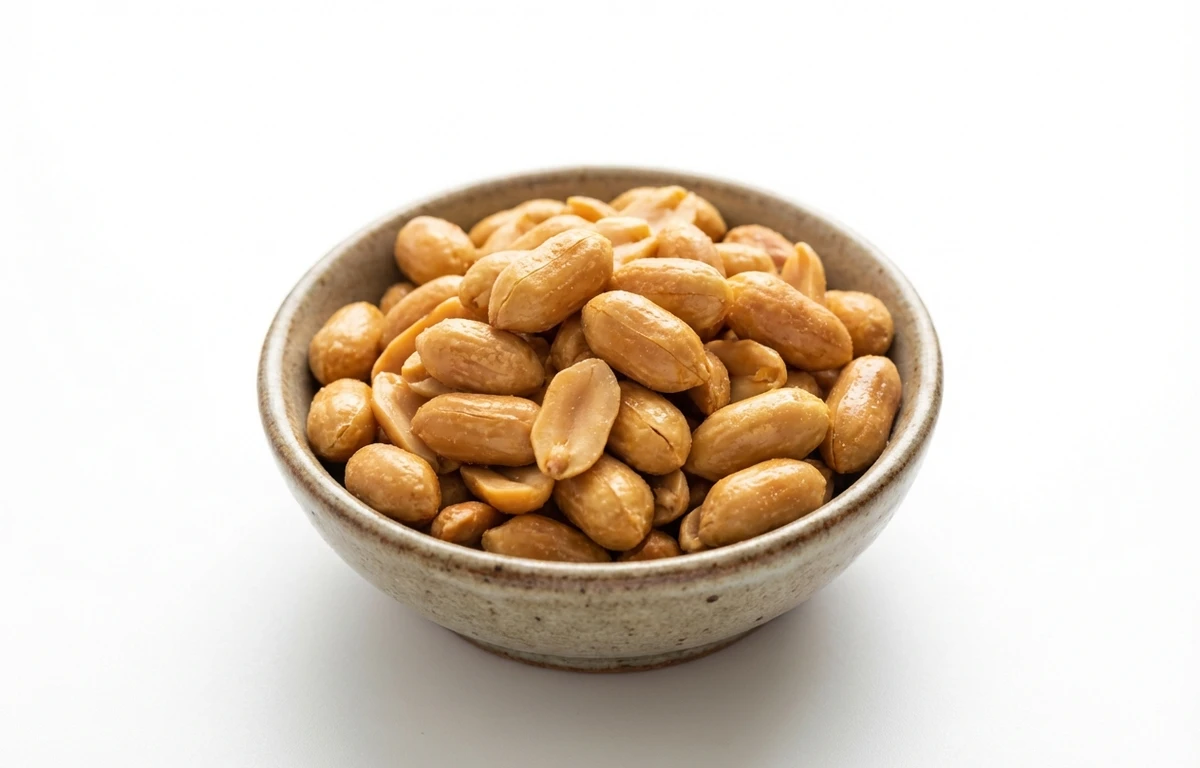
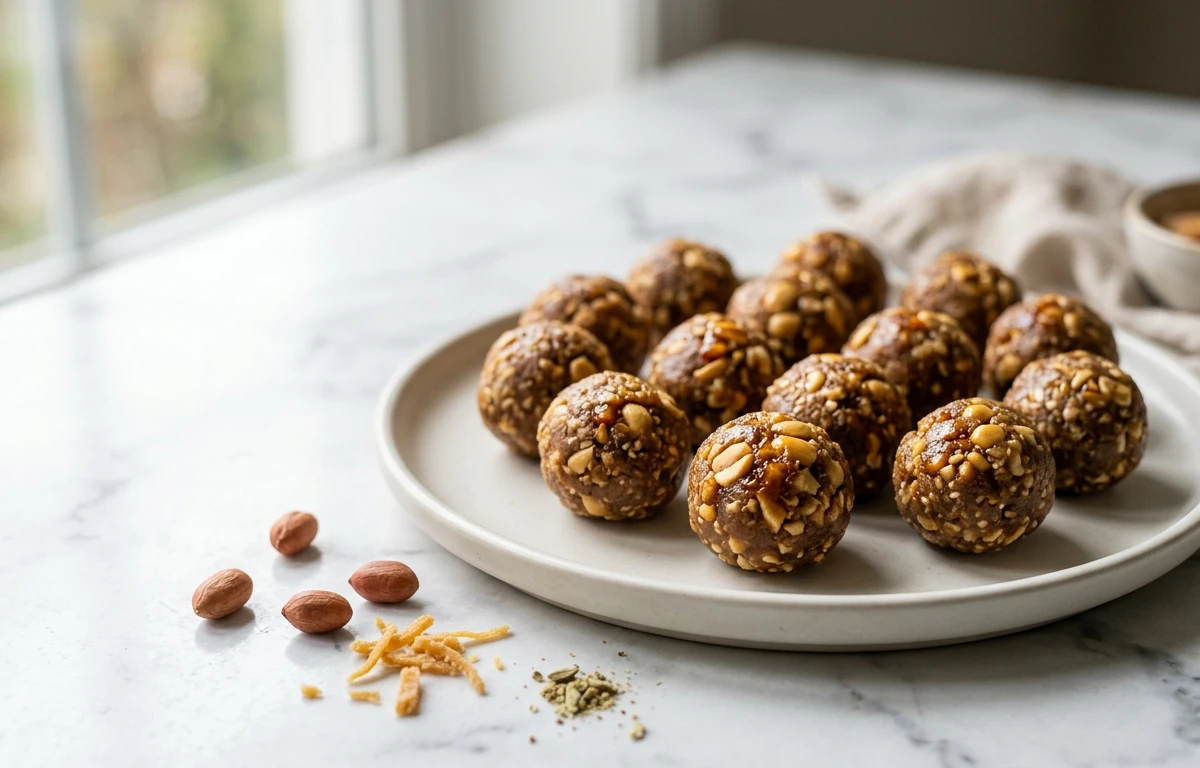
roasted peanuts.
VegetarianVeganGluten-freeDairy-freeNut-freePeanut-freeSoy-freeEgg-freeShellfish-freeHoney-freeAlcohol-free
ALSO KNOWN AS
bhuna mungfaliroasted groundnuts
SERVING
CALORIES
587
PROTEIN
25.8g
CARBS
21.5g
FAT
49.2g
FIBER
8.5g
NUTRITION PROFILE · per 100 g
Everything in this ingredient.
MACRONUTRIENTS
Calories587kcal—
Protein25.8g52%
Carbohydrates21.5g8%
Fiber8.5g30%
Sugar4.7g9%
Total fat49.2g63%
Saturated fat6.8g34%
Cholesterol0mg0%
Water1.6g—
MINERALS
Sodium18mg1%
Potassium705mg15%
Calcium92mg7%
Iron4.6mg26%
Magnesium1.8mg0%
Phosphorus4.0mg0%
Zinc0.03mg0%
Copper0.01mg1%
Selenium0.03µg0%
VITAMINS
Vitamin A0µg0%
Vitamin C0mg0%
Vitamin D0µg0%
Vitamin E0.07mg0%
Vitamin K1.0µg1%
Thiamin (B1)0mg0%
Riboflavin (B2)0mg0%
Niacin (B3)0.14mg1%
Vitamin B60.01mg1%
Folate (B9)1.2µg0%
Vitamin B120µg0%
%DV based on a 2,000 cal diet. Source: USDA FoodData Central. A dash in the %DV column means there’s no established Daily Value for that nutrient.
MEASUREMENT CONVERSIONS
How much is what.
1 cup140g
1 tablespoon9.2g
1 teaspoon3.1g
1 ml0.6g
1 liter613.3g
1 piece1g
HEALTH BENEFITS
Why eat it.
- ✓Rich in heart-healthy monounsaturated and polyunsaturated fats, which help lower bad cholesterol levels.
- ✓A good source of plant-based protein, essential for building and repairing tissues.
- ✓Contains beneficial antioxidants, such as resveratrol and p-coumaric acid, which help combat oxidative stress.
- ✓High in essential nutrients like biotin, niacin, magnesium, and manganese.
COOKING TIPS
In the kitchen.
- 1Chop and use as a crunchy topping for salads, stir-fries, noodle dishes (like Pad Thai), or yogurt.
- 2Grind in a food processor to make fresh, homemade peanut butter. Add a pinch of salt or a touch of honey to taste.
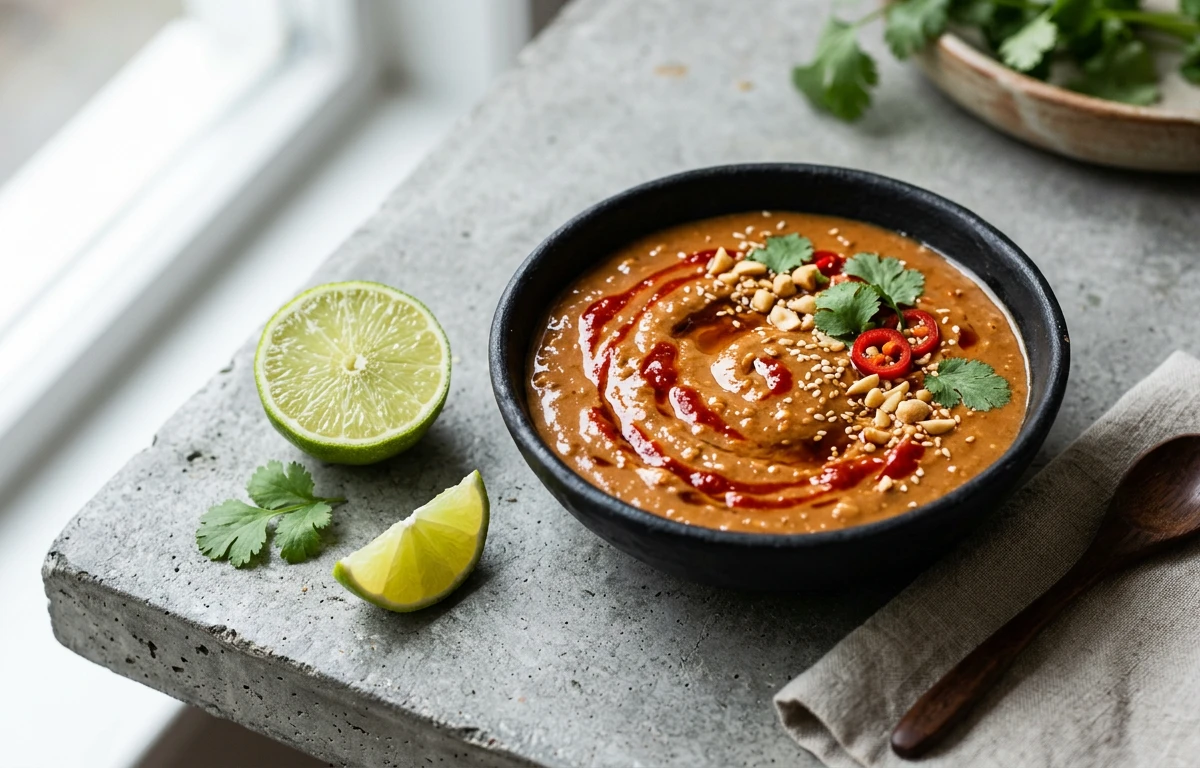
- 3Incorporate into savory sauces, such as an Asian-style satay sauce for grilling or a base for African peanut stew.
- 4Add to baked goods like cookies, brownies, and granola for extra flavor and texture.
STORAGE
Keep it fresh.
- Store in an airtight container in a cool, dark, and dry place like a pantry for up to 2 months.
- For longer-term storage (6-12 months), place them in the refrigerator or freezer to prevent the natural oils from becoming rancid.
FAQ
Frequently asked questions.
Are roasted peanuts healthy?
Yes, roasted peanuts are highly nutritious, providing heart-healthy monounsaturated and polyunsaturated fats that help lower bad cholesterol. They are also rich in antioxidants like resveratrol and essential minerals like magnesium and manganese, which support overall heart and metabolic health.
How much protein is in roasted peanuts?
Roasted peanuts are an excellent plant-based protein source, containing approximately 25.8g of protein per 100g. This high protein content makes them a popular snack for muscle repair and maintaining satiety between meals.
Are roasted peanuts keto-friendly?
Yes, roasted peanuts can be included in a keto diet because they are high in healthy fats (49.2g per 100g) and moderate in carbohydrates. However, since they contain about 21.5g of total carbs per 100g, it is important to practice portion control to stay within daily carb limits.
Are roasted peanuts good for weight loss?
While they are calorie-dense at 587 calories per 100g, the combination of high protein and fiber in roasted peanuts can promote a feeling of fullness. Consuming them in moderation can help prevent overeating and provide sustained energy throughout the day.
Are roasted peanuts vegan and gluten-free?
Naturally, roasted peanuts are both vegan and gluten-free. However, if you are buying pre-packaged flavored peanuts, check the label for additives or cross-contamination warnings if you have a severe gluten allergy or strict dietary requirements.
What is the difference between raw and roasted peanuts?
Roasting peanuts enhances their flavor, aroma, and crunchy texture while also increasing the availability of certain antioxidants like p-coumaric acid. While roasting slightly alters the nutrient profile, both versions offer similar levels of protein and healthy fats.
Can I make peanut butter from roasted peanuts?
Yes, roasted peanuts are the ideal base for homemade peanut butter because the roasting process releases natural oils, making them easier to blend. Simply process them in a high-speed blender or food processor until smooth, adding a pinch of salt or honey if desired.
How should I store roasted peanuts and how long do they last?
Store roasted peanuts in an airtight container in a cool, dry place for up to 1-2 months. For a longer shelf life, you can refrigerate them for up to 6 months or freeze them for up to a year to prevent the natural oils from becoming rancid.
How can I tell if roasted peanuts have gone bad?
You can tell if roasted peanuts are spoiled if they develop a bitter, sour, or 'paint-like' smell, which indicates the fats have gone rancid. If you see any signs of mold or if the texture becomes soft and chewy rather than crunchy, they should be discarded.
Are roasted peanuts high in sodium?
Plain roasted peanuts are naturally very low in sodium. However, many commercially available roasted peanuts are salted or seasoned, which can significantly increase sodium levels; always check the nutrition label if you are monitoring your salt intake for blood pressure management.
RECIPES
Cook with roasted peanuts.
10 recipes · sorted by what’s quick
.webp)
.webp)