rosemary
Also known as: rosemary sprigs
Loading...
Also known as: rosemary sprigs
Per 100g
Nutrition data source: USDA FoodData Central
Common measurement equivalents in grams
Crispy, savory, and wonderfully addictive, these herb-roasted chickpeas are the perfect healthy snack. Seasoned with rosemary and smoked paprika, they're packed with flavor and ready in under 30 minutes.
A hearty and comforting soup made from scratch with dried chickpeas and fresh vegetables. It's beautifully flavored with rosemary and thyme, getting its bright finish from a squeeze of lemon instead of salt.
Incredibly juicy and tender chicken breast roasted with a fragrant blend of rosemary, thyme, and garlic. This simple, salt-free recipe delivers amazing flavor and is perfect for a healthy weeknight dinner.

A succulent whole chicken roasted to perfection with a fragrant blend of rosemary, thyme, and garlic. This recipe delivers incredible flavor with minimal salt, resulting in juicy meat and crispy, golden-brown skin.
When stored properly in a damp paper towel and plastic bag, fresh rosemary can last for 1 to 2 weeks.
The stems are very woody and tough; they are generally not eaten. However, they can be used as skewers for grilling or to flavor soups and then removed.
Fresh thyme or sage are the best herbal substitutes. If using dried rosemary, use 1 teaspoon for every 1 tablespoon of fresh.
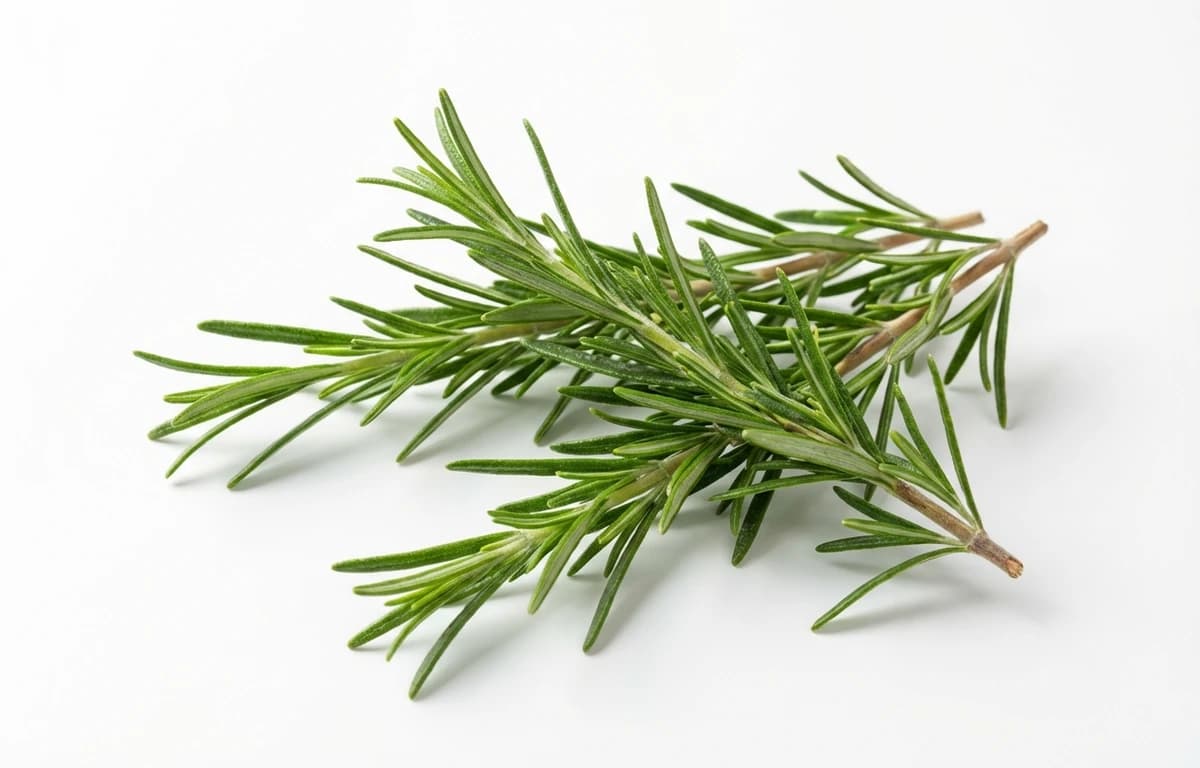
Look for sprigs with deep green needles that are firmly attached to the stem. Avoid any that are yellowing, browning, or look brittle.
Yes, rosemary freezes very well. You can freeze whole sprigs in a freezer bag or freeze chopped leaves in oil.
Unlike many soft herbs, rosemary is very hardy and retains its flavor well during long cooking processes like roasting or stewing.
Rinse the sprigs under cold running water and pat them thoroughly dry with a clean towel before use.
Rosemary pairs exceptionally well with lamb, chicken, potatoes, focaccia bread, and roasted root vegetables.
rosemary is a versatile ingredient found in cuisines around the world. With 131 calories per 100g and 3.3 grams of protein, it's a nutritious addition to many dishes.
Explore more ingredients in the spice category with complete nutrition information.
View all spice →