seed1 recipes
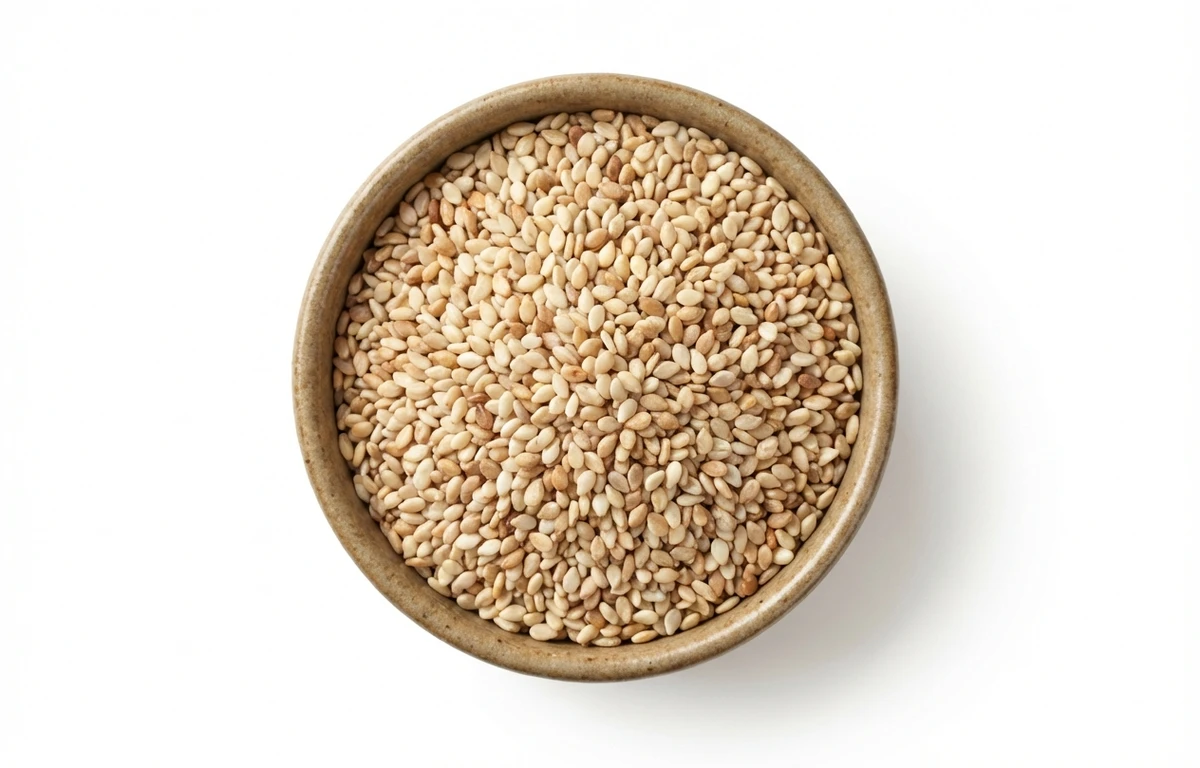
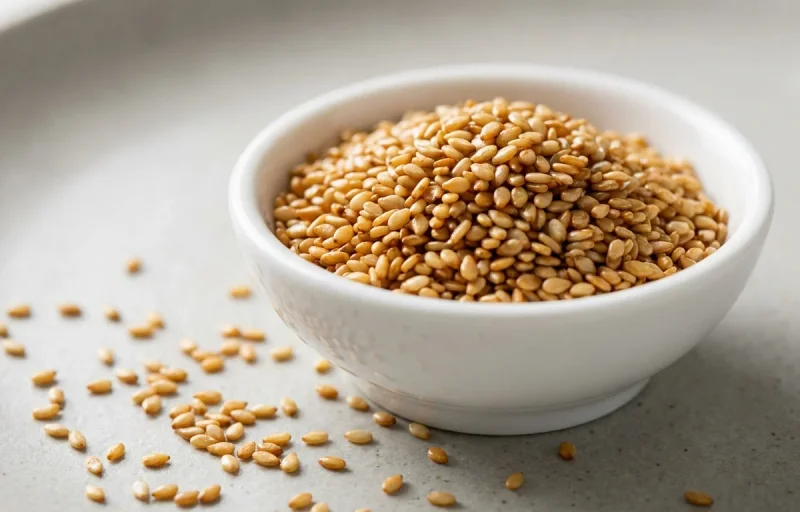
Sesame Seed.
VegetarianVeganGluten-freeDairy-freeNut-freePeanut-freeSoy-freeEgg-freeShellfish-freeHoney-freeAlcohol-free
ALSO KNOWN AS
TilGingellyBenne seeds
SERVING
CALORIES
573
PROTEIN
17.7g
CARBS
23.5g
FAT
49.7g
FIBER
11.8g
NUTRITION PROFILE · per 100 g
Everything in this ingredient.
MACRONUTRIENTS
Calories573kcal—
Protein17.7g35%
Carbohydrates23.5g9%
Fiber11.8g42%
Sugar0.30g1%
Total fat49.7g64%
Saturated fat7.0g35%
Trans fat0g—
Cholesterol0mg0%
Water4.7g—
MINERALS
Sodium11mg0%
Potassium468mg10%
Calcium975mg75%
Iron14.6mg81%
Magnesium351mg84%
Phosphorus629mg50%
Zinc7.8mg71%
Copper4.1mg456%
Manganese2.5mg109%
Selenium34.4µg63%
VITAMINS
Vitamin A0µg0%
Vitamin C0mg0%
Vitamin D0µg0%
Vitamin E0.25mg2%
Vitamin K0µg0%
Thiamin (B1)0.79mg66%
Riboflavin (B2)0.25mg19%
Niacin (B3)4.5mg28%
Pantothenic acid (B5)0.05mg1%
Vitamin B60.79mg46%
Folate (B9)97µg24%
Vitamin B120µg0%
%DV based on a 2,000 cal diet. Source: USDA FoodData Central. A dash in the %DV column means there’s no established Daily Value for that nutrient.
MEASUREMENT CONVERSIONS
How much is what.
1 cup144g
1 tablespoon9g
1 teaspoon3g
1 oz28.4g
1 lb453.6g
1 ml0.6g
1 liter630g
HEALTH BENEFITS
Why eat it.
- ✓Excellent source of calcium for bone health
- ✓Rich in healthy unsaturated fats and phytosterols
- ✓High fiber content supports digestive health
- ✓Contains potent antioxidants like sesamin and sesamolin
- ✓Good source of plant-based protein
COOKING TIPS
In the kitchen.
- 1Toast seeds in a dry pan over medium heat for 2-3 minutes to enhance nuttiness
- 2Grind into a paste to make homemade tahini
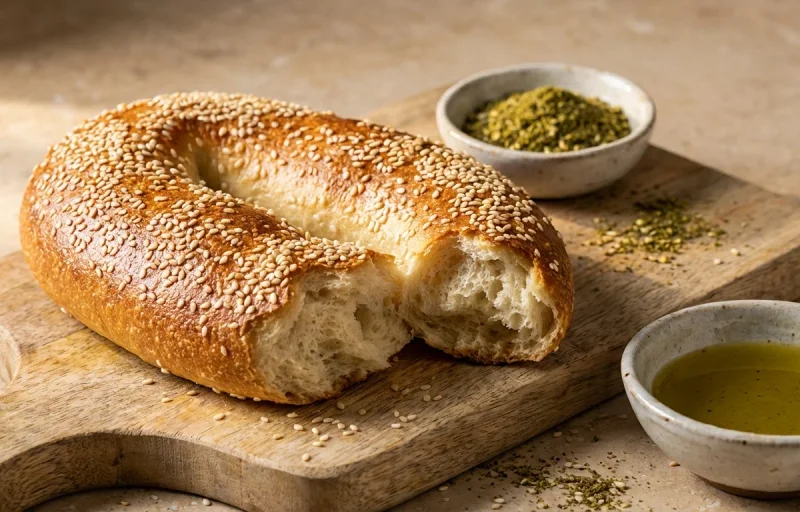
- 3Add to bread dough or sprinkle on top of salads and stir-fries for crunch
STORAGE
Keep it fresh.
- Store in an airtight container in a cool, dark place for up to 6 months
- Refrigerate or freeze to prevent the high oil content from turning rancid
- Keep away from moisture to prevent mold growth
FAQ
Frequently asked questions.
How long do sesame seeds last?
At room temperature, they last about 6 months. If refrigerated, they can stay fresh for up to a year, and even longer if frozen.
What is the difference between white and black sesame seeds?
White seeds are usually hulled and have a milder, sweeter flavor. Black seeds are unhulled, crunchier, and have a stronger, more bitter, earthy flavor.
Can I substitute sesame seeds with something else?
Sunflower seeds, poppy seeds, or chopped hemp hearts can work as substitutes depending on the recipe's texture requirements.
How do I know if sesame seeds have gone bad?
Rancid sesame seeds will have a sharp, sour, or paint-like smell and a very bitter taste.
Are sesame seeds a common allergen?
Yes, sesame is considered a major allergen in many countries and must be clearly labeled on packaged foods.
Do I need to wash sesame seeds before using them?
Generally, no. Most commercially packaged sesame seeds are pre-cleaned. If buying in bulk from a market, a quick rinse and thorough drying may be needed.
Are sesame seeds high in calcium?
Yes, they are one of the best plant-based sources of calcium, especially the unhulled varieties.
What is the best way to toast them?
Place them in a single layer in a dry skillet over medium-low heat, shaking frequently until they become fragrant and slightly golden.
RECIPES
Cook with sesame seed.
1 recipes · sorted by what’s quick
SAME CATEGORY