Vegetable
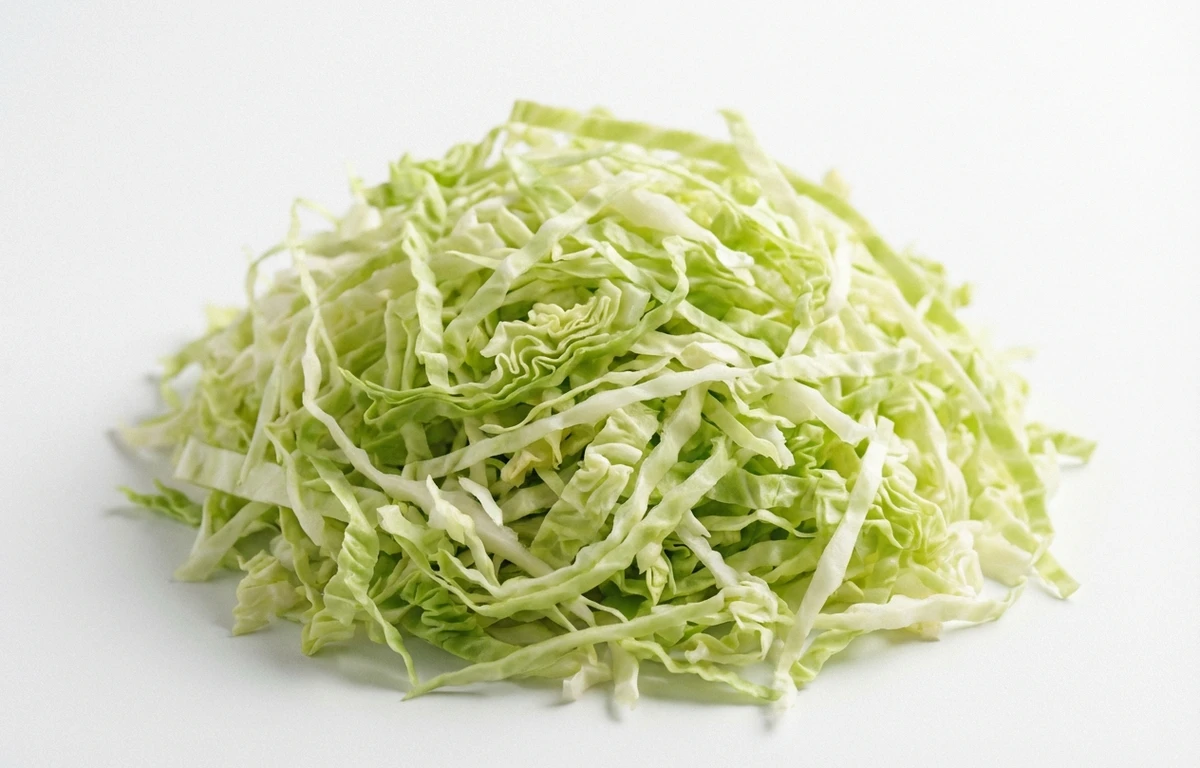
shredded cabbage.
VegetarianVeganGluten-freeDairy-freeNut-freePeanut-freeSoy-freeEgg-freeShellfish-freeHoney-freeAlcohol-free
ALSO KNOWN AS
grated cabbagesliced cabbageshredded green cabbagepatta gobhi shreddedmuttaikose shreddedbandhakopi shredded
SERVING
CALORIES
25
PROTEIN
1.3g
CARBS
5.8g
FAT
0.10g
FIBER
2.5g
This ingredient is flagged as naturally gluten-free. Per 100 g, it provides 76 µg of vitamin K.
NUTRITION PROFILE · per 100 g
Everything in this ingredient.
MACRONUTRIENTS
Calories25kcal—
Protein1.3g3%
Carbohydrates5.8g2%
Fiber2.5g9%
Sugar3.2g6%
Total fat0.10g0%
Saturated fat0.03g0%
Trans fat0g—
Cholesterol0mg0%
Water92.2g—
MINERALS
Sodium18mg1%
Potassium170mg4%
Calcium40mg3%
Iron0.47mg3%
Magnesium12mg3%
Phosphorus26mg2%
Zinc0.18mg2%
Copper0.02mg2%
Manganese0.16mg7%
Selenium0.30µg1%
VITAMINS
Vitamin A5.0µg1%
Vitamin C36.6mg41%
Vitamin D0µg0%
Vitamin E0.15mg1%
Vitamin K76µg63%
Thiamin (B1)0.06mg5%
Riboflavin (B2)0.04mg3%
Niacin (B3)0.23mg1%
Pantothenic acid (B5)0.21mg4%
Vitamin B60.12mg7%
Folate (B9)43µg11%
Vitamin B120µg0%
%DV based on a 2,000 cal diet. Source: USDA FoodData Central. A dash in the %DV column means there’s no established Daily Value for that nutrient.
MEASUREMENT CONVERSIONS
How much is what.
1 cup70g
1 tablespoon4.5g
1 teaspoon1.5g
1 oz28.4g
1 lb453.6g
HEALTH BENEFITS
Why eat it.
- ✓Rich in dietary fiber aiding digestive regularity
COOKING TIPS
In the kitchen.
- 1Sauté quickly on high heat to maintain a crunchy texture
- 2Add a splash of vinegar or lemon juice to keep colors vibrant
- 3Massage raw shredded cabbage with salt or dressing to soften it for salads
STORAGE
Keep it fresh.
- Store in a sealed airtight container or zip-lock bag to prevent wilting
- Keep in the crisper drawer of the refrigerator for maximum freshness
- Do not wash until immediately before use to prevent premature spoilage
FAQ
Frequently asked questions.
How long does shredded cabbage last in the fridge?
Once shredded, cabbage typically lasts 3 to 5 days in the refrigerator if stored in an airtight container.
Can I freeze shredded cabbage?
Yes, you can freeze it, but it will lose its crunch. It is best used for soups or stews after thawing.
How do I pick the best cabbage for shredding?
Look for heads that are heavy for their size with tight, crisp leaves and no brown spots or wilting.
What is a good substitute for shredded cabbage?
Shredded Brussels sprouts, kale, or broccoli stems are excellent crunchy alternatives.
Should I wash cabbage before or after shredding?
It is best to remove the outer leaves and wash the whole head or large wedges before shredding to keep it from getting waterlogged.
Is shredded cabbage keto-friendly?
Yes, it is very low in net carbs and is a popular staple in ketogenic diets.
What are common dishes using shredded cabbage?
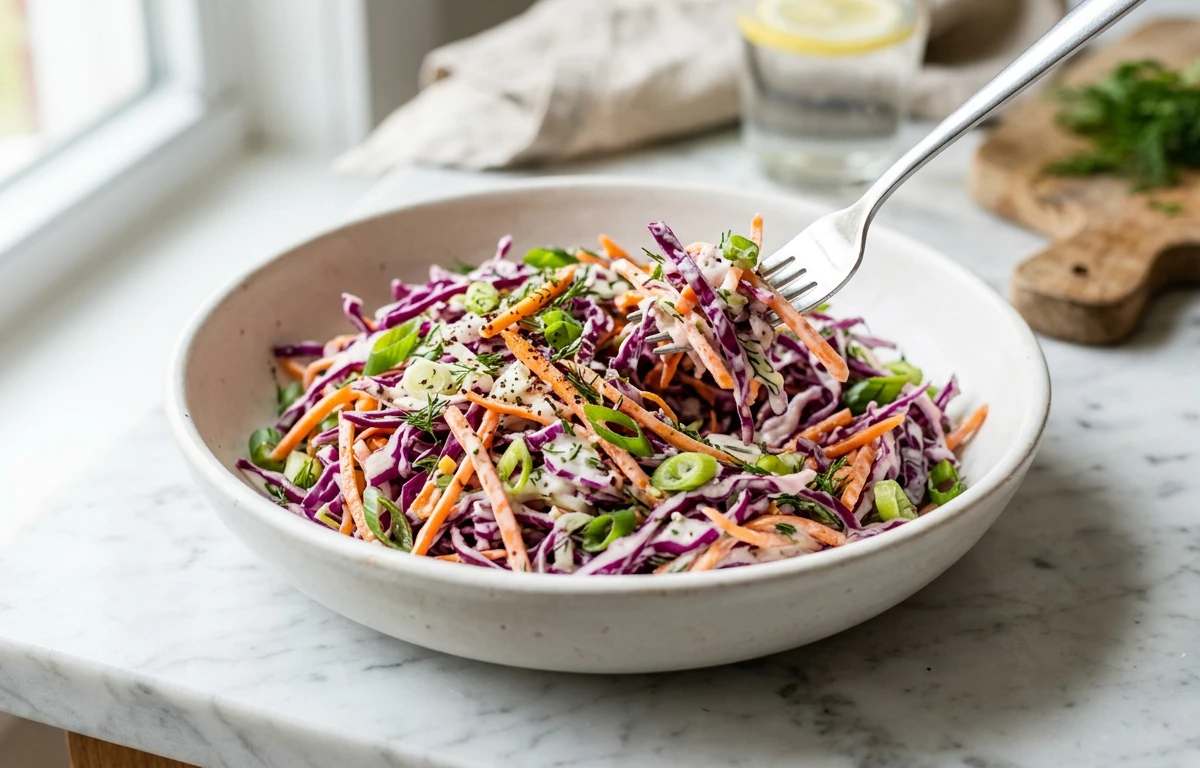
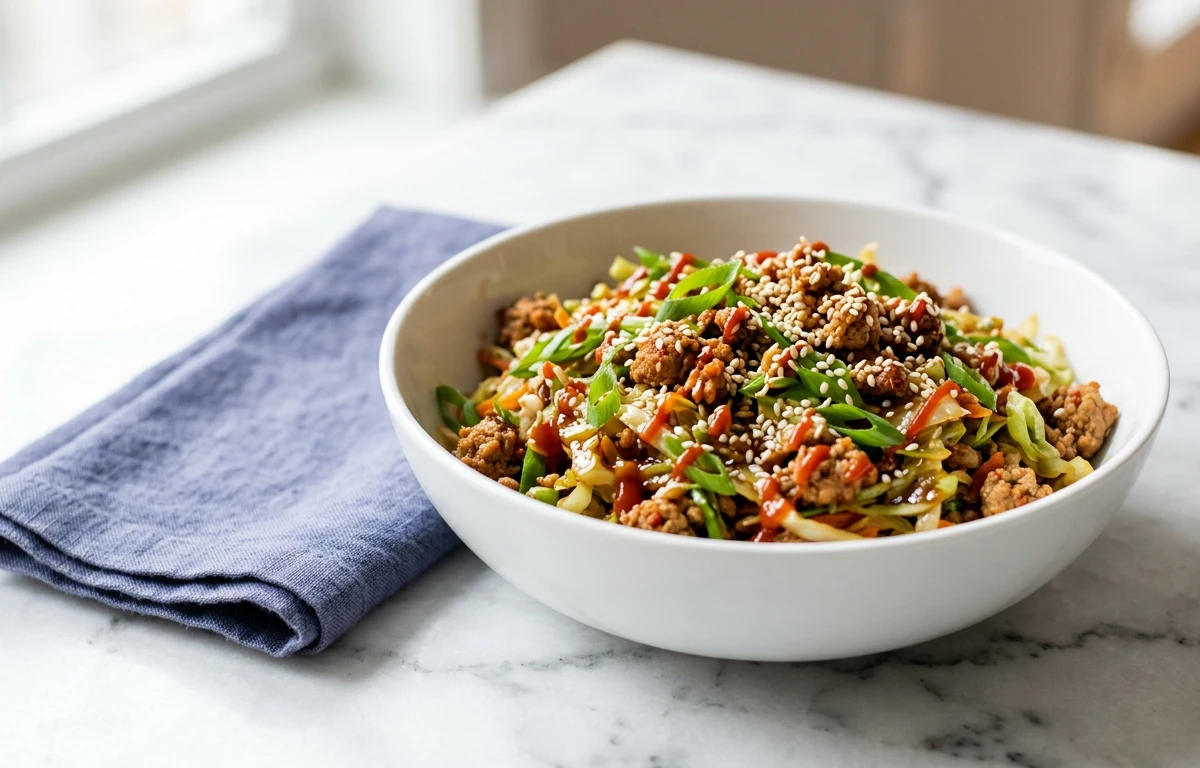
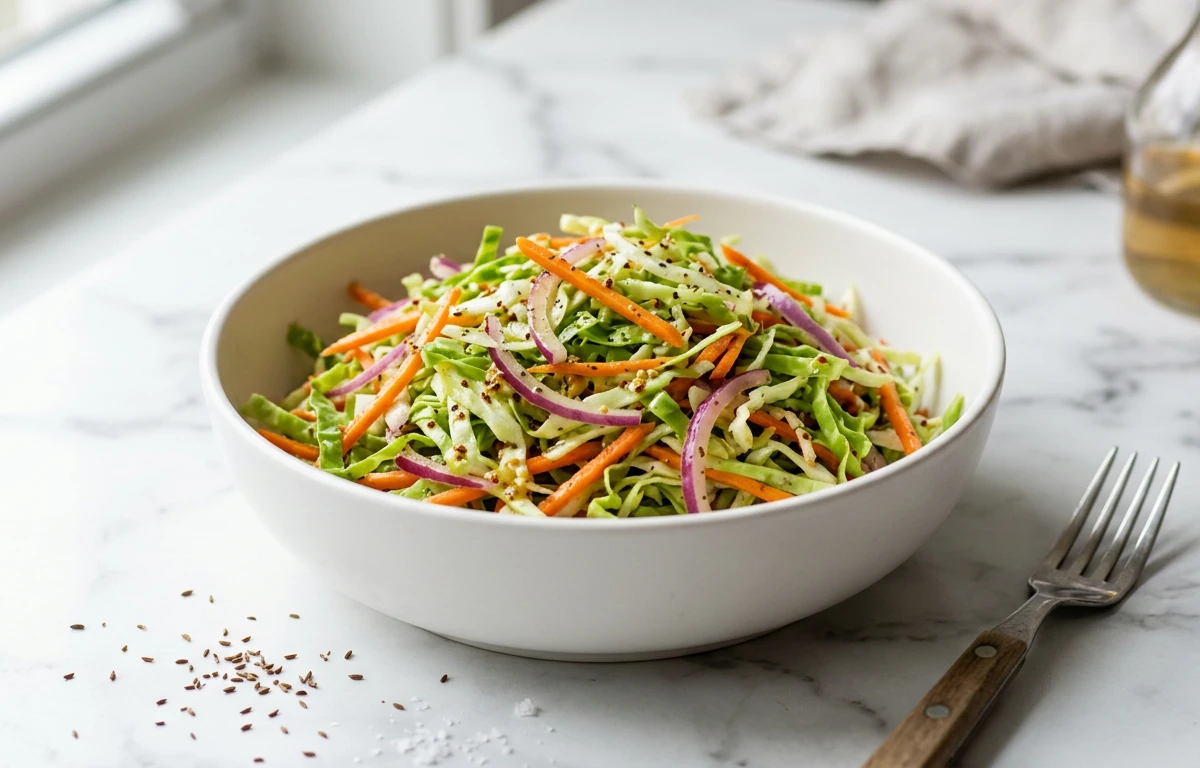
It is commonly used in coleslaw, sauerkraut, stir-fries, tacos, and as a base for salads.
Does shredded cabbage lose nutrients when cooked?
Some Vitamin C is lost during heating, but other nutrients like fiber and Vitamin K remain stable.
RECIPES
Cook with shredded cabbage.
0 recipes · sorted by what’s quick
.webp)