Other3 recipes
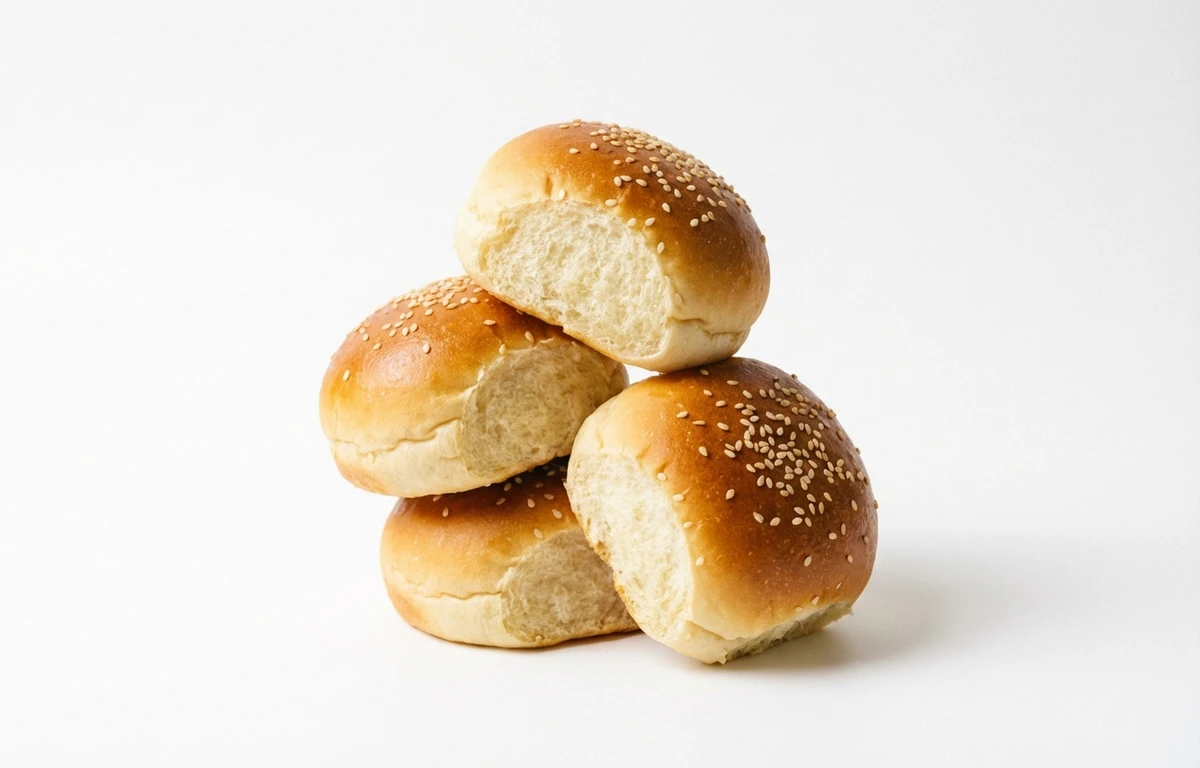
slider buns.
VegetarianVeganGluten-freeDairy-freeNut-freePeanut-freeSoy-freeEgg-freeShellfish-freeHoney-freeAlcohol-freeFermented
ALSO KNOWN AS
mini bunssmall bunsdinner rolls
SERVING
CALORIES
280
PROTEIN
9.5g
CARBS
52g
FAT
4.5g
FIBER
2.5g
Per 100 g, it provides 1.0 µg of vitamin K.
NUTRITION PROFILE · per 100 g
Everything in this ingredient.
MACRONUTRIENTS
Calories280kcal—
Protein9.5g19%
Carbohydrates52g19%
Fiber2.5g9%
Sugar6.0g12%
Total fat4.5g6%
Saturated fat1.5g8%
Trans fat0g—
Cholesterol10mg3%
Water30g—
MINERALS
Sodium450mg20%
Potassium110mg2%
Calcium100mg8%
Iron3.0mg17%
Magnesium22mg5%
Phosphorus105mg8%
Zinc0.80mg7%
VITAMINS
Vitamin A0µg0%
Vitamin C0mg0%
Vitamin D0µg0%
Vitamin K1.0µg1%
Thiamin (B1)0.35mg29%
Riboflavin (B2)0.10mg8%
Niacin (B3)1.6mg10%
Vitamin B60.05mg3%
%DV based on a 2,000 cal diet. Source: USDA FoodData Central. A dash in the %DV column means there’s no established Daily Value for that nutrient.
MEASUREMENT CONVERSIONS
How much is what.
1 piece30g
HEALTH BENEFITS
Why eat it.
- ✓Provides carbohydrates, which are the body's primary source of quick energy.
- ✓Often made from enriched flour, providing B vitamins (thiamin, niacin, riboflavin) and iron, which support energy metabolism and red blood cell formation.
- ✓Serves as a convenient vehicle for consuming nutrient-dense foods like lean proteins, vegetables, and healthy fats.
COOKING TIPS
In the kitchen.
- 1Toast or grill the cut sides of the buns with butter or oil before assembling sliders. This creates a barrier to prevent sogginess and adds flavor and texture.
- 2For a soft, steamed texture, wrap buns in a damp paper towel and microwave for 10-15 seconds, or place them in a steamer basket over simmering water for about a minute.
- 3Brush the tops with melted butter and sprinkle with sesame seeds, poppy seeds, or flaky salt before warming in the oven for an enhanced presentation and taste.
- 4Use stale slider buns to make mini croutons for salads and soups, or as a base for small bread puddings.
STORAGE
Keep it fresh.
- Store in their original packaging or a bread box at room temperature for 3-5 days. Avoid refrigeration, which can cause them to go stale faster.
- For long-term storage, place the buns in a freezer-safe bag, removing as much air as possible, and freeze for up to 3 months. Thaw at room temperature.
FAQ
Frequently asked questions.
Are slider buns healthy?
Slider buns provide quick energy through carbohydrates and are often made with enriched flour containing B vitamins and iron. While they offer these nutrients, they are a refined grain product, so they are best enjoyed in moderation alongside nutrient-dense fillings like lean proteins and fresh vegetables.
How many calories and carbs are in slider buns?
Per 100g, slider buns contain approximately 280 calories and 52g of carbohydrates. A single slider bun typically weighs between 25g and 30g, which equates to roughly 70-85 calories and 13-15g of carbs per bun.
Are slider buns vegan?
Many standard slider buns are vegan, but specialty varieties like brioche or potato buns often contain milk, butter, or eggs. Always check the ingredient list for dairy or animal-derived products to ensure they meet vegan dietary requirements.
What can I use as a substitute for slider buns?
Dinner rolls or small pieces of ciabatta are excellent bread-based substitutes. For a low-carb or gluten-free alternative, you can use large mushroom caps, thick slices of sweet potato, or sturdy lettuce leaves to wrap your slider fillings.
How do you store slider buns to keep them fresh?
Store slider buns in their original airtight packaging at room temperature in a cool, dry place. Avoid the refrigerator, as the cold environment can cause the starch to recrystallize, making the bread go stale and tough more quickly.
Can I freeze slider buns?
Yes, slider buns freeze very well for up to 3 months. Place them in a heavy-duty freezer bag and remove as much air as possible; when ready to use, thaw them at room temperature for 1-2 hours or toast them directly from frozen.
What is the difference between a slider bun and a regular burger bun?
The main difference is size; slider buns are typically 2 to 3 inches in diameter, whereas regular buns are 4 to 5 inches. Slider buns are also frequently sold in connected 'pull-apart' sheets and often have a slightly softer, sweeter dough profile than standard buns.
RECIPES
Cook with slider buns.
3 recipes · sorted by what’s quick