
Other10 recipes
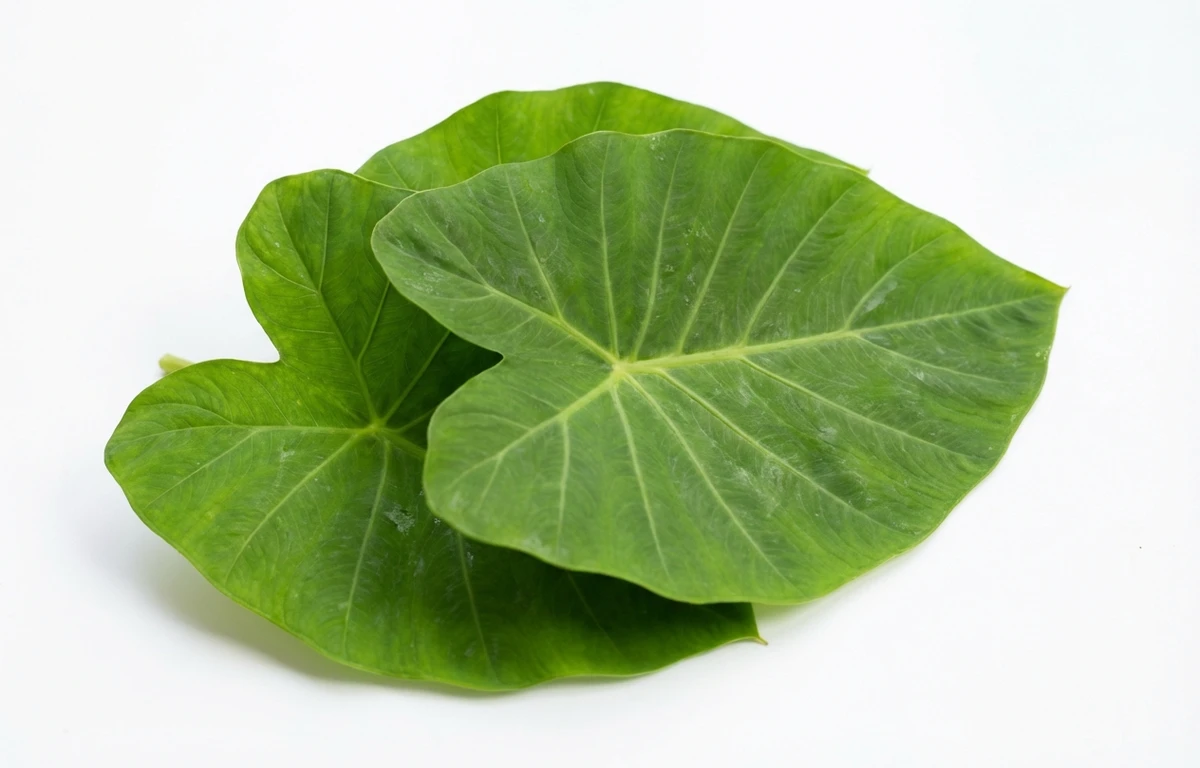
taro leaves.
VegetarianVeganGluten-freeDairy-freeNut-freePeanut-freeSoy-freeEgg-freeShellfish-freeHoney-freeAlcohol-freeHalalKosher
ALSO KNOWN AS
arbi ke pattecolocasia leavespatra leaveschembu ilaalu chi panelephant ear leavescallaloo leavesTaro Leaves and Stemstaro leaveskesuvina ele
SERVING
CALORIES
53
PROTEIN
5.0g
CARBS
6.7g
FAT
0.70g
FIBER
3.7g
This ingredient is flagged as naturally gluten-free. Per 100 g, it provides 108 µg of vitamin K.
NUTRITION PROFILE · per 100 g
Everything in this ingredient.
MACRONUTRIENTS
Calories53.1kcal—
Protein5.0g10%
Carbohydrates6.7g2%
Fiber3.7g13%
Sugar0.50g1%
Total fat0.70g1%
Saturated fat0.15g1%
Trans fat0g—
Cholesterol0mg0%
Water85.7g—
MINERALS
Sodium3.0mg0%
Potassium648mg14%
Calcium107mg8%
Iron2.2mg12%
Magnesium45mg11%
Phosphorus60mg5%
Zinc0.40mg4%
Copper0.20mg22%
Manganese0.70mg30%
Selenium0.90µg2%
VITAMINS
Vitamin A241µg27%
Vitamin C52mg58%
Vitamin D0µg0%
Vitamin E2.0mg13%
Vitamin K108µg90%
Thiamin (B1)0.20mg17%
Riboflavin (B2)0.40mg31%
Niacin (B3)1.5mg9%
Pantothenic acid (B5)0.10mg2%
Vitamin B60.15mg9%
Folate (B9)126µg32%
Vitamin B120µg0%
%DV based on a 2,000 cal diet. Source: USDA FoodData Central. A dash in the %DV column means there’s no established Daily Value for that nutrient.
MEASUREMENT CONVERSIONS
How much is what.
1 cup130g
1 tablespoon8g
1 teaspoon2.7g
1 oz28.4g
1 lb453.6g
1 piece35g
HEALTH BENEFITS
Why eat it.
- ✓Contains significant folate (B9) essential for DNA synthesis and repair
COOKING TIPS
In the kitchen.
- 1Never eat raw; they contain calcium oxalate crystals that cause intense itching in the throat
- 2Boil or steam for at least 15-20 minutes to neutralize the calcium oxalate
- 3Remove the thick central veins and stems before cooking for a smoother texture
STORAGE
Keep it fresh.
- Wrap unwashed leaves in a damp paper towel and store in a perforated plastic bag
- Keep in the refrigerator crisper drawer for up to 2-3 days
- Avoid storing near fruits that produce ethylene, like apples, to prevent yellowing
FAQ
Frequently asked questions.
Can I eat taro leaves raw?
No, taro leaves must never be eaten raw. They contain calcium oxalate crystals which cause severe irritation and itching in the mouth and throat. Cooking thoroughly neutralizes these crystals.
How do I select the best taro leaves?
Look for leaves that are bright green, firm, and free from yellowing, wilting, or dark spots. Smaller leaves are generally more tender than very large ones.
What is a good substitute for taro leaves?
Spinach, Swiss chard, or collard greens can be used as substitutes, though they have a milder flavor and cook much faster than taro leaves.
How long do taro leaves last in the fridge?
They are quite delicate and typically last only 2 to 3 days when stored properly in a damp paper towel inside the refrigerator.
Are taro leaves high in protein?
For a leafy green, they are relatively high in protein, providing about 5 grams per 100g serving, making them a great plant-based protein source.
What are common dishes made with taro leaves?
Common dishes include Indian 'Patra' (rolled steamed leaves), Hawaiian 'Lau Lau', and Caribbean 'Callaloo' soup.
Can taro leaves be frozen?
Yes, but they should be blanched first. Squeeze out excess water after blanching, then store in airtight bags in the freezer for up to 6 months.
Do taro leaves contain any allergens?
They are not a common allergen, but the calcium oxalate can cause a physical reaction (itching) if not cooked properly, which is often mistaken for an allergy.
RECIPES
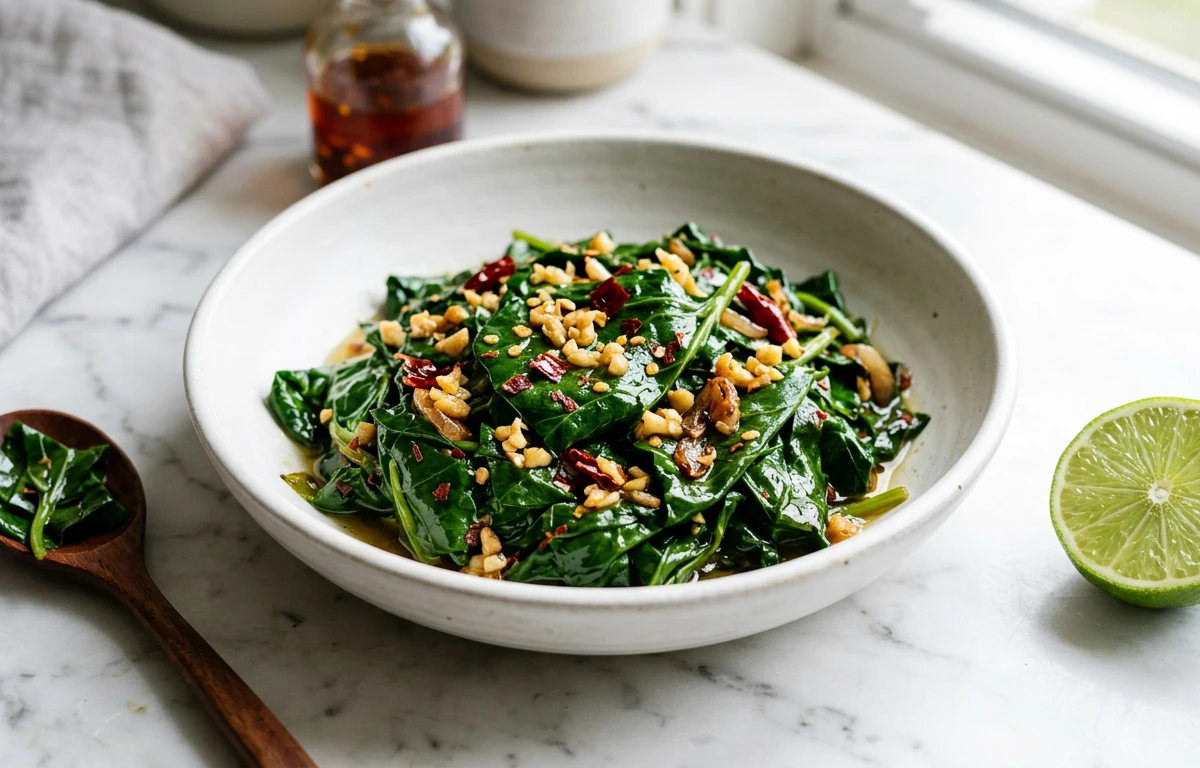
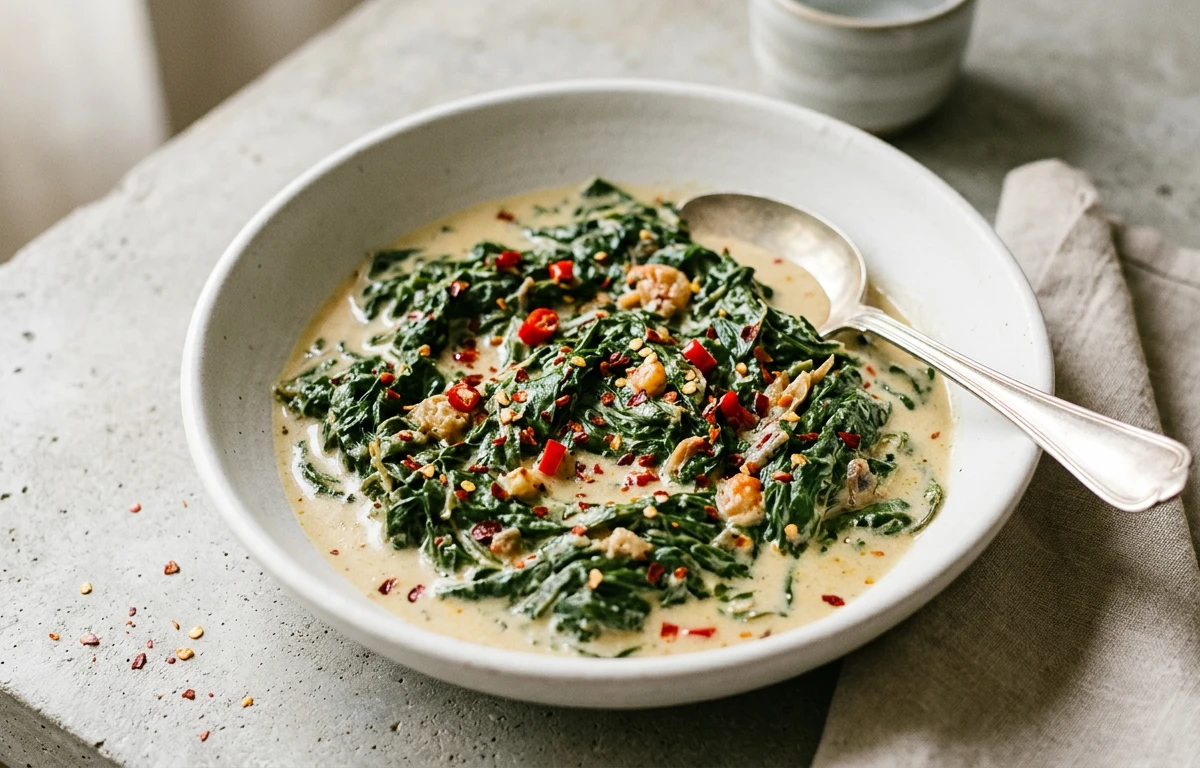
Cook with taro leaves.
10 recipes · sorted by what’s quick
.webp)
RELATED GUIDES



















