Vegetable10 recipes
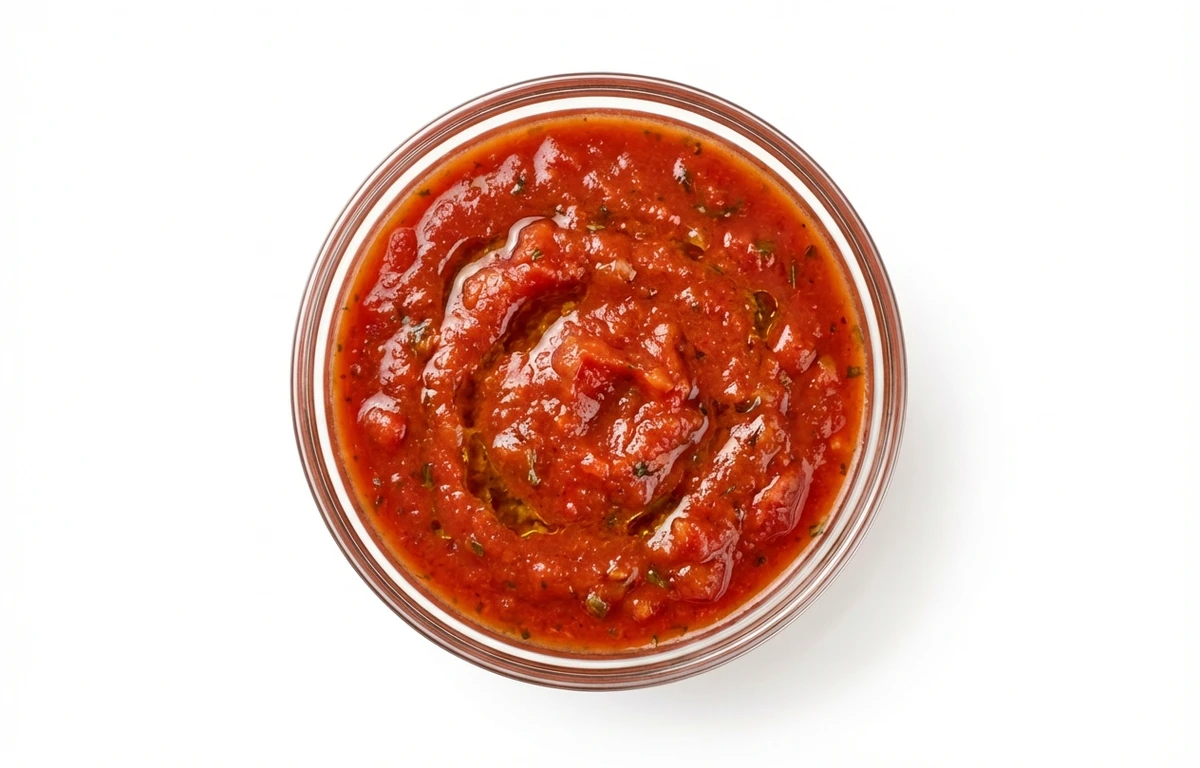
tomato sauce.
VegetarianVeganGluten-freeDairy-freeNut-freePeanut-freeSoy-freeEgg-freeShellfish-freeHoney-freeAlcohol-free
SERVING
CALORIES
29
PROTEIN
1.3g
CARBS
6.5g
FAT
0.20g
FIBER
1.5g
This ingredient is flagged as naturally gluten-free. Per 100 g, it provides 2.8 µg of vitamin K.
NUTRITION PROFILE · per 100 g
Everything in this ingredient.
MACRONUTRIENTS
Calories29kcal—
Protein1.3g3%
Carbohydrates6.5g2%
Fiber1.5g5%
Sugar4.4g9%
Total fat0.20g0%
Saturated fat0.03g0%
Trans fat0g—
Cholesterol0mg0%
Water90g—
MINERALS
Sodium450mg20%
Potassium331mg7%
Calcium11mg1%
Iron0.80mg4%
Magnesium14mg3%
Phosphorus22mg2%
Zinc0.18mg2%
Copper0.10mg11%
Manganese0.08mg3%
Selenium0.30µg1%
VITAMINS
Vitamin A23µg3%
Vitamin C10.5mg12%
Vitamin D0µg0%
Vitamin E1.4mg9%
Vitamin K2.8µg2%
Thiamin (B1)0.04mg3%
Riboflavin (B2)0.04mg3%
Niacin (B3)0.80mg5%
Pantothenic acid (B5)0.20mg4%
Vitamin B60.10mg6%
Folate (B9)10µg3%
Vitamin B120µg0%
%DV based on a 2,000 cal diet. Source: USDA FoodData Central. A dash in the %DV column means there’s no established Daily Value for that nutrient.
MEASUREMENT CONVERSIONS
How much is what.
1 cup245g
1 tablespoon15g
1 teaspoon5g
1 oz28g
1 lb454g
1 liter1050g
HEALTH BENEFITS
Why eat it.
- ✓Low in calories and fat-free
- ✓Contains potassium which helps manage blood pressure
COOKING TIPS
In the kitchen.
- 1Simmer on low heat to thicken the consistency and concentrate flavors
- 2Add a pinch of sugar or baking soda to balance high acidity
- 3Sauté herbs and spices in oil before adding the sauce to enhance depth
STORAGE
Keep it fresh.
- Refrigerate in a non-metallic airtight container after opening
- Use within 5 to 7 days of opening for best quality
- Can be frozen in freezer-safe bags for up to 6 months
FAQ
Frequently asked questions.
How long does tomato sauce last in the fridge?
Once opened, canned or bottled tomato sauce should be transferred to a sealed container and used within 5-7 days.
Can I freeze tomato sauce?
Yes, tomato sauce freezes very well. Store it in airtight containers or heavy-duty freezer bags for up to 6 months.
What is the difference between tomato sauce and tomato paste?
Tomato sauce is thinner and ready to use as a base, while tomato paste is highly concentrated and used in small amounts for thickness and intense flavor.
What can I use as a substitute for tomato sauce?
Mix 1 part tomato paste with 1 part water, or blend canned whole tomatoes until smooth.
Is tomato sauce healthy?
Yes, it is low in calories and high in lycopene. However, check labels for added sugars and high sodium content in commercial brands.
How do I reduce the acidity in tomato sauce?
Adding a small amount of sugar, grated carrots, or a tiny pinch of baking soda can help neutralize the acid.
Does tomato sauce contain gluten?
Pure tomato sauce is naturally gluten-free, but some processed brands may use thickeners or flavorings that contain gluten. Always check the label.
Why should I move canned sauce to a different container?
Storing acidic foods like tomato sauce in an open tin can can lead to a metallic taste and potential oxidation.
RECIPES
Cook with tomato sauce.
10 recipes · sorted by what’s quick