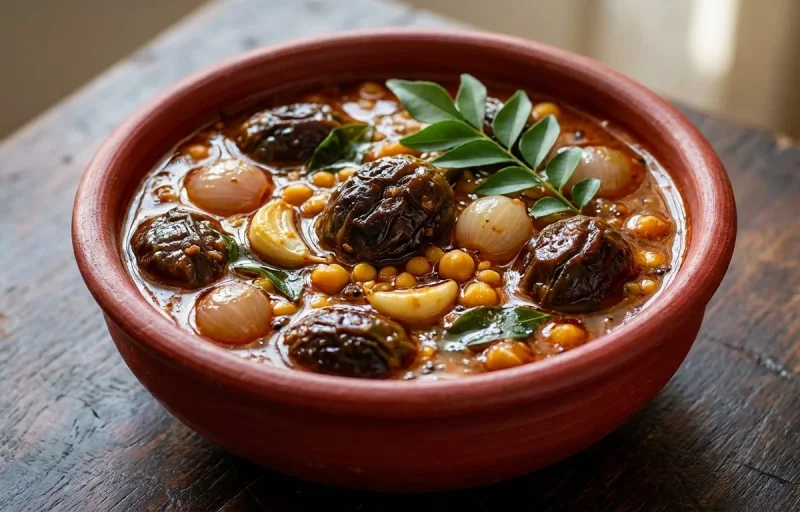
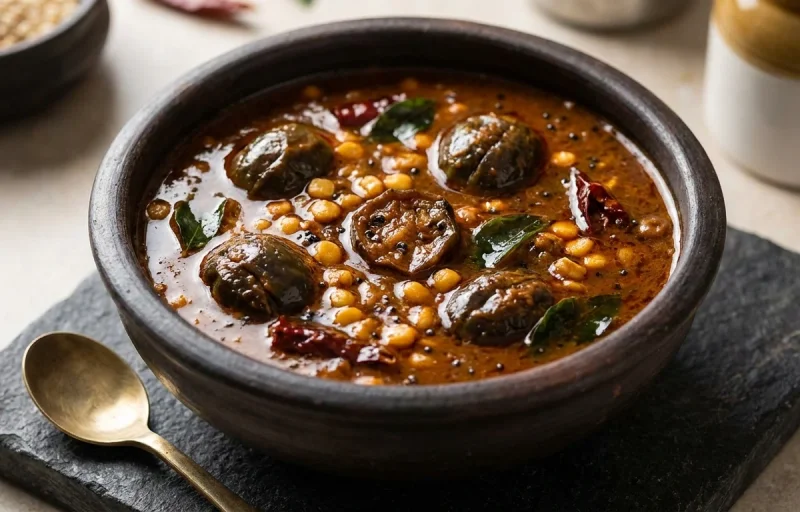
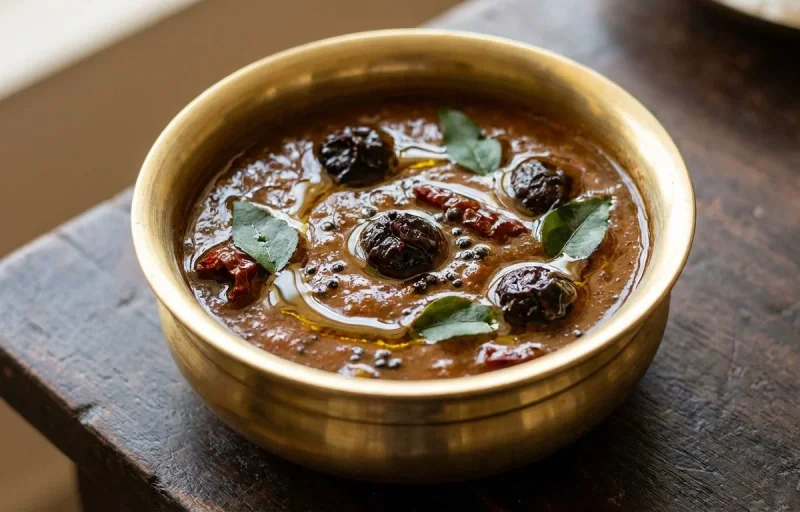
Other
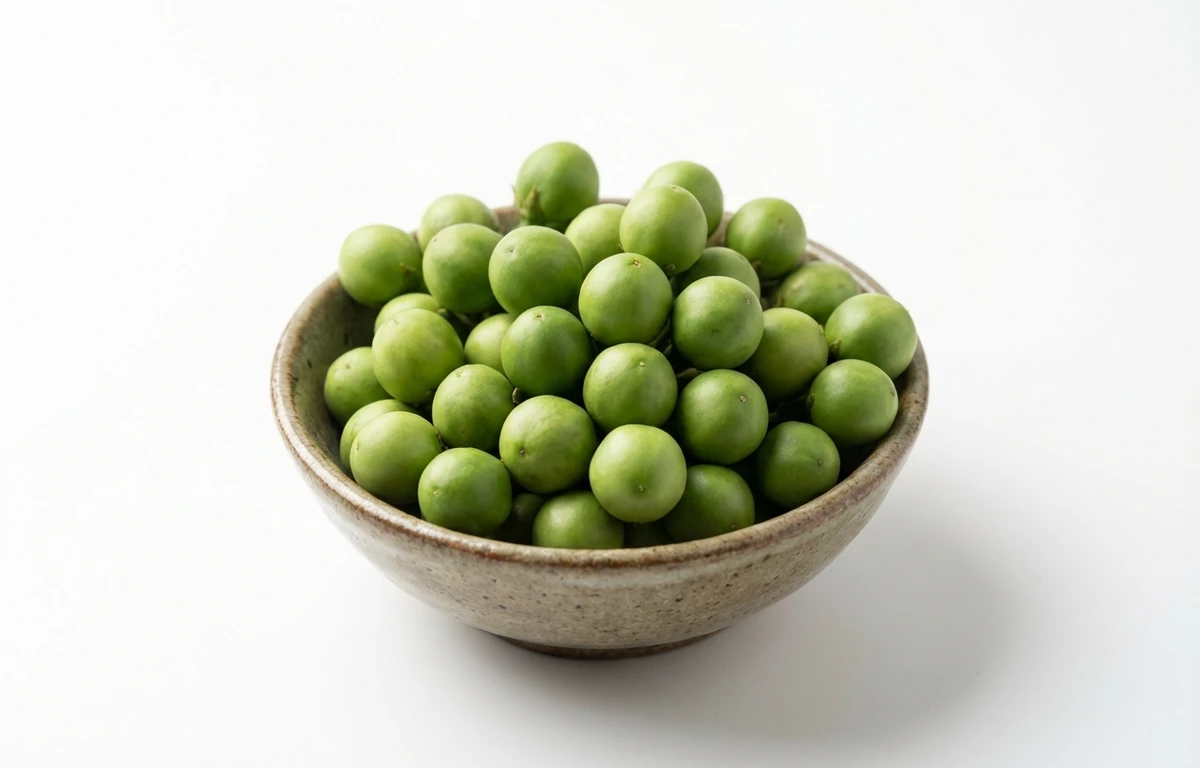
turkey berries.
VegetarianVeganGluten-freeDairy-freeNut-freePeanut-freeSoy-freeEgg-freeShellfish-freeHoney-freeAlcohol-free
ALSO KNOWN AS
mitke saang
SERVING
CALORIES
50
PROTEIN
2.3g
CARBS
12.2g
FAT
0.10g
FIBER
10.5g
This ingredient is flagged as naturally gluten-free.
NUTRITION PROFILE · per 100 g
Everything in this ingredient.
MACRONUTRIENTS
Calories50kcal—
Protein2.3g5%
Carbohydrates12.2g4%
Fiber10.5g38%
Sugar0.10g0%
Total fat0.10g0%
Saturated fat0.02g0%
Cholesterol0mg0%
Water84.4g—
MINERALS
Sodium10mg0%
Potassium360mg8%
Calcium390mg30%
Iron1.2mg7%
Magnesium100mg24%
Phosphorus66mg5%
Zinc0.30mg3%
Copper0.10mg11%
Manganese0.20mg9%
Selenium0.60µg1%
VITAMINS
Vitamin A100µg11%
Vitamin C10mg11%
Thiamin (B1)0.08mg7%
Riboflavin (B2)0.05mg4%
Niacin (B3)0.60mg4%
Vitamin B60.10mg6%
Folate (B9)20µg5%
%DV based on a 2,000 cal diet. Source: USDA FoodData Central. A dash in the %DV column means there’s no established Daily Value for that nutrient.
MEASUREMENT CONVERSIONS
How much is what.
1 cup118.3g
1 tablespoon7.4g
1 teaspoon2.5g
1 oz28.4g
1 lb453.6g
1 ml0.5g
1 liter500g
1 piece0.3g
HEALTH BENEFITS
Why eat it.
- ✓Rich in iron, traditionally used to help manage anemia.
- ✓May aid digestion and is used in traditional medicine for gastrointestinal issues.
COOKING TIPS
In the kitchen.
- 1To reduce bitterness, slightly crush the berries and soak them in salted water or buttermilk for 15-20 minutes before cooking.
- 2Turkey berries are excellent in curries and stews, particularly with strong flavors like tamarind, coconut, and chili, as their bitterness balances the richness.
- 3They can be fried in oil until they pop, which mellows their flavor and adds a unique texture to dishes.
- 4Commonly used in Thai green curry and South Indian dishes like 'Sundakkai Vathal Kuzhambu'.
STORAGE
Keep it fresh.
- Store fresh turkey berries in a perforated bag in the refrigerator's crisper drawer for up to one week.
- Dried turkey berries should be kept in an airtight container in a cool, dark place for several months.
FAQ
Frequently asked questions.
What are the nutritional facts for turkey berries?
A 100g serving of turkey berries provides approximately 50 calories, 2.3g of protein, 12.2g of carbohydrates, and a negligible 0.1g of fat. They are a low-calorie, nutrient-dense vegetable suitable for various diets.
Are turkey berries keto-friendly?
With 12.2g of carbohydrates per 100g, turkey berries can be included in a keto diet if consumed in moderation. Since they are often used in small quantities as a flavoring or side ingredient, they fit easily into a low-carb lifestyle.
How do you cook turkey berries?
Turkey berries are typically crushed or bruised before being added to soups, stews, or curries like the Thai green curry. They can also be deep-fried, salted, or pickled to reduce their natural bitterness and enhance their crunchy texture.
What do turkey berries taste like?
Turkey berries have a notably bitter flavor and a firm, pea-like texture. When cooked, the bitterness mellows slightly, and they absorb the flavors of the spices and sauces they are prepared with.
Can you eat turkey berries raw?
While they can be eaten raw, it is not common due to their intense bitterness and the presence of certain alkaloids that may cause digestive discomfort in some people. Cooking or soaking them in salt water is recommended to improve palatability.
How do you store turkey berries and how long do they last?
Fresh turkey berries should be stored in a paper or breathable plastic bag in the refrigerator, where they will stay fresh for 1 to 2 weeks. For longer storage, they can be sun-dried or pickled in brine.
RECIPES
Cook with turkey berries.
0 recipes · sorted by what’s quick