Loading...
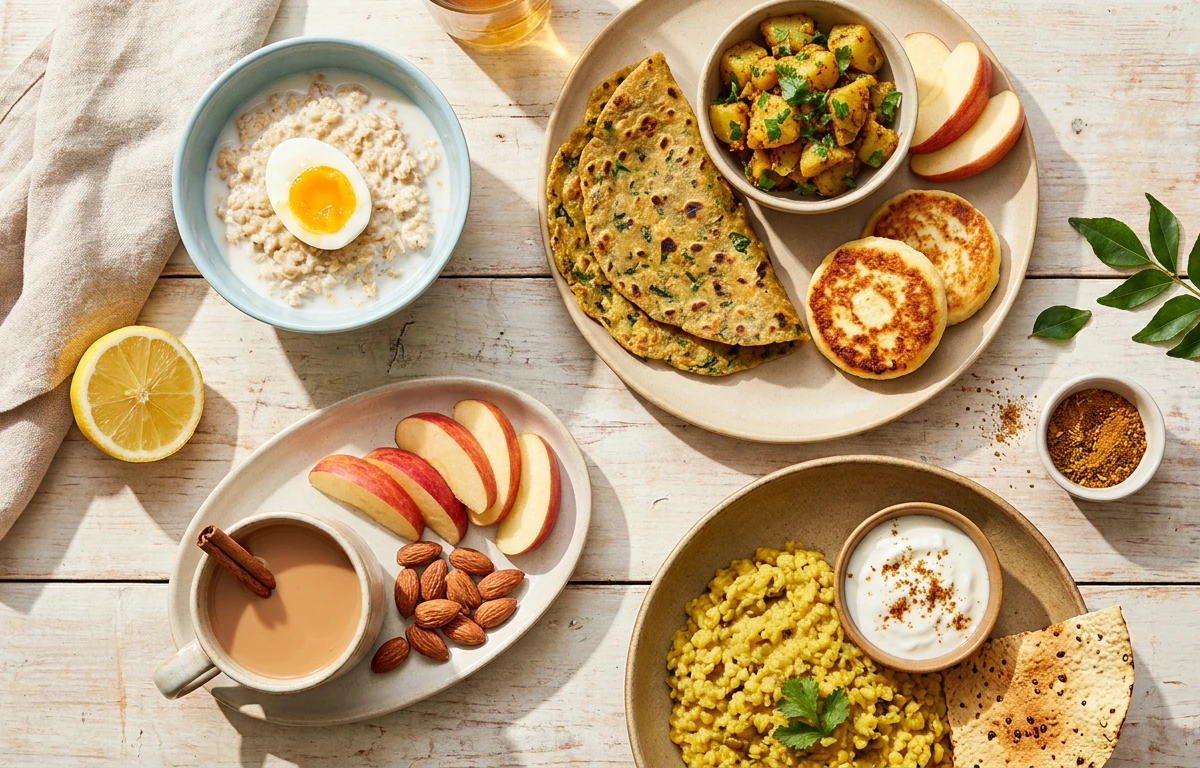
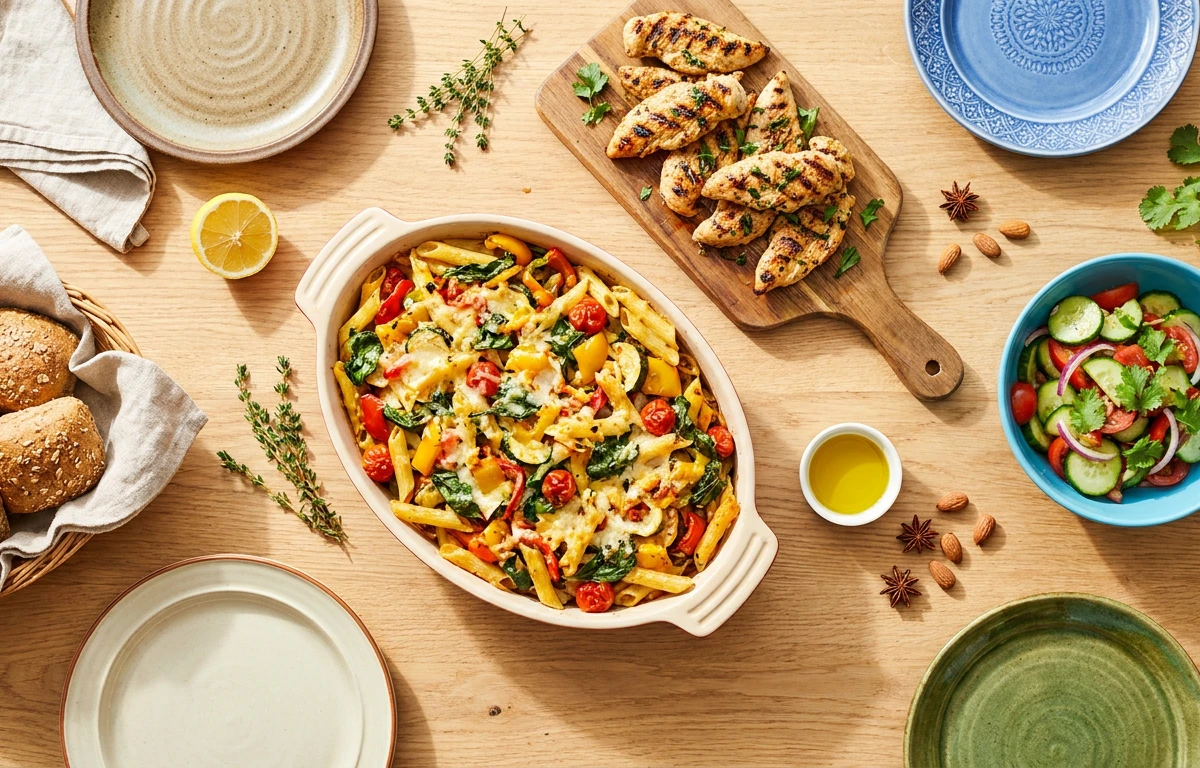
This 14-day Indian school lunchbox meal plan is engineered for the specific constraints of packing food for kids aged 7-13: **must survive 4-6 hours at room temperature in a school bag**, **eats cleanly with limited cutlery (most schools, hands or a spoon)**, **fits in a typical Indian school lunchbox**, and **kids will actually open and eat it** (not bring it home untouched). Daily target 1,600 kcal/day split 400/480/240/480 across breakfast at home, school lunchbox, after-school snack, family dinner. The lunchbox itself targets 480 kcal of the day — substantial but not huge, since kids often eat in a hurried 20-30 minute lunch break.
**Summer food-safety is the biggest unsexy issue** — and the one most parents underestimate. April-October in most of India sees school-bag interior temperatures of 30-40°C+ — well into the FSSAI 'danger zone' where bacterial growth doubles every 20 minutes [1]. **Dairy-based fillings (paneer, dahi, raita), egg-based wet preparations (egg curry), and leafy-green-heavy sabzis spoil in 3-4 hours** in a school bag. The plan deliberately uses **dry preparations** (theplas, parathas with dry potato or carrot filling, dry chana, dry-roasted poha cutlets), **acid-preserved items** (lemon rice, tamarind-based chutneys), and **bake-fried items** (mathri, suji-style snacks) — all of which hold 4-6 hours safely. **Insulated steel lunchboxes (Milton, Cello, Tupperware Eco) extend the safe window to 5-7 hours** even with dairy items, but a regular plastic lunchbox in summer is unsafe for paneer, dahi, or egg fillings.
**Kid-eating reality**: lunch break is 20-25 minutes typically; many kids spend 5-7 of those running around or talking; actual eating time is 12-15 minutes. **Lunchboxes must be EASY to eat** — pre-cut, pre-portioned, hand-friendly. A whole carrot is uneaten; carrot sticks with chaat masala are eaten. A folded paratha is eaten quickly; an unfolded one with separate sabzi takes 10 minutes of fumbling. The plan optimises for this — most lunchboxes are sandwich-style, roll-style, or one-pot preparations.
**Sodium awareness**: many Indian processed cheese cubes (Amul, Britannia, Go) contain **300-400 mg sodium per 25 g cube** — high for a kid's daily lunchbox addition. Substitute with **fresh paneer cubes (15-25 mg sodium per 25 g)** in cooler months, or use only half a processed cheese cube as a protein bribe. **Maggi-style noodle additions in lunchbox** are not in this plan — too much sodium (700-900 mg per serving) and reinforces refined-carb preference.
**Picky-eater management**: this plan **does not negotiate with picky eating by dropping vegetables** — it embeds them in formats kids accept (grated in atta, blended in dal, hidden in stuffed paratha). Kids who refuse 'sabzi' eat the same vegetables in paratha-pizza-roll formats. **Don't pack what your kid refuses to eat at home** — lunchbox isn't the place to test new vegetables. Establish acceptance at the dinner table first, then carry into lunchbox.
**Calorie target reality**: 1,600 kcal is appropriate for ages 7-9; ages 10-13 may need 1,800-2,000 kcal (scale portions 15-25%). **Don't under-feed school-age kids** — they're growing, learning, often physically active, and skipping calories shows up as afternoon brain fog, mood swings, and over-eating at dinner. **Consult a pediatrician** for kids with allergies, growth concerns, or specific dietary needs.
Click any day to see the full meal breakdown with macros. Days are interchangeable — eat all 14 within 2 weeks in any order.
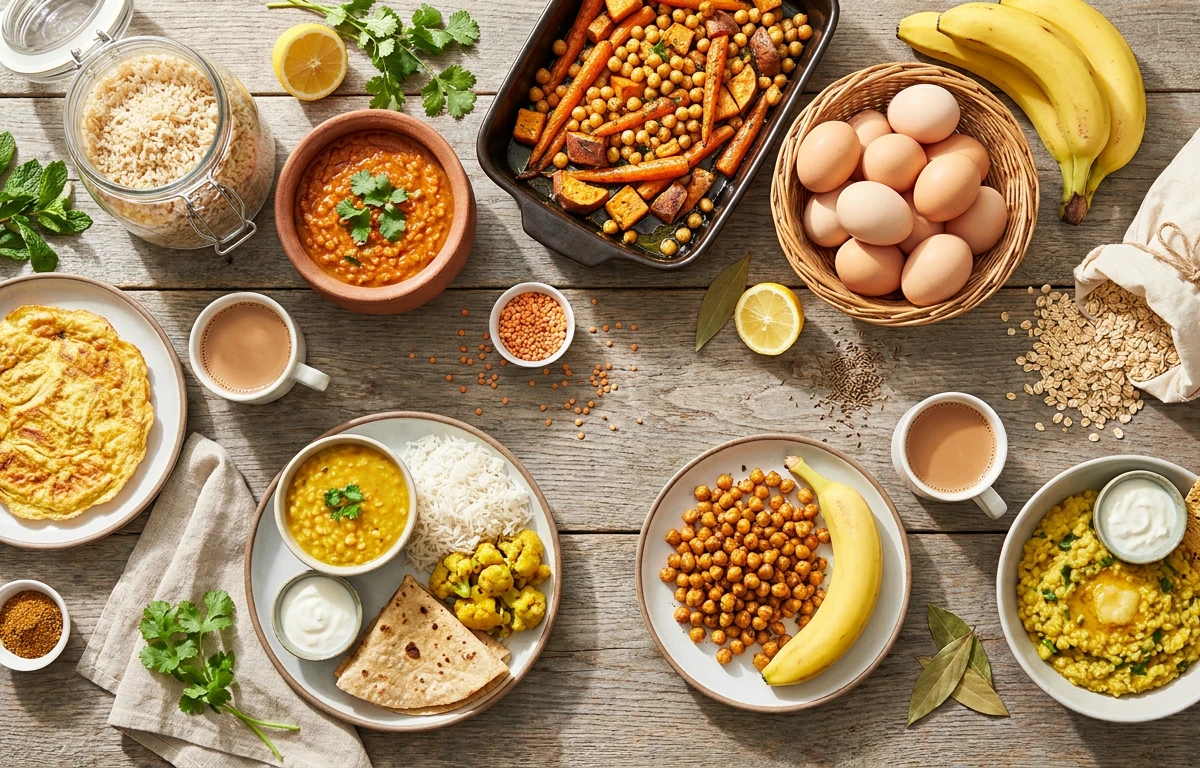
Most of the week’s cooking happens on Sunday. Doing the prep up-front means weekday meals come together in 10 minutes or less.
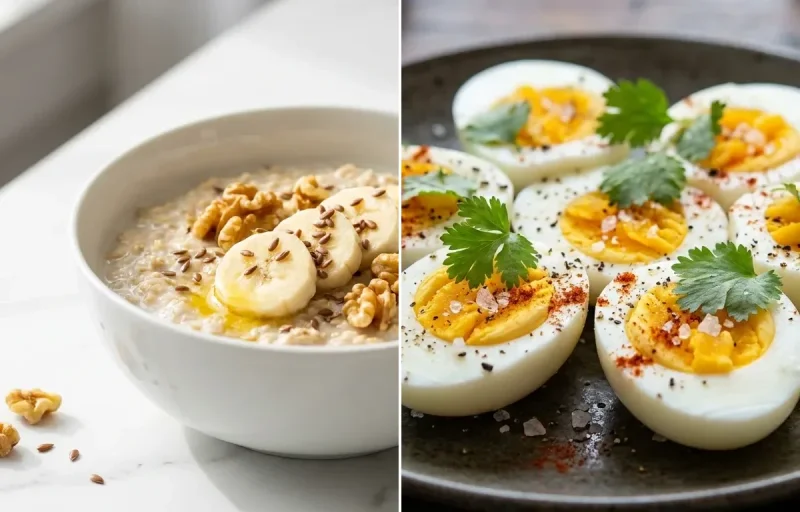
A predictable lunchbox routine reduces morning chaos and ensures consistent nutrition. Pair with packed water bottle, fruit, and one cheese/egg for protein. Avoid daily packet juice — water primary, milk at home before/after school.
Save this plan, generate a custom grocery list, and let us text you the prep schedule for Sunday.