A fiery and tangy egg curry from Andhra Pradesh, where hard-boiled eggs are simmered in a rich gravy of onions, tomatoes, and aromatic spices. Perfect with steamed rice or rotis for a hearty meal.
A wholesome and traditional South Indian dish made from finger millet flour and rice. These soft, nutritious balls are a perfect gluten-free accompaniment to spicy curries and sambar, offering a rustic and earthy flavor.
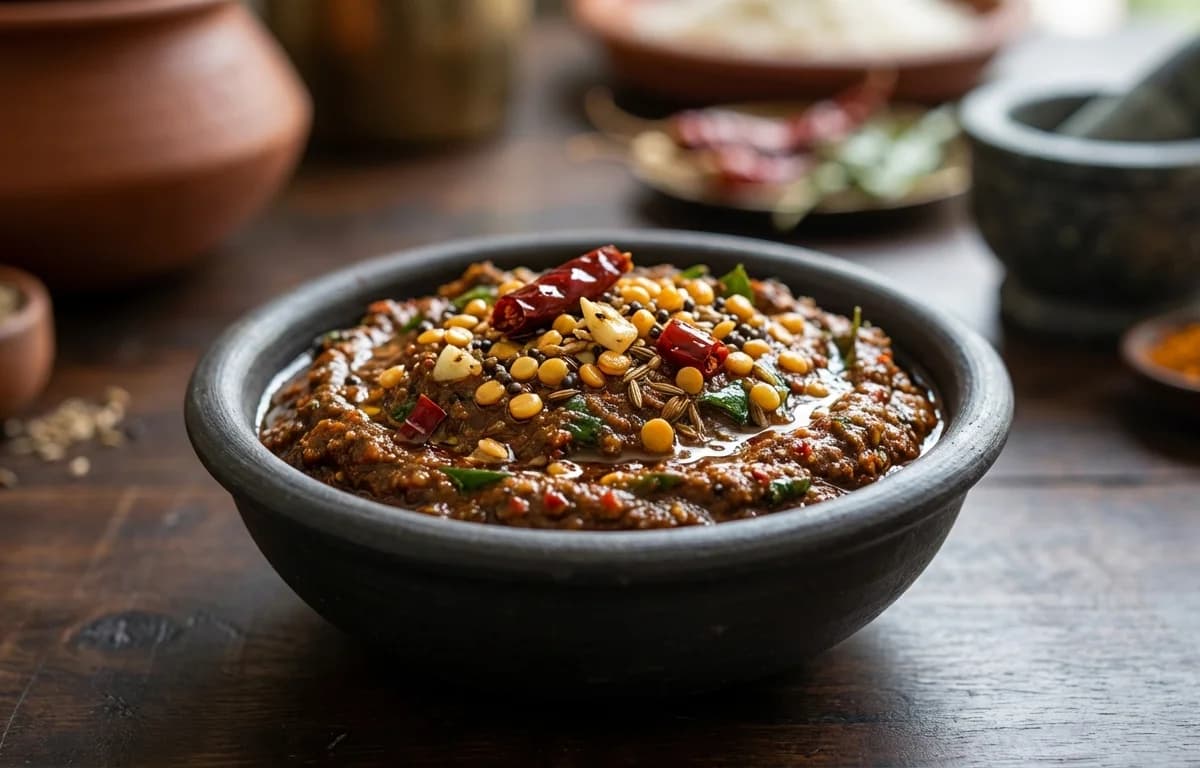
A classic Andhra chutney with a unique tangy and spicy flavor. Made from sorrel leaves, red chilies, and garlic, this vibrant pachadi is the perfect fiery accompaniment to hot rice.
About Andhra Egg Curry, Ragi Sankati and Gongura Chutney
Tangy Andhra egg curry with energy-giving ragi sankati & gut-friendly gongura chutney – a protein-packed delight!
This south_indian dish is perfect for lunch. With 721.0200000000001 calories and 22.26g of protein per serving, it's a nutritious choice for your meal plan.
fat
1.5 tsp Red Chili Powder (adjust to taste)
2 tsp Coriander Powder
1 tsp Garam Masala
1 tsp Tamarind Paste (optional, for extra tang)
1.5 tsp Salt (adjust to taste)
1.5 cup Water
2 tbsp Coriander Leaves (chopped, for garnish)
Instructions
1
Prepare the Eggs
Place eggs in a saucepan, cover with water, and bring to a rolling boil. Cook for 10-12 minutes to hard-boil them.
Drain the hot water and immediately place the eggs in a bowl of cold water to stop the cooking process. This also makes them easier to peel.
Once cool, peel the eggs and gently make 2-3 shallow slits on each one with a knife. This helps them absorb the gravy's flavor.
2
Sauté the Aromatics
Heat oil in a wide pan or kadai over medium heat. Add mustard seeds and cumin seeds. Allow them to splutter for about 30 seconds.
Add the curry leaves and slit green chilies. Sauté for another 30 seconds until fragrant.
Add the finely chopped onions and a pinch of salt. Sauté for 8-10 minutes, stirring occasionally, until they turn deep golden brown.
Add the ginger-garlic paste and cook for 1-2 minutes until the raw smell disappears.
3
Build the Gravy
Add the tomato puree to the pan. Cook for 5-7 minutes, stirring frequently, until the mixture thickens and you see oil separating from the sides.
Reduce the heat to low. Add the turmeric powder, red chili powder, and coriander powder. Stir continuously for one minute to cook the spices without burning them.
4
Simmer the Curry
Pour in 1.5 cups of water and add salt to taste. If using, stir in the tamarind paste.
Bring the gravy to a gentle boil over medium heat.
Carefully place the slit, hard-boiled eggs into the simmering gravy.
Cover the pan, reduce the heat to low, and let it simmer for 8-10 minutes. This allows the eggs to soak up all the spicy and tangy flavors.
5
Finish and Serve
Uncover the pan and stir in the garam masala powder. Cook for one more minute.
Turn off the heat and garnish with freshly chopped coriander leaves.
Let the curry rest for at least 10 minutes before serving to allow the flavors to meld. Serve hot with steamed rice, dosa, or roti.
223cal
5gprotein
40gcarbs
5gfat
Ingredients
1 cup ragi flour
0.5 cup sona masuri rice (or any short-grain rice)
3.5 cup water
0.75 tsp salt
1 tbsp ghee (for serving, optional)
Instructions
1
Wash the rice thoroughly. In a heavy-bottomed pot, combine the washed rice and 2.5 cups of water. Bring the water to a boil, then reduce the heat to low, cover the pot, and simmer for 15-20 minutes. Cook until the rice is very soft and mushy. Mash it slightly with the back of a spoon to break down the grains.
2
While the rice is cooking, in a separate bowl, add the ragi flour. Gradually pour in the remaining 1 cup of water, whisking continuously to create a smooth, lump-free slurry.
3
Pour the ragi slurry into the pot with the mashed, cooked rice. Add the salt. Set the heat to low-medium and start stirring immediately with a sturdy wooden spoon or spatula. Continue to stir vigorously and constantly for 8-10 minutes. The mixture will thicken quickly. Keep cooking until the mixture pulls away from the sides of the pot and forms a single, glossy, non-sticky mass.
4
Turn off the heat, cover the pot, and let the sankati rest for 5 minutes. Wet your hands with a little water to prevent the mixture from sticking. Divide the hot mixture into 4 equal portions and quickly shape them into smooth, round balls. Serve the Ragi Sankati immediately, topped with a dollop of ghee, alongside a spicy curry or sambar.
200 g Gongura Leaves (About 1 large bunch, stems removed)
12 pcs Dried Red Chilies (Use Guntur or Byadgi for authentic flavor)
8 cloves Garlic (Peeled)
5 tbsp Sesame Oil (Also known as gingelly oil)
1 tsp Mustard Seeds
1 tsp Cumin Seeds
1 tsp Chana Dal
1 tsp Urad Dal
0.25 tsp Hing (Asafoetida)
0.25 tsp Turmeric Powder
1 tsp Salt (Adjust to taste)
2 tbsp Water (For grinding, use as needed)
Instructions
1
Prepare the Gongura Leaves
Separate the gongura leaves from the thick stems; discard the stems.
Wash the leaves thoroughly in a large bowl of water 2-3 times to remove any dirt or grit.
Spread the leaves on a clean kitchen towel or colander and let them air dry completely. This step is crucial to prevent splattering and achieve the right texture.
2
Sauté the Gongura
Heat 3 tablespoons of sesame oil in a wide pan (kadai) over medium heat.
Once the oil is hot, add the completely dried gongura leaves and turmeric powder.
Sauté for 8-10 minutes, stirring continuously. The leaves will wilt, release water, and eventually cook down into a dark, thick, mushy paste.
Remove the cooked gongura paste from the pan and set it aside in a bowl to cool down completely.
3
Roast Spices and Grind the Chutney
In the same pan, dry roast the dried red chilies over low-medium heat for 1-2 minutes until they become crisp and aromatic. Be careful not to burn them.
Transfer the roasted chilies, cooled gongura paste, peeled garlic cloves, and salt to a blender or mixie jar.
Grind the mixture to a coarse paste without adding any water first. If the mixture is too thick to grind, add 1-2 tablespoons of water and blend again until you get a thick, coarse paste.
4
Prepare the Tempering (Tadka)
Heat the remaining 2 tablespoons of sesame oil in a small tadka pan over medium heat.
Add the mustard seeds and allow them to splutter completely.
Add the cumin seeds, chana dal, and urad dal. Sauté until the dals turn golden brown and fragrant.
Turn off the heat and immediately add the hing. Give it a quick stir.
5
Combine and Serve
Pour the hot tempering over the ground gongura chutney.
Mix everything thoroughly until the tempering is well incorporated.
Let the chutney rest for at least 20-30 minutes to allow the flavors to meld together.
Serve this authentic Andhra Gongura Pachadi with hot steamed rice and a dollop of ghee.