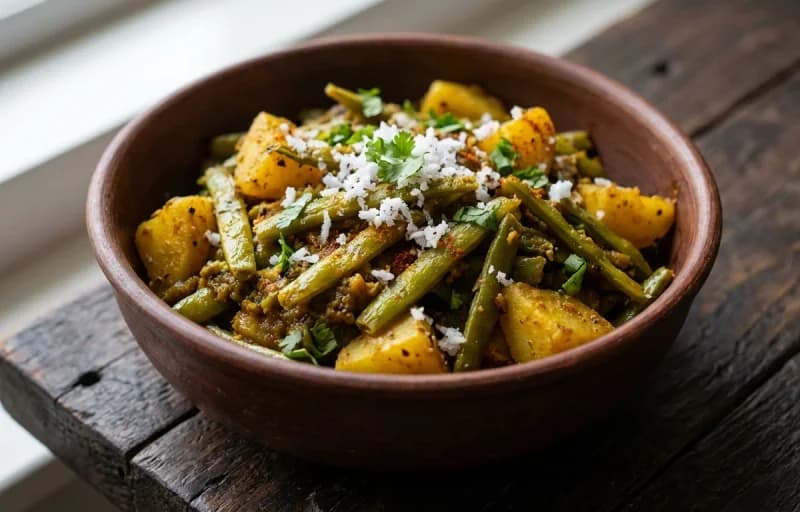
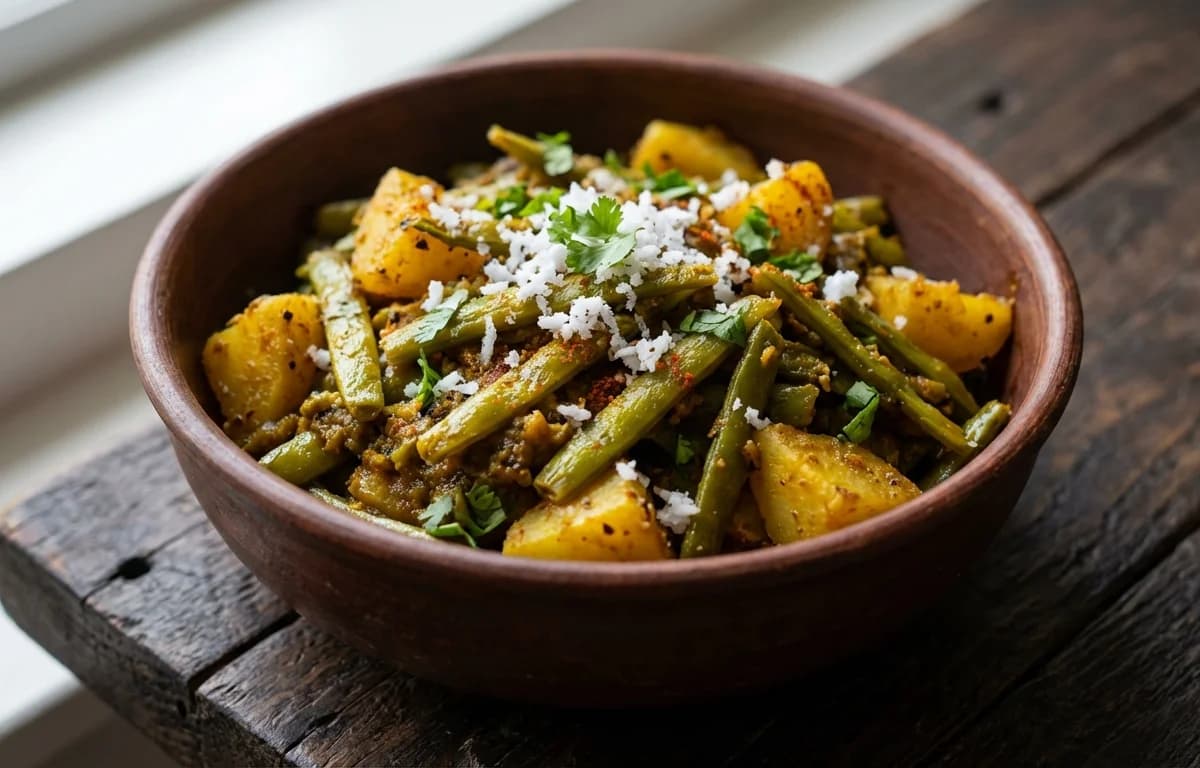
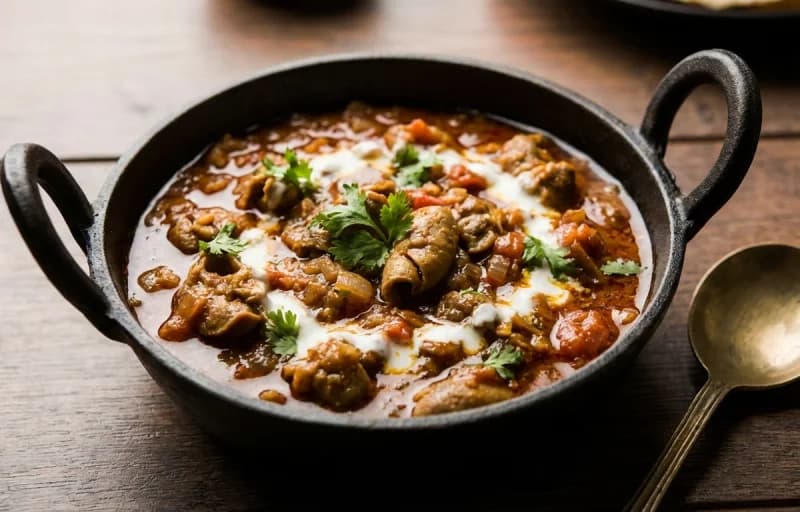
A rustic and wholesome Maharashtrian stir-fry featuring tender cluster beans and soft potatoes. This simple, everyday sabzi gets its unique flavor from goda masala and a hint of jaggery, making it a perfect partner for fresh rotis or bhakri.
Prep15 min
Cook25 min
Servings4
Serving size: 1 serving
233cal
5gprotein
30gcarbs
12g
Ingredients
250 g Cluster Beans (Also known as Gawar. Trimmed and chopped into 1-inch pieces.)
2 medium Potatoes (Peeled and diced into ½-inch cubes.)
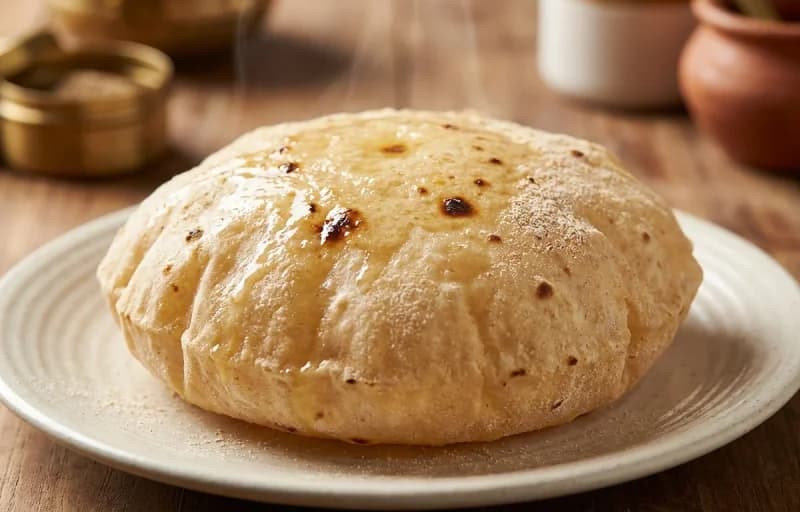
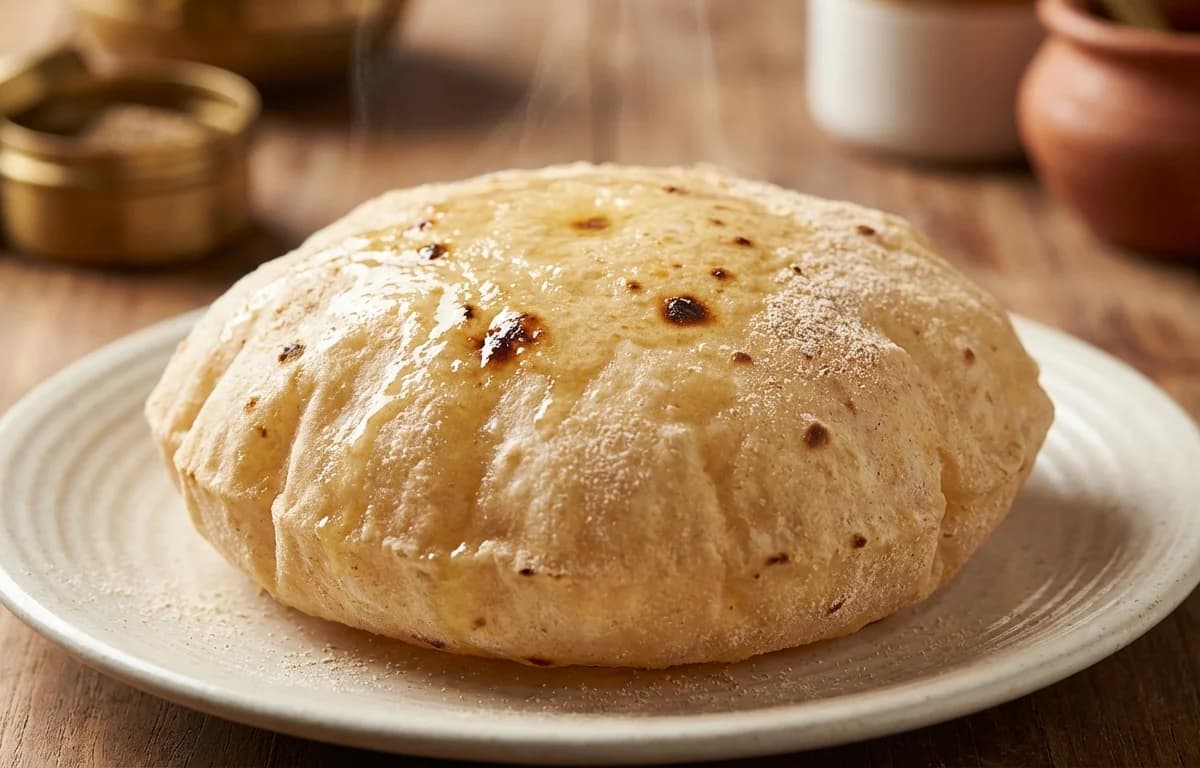
Soft, thin, and light Indian flatbreads made from whole wheat flour. They puff up beautifully on an open flame, making them a perfect, healthy accompaniment to any curry or dal.
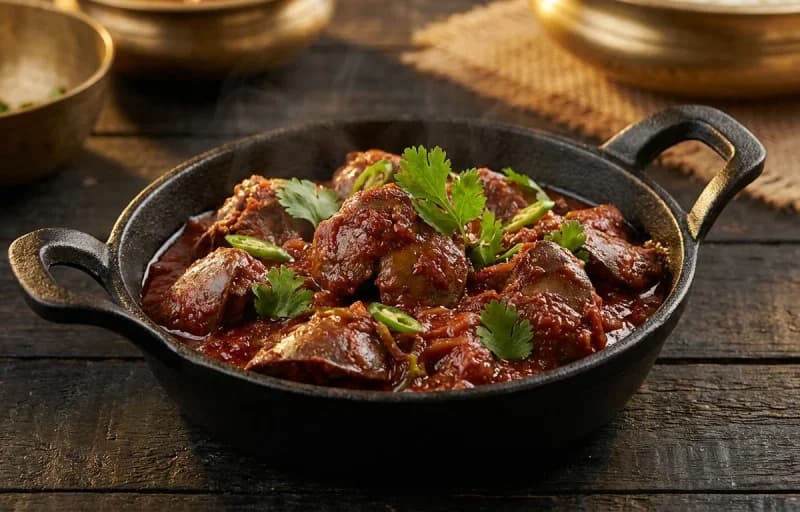
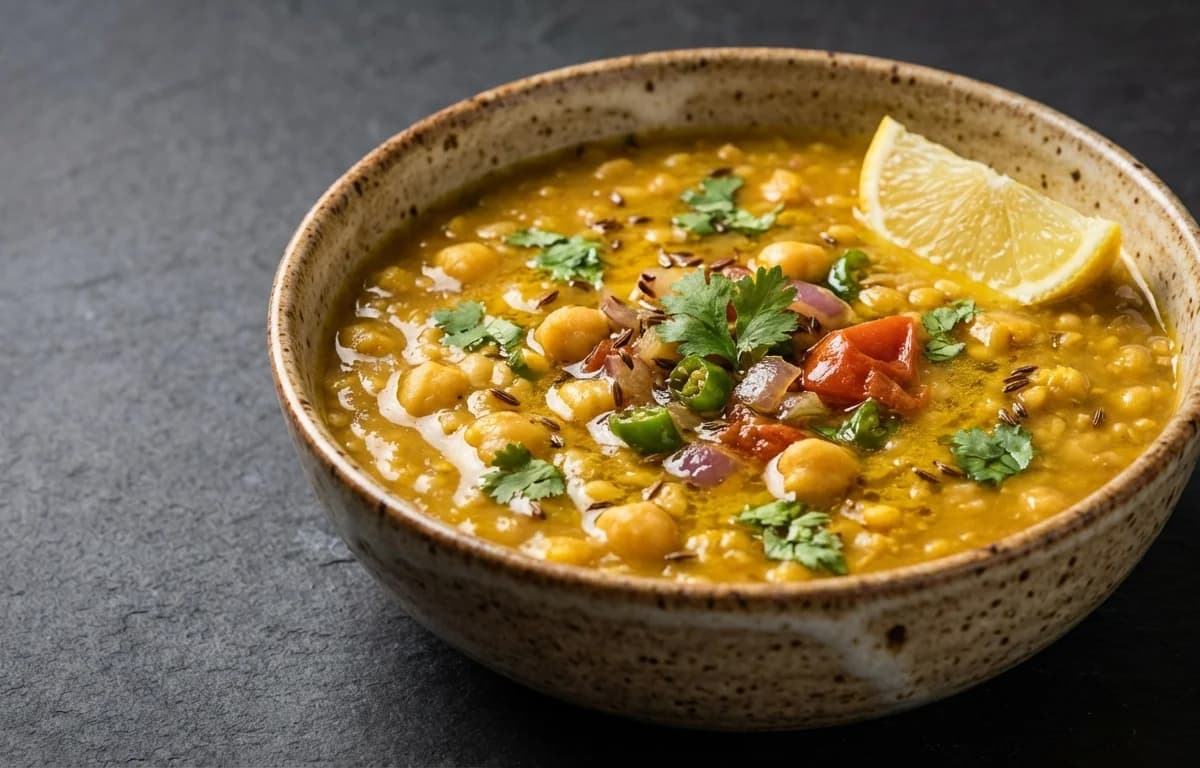
A classic Sindhi comfort food, Tidali Dal is a harmonious blend of three lentils: chana, urad, and moong. This hearty and nutritious dal is pressure-cooked to a creamy consistency and finished with a fragrant tempering of onions, tomatoes, and aromatic spices. Its rich texture and complex flavor make it a perfect main course served with rice or roti.
Fiber-rich Gawar Patata with protein-packed Tidali Dal and soft phulkas – a wholesome, energy-giving meal.
This sindhi dish is perfect for dinner. With 769.81 calories and 25.78g of protein per serving, it's a nutritious choice for your meal plan.
fat
1 pc Green Chili (Slit lengthwise.)
1 medium Tomato (Finely chopped.)
0.5 tsp Turmeric Powder
1 tsp Red Chili Powder (Adjust to your spice preference.)
1.5 tsp Goda Masala (Key for authentic Maharashtrian flavor.)
1 tsp Jaggery (Grated or powdered.)
1 tsp Salt (Or to taste.)
0.5 cup Water (For cooking.)
2 tbsp Fresh Coconut (Grated, for garnish.)
2 tbsp Coriander Leaves (Freshly chopped, for garnish.)
Instructions
1
Prep Vegetables: Wash the cluster beans thoroughly. Trim the ends and chop them into 1-inch pieces. Peel the potatoes and dice them into ½-inch cubes. Finely chop the onion and tomato. Keep everything ready.
2
Temper Spices: Heat oil in a kadai or heavy-bottomed pan over medium heat. Once hot, add mustard seeds and let them splutter. Then, add cumin seeds, asafoetida, and curry leaves. Sauté for 30 seconds until fragrant.
3
Sauté Aromatics: Add the chopped onion and sauté for 3-4 minutes until it turns soft and translucent. Add the ginger-garlic paste and slit green chili, and cook for another minute until the raw aroma disappears.
4
Cook Masala Base: Add the chopped tomatoes and cook for 4-5 minutes until they become soft and mushy. Add turmeric powder, red chili powder, and goda masala. Stir well and cook for 1-2 minutes until the oil starts to separate from the masala.
5
Combine and Cook: Add the chopped cluster beans and diced potatoes to the pan. Mix thoroughly to coat the vegetables with the masala. Add salt, grated jaggery, and ½ cup of water. Stir everything together.
6
Simmer to Perfection: Cover the pan with a lid and reduce the heat to low. Let the sabzi cook for 15-20 minutes, stirring occasionally. Cook until both the beans and potatoes are tender (a knife should easily pierce a potato cube). If the sabzi looks too dry during cooking, add a splash of hot water.
7
Garnish and Serve: Once cooked, turn off the heat. Stir in the freshly grated coconut and garnish with chopped coriander leaves. Let it rest for 5 minutes for the flavors to meld. Serve hot with roti, bhakri, or as a side with dal and rice.
262cal
8gprotein
44gcarbs
8gfat
Ingredients
2 cup Atta (Also known as whole wheat flour)
0.5 tsp Salt
1 cup Lukewarm Water (Adjust as needed to form a soft, pliable dough)
2 tbsp Ghee (For brushing on top, optional)
Instructions
1
Prepare the Dough
In a large mixing bowl, combine 2 cups of atta and salt.
Gradually add lukewarm water, a little at a time, mixing with your fingers until the flour comes together to form a dough.
Knead the dough on a clean, flat surface for 8-10 minutes, pressing and stretching it with the heel of your hand. The final dough should be soft, smooth, and elastic, not sticky.
2
Rest the Dough
Lightly grease the dough with a few drops of oil or ghee to prevent it from drying out.
Cover the bowl with a damp cloth or a lid and let the dough rest for at least 20-30 minutes. This step is crucial for relaxing the gluten, which results in softer phulkas.
3
Divide and Roll
After resting, knead the dough again for one minute.
Divide the dough into 8 equal-sized portions and roll them into smooth balls.
Take one ball, flatten it between your palms, and dip it into the dry atta for dusting.
Place it on a rolling board (chakla) and roll it out evenly into a thin circle, about 6-7 inches in diameter. Use minimal dry flour for dusting to avoid making the phulka hard.
4
Cook on the Tawa (Griddle)
Heat a tawa over medium-high heat. To check if it's ready, sprinkle a pinch of dry flour; it should turn brown in a few seconds.
Place the rolled phulka on the hot tawa. Cook for about 15-20 seconds until you see small bubbles appear on the surface.
Flip the phulka using tongs and cook the other side for 30-40 seconds until light brown spots appear.
5
Puff on Open Flame
Using tongs, carefully lift the phulka off the tawa and place it directly on a high flame.
Within seconds, the phulka will puff up into a ball due to the trapped steam.
Immediately flip it to cook the other side on the flame for just a second or two. Be careful not to burn it.
6
Finish and Serve
Remove the puffed phulka from the flame. If desired, brush the top with a little ghee.
Place the finished phulka in a casserole or a container lined with a clean kitchen towel. This keeps them soft and warm.
Repeat the rolling, cooking, and puffing process for the remaining dough balls. Serve hot with your favorite dal or curry.