A fiery and aromatic dry chicken dish from Andhra Pradesh, famous for its intense heat from Guntur chilies. Tender chicken pieces are marinated and pan-fried with a bold spice blend, creating a perfect appetizer or side dish.
Prep20 min
Cook30 min
Servings4
Serving size: 1 serving
400cal
31gprotein
13gcarbs
26g
Ingredients
600 g Boneless Chicken Thighs (Cut into 1.5-inch pieces)
8 pcs Guntur Red Chilies (Stems removed. Adjust quantity for desired heat.)
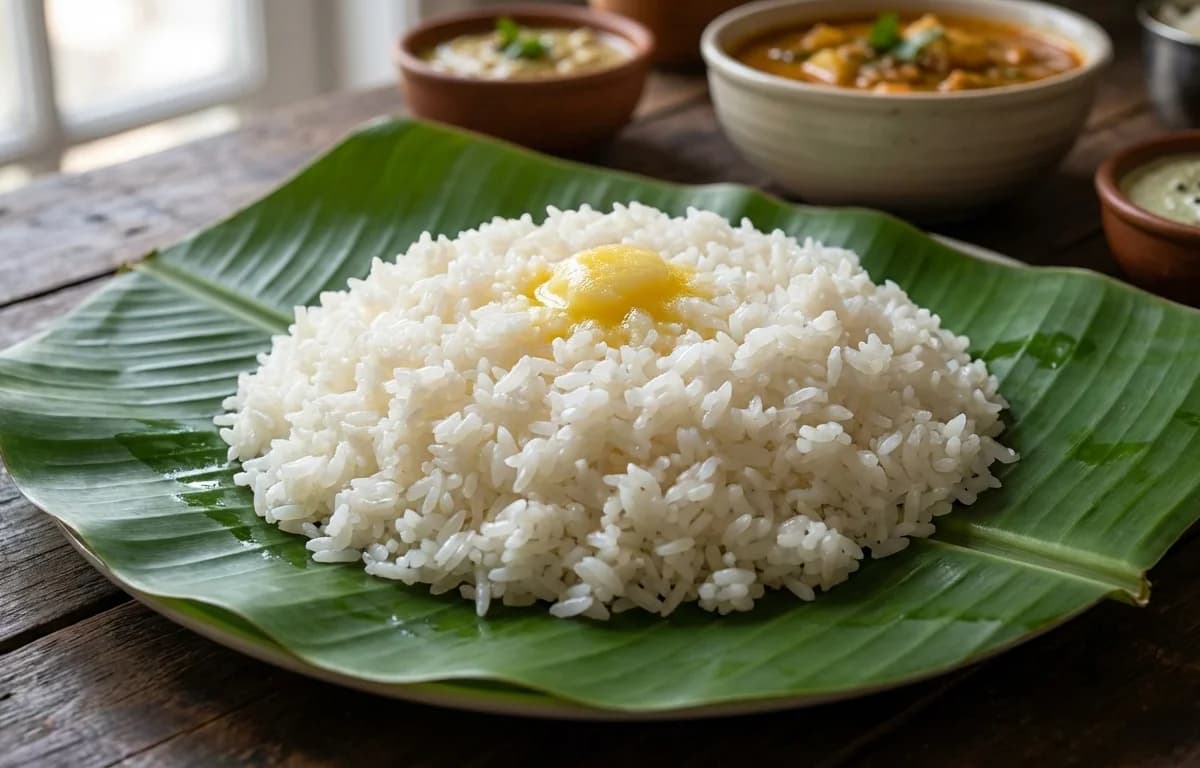
Achieve perfectly fluffy, soft, and separate grains of steamed rice every time with this foolproof recipe. An essential staple in Indian cuisine, this simple method forms the ideal base for a multitude of dishes like dal, sabzi, and rich curries.
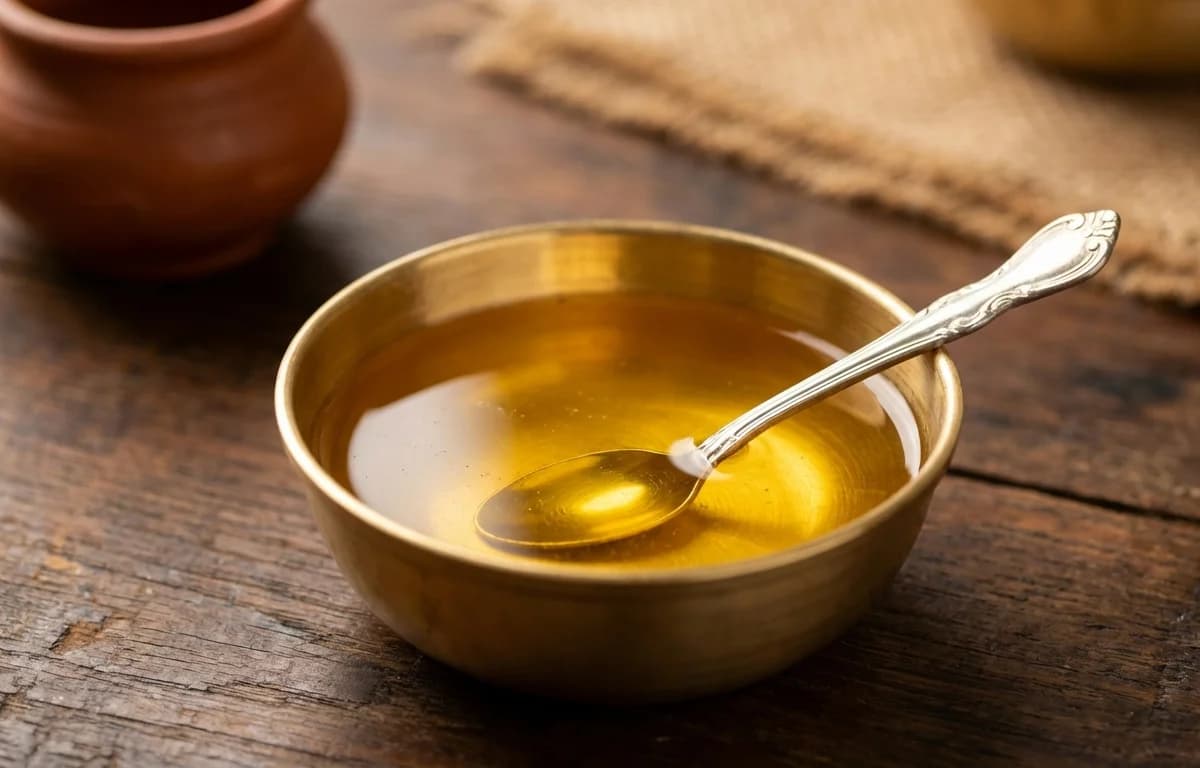
Aromatic and nutty clarified butter, a staple in Indian cooking. Making ghee at home is simple, rewarding, and results in a pure, flavorful cooking fat perfect for sautéing, frying, and tempering.
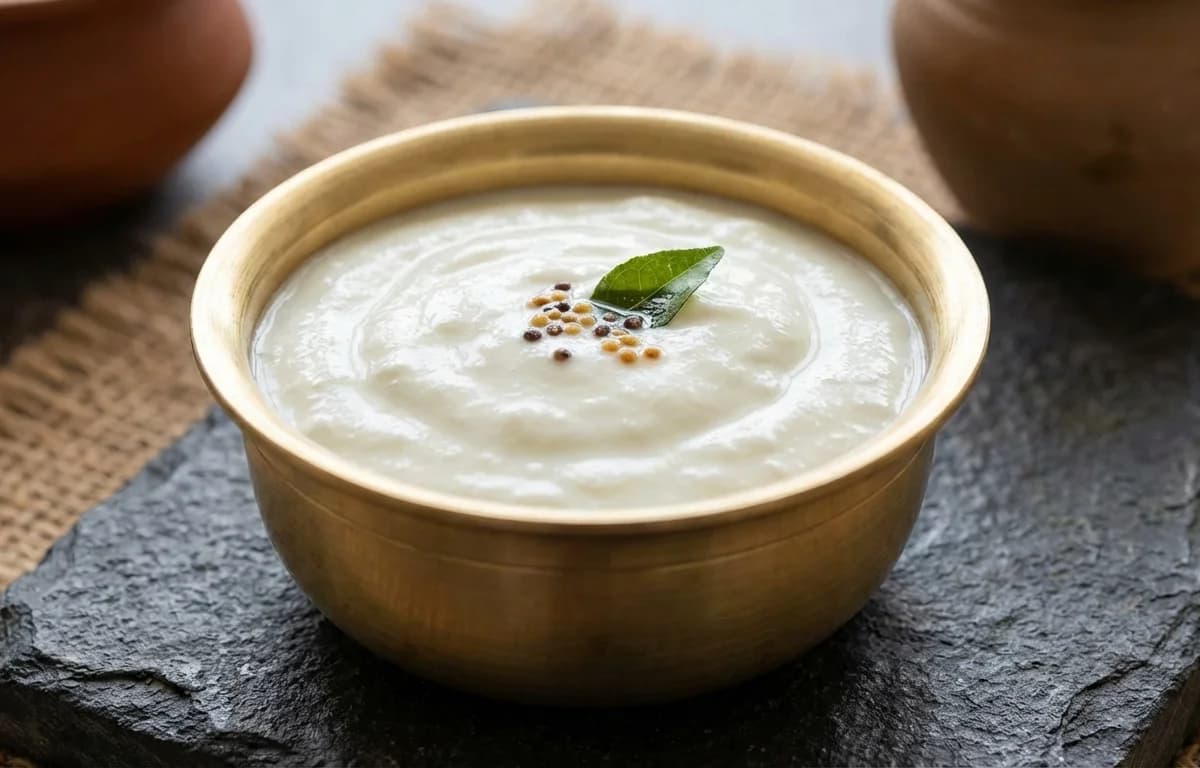
Tangy homemade yogurt, a staple in every South Indian home. This simple recipe uses just two ingredients to create fresh, probiotic-rich curd perfect for raitas, curries, or enjoying on its own.
Prep10 min
Cook0 min
Ferment480 min
Servings4
About Guntur Chicken Fry, Steamed Rice, Ghee and Perugu
Perfectly spiced Guntur Chicken with fluffy rice, ghee & cool yogurt. An energy-giving, soul-satisfying lunch!
This andhra dish is perfect for lunch. With 951.7 calories and 44.29g of protein per serving, it's a nutritious choice for your meal plan.
Other Cuisines to Explore
Discover authentic meals from cuisines around the world.
2 tbsp Coriander Leaves (Freshly chopped, for garnish)
0.25 cup Hot Water (For soaking chilies)
Instructions
1
Prepare the Spice Paste
Soak the Guntur red chilies in 1/4 cup of hot water for 15 minutes. This will soften them and make grinding easier.
In a small blender or grinder, combine the soaked red chilies (along with their soaking water), chopped ginger, and garlic cloves.
Grind to a coarse, thick paste. Set aside.
2
Marinate the Chicken
In a large bowl, combine the chicken pieces, the prepared spice paste, turmeric powder, coriander powder, cumin powder, and salt.
Add half of the lemon juice (1 tbsp).
Mix thoroughly until every piece of chicken is evenly coated. Cover and let it marinate for at least 1 hour, or up to 4 hours in the refrigerator for best results.
3
Sauté Aromatics
Heat oil in a heavy-bottomed pan or kadai over medium-high heat.
Once the oil is hot, add the curry leaves and slit green chilies. Sauté for about 30 seconds until they splutter and become fragrant.
Add the thinly sliced onions and fry for 6-8 minutes, stirring occasionally, until they turn deep golden brown.
4
Cook the Chicken
Add the marinated chicken to the pan. Increase the heat to high and sauté for 4-5 minutes, stirring continuously to sear the chicken on all sides.
Reduce the heat to medium-low, cover the pan with a lid, and cook for 15-20 minutes. Stir every 5 minutes to prevent sticking. The chicken will cook in its own juices.
Remove the lid once the chicken is tender and fully cooked (internal temperature reaches 74°C / 165°F).
5
Finish and Serve
Increase the heat to medium-high again. Stir-fry the chicken for 3-5 minutes, until all the moisture has evaporated and the masala coats the chicken pieces, creating a dry texture.
Turn off the heat. Sprinkle the garam masala and the remaining 1 tbsp of lemon juice over the chicken. Mix well to combine.
Garnish with freshly chopped coriander leaves.
Serve hot as a fiery appetizer or as a side dish with sambar rice or rasam rice.
4
Serving size: 1 serving
253cal
5gprotein
55gcarbs
0gfat
Ingredients
1.5 cup basmati rice
3 cup water (for cooking, plus more for rinsing)
Instructions
1
Rinse and Soak the Rice
Place 1.5 cups of basmati rice in a medium bowl.
Add cool water and gently swirl the rice with your fingertips. The water will become cloudy.
Carefully drain the starchy water. Repeat this rinsing process 3-4 times, until the water runs mostly clear.
Add enough fresh water to cover the rice by an inch and let it soak for 30 minutes. This is key for long, fluffy grains.
After soaking, drain the rice completely using a fine-mesh sieve.
2
Cook the Rice
Transfer the drained rice to a heavy-bottomed saucepan with a tight-fitting lid.
Add 3 cups of fresh water.
Place the pan over medium-high heat and bring the water to a rolling boil.
Once boiling, give the rice one gentle stir to prevent sticking.
Immediately reduce the heat to the lowest setting, cover the pot securely, and let it simmer for 12-15 minutes.
Do not lift the lid during this time to keep the steam trapped inside.
3
Rest and Fluff
After 12-15 minutes, turn off the heat. Keep the lid on and let the pot stand undisturbed for another 10 minutes.
This resting period allows the residual steam to finish cooking the grains perfectly.
After resting, remove the lid and use a fork to gently fluff the rice, separating the grains.
1 lb Unsalted Butter (High-quality, grass-fed butter will yield the most flavorful and nutritious ghee.)
Instructions
1
Melt the Butter
Cut the unsalted butter into 1-inch cubes to ensure even melting.
Place the butter cubes in a heavy-bottomed, medium-sized saucepan or pot.
Heat the pot over medium-low heat. Allow the butter to melt completely without stirring, which should take about 5-7 minutes.
2
Simmer and Clarify
Once melted, increase the heat slightly to a medium-low simmer. The butter will go through several stages.
First, it will come to a boil and a layer of white foam (milk solids) will form on top. Let it simmer gently.
After 10-15 minutes, the foam will start to thin, the bubbling will become finer, and the liquid will turn more transparent.
Continue simmering. The milk solids will begin to sink to the bottom and turn a golden-brown color. The bubbling will become very quiet, and the liquid will be clear and golden. This process takes about 10 more minutes.
The key indicator that the ghee is ready is a distinct nutty, popcorn-like aroma. Be very watchful at this stage to prevent the solids from burning.
3
Strain the Ghee
Immediately remove the pot from the heat once the milk solids are golden brown and the aroma is nutty.
Let the ghee cool in the pot for about 5-10 minutes to reduce the risk of burns.
Line a fine-mesh sieve with 2-3 layers of cheesecloth and place it over a clean, completely dry, heatproof glass jar.
Carefully and slowly pour the hot ghee through the cheesecloth-lined sieve, leaving the browned milk solids behind in the pot.
4
Cool and Store
Allow the strained ghee to cool completely to room temperature in the jar, uncovered. As it cools, it will solidify and become opaque.
Once fully cooled and solidified, seal the jar with an airtight lid.
Store the ghee in a cool, dark pantry for up to 3 months, or in the refrigerator for up to a year.
1 l Whole Milk (For a creamier, traditional result. Do not use UHT milk.)
2 tsp Curd Starter (Use active, live culture yogurt from a previous batch or store-bought.)
Instructions
1
Boil and Thicken the Milk
Pour the whole milk into a heavy-bottomed pot.
Bring the milk to a rolling boil over medium heat, stirring occasionally to prevent it from scorching at the bottom.
Once boiling, reduce the heat to low and let it simmer for 5-7 minutes. This step is key to evaporating some water content, which results in a thicker, creamier curd.
2
Cool the Milk to the Correct Temperature
Remove the pot from the heat and allow the milk to cool down until it is lukewarm. This can take 20-30 minutes.
The ideal temperature is between 105-115°F (40-46°C). To test without a thermometer, dip a clean finger into the milk. It should feel comfortably warm, like a baby's bathwater, but not hot.
3
Inoculate the Milk
In a small bowl, whisk the curd starter until it is smooth and lump-free.
Add 2-3 tablespoons of the warm milk to the starter and mix well. This process, called tempering, prevents the starter from curdling when added to the larger pot.
Pour the tempered starter mixture into the pot of warm milk. Stir gently just 2-3 times to ensure it's evenly distributed. Do not over-mix.
4
Set the Curd
Pour the inoculated milk into a setting container, such as a traditional clay pot (manchatti), glass bowl, or stainless steel vessel.
Cover the container with a lid and place it in a warm, dark, and draft-free place to set undisturbed.
Allow it to ferment for 6 to 8 hours in a warm climate, or up to 12-16 hours in a colder climate. The curd is set when it is firm and doesn't jiggle like a liquid when gently tilted.
5
Chill and Serve
Once the perugu has set perfectly, transfer the container to the refrigerator.
Chill for at least 3-4 hours. Chilling halts the fermentation process (preventing it from becoming too sour) and helps the curd to firm up further.
Serve chilled as a side with meals, or use it to make raita, buttermilk, or curries.