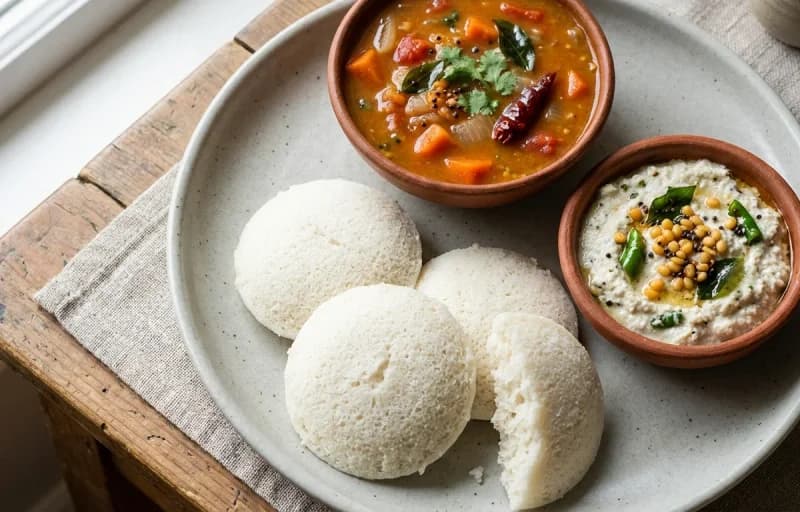
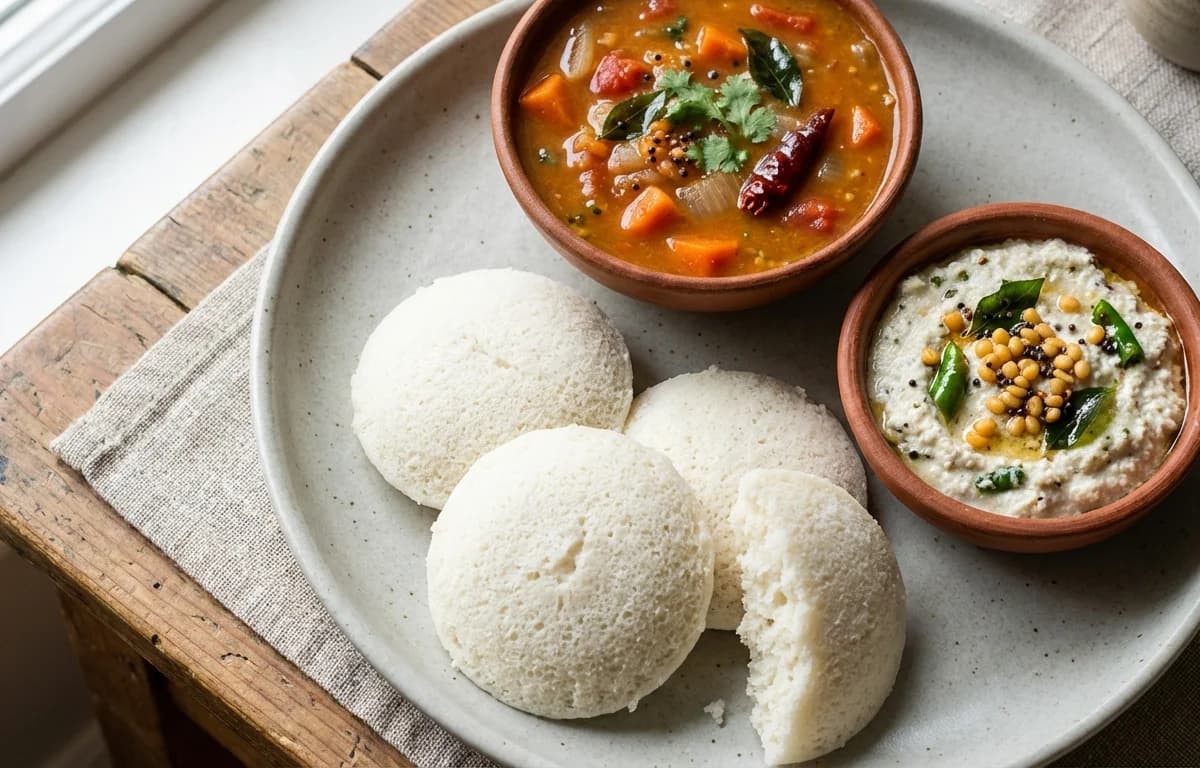
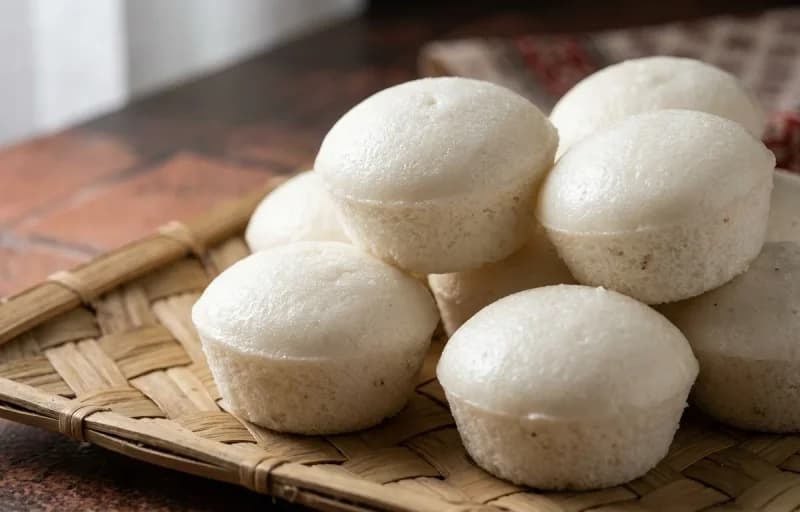
A quintessential South Indian comfort meal, this platter features perfectly steamed, fluffy idlis served alongside a hearty, flavorful sambar and a fresh, zesty coconut chutney. It's a complete and satisfying meal perfect for breakfast or brunch.
Prep60 min
Cook45 min
Soak360 min
Ferment600 min
Servings4
Serving size: 1 serving(One serving includes 4 idlis, about 1 cup of sambar, and 1/4 cup of coconut chutney.)
580cal
21gprotein
94gcarbs
Ingredients
1 cup Idli Rice (Parboiled rice for idli)
0.25 cup Urad Dal (Skinned black gram, for batter)
2 tbsp Thick Poha (Flattened rice)
0.25 tsp Fenugreek Seeds
2.25 tsp Salt (Or to taste)
1.5 tbsp Coconut Oil (Divided for tempering and greasing)
0.75 cup Toor Dal (Split pigeon peas)
1.5 cup Mixed Vegetables (Chopped (e.g., drumstick, carrot, pumpkin, beans))
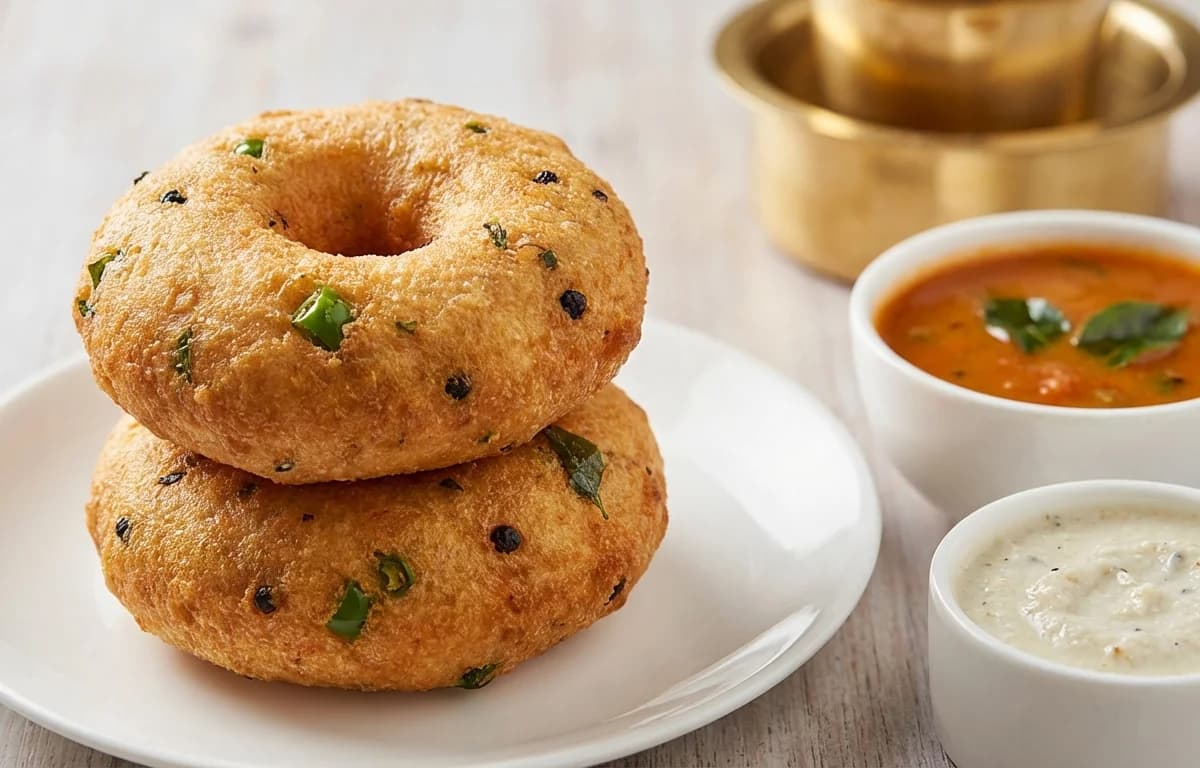
Crispy on the outside, soft and fluffy on the inside, these savory lentil fritters are a beloved South Indian breakfast and snack. Made from a ground urad dal batter, they are traditionally deep-fried to golden perfection and best enjoyed hot with sambar and coconut chutney. Note: This recipe requires 3-4 hours of inactive soaking time for the lentils.
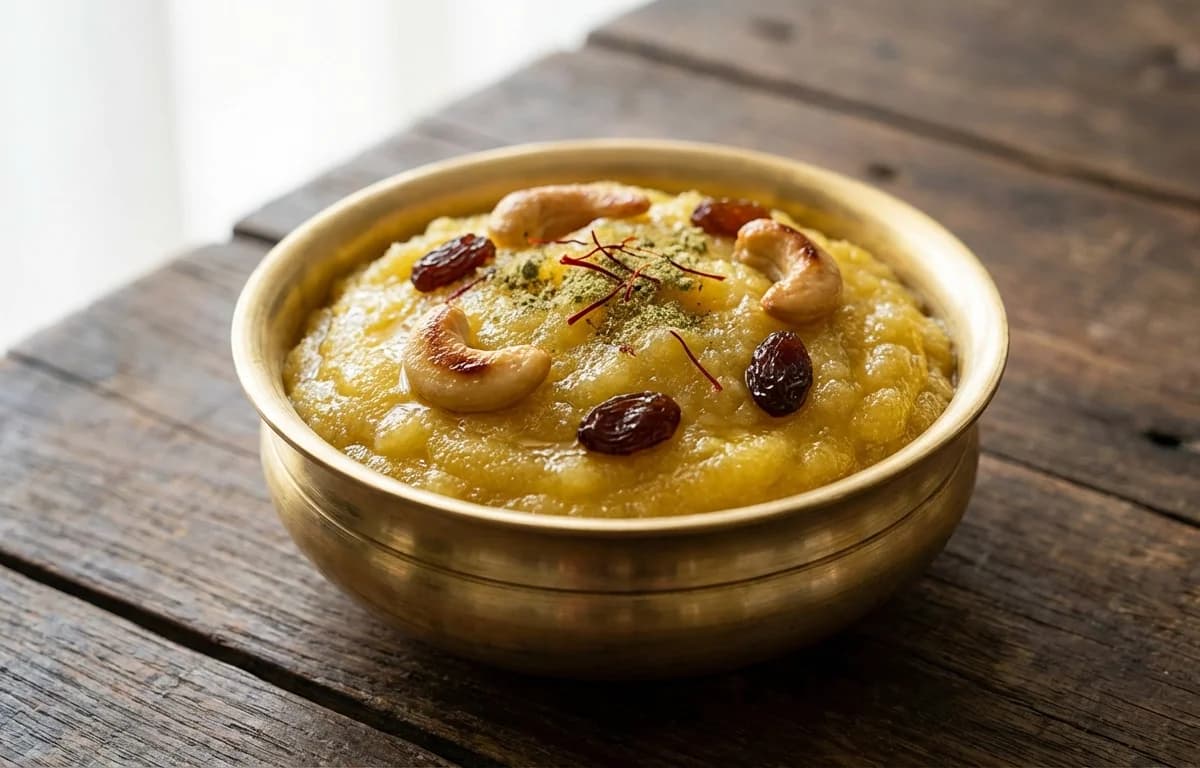
A classic South Indian sweet made from semolina, ghee, sugar, and fragrant saffron. This soft, melt-in-your-mouth dessert, often called Rava Kesari, is a festive favorite and a delightful breakfast treat.
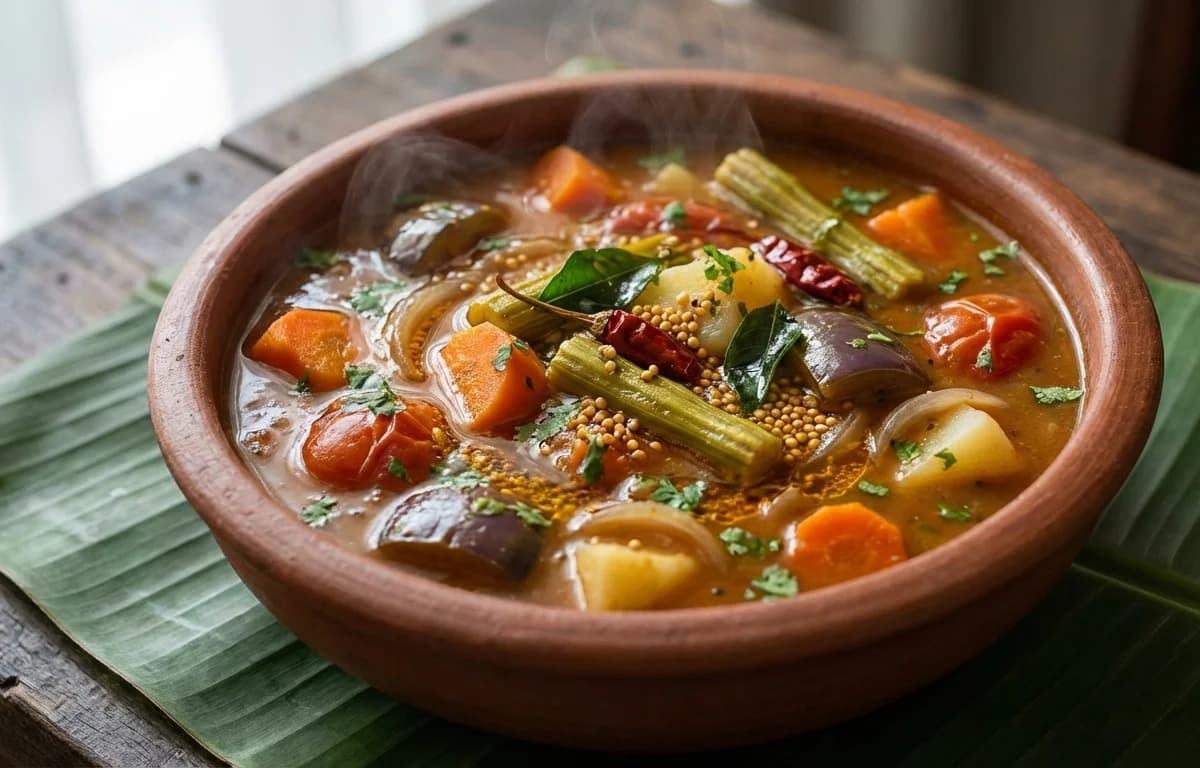
A hearty South Indian stew made with lentils, mixed vegetables, and a special blend of spices. This tangy and flavorful sambar is the perfect accompaniment for rice, idli, or dosa.
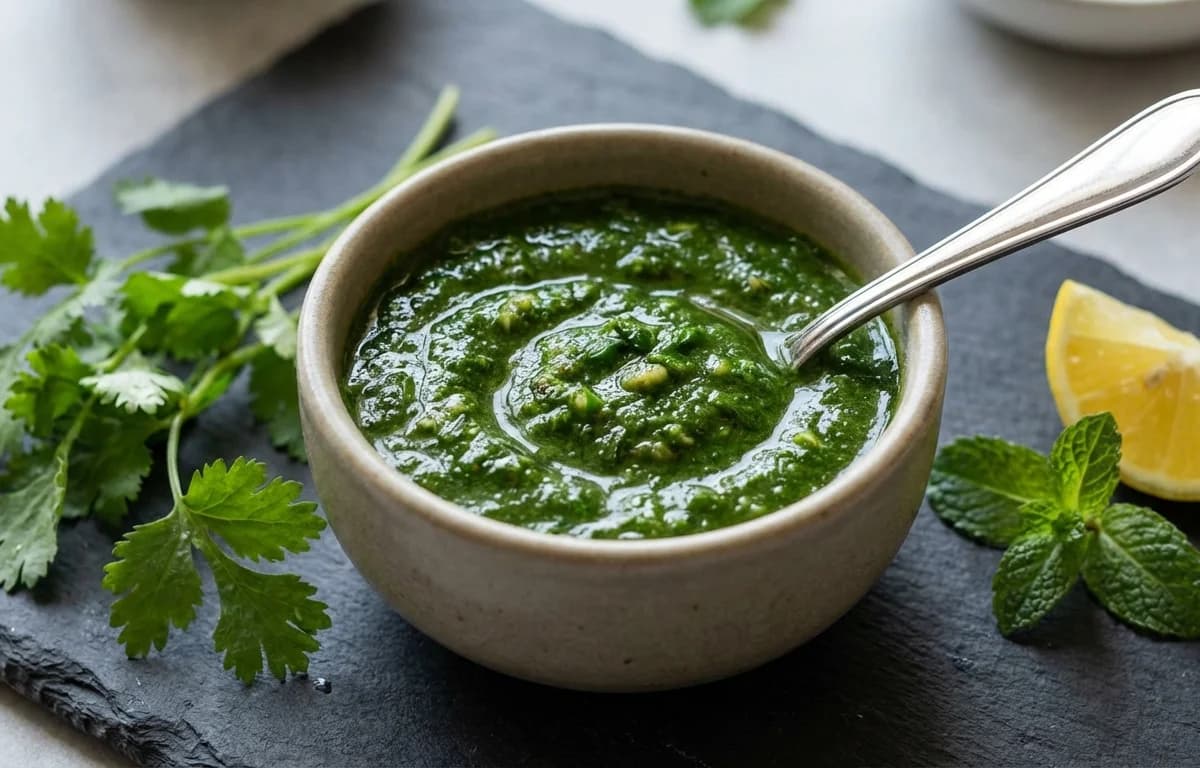
A vibrant and refreshing green chutney made with fresh coriander and mint leaves. This versatile Indian condiment is the perfect zesty accompaniment to snacks like samosas, pakoras, and sandwiches.
A fluffy, savory omelette packed with the vibrant flavors of India. Finely chopped onions, tomatoes, and green chilies are whisked with eggs and aromatic spices for a quick, satisfying, and protein-rich breakfast.
About Idli Platter, Medu Vada, Kesari Bath, Vegetable Sambar, Coriander Mint Chutney and Masala Omelette
An Udupi platter with fluffy idli, crispy vada, & protein-packed masala omelette – a soul-satisfying feast!
This udupi dish is perfect for lunch. With 2093.73 calories and 71.26g of protein per serving, it's a nutritious choice for your meal plan.
15gfat
1 pcs Tomato (Medium, chopped)
1 pcs Tamarind (Small lemon-sized ball)
2.5 tbsp Sambar Powder
0.5 tsp Turmeric Powder
0.25 tsp Hing (Asafoetida)
0.5 tsp Jaggery (Optional, for balancing flavor)
2 tbsp Coriander Leaves (Freshly chopped, for garnish)
1.5 tsp Mustard Seeds (Divided for sambar and chutney)
15 pcs Curry Leaves (Divided for sambar and chutney)
2 pcs Dry Red Chilli (Broken in half)
1 cup Fresh Coconut (Grated)
2 tbsp Roasted Chana Dal (Pottukadalai)
2 pcs Green Chilli (Adjust to taste)
0.5 inch Ginger (Peeled)
Instructions
1
Soak the Rice and Dal (6-8 hours)
Rinse the idli rice thoroughly in water 3-4 times. In a large bowl, soak it in ample water.
In a separate bowl, rinse the urad dal and fenugreek seeds. Soak them together in fresh water.
Let both bowls soak for at least 6 to 8 hours.
About 30 minutes before grinding, rinse and soak the poha in a small bowl with just enough water to cover it.
2
Grind the Batter (25-30 minutes)
Drain the water from the urad dal. Using a wet grinder or a high-speed blender, grind the dal with a little cold water until it forms a very smooth, light, and fluffy batter. Transfer to a large pot or container.
Next, drain the rice and the soaked poha. Grind them together to a slightly coarse, semolina-like texture, adding water as needed. Do not make it perfectly smooth.
Add the ground rice mixture to the urad dal batter in the large pot. Add 0.75 tsp of salt (if adding before fermentation). Mix thoroughly with your clean hands for 2-3 minutes. The warmth from your hands helps initiate fermentation.
3
Ferment the Batter (8-12 hours)
Cover the pot with a lid (do not seal it tightly) and place it in a warm, dark place to ferment for 8 to 12 hours, or overnight.
The batter should double in volume, look airy, and have a pleasant sour aroma. Once fermented, stir it gently. Do not overmix, as this will deflate the air pockets.
4
Prepare the Sambar (20 minutes)
Rinse the toor dal. In a pressure cooker, combine the toor dal, chopped onion, tomato, turmeric powder, and 2.5 cups of water.
Pressure cook on medium heat for 4-5 whistles until the dal is completely soft and mushy. Let the pressure release naturally.
While the dal cooks, soak the tamarind in 1/2 cup of warm water for 15 minutes. Squeeze out the pulp and discard the solids to get tamarind extract.
Lightly mash the cooked dal mixture with the back of a ladle.
5
Simmer and Temper the Sambar (15 minutes)
To the mashed dal, add the mixed vegetables, tamarind extract, sambar powder, jaggery (if using), and 1 tsp of salt. Add 1.5 cups of water to adjust consistency.
Bring the sambar to a boil, then reduce the heat and let it simmer for 10-12 minutes, allowing the vegetables to cook and flavors to meld.
For the tempering (tadka), heat 1 tbsp of coconut oil in a small pan. Add 1 tsp mustard seeds and let them splutter. Add the dry red chilies, 10 curry leaves, and hing. Sauté for 30 seconds.
Pour the hot tempering over the simmering sambar. Garnish with chopped coriander leaves and stir.
6
Prepare the Coconut Chutney (10 minutes)
In a blender, combine the grated coconut, roasted chana dal, green chilies, ginger, and 0.5 tsp of salt.
Add about 1/3 cup of water and grind to a smooth paste. Add more water if needed to reach your desired consistency. Transfer to a serving bowl.
For the tempering, heat the remaining 0.5 tbsp of coconut oil in the same small pan. Add 0.5 tsp mustard seeds, 0.5 tsp urad dal, and 5 curry leaves. Sauté until the mustard seeds pop and the urad dal turns golden brown.
Pour the tempering over the chutney and mix well.
7
Steam the Idlis (10-12 minutes)
Add 1-2 cups of water to an idli steamer or a large pot and bring it to a rolling boil.
Grease the idli molds lightly with oil. Pour the fermented batter into each mold, filling it about 3/4 full.
Place the idli stand inside the steamer. Cover and steam on medium-high heat for 10-12 minutes. To check if they are done, insert a toothpick; it should come out clean.
Turn off the heat and let the steamer rest for 5 minutes before opening. This prevents the idlis from becoming sticky.
Use a wet spoon to gently scoop out the idlis from the molds.
8
Assemble and Serve
On each plate, arrange 4 hot, fluffy idlis.
Serve with a generous bowl of hot sambar and a side of fresh coconut chutney.
Enjoy your authentic South Indian Idli Platter immediately.
Servings4
Serving size: 1 serving
296cal
13gprotein
32gcarbs
14gfat
Ingredients
1 cup Urad Dal (Skinned and split black gram lentils)
3 tbsp Ice Cold Water (For grinding, use as needed, 1 tsp at a time)
3 count Green Chilies (Finely chopped, adjust to your spice preference)
1 inch Ginger (Peeled and finely chopped)
1 tsp Black Peppercorns (Coarsely crushed)
10 leaves Curry Leaves (Finely chopped)
0.25 tsp Hing (Also known as Asafoetida)
1 tsp Salt (Or to taste)
2 cup Oil (For deep frying (e.g., sunflower, canola, or peanut oil))
Instructions
1
Soak the Lentils (3-4 hours)
Rinse the urad dal under cool running water 4-5 times, until the water runs clear.
Place the rinsed dal in a large bowl and cover with at least 3 cups of fresh water.
Let it soak for a minimum of 3 hours and a maximum of 4 hours. Over-soaking can make the vadas oily and prevent them from holding their shape.
2
Grind the Batter (10-12 minutes)
Drain all the water from the soaked dal completely. This is a critical step for a thick batter.
Transfer the dal to a high-speed blender or a wet grinder along with the chopped ginger and green chilies.
Grind the mixture to a thick, smooth, and fluffy batter. Add ice-cold water, 1 teaspoon at a time, only if absolutely necessary to help the blades move. The final batter must be very thick and paste-like.
Scrape down the sides periodically to ensure even grinding. Transfer the batter to a large mixing bowl.
3
Aerate and Season the Batter (5 minutes)
Using your hand or a whisk, beat the batter vigorously in a circular motion for 4-5 minutes. This incorporates air, which is the secret to light and fluffy vadas.
1 pinch Yellow Food Coloring (Optional, for vibrant color)
1 pinch Salt (Enhances sweetness)
Instructions
1
Roast Rava and Nuts
Heat 2 tablespoons of ghee in a heavy-bottomed pan or kadai over medium heat.
Add the cashews and fry for 1-2 minutes until they turn a light golden brown. Add the raisins and fry for another 30 seconds until they plump up. Remove the nuts and raisins with a slotted spoon and set aside.
In the same pan, add the rava. Reduce the heat to low-medium and roast for 5-7 minutes, stirring continuously. The rava should become fragrant and change color slightly, but do not let it brown. Transfer the roasted rava to a separate plate.
2
Prepare Saffron Water and Cook Rava
In the same pan, add 2.5 cups of water, saffron strands, a pinch of salt, and the optional yellow food coloring. Bring the water to a rolling boil over high heat.
Once boiling, reduce the heat to low. Begin pouring the roasted rava into the water in a slow, steady stream with one hand, while whisking or stirring continuously with the other hand. This is crucial to prevent lumps.
Continue stirring for 3-4 minutes until the rava absorbs all the water and is cooked through. The mixture will thicken significantly into a single mass.
3
Add Sugar and Remaining Ghee
Add the sugar to the cooked rava mixture. Stir well to combine. As the sugar melts, the mixture will become loose and somewhat liquidy again.
5 cup Water (divided, adjust for desired consistency)
1 pc Drumstick (cut into 2-inch pieces)
1 medium Carrot (peeled and cubed)
0.5 cup Pumpkin (peeled and cubed)
0.5 cup Green Beans (trimmed and cut into 1-inch pieces)
0.75 cup Pearl Onions (peeled)
2 medium Tomato (chopped)
2 pcs Green Chili (slit lengthwise)
1.5 tbsp Tamarind Paste (dissolved in 1/2 cup warm water)
3 tbsp Sambar Powder (use a good quality brand)
1.5 tsp Salt (or to taste)
1 tsp Jaggery (powdered, optional but recommended)
2 tbsp Sesame Oil (also known as gingelly oil)
1 tsp Mustard Seeds
0.5 tsp Urad Dal
0.25 tsp Fenugreek Seeds
2 pcs Dried Red Chili (broken in half)
0.25 tsp Hing (asafoetida)
1 sprig Curry Leaves
2 tbsp Coriander Leaves (freshly chopped, for garnish)
Instructions
1
Pressure Cook the Dal
Place the rinsed toor dal in a pressure cooker. Add 2.5 cups of water and 1/2 teaspoon of turmeric powder.
Secure the lid and pressure cook on medium heat for 4-5 whistles, or approximately 15 minutes, until the dal is completely soft and mushy.
Allow the pressure to release naturally. Open the cooker and whisk the dal vigorously until it is smooth and creamy. Set aside.
2
Cook the Vegetables
In a large, heavy-bottomed pot, add 2 cups of water and bring to a boil.
Add the harder vegetables: drumsticks, carrots, and green beans. Cook for 5-6 minutes.
Add the softer vegetables: pearl onions, pumpkin, and chopped tomatoes. Cook for another 5-7 minutes until all vegetables are tender but still hold their shape.
3
Combine and Simmer
Pour the cooked, mashed dal into the pot with the vegetables. Stir to combine.
Add the tamarind water (paste dissolved in 1/2 cup warm water), sambar powder, salt, and jaggery. Mix well.
2 cup Coriander Leaves (Packed, with tender stems)
1 cup Mint Leaves (Packed, stems discarded)
3 whole Green Chilies (Adjust to your spice preference)
1 inch Ginger (Peeled and roughly chopped)
3 clove Garlic (Peeled)
2 tbsp Roasted Chana Dal (Also known as Dalia or Bhuna Chana)
2 tbsp Lemon Juice (Freshly squeezed for best flavor)
0.5 tsp Chaat Masala
0.5 tsp Black Salt (Also known as Kala Namak)
0.5 tsp Sugar (Optional, helps balance the tanginess)
0.25 tsp Salt (Adjust to taste)
3 whole Ice Cubes (Or use 3-4 tbsp of ice-cold water)
Instructions
1
Prepare the Herbs (3 minutes)
Thoroughly wash the coriander and mint leaves under cold running water to remove any grit or dirt.
Pluck the mint leaves from their stems; discard the thicker stems as they can be bitter.
For the coriander, use both the leaves and the tender upper stems, which are packed with flavor. Roughly chop the bunch.
2
Combine Ingredients in Blender (2 minutes)
Place the washed coriander and mint leaves into a high-speed blender jar.
Add the green chilies (broken in half), chopped ginger, garlic cloves, roasted chana dal, lemon juice, chaat masala, black salt, sugar (if using), and salt.
3
Blend to a Smooth Paste (2 minutes)
Add the ice cubes or 3 tablespoons of ice-cold water. Using ice is highly recommended as it prevents the herbs from oxidizing and helps maintain a vibrant green color.
Blend for 1-2 minutes, scraping down the sides of the jar as needed, until you achieve a completely smooth, uniform paste.
Avoid over-blending, as the heat from the motor can darken the chutney. If the mixture is too thick, add one more tablespoon of cold water and pulse briefly to combine.
4 piece Large Egg (Bring to room temperature for a fluffier result.)
0.25 cup Red Onion (Finely chopped.)
0.25 cup Tomato (Deseeded and finely chopped.)
1 piece Green Chilli (Finely chopped. Adjust to your spice preference.)
2 tbsp Coriander Leaves (Finely chopped, plus extra for garnish.)
0.25 tsp Turmeric Powder (Adds color and a mild earthy flavor.)
0.25 tsp Red Chilli Powder (Optional, for extra heat.)
0.25 tsp Garam Masala (For a warm, aromatic finish.)
2 tbsp Milk (Optional, helps make the omelette tender.)
0.5 tsp Salt (Adjust to taste.)
0.25 tsp Black Pepper (Freshly ground is best.)
2 tsp Ghee (Can be substituted with butter or oil.)
Instructions
1
Prepare the Egg Mixture
In a medium-sized bowl, crack the 4 eggs. Add the milk (if using), turmeric powder, red chilli powder, garam masala, salt, and black pepper.
Using a fork or a whisk, beat the mixture vigorously for 1-2 minutes until it is light, well-combined, and slightly frothy. This incorporates air and is key to a fluffy omelette.
2
Add Vegetables
Add the finely chopped onion, deseeded tomato, green chilli, and coriander leaves to the whisked eggs.
Gently mix everything together until just combined. Avoid over-mixing at this stage.
3
Cook the First Omelette
Heat 1 teaspoon of ghee in an 8-inch non-stick skillet over medium heat. The pan is ready when a drop of water sizzles.
Pour half of the egg mixture into the pan. Swirl gently to spread it into an even circle.
Cook for 2-3 minutes, until the edges begin to set and the bottom is a light golden brown. You can lift an edge with a spatula to check.
To check if the batter is ready, perform the 'float test': drop a small dollop of batter into a bowl of water. If it floats immediately, it's perfectly aerated. If it sinks, beat for a few more minutes and test again.
Once aerated, gently fold in the crushed peppercorns, chopped curry leaves, and hing. Add salt just before you are ready to fry and mix gently.
4
Shape and Fry the Vadas (15-20 minutes)
Heat oil in a kadai or deep pan over medium heat. To test if the oil is ready, drop a tiny bit of batter in; it should sizzle and rise to the surface steadily, not instantly. The ideal temperature is 350-360°F (175-180°C).
Keep a small bowl of water nearby. Wet your palms to prevent the batter from sticking.
Take a lemon-sized portion of the batter onto your wet fingers, flatten it slightly into a disc on your palm, and make a hole in the center with your thumb. The hole helps the vada cook evenly from the inside.
Carefully and gently slide the shaped vada into the hot oil by tilting your hand over the pan. Do not drop it from a height.
Fry 3-4 vadas at a time, avoiding overcrowding the pan. Fry for 2-3 minutes until the bottom is golden brown and crisp.
Flip the vadas and fry for another 2-3 minutes until they are evenly golden brown and crisp all over.
Remove the vadas with a slotted spoon and place them on a wire rack to drain excess oil. This keeps them crispier than using paper towels.
5
Serve Hot
Medu Vadas are best served immediately while they are hot and crispy.
Pair them with traditional accompaniments like hot sambar for dipping and fresh coconut chutney.
Continue cooking on low-medium heat, stirring constantly for 5-6 minutes.
Gradually add the remaining ghee, one tablespoon at a time, while continuing to stir. Cook until the Kesari Bath thickens, becomes glossy, and starts to pull away from the sides of the pan.
4
Finish and Serve
Turn off the heat. Stir in the cardamom powder and the fried cashews and raisins, reserving a few for garnish.
Cover the pan and let the Kesari Bath rest for 5-10 minutes. This allows the flavors to meld and the texture to set.
Serve warm, garnished with the reserved nuts.
Add the slit green chilies. Bring the mixture to a gentle boil.
Reduce the heat to low and let the sambar simmer for 8-10 minutes, allowing the flavors to meld together. Adjust water if the consistency is too thick.
4
Prepare the Tempering (Tadka)
In a small pan (tadka pan), heat the sesame oil over medium heat.
Once hot, add the mustard seeds and wait for them to splutter completely.
Add the urad dal and fenugreek seeds. Sauté for 30 seconds until the urad dal turns light golden. Be careful not to burn the fenugreek seeds.
Add the broken dried red chilies, curry leaves, and hing. Sauté for another 15-20 seconds until the curry leaves are crisp and aromatic.
5
Finish and Serve
Immediately pour the hot tempering over the simmering sambar. You should hear a satisfying sizzle.
Stir gently to incorporate the tempering. Garnish with freshly chopped coriander leaves.
Turn off the heat and let the sambar rest for at least 10-15 minutes before serving. This helps the flavors deepen.
Serve hot with steamed rice, idli, dosa, or vada.
4
Taste, Adjust, and Serve (3 minutes)
Transfer the chutney to a serving bowl.
Taste and adjust the seasoning. You may want to add more salt for savoriness, lemon juice for tanginess, or a pinch of sugar to balance the flavors.
For best results, let the chutney rest for 10-15 minutes to allow the flavors to meld. Serve fresh with snacks like samosas, dhokla, or use as a spread in sandwiches.
Fold and Finish
When the top is about 80% set but still slightly moist, use a spatula to gently fold the omelette in half.
Press down lightly and cook for another 30-60 seconds, until the omelette is cooked through to your liking.
5
Serve and Repeat
Carefully slide the finished omelette onto a plate. Garnish with a sprinkle of fresh coriander.
Wipe the pan clean, add the remaining 1 teaspoon of ghee, and repeat the process with the rest of the egg mixture to make the second omelette.
Serve immediately with buttered toast or pav (Indian bread rolls).