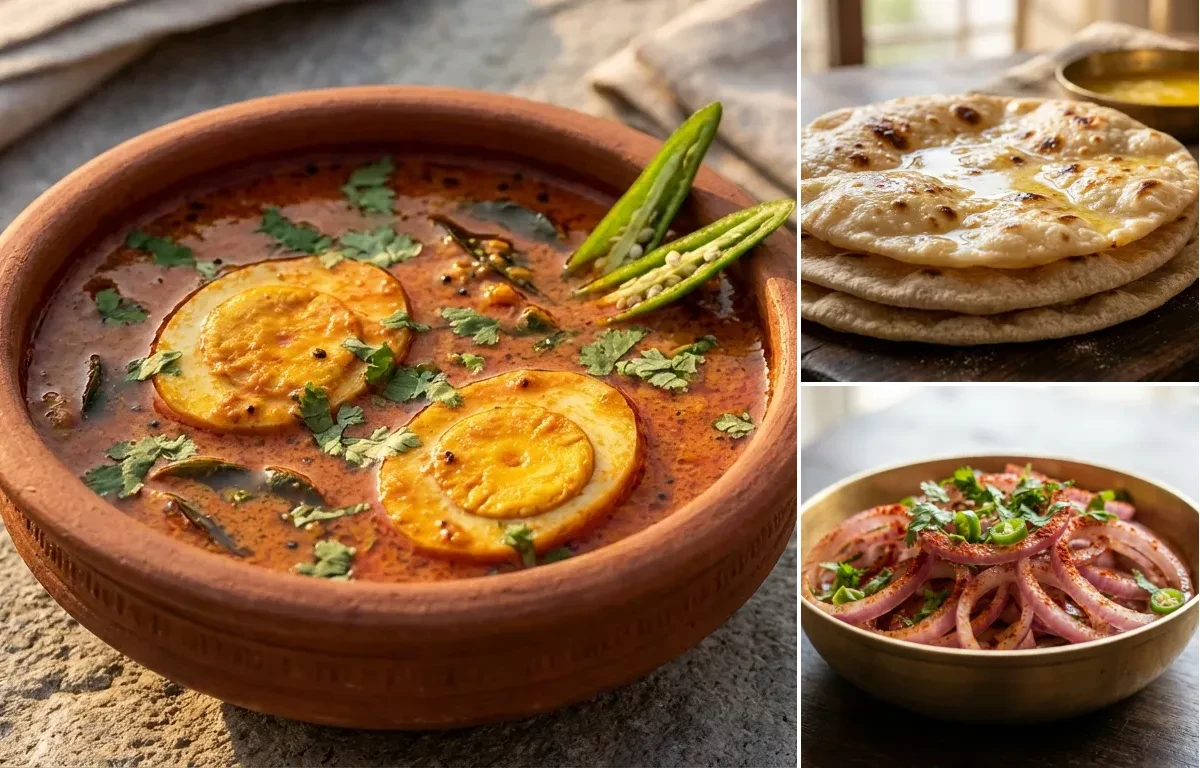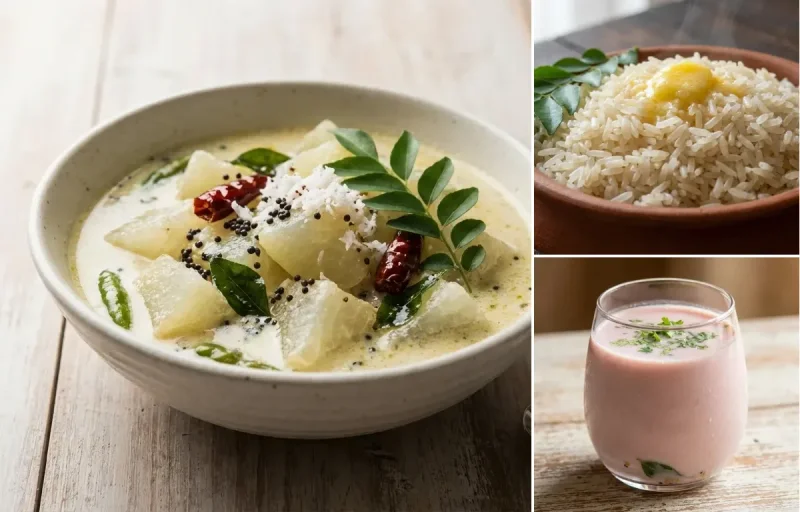
A creamy and tangy egg curry from the Konkan coast, made with a fragrant paste of roasted coconut and spices. This Goan classic is a wonderful change from the usual and pairs perfectly with steamed rice or fresh pav.
Prep20 min
Cook30 min
Soak15 min
Servings4
Serving size: 1 cup
363cal
15gprotein
15gcarbs
Ingredients
8 count Egg
1 cup Grated Coconut (Fresh or frozen (thawed))
6 count Dried Red Chilli (Byadgi or Kashmiri recommended for color)
2 tbsp Coriander Seed
1 tsp Cumin Seed
0.5 tsp Black Peppercorn
1 tbsp Tamarind Pulp (Or a 1-inch piece of tamarind soaked in 1/4 cup warm water)
0.5 tsp Turmeric Powder
0.5 count Onion (Small, roughly chopped for the masala paste)
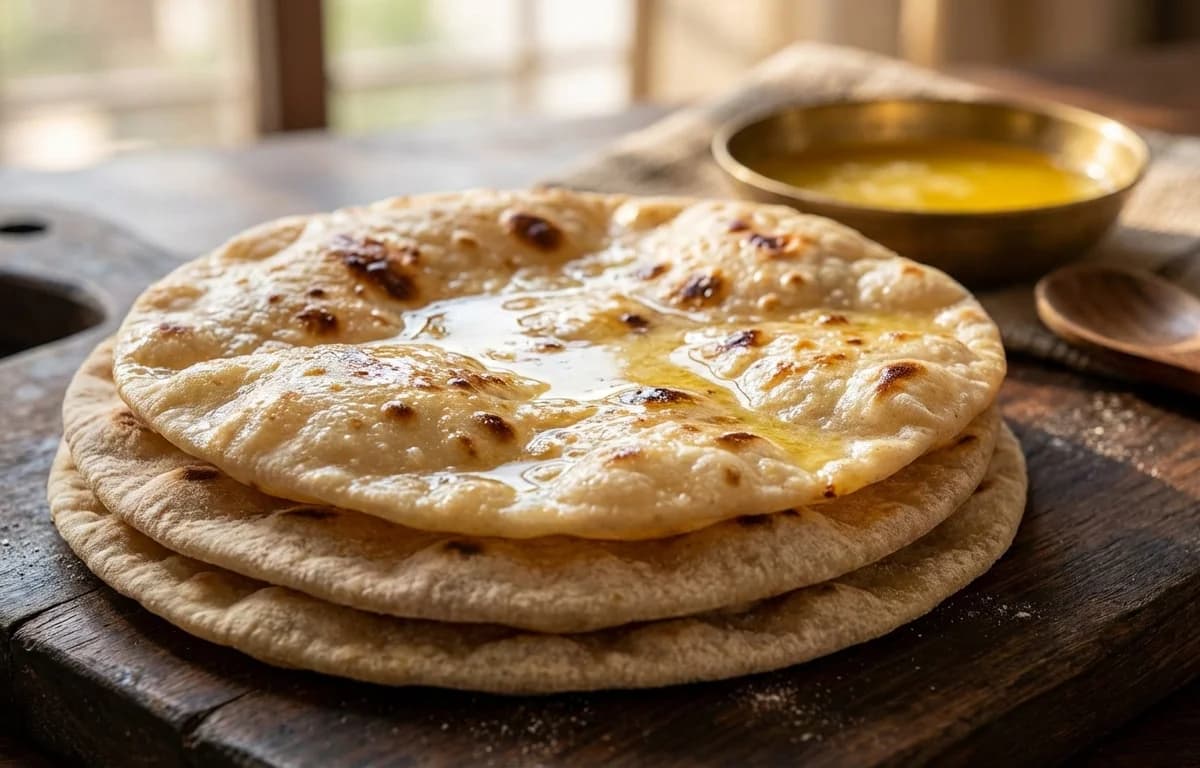
A staple in Indian households, these soft and thin whole wheat flatbreads are perfect for scooping up curries and dals. Made with just a few simple ingredients, they puff up beautifully on the flame, a hallmark of a perfectly made chapati.
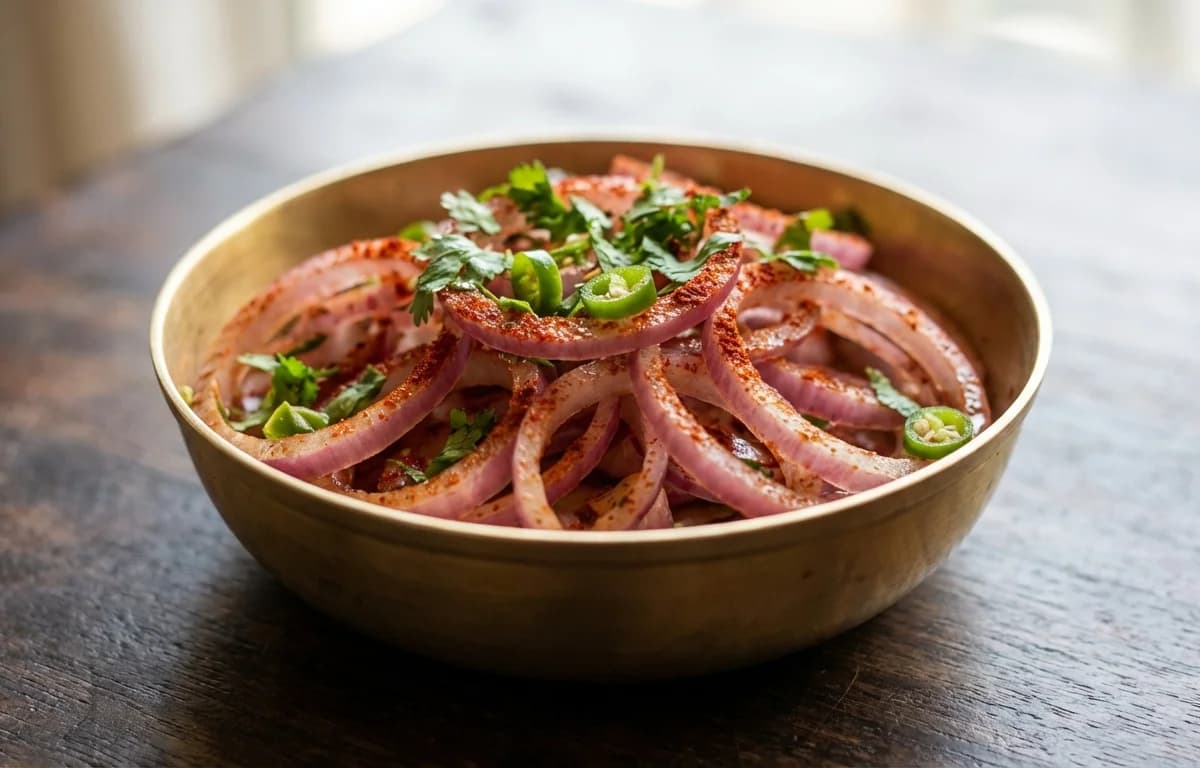
Crisp, tangy rings of onion tossed with fresh lemon juice, herbs, and a hint of spice. This classic Indian side salad, known as Laccha Pyaz, is the perfect refreshing accompaniment to rich curries and grilled kebabs.
Creamy, homestyle Konkani Egg Curry with soft chapatis - protein-packed comfort food, just like mom's recipe!
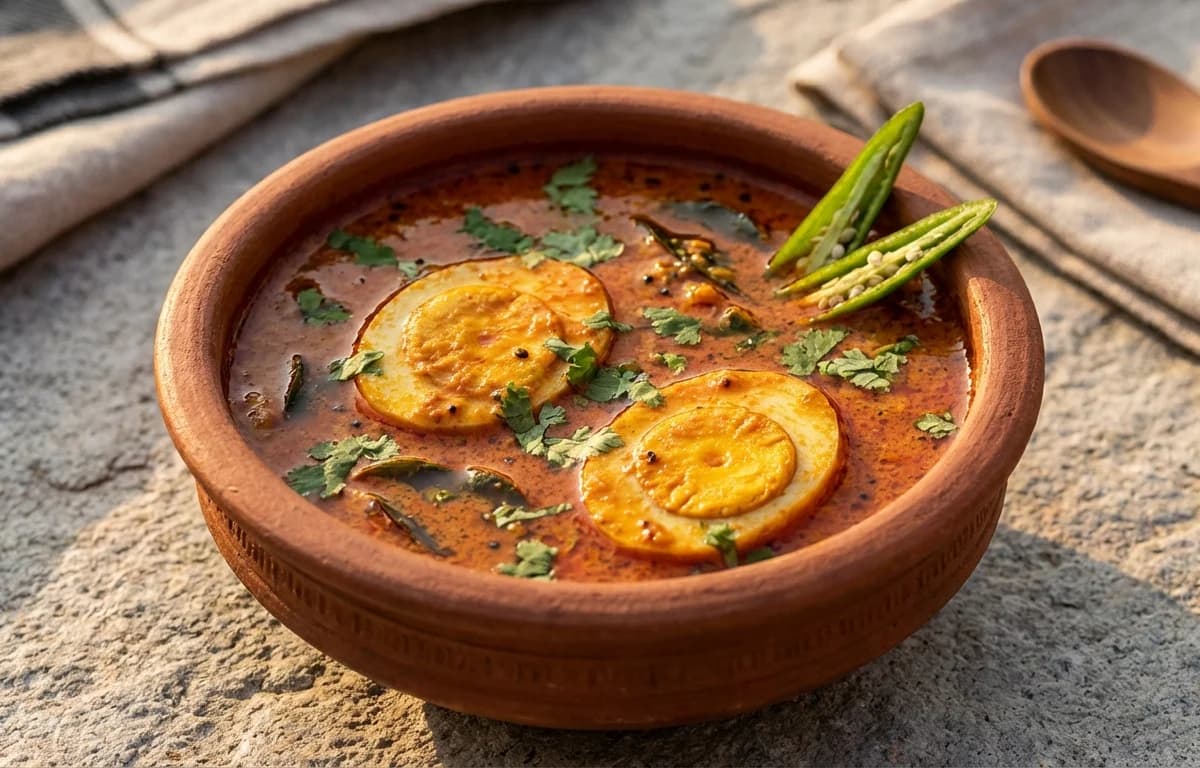
This konkani dish is perfect for dinner. With 611.0300000000001 calories and 24.029999999999998g of protein per serving, it's a high-fiber option for your meal plan.
29gfat
5 clove
Garlic
3 tbsp Vegetable Oil
2 count Green Chilli (Slit lengthwise)
1.25 tsp Salt (Adjust to taste)
2 cup Water (As needed for gravy consistency)
2 tbsp Coriander Leaf (Freshly chopped, for garnish)
Instructions
1
Prepare the Eggs
Place 8 eggs in a saucepan and cover with cold water by at least an inch. Bring to a rolling boil over high heat.
Once boiling, turn off the heat, cover the pan, and let the eggs sit for 10-12 minutes.
Drain the hot water and immediately transfer the eggs to an ice bath or run under cold water until cool.
Peel the eggs carefully and make 2-3 shallow slits on each one with a knife. This helps them absorb the curry flavor. Set aside.
2
Roast Spices & Prepare Masala Paste
In a dry skillet over low-medium heat, add the dried red chillies, coriander seeds, cumin seeds, and black peppercorns. Dry roast for 2-3 minutes until fragrant.
Add the grated coconut to the skillet. Continue to roast, stirring constantly, for 5-7 minutes until the coconut turns a deep golden brown. Be careful not to burn it.
Remove the roasted mixture from the heat and allow it to cool completely.
Transfer the cooled mixture to a high-speed blender. Add the roughly chopped small onion, garlic cloves, turmeric powder, and tamarind pulp (or soaked tamarind with its water).
Blend to a very smooth paste, adding a few tablespoons of water as needed to facilitate grinding.
3
Cook the Curry Base
Heat oil in a heavy-bottomed pan or kadai over medium heat.
Add the finely chopped medium onion and sauté for 6-8 minutes until it becomes soft and translucent with golden edges.
Add the slit green chillies and cook for another minute until they blister slightly.
Stir in the ground masala paste. Sauté for 8-10 minutes, stirring frequently, until the paste darkens, thickens, and oil begins to separate from the sides. This step is crucial for flavor development.
Pour in 2 cups of warm water and add salt. Stir well to combine, scraping any bits from the bottom of the pan.
Bring the curry to a gentle boil, then reduce the heat to a simmer.
4
Finish and Serve
Gently slide the slit hard-boiled eggs into the simmering curry.
Cover the pan and let it simmer on low heat for 5-7 minutes, allowing the eggs to absorb the flavors of the gravy.
Check for seasoning and adjust salt if necessary. If the gravy is too thick, add a splash of hot water.
Turn off the heat. Garnish with freshly chopped coriander leaves.
Let the curry rest for 10 minutes before serving hot with steamed rice, pav (bread rolls), or neer dosa.
213cal
8gprotein
44gcarbs
2gfat
Ingredients
2 cup Atta (Also known as whole wheat flour)
1 cup Lukewarm Water (Adjust as needed, amount varies by flour type)
0.5 tsp Salt
1 tsp Ghee (For adding to the dough (optional))
Instructions
1
Prepare the Dough
In a large mixing bowl, combine 2 cups of atta and salt. If using, add 1 tsp of ghee and mix it into the flour with your fingertips until it resembles coarse crumbs.
Gradually add lukewarm water, a little at a time, mixing and gathering the flour to form a dough.
Knead the dough on a clean surface for 8-10 minutes, pressing and stretching with the heel of your hand. The final dough should be soft, pliable, smooth, and not sticky. It should have a texture similar to an earlobe.
Cover the dough with a damp cloth or a lid and let it rest for at least 20-30 minutes. This step is crucial for relaxing the gluten and ensuring soft chapatis.
2
Divide and Roll the Chapatis
After resting, knead the dough again for one minute to make it smooth.
Divide the dough into 8 equal-sized portions and roll them into smooth balls.
Take one ball and flatten it between your palms. Dip it into the dry atta for dusting, coating it lightly on both sides.
Place it on a rolling board (chakla) and roll it out into a thin, even circle of about 6-7 inches in diameter. Use minimal dry flour for dusting to avoid making the chapati hard.
3
Cook the Chapatis
Heat a tawa (flat griddle) on medium-high heat. To check if it's ready, sprinkle a pinch of dry flour; it should sizzle and turn brown quickly.
Carefully place the rolled chapati on the hot tawa. Cook for about 15-20 seconds until you see small bubbles forming on the surface.
Using tongs, flip the chapati. Cook the other side for about 30-40 seconds until light brown spots appear.
Using the tongs, lift the chapati and place it directly on a high gas flame. It should puff up like a balloon within 2-3 seconds.
Immediately flip it to cook the other side on the flame for another 2 seconds. Be careful not to burn it.
4
Finish and Serve
Remove the puffed chapati from the flame and place it in a casserole or a container lined with a clean kitchen towel. This traps the steam and keeps them soft.
Brush the top with a little ghee. This adds flavor and helps keep it soft.
Repeat the rolling and cooking process for the remaining dough balls.
Serve hot with your favorite dal, sabzi, or curry.