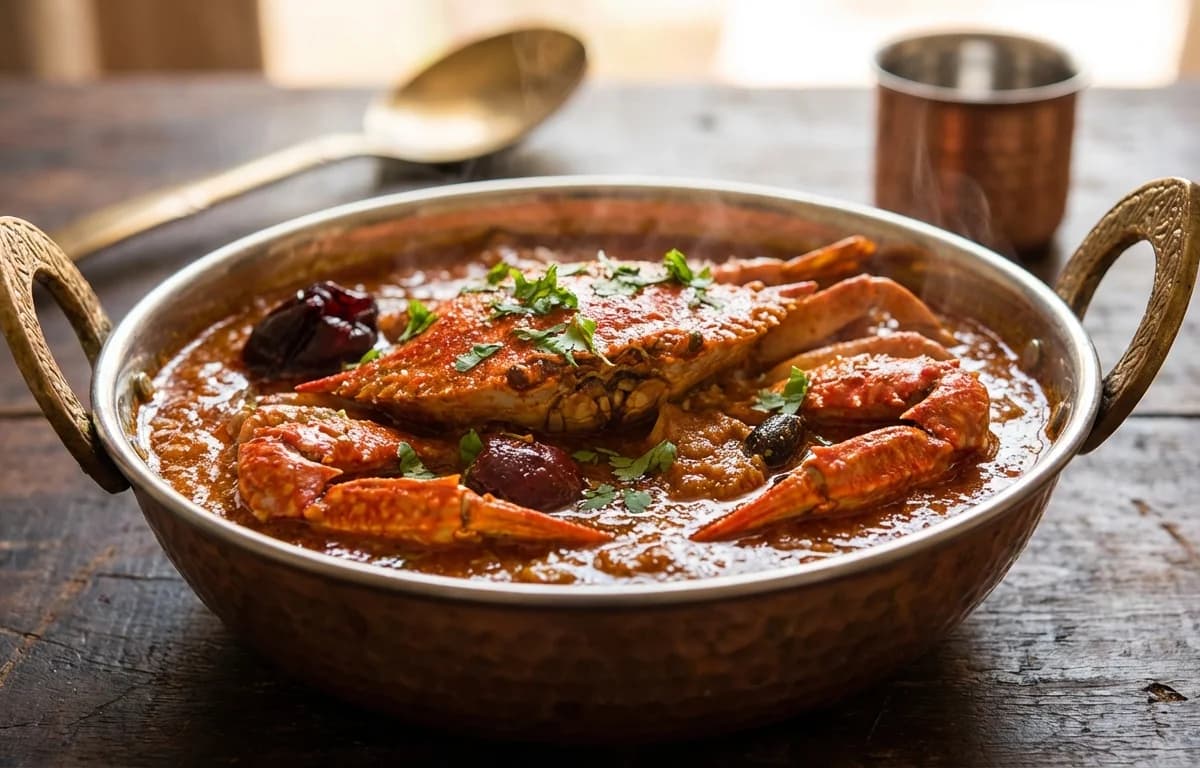
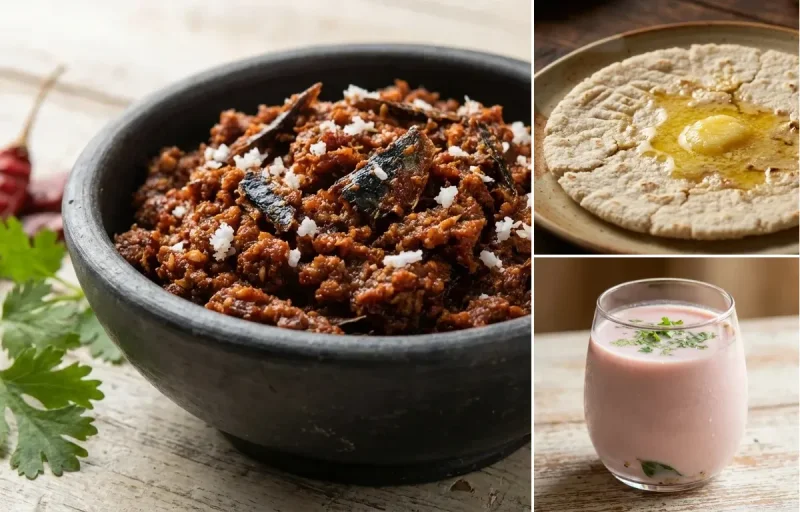
A fiery and aromatic crab curry from the coastal regions of Maharashtra. Tender crab cooked in a rich, spicy gravy made with roasted coconut and a blend of traditional spices. Best enjoyed with steamed rice or bhakri.
Prep25 min
Cook35 min
Servings4
Serving size: 1 serving
774cal
61gprotein
69gcarbs
28g
Ingredients
1 kg crabs (about 4-5 medium-sized, cleaned and cut)
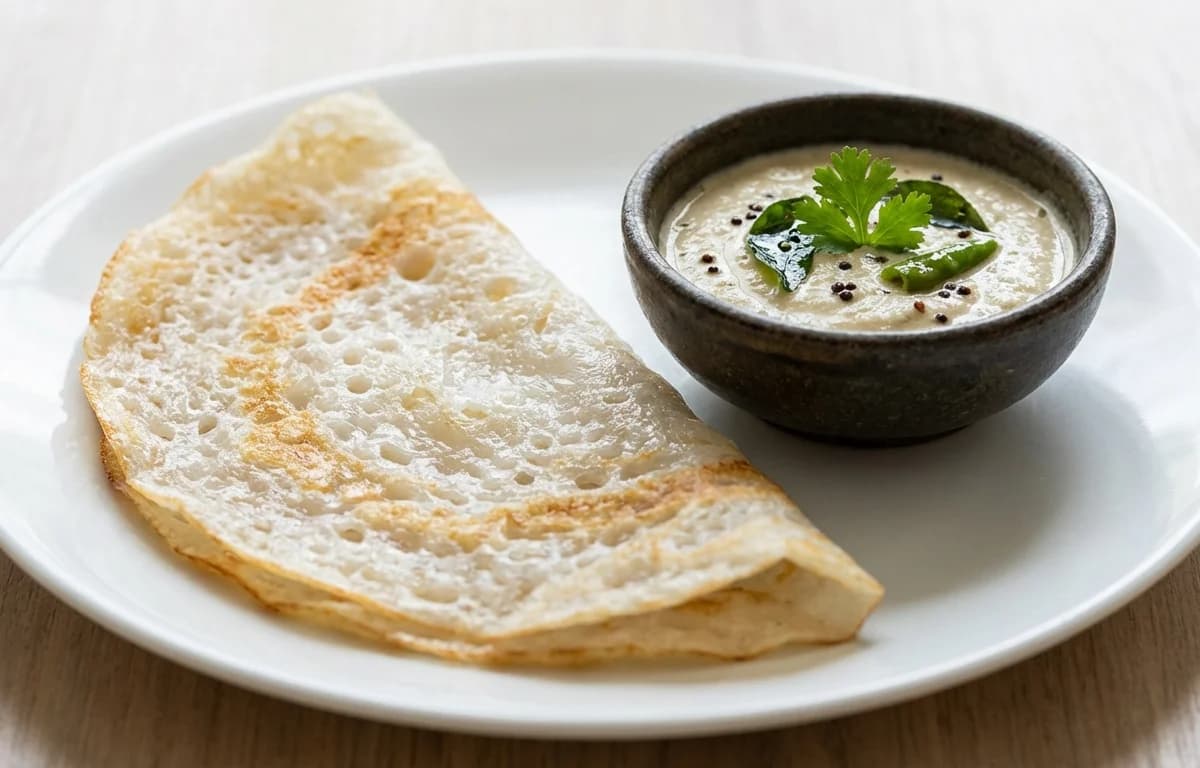
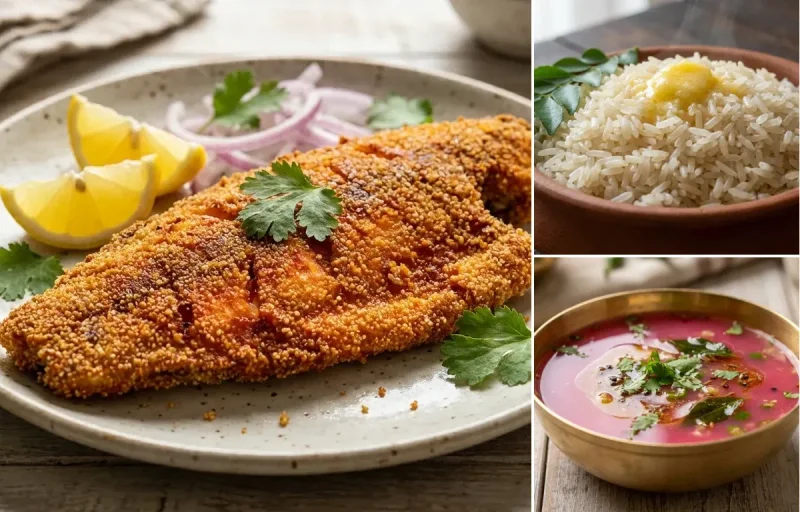
Delicate, lacy rice crepes from Mangalorean cuisine. Made with a thin, watery rice batter, these soft dosas are naturally vegan and gluten-free. The name 'Neer Dosa' literally translates to 'Water Dosa', highlighting the batter's unique consistency. Perfect with coconut chutney or a spicy curry. Note: This recipe requires a minimum of 4 hours of soaking time for the rice, which is not included in the prep time.
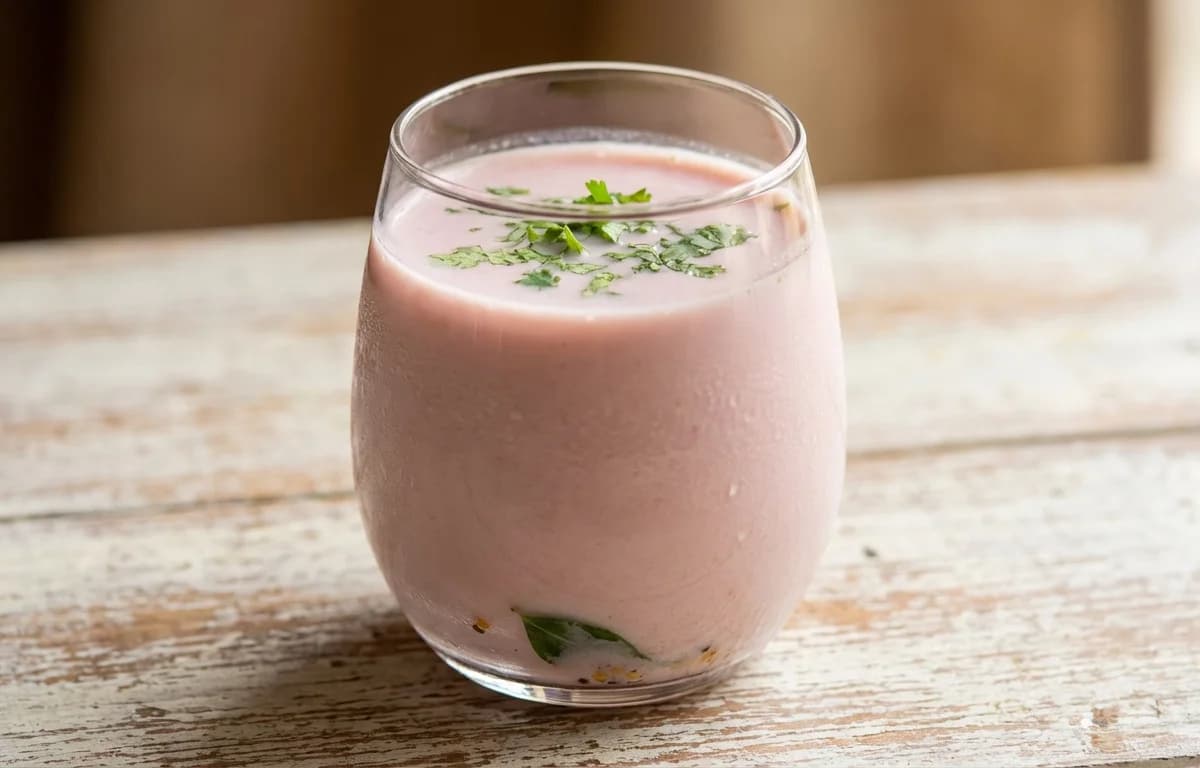
A refreshing and tangy pink-hued drink from the Konkan coast. Made with coconut milk and sour kokum, this digestive cooler is the perfect balance to a spicy meal.
Prep15 min
Cook5 min
Soak30 min
Servings4
About Kurlya Masala, Neer Dosa and Sol Kadhi
Tangy Maharashtrian Crab Curry with light Neer Dosa and gut-friendly Solkadhi – a true coastal delight!
This konkani dish is perfect for lunch. With 1253.46 calories and 69.11999999999999g of protein per serving, it's a nutritious choice for your meal plan.
Other Cuisines to Explore
Discover authentic meals from cuisines around the world.
1.5 tsp red chili powder (adjust to your spice preference)
1.5 tsp coriander powder
1 tsp garam masala (or Malvani masala for authentic taste)
4 pcs kokum (or 1 tbsp tamarind pulp)
1.5 tsp salt
2 cup hot water (for gravy)
3 tbsp coriander leaves (chopped, for garnish)
Instructions
1
Prepare the masala paste
Heat 1 tablespoon of oil in a pan. Add the sliced onion and sauté until it turns golden brown.
Add the grated coconut and roast on low heat until it's fragrant and light brown, about 5-7 minutes. Be careful not to burn it.
Add the cloves, cinnamon stick, and black peppercorns. Roast for another minute.
Turn off the heat and let the mixture cool completely.
Transfer the cooled mixture to a grinder jar. Add the chopped ginger and garlic.
Grind to a smooth paste, adding a little water if needed.
2
Make the curry base
Heat the remaining 3 tablespoons of oil in a large pot or kadai over medium heat.
Add the finely chopped onion and sauté until translucent, about 3-4 minutes.
Add the chopped tomato and cook until it becomes soft and mushy, about 4-5 minutes.
3
Cook the masala and add spices
Add the ground masala paste to the pot. Sauté for 7-8 minutes, stirring frequently, until the paste cooks well and oil starts to separate from the sides.
Add the turmeric powder, red chili powder, coriander powder, and garam masala. Mix well and cook for one minute until the raw smell of the spices disappears.
4
Cook the crabs
Add the cleaned crab pieces to the pot. Gently toss to coat them evenly with the masala.
Cook for 2-3 minutes, allowing the crabs to absorb the flavors.
5
Simmer the curry
Pour in 2 cups of hot water, add the salt and kokum pieces. Stir gently.
Bring the curry to a boil, then reduce the heat to low. Cover the pot and simmer for 10-12 minutes, or until the crabs are cooked through. The shells will turn bright orange-red.
Check for seasoning and adjust salt if needed.
6
Garnish and serve
Turn off the heat. Garnish with freshly chopped coriander leaves.
Let the curry rest for 10 minutes before serving to allow the flavors to meld.
Serve hot with steamed rice, bhakri (rice flour flatbread), or chapati.
Servings4
Serving size: 1 serving
345cal
7gprotein
71gcarbs
4gfat
Ingredients
2 cup Sona Masuri Rice (Or any other short-grain raw rice like Dosa Rice)
4.5 cup Water (Divided: ~1 cup for grinding and 3.5 cups for thinning the batter)
0.25 cup Fresh Grated Coconut (Optional, for added softness and flavor)
1 tsp Salt (Adjust to taste)
2 tbsp Vegetable Oil (For greasing the tawa)
Instructions
1
Soak the Rice (4-6 hours)
Rinse the rice thoroughly under running water 3-4 times, or until the water runs clear.
Soak the rinsed rice in ample fresh water for a minimum of 4 hours and a maximum of 6 hours. Do not over-soak.
2
Prepare the Batter (10 minutes)
Drain all the water from the soaked rice completely.
Transfer the drained rice and optional grated coconut to a high-speed blender or wet grinder.
Add 1 cup of water and blend for 3-5 minutes until you get a completely smooth, fine paste with no grit. You may need to do this in batches depending on your blender size.
Pour the thick batter into a large mixing bowl. Add the remaining 3.5 cups of water and salt.
Whisk thoroughly to combine. The final batter should be very thin and free-flowing, with the consistency of thin buttermilk or milk. This is the key to lacy dosas.
3
Cook the Neer Dosas (25 minutes)
Heat a non-stick tawa or a well-seasoned cast-iron skillet over medium-high heat. To check if it's ready, sprinkle a few drops of water; if they sizzle and evaporate immediately, the tawa is hot enough.
Lightly grease the hot tawa with a few drops of oil using a paper towel or half an onion.
Stir the batter well from the bottom each time before making a dosa, as the rice flour settles very quickly.
Take a full ladle of batter and pour it quickly onto the hot tawa, starting from the edges and moving towards the center in a circular motion. Do not try to spread it. The batter will naturally form a lacy pattern.
Drizzle a few drops of oil around the edges if desired.
Cover the tawa with a lid and cook for about 60-90 seconds on medium heat. The dosa cooks with the trapped steam and does not need to be flipped.
Once cooked, the edges will begin to lift away from the pan and the surface will look cooked (no raw batter visible).
Gently fold the dosa in half, and then into a quarter (triangle shape). Remove it from the tawa and place it in a casserole to keep warm.
4
Repeat and Serve
Repeat the process for the remaining batter, remembering to stir the batter and lightly grease the tawa before each dosa.
Serve the Neer Dosas immediately while they are hot and soft, with coconut chutney, sambar, or a spicy curry like Mangalorean Chicken Ghee Roast or Vegetable Kurma.
2 tbsp Coriander Leaves (Finely chopped, for garnish)
Instructions
1
Prepare Kokum Extract
In a medium bowl, soak the kokum pieces in 1 cup of warm water for about 15-20 minutes. This will soften them and help release their flavor.
After soaking, use your hands to squeeze the kokum pieces thoroughly in the water to extract all the tangy juice.
Strain this liquid through a fine-mesh sieve into a large mixing bowl. Discard the squeezed kokum pulp.
2
Extract Fresh Coconut Milk
While the kokum is soaking, add the fresh grated coconut, green chilies, ginger, and garlic to a blender.
Pour in 1 cup of water and blend on high for 1-2 minutes until you have a smooth, thick paste.
Line a sieve with a muslin cloth and place it over a bowl. Pour the coconut mixture into the cloth and squeeze tightly to extract the thick, first-press coconut milk. Collect this in the bowl.
Transfer the leftover coconut pulp back to the blender, add the remaining 1 cup of water, and blend again for 30-40 seconds. Strain this through the same muslin cloth to get the thin, second-press coconut milk.
Combine both the thick and thin coconut milk extracts.
Gently pour the freshly extracted coconut milk into the bowl containing the strained kokum extract.
Stir well to combine. You will see the mixture turn into a beautiful, pale pink color.
Add salt to taste and stir until it is completely dissolved.
4
Prepare the Tempering (Tadka)
Heat the coconut oil in a small pan (tadka pan) over medium heat. The oil is ready when a mustard seed sizzles upon contact.
Add the mustard seeds and let them splutter, which should take about 30 seconds.
Add the cumin seeds and hing, and sauté for another 10 seconds.
Finally, add the curry leaves. Be careful as they will crackle. Sauté until they become crisp, about 15-20 seconds.
5
Finish and Serve
Immediately pour the hot tempering over the prepared Sol Kadhi. Stir gently to incorporate the flavors.
Garnish with finely chopped coriander leaves.
For the best taste, chill the Sol Kadhi in the refrigerator for at least 30 minutes before serving. Serve cold as a digestive drink after a meal or as a refreshing accompaniment.