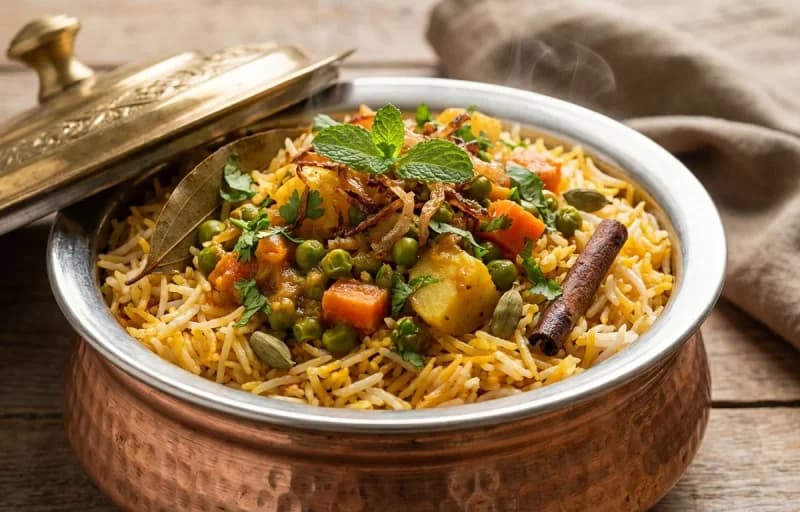
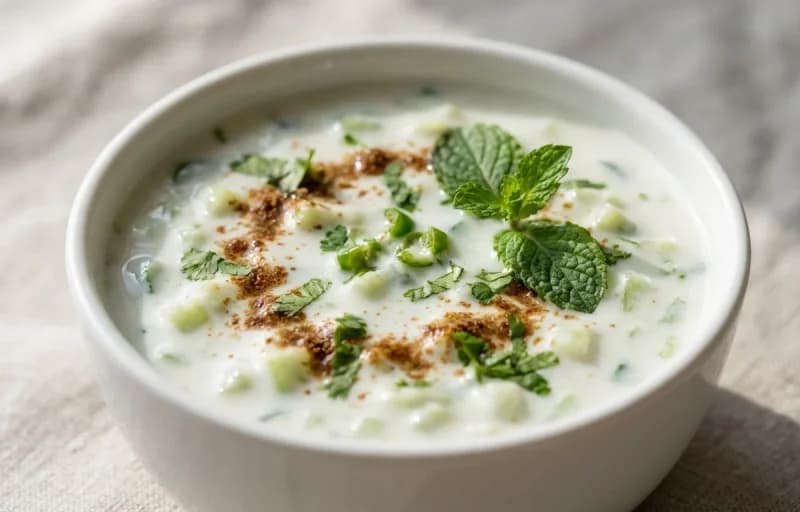
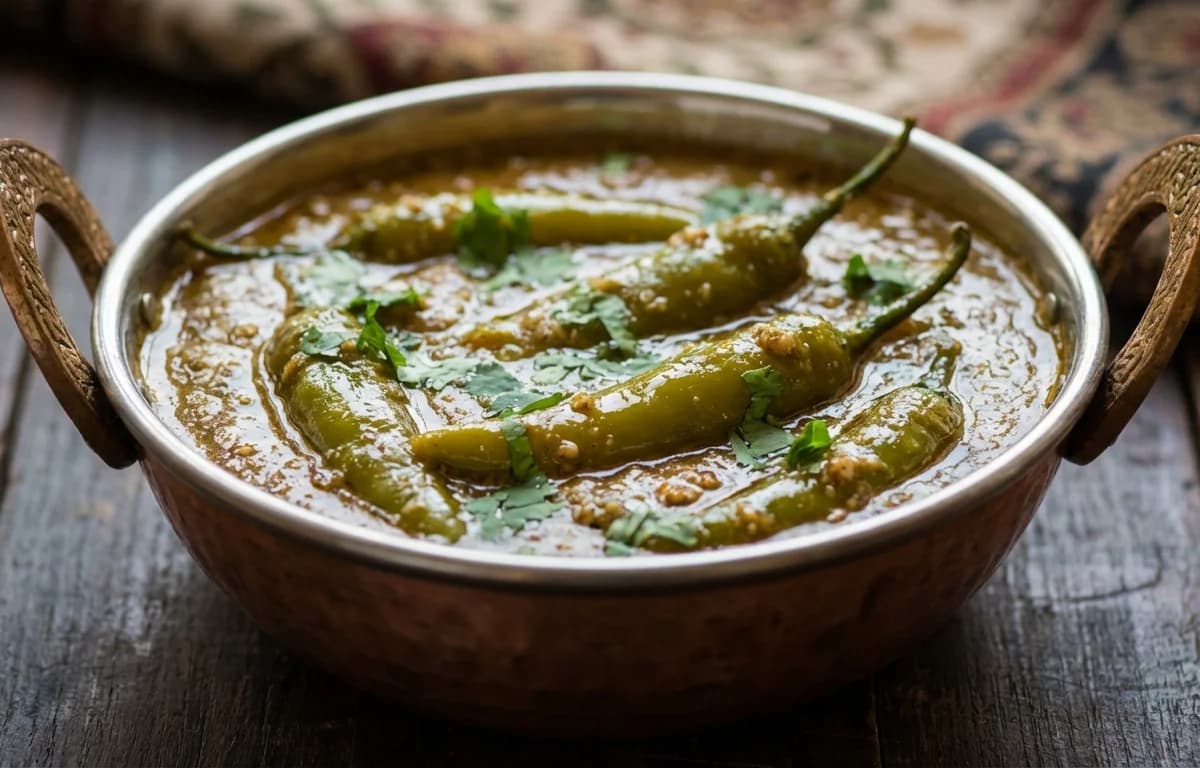
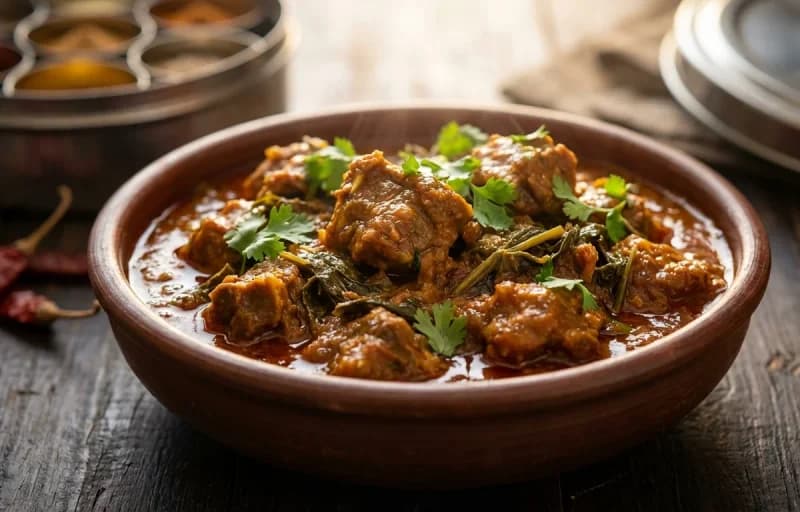
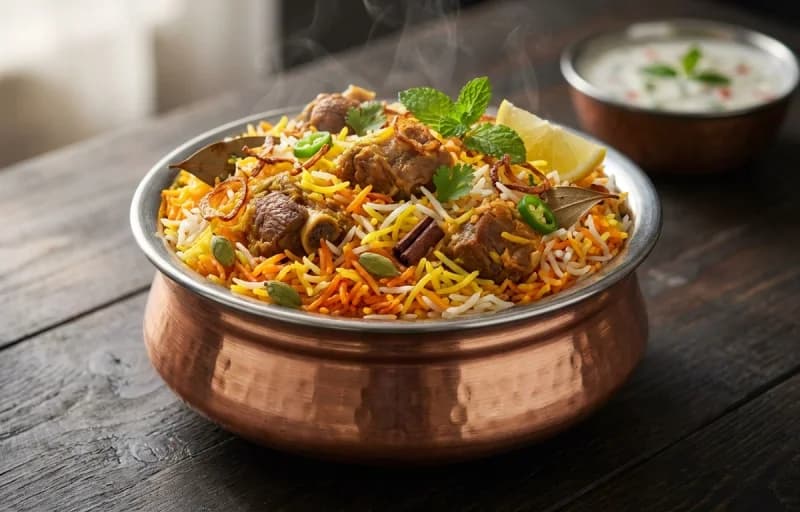
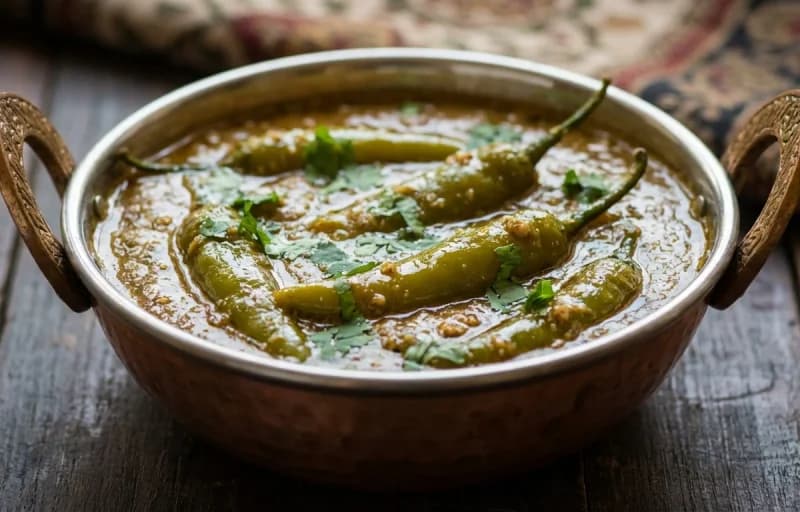
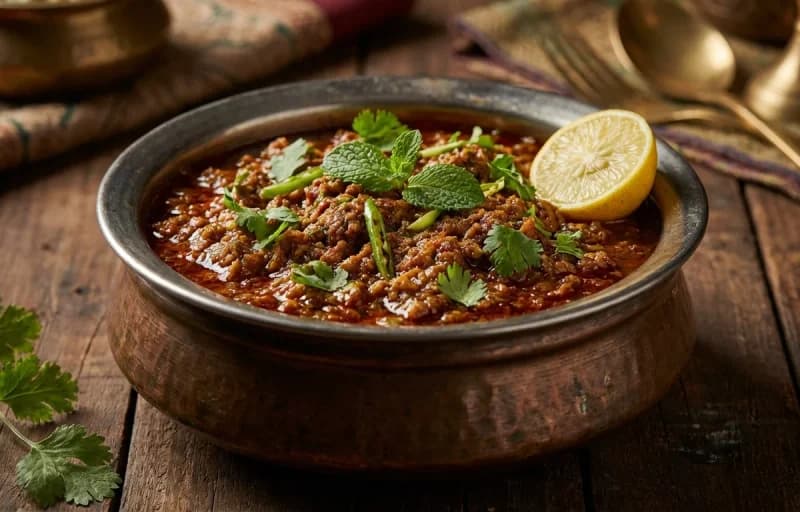
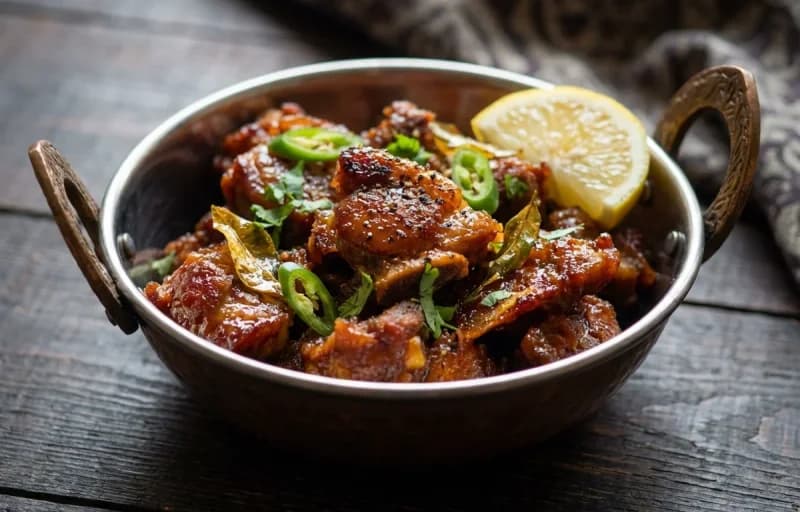
A creamy, tangy, and mildly spicy curry from Hyderabad featuring large green chilies in a rich peanut, sesame, and coconut gravy. The perfect accompaniment for a flavorful biryani.
Prep20 min
Cook40 min
Servings4
Serving size: 1 cup
339cal
6gprotein
21gcarbs
28g
Ingredients
200 g Bhavnagri Chilies (About 8-10 large, less spicy chilies. Banana peppers also work well.)
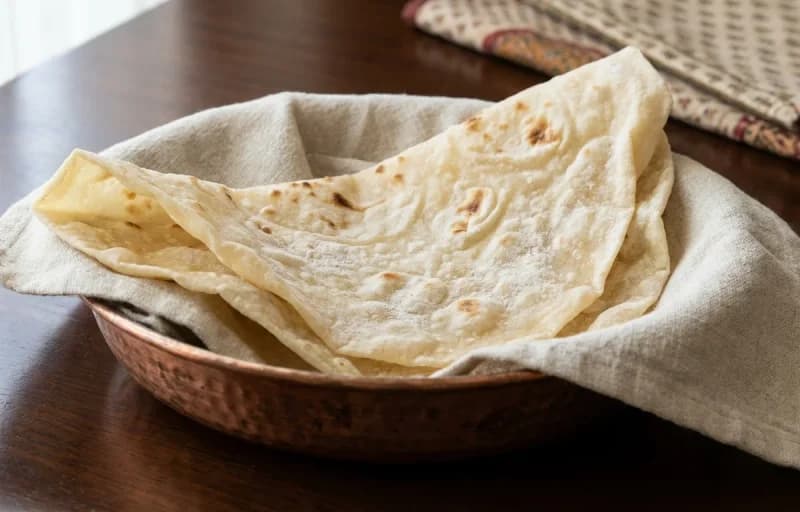
A rustic, gluten-free Indian flatbread made from sorghum flour. These soft, earthy rotis are a healthy alternative to wheat chapatis and pair wonderfully with spicy curries and dals.
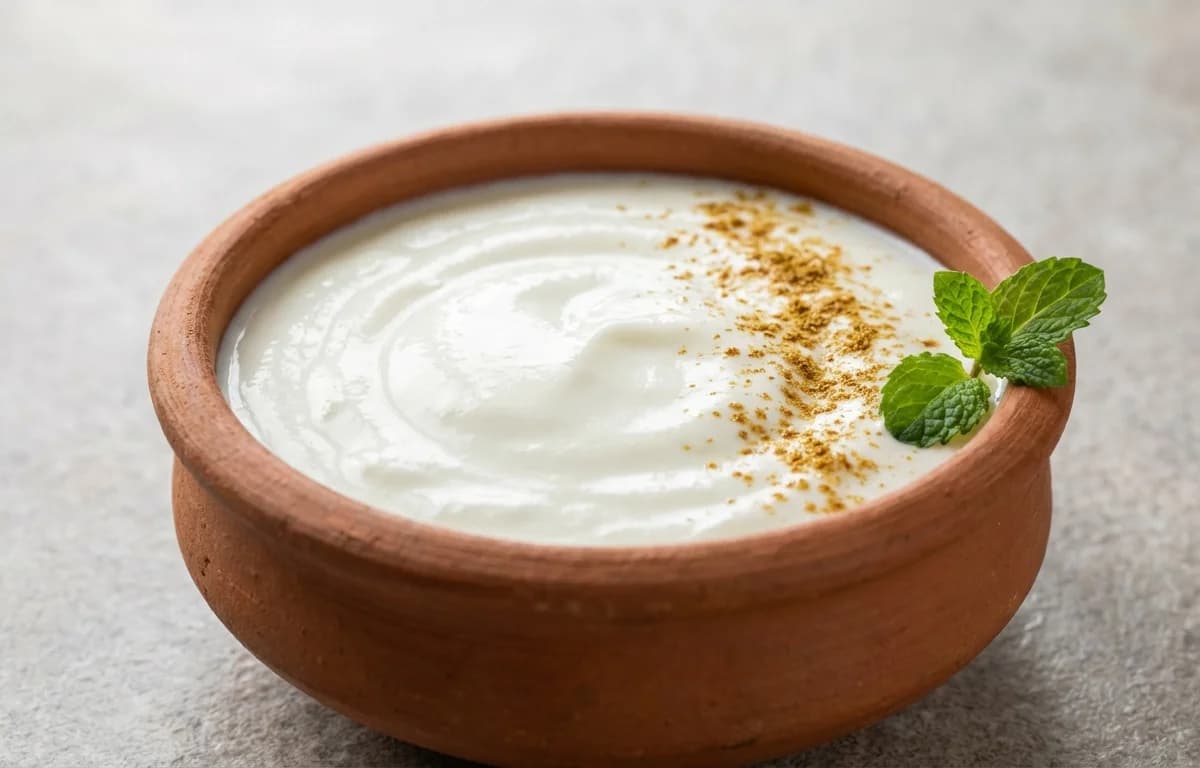
Creamy, tangy, and rich homemade yogurt, a staple in every Indian household. This simple recipe uses just two ingredients to create perfect, thick dahi every time, ideal for raitas, curries, or enjoying plain.
Tangy, perfectly spiced Mirchi ka Salan with fiber-rich Jowar Roti & cool Dahi. Gut-friendly & energy-giving!
This hyderabadi dish is perfect for lunch. With 763.8299999999999 calories and 22.43g of protein per serving, it's a nutritious choice for your meal plan.
fat
0.25 tsp
Fenugreek Seeds
0.5 tsp Nigella Seeds
12 pcs Curry Leaves
1 tbsp Ginger-Garlic Paste
0.5 tsp Turmeric Powder
1 tsp Kashmiri Red Chili Powder (For color and mild heat)
2 tbsp Tamarind Paste (Or soak a lemon-sized ball of tamarind in 1/2 cup hot water and extract the pulp)
1 tsp Jaggery (Grated, or use brown sugar)
1.5 tsp Salt (Adjust to taste)
2 cup Water (Warm)
2 tbsp Coriander Leaves (Freshly chopped, for garnish)
Instructions
1
Prepare and Fry the Chilies
Wash the green chilies and pat them dry. Make a lengthwise slit on one side, keeping the stem intact. Optionally, remove the seeds for less heat.
Heat 2 tbsp of oil in a wide pan over medium heat. Carefully place the chilies in the pan and shallow-fry for 3-4 minutes, turning occasionally, until they develop light blisters on the skin.
Remove the fried chilies from the pan and set them aside.
2
Roast the Masala Ingredients
In the same pan (no need to add more oil), dry roast the peanuts on low heat until aromatic and lightly browned. Transfer to a plate.
Next, add the sesame seeds and roast for 1-2 minutes until they start to pop. Add them to the plate with the peanuts.
Add the desiccated coconut and roast for about 1 minute until it turns light golden brown. Transfer to the plate.
Finally, roast the coriander and cumin seeds together for 30-40 seconds until fragrant. Add them to the plate and let all roasted ingredients cool completely.
3
Sauté Onions and Grind the Paste
In the same pan, add 1 tbsp of oil. Sauté the sliced onions over medium heat for 5-7 minutes until they turn soft and golden brown.
Let the onions cool slightly. Transfer the cooled roasted ingredients and the sautéed onions to a grinder jar.
Grind to a smooth, thick paste, adding a few tablespoons of water as needed to facilitate grinding.
4
Cook the Curry Base
Heat the remaining 2 tbsp of oil in the pan over medium heat.
Add the mustard seeds and let them splutter. Then add the fenugreek seeds, nigella seeds, and curry leaves. Sauté for 30 seconds.
Add the ginger-garlic paste and cook for 1 minute until the raw aroma disappears.
Add the ground masala paste. Sauté on low-medium heat, stirring frequently, for 8-10 minutes. The paste will thicken, darken, and oil will start to separate from the sides.
Stir in the turmeric powder and Kashmiri red chili powder. Cook for another minute.
5
Simmer the Salan
Add the tamarind paste, grated jaggery, and salt. Mix well to combine.
Slowly pour in 2 cups of warm water, stirring continuously to create a smooth, lump-free gravy.
Bring the gravy to a gentle boil. Carefully place the fried green chilies into the gravy.
Reduce the heat to low, cover the pan, and let it simmer for 10-15 minutes. The gravy will thicken, and you'll see a layer of oil floating on top, which indicates it's cooked perfectly.
6
Garnish and Serve
Turn off the heat. Garnish with freshly chopped coriander leaves.
Let the salan rest for at least 10 minutes before serving. Serve hot with Hyderabadi biryani, pulao, or plain steamed rice.
262cal
8gprotein
44gcarbs
8gfat
Ingredients
2 cup jowar atta
1.5 cup hot water (for kneading, adjust as needed)
0.5 tsp salt
2 tbsp ghee (for brushing, optional)
Instructions
1
In a large bowl, mix the jowar atta and salt. Boil the water and gradually add it to the flour, mixing with a spoon until a shaggy dough forms. Once it's cool enough to handle, knead for 5-7 minutes into a smooth, soft, and pliable dough. Cover with a damp cloth and let it rest for 10 minutes.
2
After resting, knead the dough again for a minute. Divide the dough into 8 equal-sized balls. Take one ball, flatten it slightly, and dust it generously with dry jowar atta.
3
Place the dusted ball on a clean, flat surface. Using your palm and fingers, gently pat and press the dough, rotating it simultaneously to form a thin, round roti about 5-6 inches in diameter. You can also use a rolling pin very gently, but traditional bhakri is hand-patted for better texture.
4
Heat a cast-iron tawa or flat pan over medium-high heat. Once hot, carefully lift the roti and place it on the tawa. Cook for about 45-60 seconds until you see small bubbles. Flip the roti and apply a thin layer of water on this top surface. Allow the second side to cook for 1-2 minutes until light brown spots appear.
5
Flip the roti one last time and press gently with a folded kitchen towel or a flat spatula to encourage it to puff up. For a fully puffed roti, you can carefully place it directly on a gas flame for a few seconds using tongs until it balloons. Remove from heat, brush with ghee if desired, and serve immediately. Repeat for the remaining dough balls.
1 L Full-Fat Milk (Whole milk provides the creamiest texture. Avoid UHT milk as it may not set well.)
2 tbsp Plain Yogurt (Use a good quality, live culture yogurt as a starter. Ensure it's at room temperature.)
Instructions
1
Boil and Thicken Milk
Pour the milk into a heavy-bottomed saucepan. Bring it to a rolling boil over medium heat, watching carefully to prevent it from boiling over.
Once boiling, reduce the heat to low and let it simmer for 5-7 minutes. Stir occasionally to prevent a skin from forming and to stop it from scorching at the bottom. This step helps thicken the milk, resulting in creamier dahi.
2
Cool Milk to the Right Temperature
Remove the pan from the heat and allow the milk to cool down until it is lukewarm. The ideal temperature is between 40-45°C (105-115°F).
To test without a thermometer, dip a clean finger into the milk. It should feel comfortably warm, not hot. You should be able to hold your finger in for about 10 seconds.
3
Inoculate with Starter
In a small bowl, whisk the starter yogurt (dahi) until it is smooth and lump-free.
Add a few tablespoons of the warm milk to the whisked starter and mix well. This tempers the starter and ensures it mixes evenly without curdling.
Pour this tempered starter mixture into the pot with the rest of the lukewarm milk and stir gently 2-3 times to combine everything.
4
Set the Dahi to Ferment
Transfer the milk mixture into a setting container, such as a clay pot (matka), glass bowl, or steel pot.
Cover the container with a lid and place it in a warm, draft-free place for 6 to 8 hours, or overnight. Do not disturb it during this time.
In colder climates, you can place the container in a preheated (and turned off) oven, a microwave with the light on, or wrap it in a thick towel to maintain warmth.
5
Chill and Serve
After 6-8 hours, check if the dahi is set. It should be firm and not jiggle like a liquid when gently tilted.
Once set, transfer the container to the refrigerator and chill for at least 3-4 hours. Chilling stops the fermentation process (preventing it from becoming too sour) and helps it thicken further.
Serve chilled as a side, use it to make raita, or enjoy it plain.