

non-vegetariansoy-free
rajasthani
Safed Maas, Tawa Paratha and Onion Salad
Creamy, melt-in-mouth Safed Maas with warm parathas. A protein-packed, comforting dinner!
70 min
874 cal
67gProtein
68gCarbs
39gFat
3Recipes
Loading...
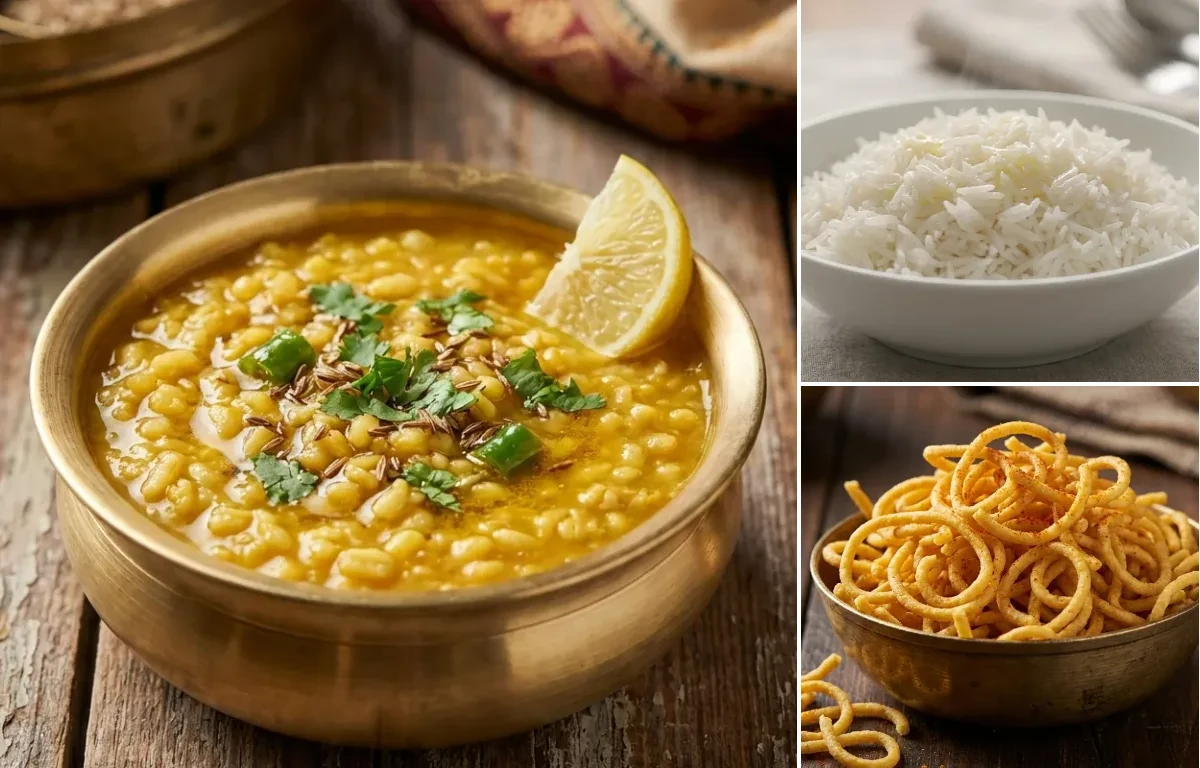
Protein-packed Mogar Dal with fluffy rice & crispy Aloo Bhujia. A truly comforting, tasty combo!
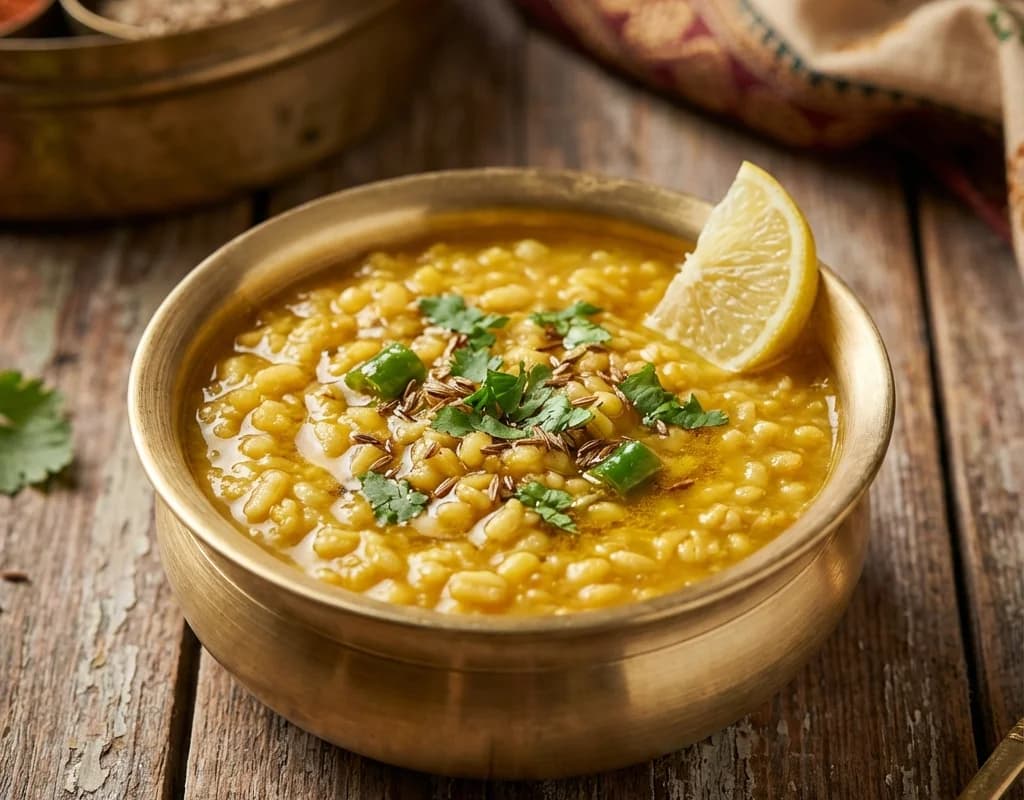
A simple yet flavorful Rajasthani dish made with soaked yellow moong dal. This dry lentil preparation is light on the stomach, quick to make, and pairs wonderfully with hot chapatis or as a side with rice and curry.
Serving size: 1 serving
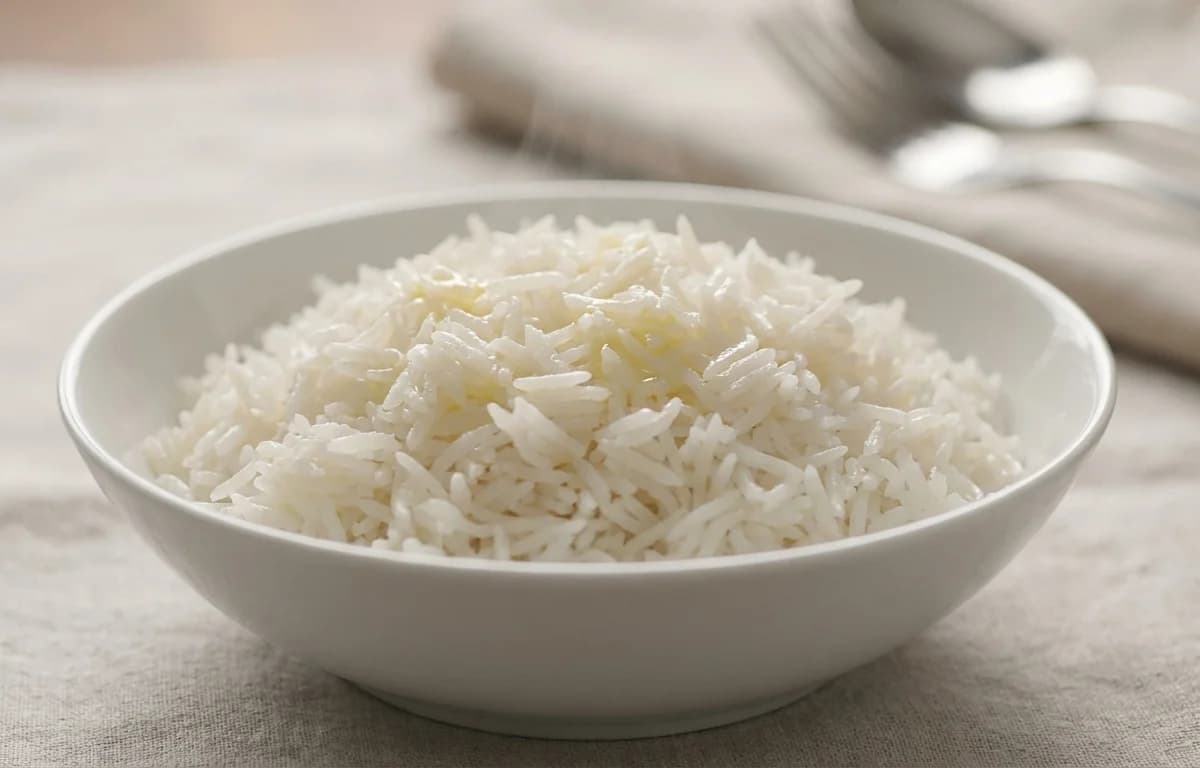
Perfectly fluffy, long-grained basmati rice with a delicate aroma. This simple, foolproof recipe gives you separate, non-sticky grains every time, making it the perfect base for any curry or dal.
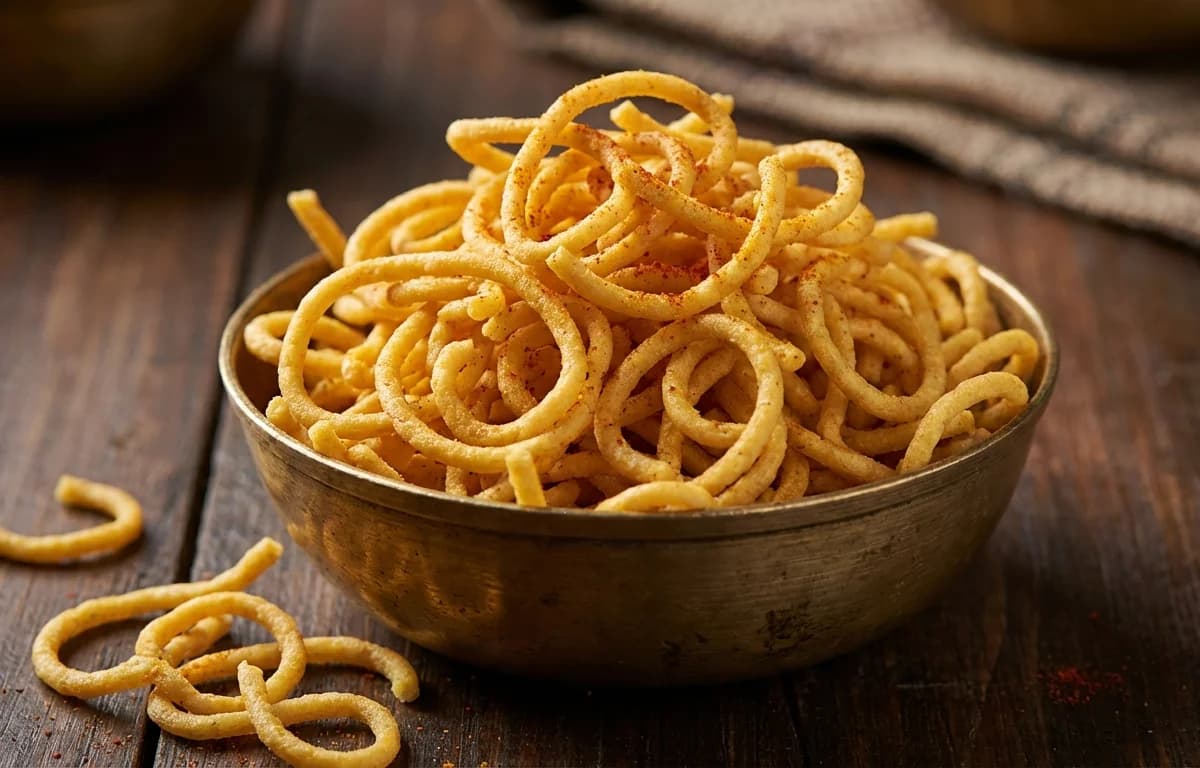
A classic Indian savory snack, these crispy, golden noodles are made from mashed potatoes and chickpea flour. Perfectly spiced and deep-fried to perfection, it's an addictive tea-time favorite.
Serving size: 1 serving
Protein-packed Mogar Dal with fluffy rice & crispy Aloo Bhujia. A truly comforting, tasty combo!
This rajasthani dish is perfect for lunch. With 678.3499999999999 calories and 23.369999999999997g of protein per serving, it's a nutritious choice for your meal plan.
Discover authentic meals from cuisines around the world.
Find meals that fit your dietary preferences.
Find meals optimized for your goal.
Prepare the Dal: Rinse the moong dal under cold running water until the water runs clear. Soak it in 3 cups of water for at least 30 minutes. After soaking, drain the water completely using a fine-mesh sieve and set aside.
Start the Tempering (Tadka): Heat ghee in a heavy-bottomed pan or kadai over medium heat. Once hot, add the cumin seeds and let them sizzle and turn fragrant, which takes about 30-45 seconds.
Sauté Aromatics: Add the hing, grated ginger, and slit green chilies. Sauté for 30 seconds until the raw aroma of ginger mellows. Then, add the finely chopped onion and cook for 4-5 minutes until it becomes soft and translucent.
Add Spices: Reduce the heat to low. Add the turmeric powder, red chili powder, and coriander powder. Stir continuously for about 30 seconds to toast the spices without burning them.
Cook the Dal: Add the drained moong dal to the pan. Stir gently for a minute to coat the lentils with the spice mixture. Pour in 2 cups of water and add salt. Mix well.
Simmer to Perfection: Bring the mixture to a boil over medium-high heat. Once boiling, reduce the heat to low, cover the pan with a lid, and let it simmer for 10-15 minutes. The dal should be cooked through but still hold its shape (al dente).
Check and Adjust: Uncover and check the dal. Most of the water should be absorbed, resulting in a semi-dry consistency. If it's too dry, add a splash of hot water. If there's excess water, cook uncovered for a few more minutes until it evaporates.
Finish and Garnish: Turn off the heat. Sprinkle the garam masala and fresh lemon juice over the dal. Gently fluff with a fork to mix. Garnish with freshly chopped coriander leaves. Let it rest for 5 minutes before serving.
Serving size: 1 serving
Rinse and Soak the Rice (35 minutes)
Cook the Rice (15 minutes)
Rest and Fluff (10 minutes)
Prepare the Potatoes
Make the Bhujia Dough
Set Up for Frying
Fry the Aloo Bhujia
Cool and Store
Creamy, melt-in-mouth Safed Maas with warm parathas. A protein-packed, comforting dinner!

Aromatic Murgh Khada Masala with light phulkas & zesty chutney. A protein-packed, soul-satisfying meal!

Perfectly spiced Bhuna Kukda with flaky paratha & tangy mint raita. A protein-packed, delicious treat!

Aromatic, perfectly spiced Rajasthani Chicken Curry with light phulkas. Protein-packed comfort!

Creamy, aromatic Mohan Maas with rustic Bejar ki Roti. A soul-satisfying, energy-giving dinner!

Aromatic, protein-packed Keema Pulao with creamy raita & crispy papad. Pure comfort food!