
non-vegetariannut-free
marwari
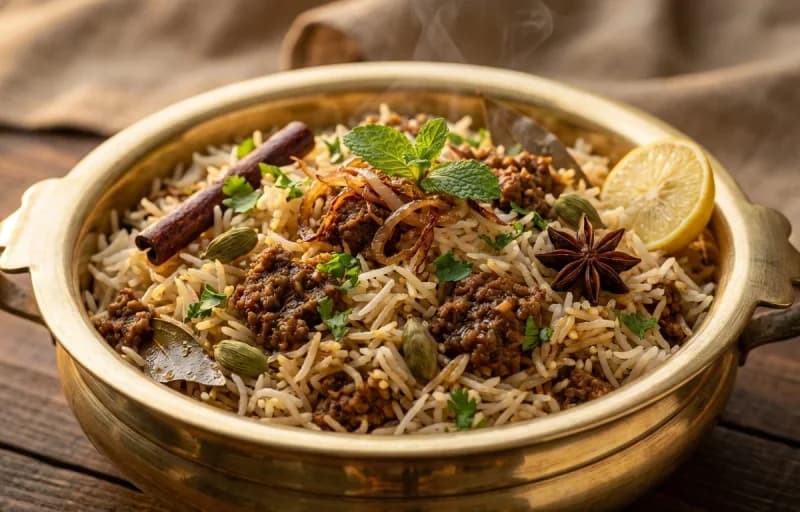
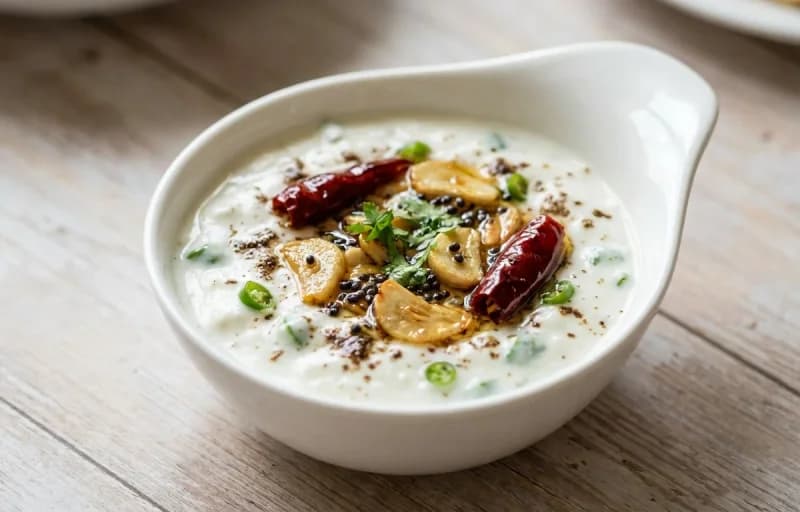
Marwari Keema Pulao with Garlic Raita
Aromatic, protein-packed Marwari Keema Pulao with creamy garlic raita – truly soul-satisfying comfort food!
30 min
823 cal
30gProtein
76gCarbs
44gFat
2Recipes
Loading...
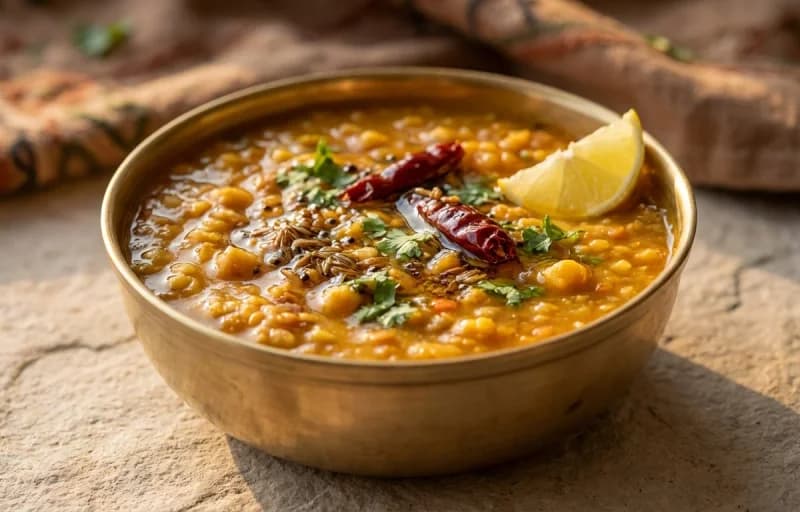
Protein-packed, gut-friendly Panchmel Dal with fiber-rich Tikkad. A truly soul-satisfying, homestyle meal!
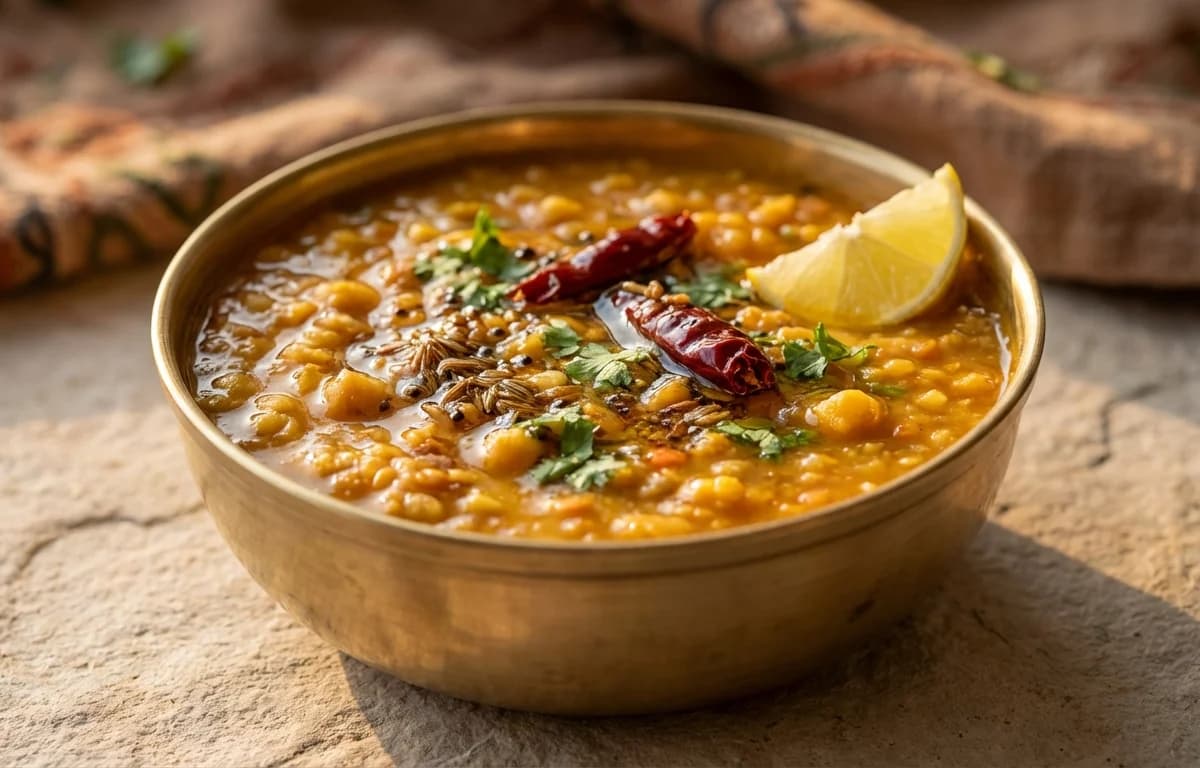
A wholesome and aromatic lentil curry from Rajasthan, made with a blend of five different dals. This protein-packed dish has a unique texture and flavor, perfectly finished with a spicy ghee tempering.
Serving size: 1 serving
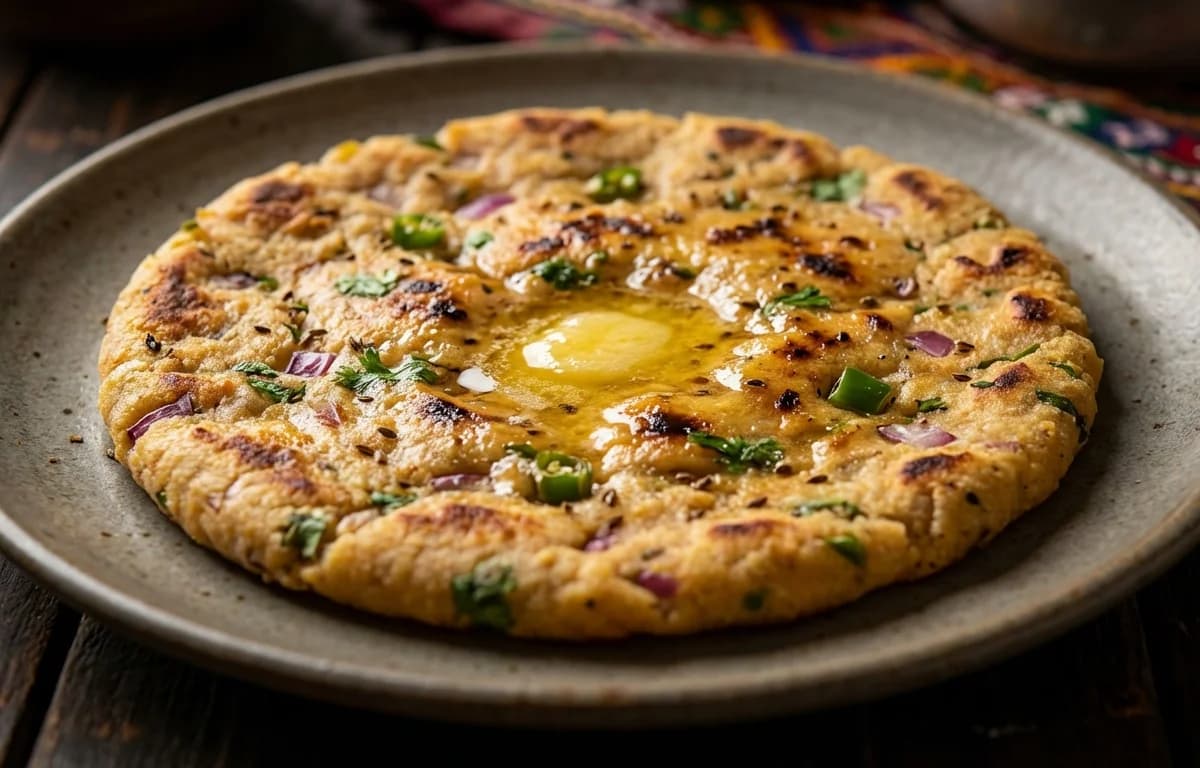
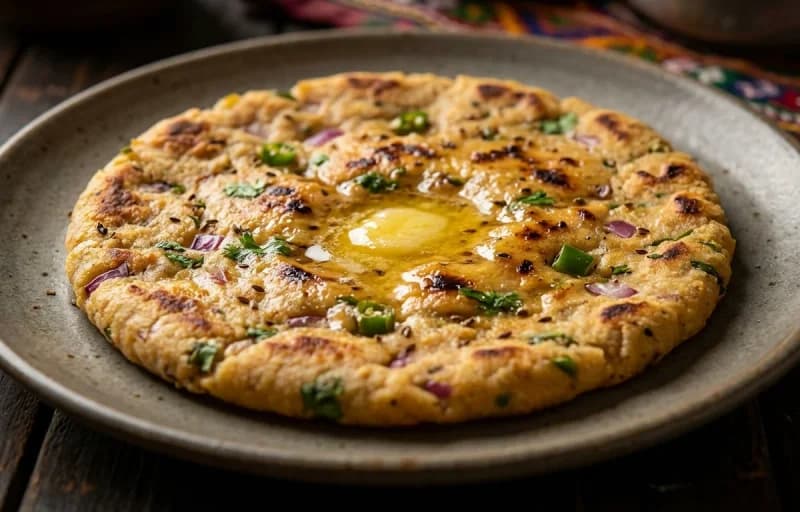
A rustic and hearty Rajasthani flatbread, Tikkad is made from a flavorful blend of maize and wheat flours, spiced with onions and chilies. It's wonderfully crisp on the outside, soft inside, and perfect with dal.
Serving size: 1 serving
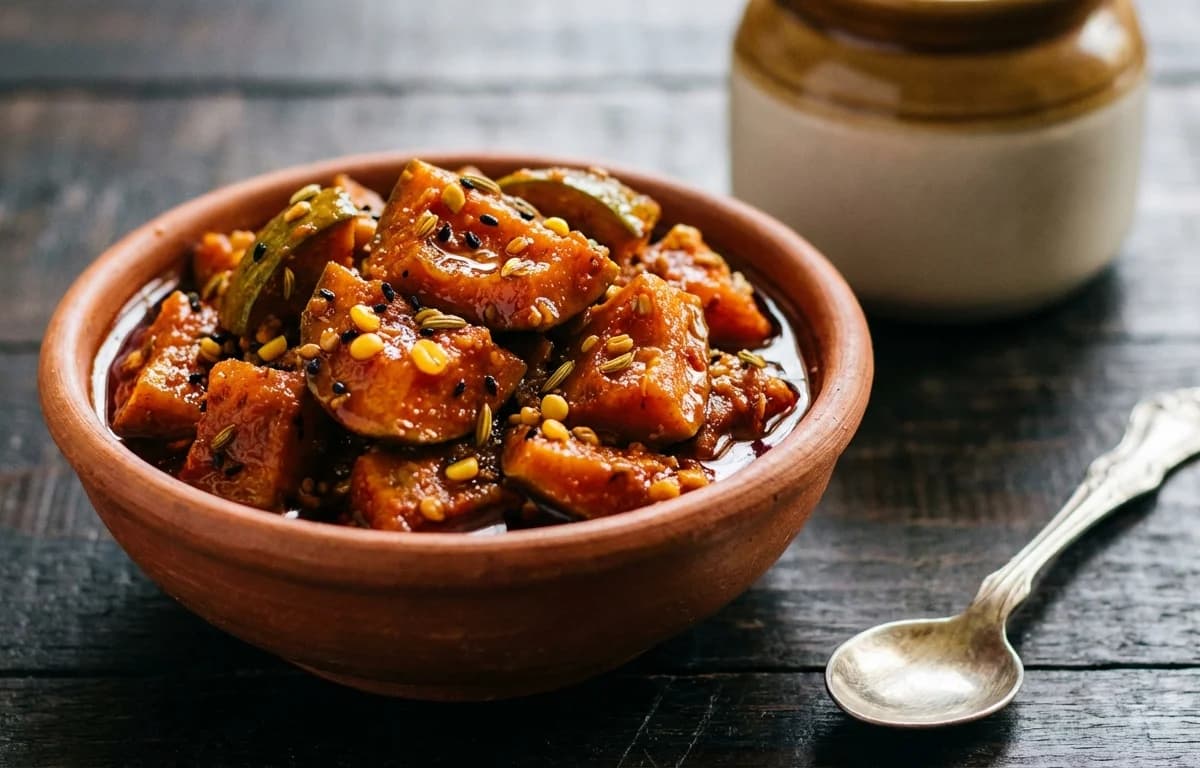
A classic North Indian condiment, 'Aam ka Achar' is made with raw, tangy mangoes, a robust blend of aromatic spices, and pungent mustard oil. This traditional sun-cured pickle is the perfect spicy and sour accompaniment to any meal, from dal-rice to stuffed parathas.
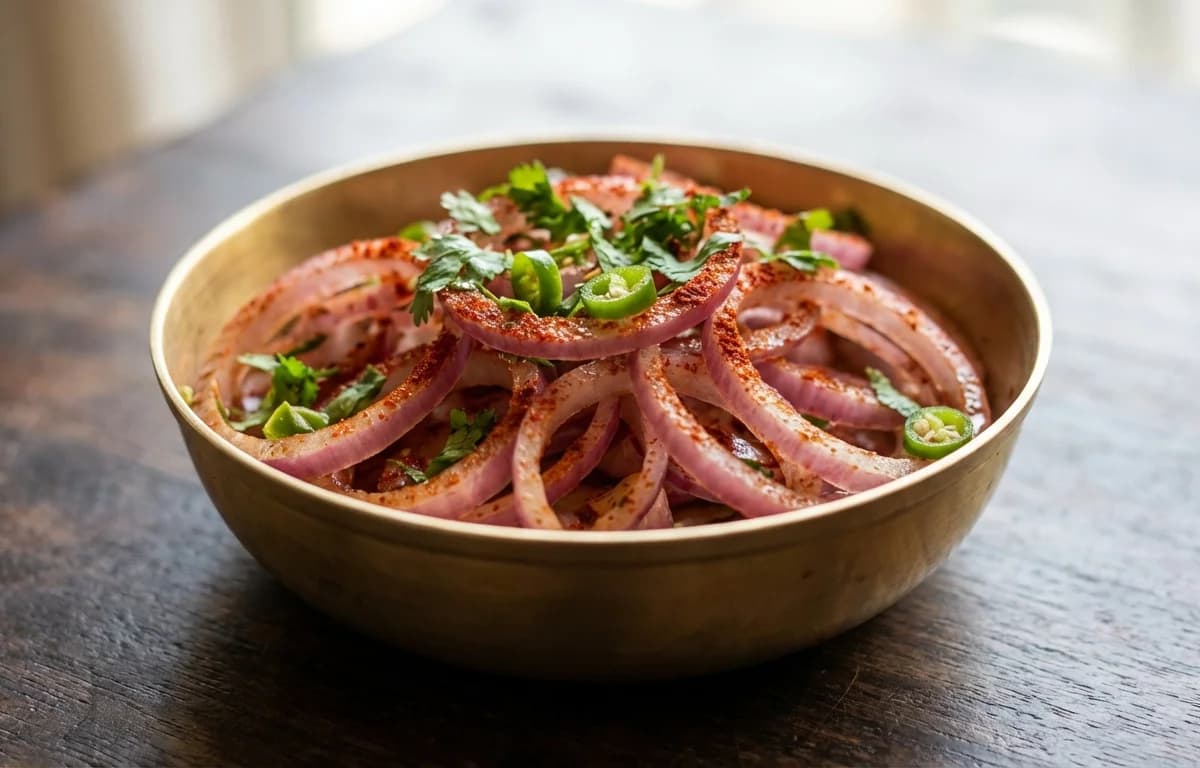
Crisp, sweet onion rings marinated in a tangy apple cider vinegar dressing with fresh parsley. A perfect, refreshing topping for burgers, grilled meats, or as a simple side for any barbecue.
Aromatic, protein-packed Marwari Keema Pulao with creamy garlic raita – truly soul-satisfying comfort food!
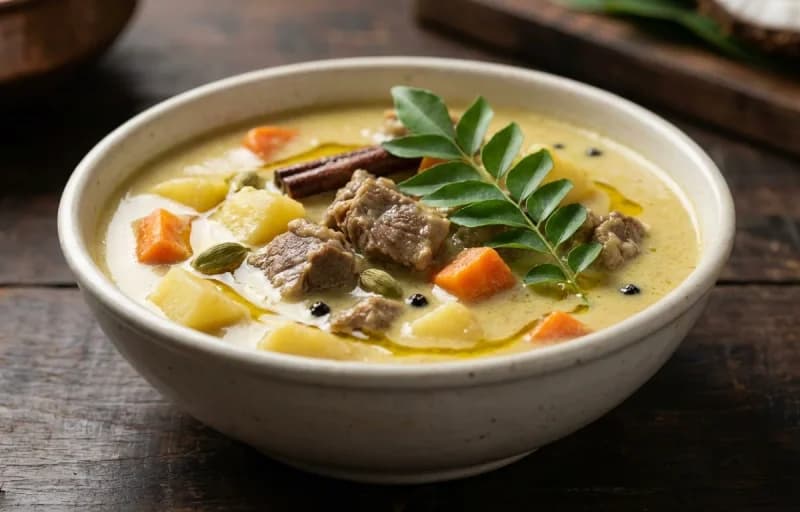
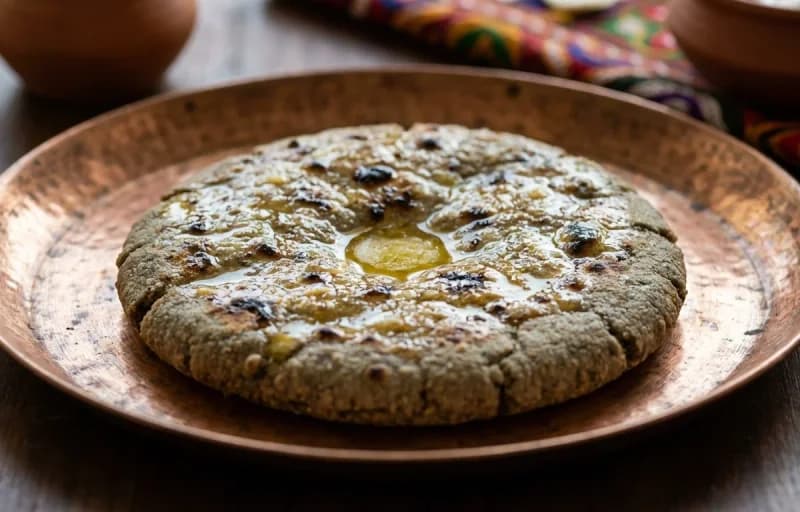
Hearty Rajasthani Mutton Stew with fiber-rich Bajra Roti – a soul-satisfying and energy-giving meal!
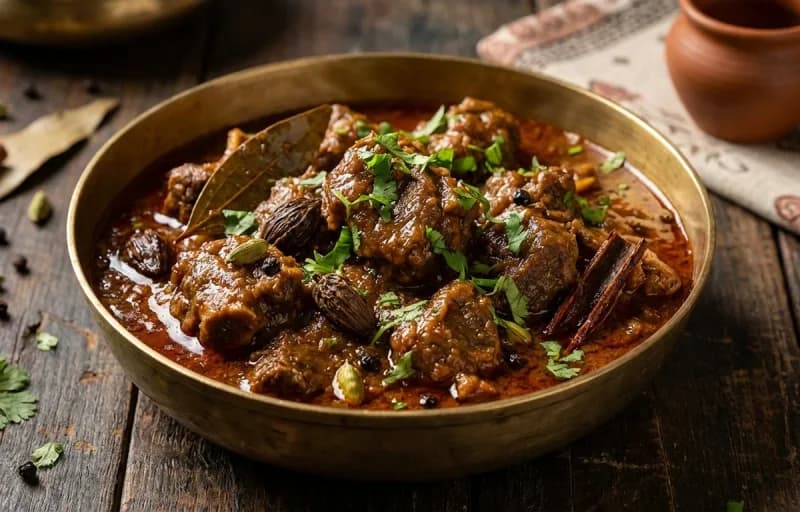
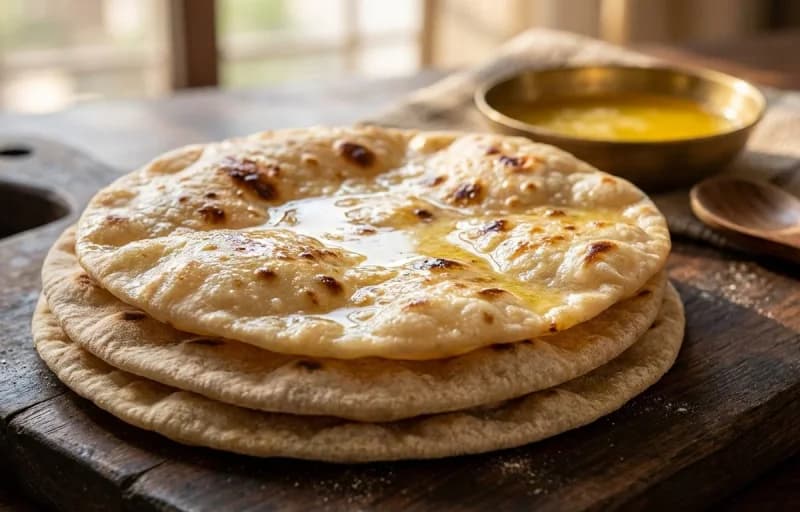
Melt-in-mouth Mutton Nagori with soft Gehu ki Roti – a perfectly spiced, homestyle comfort food!
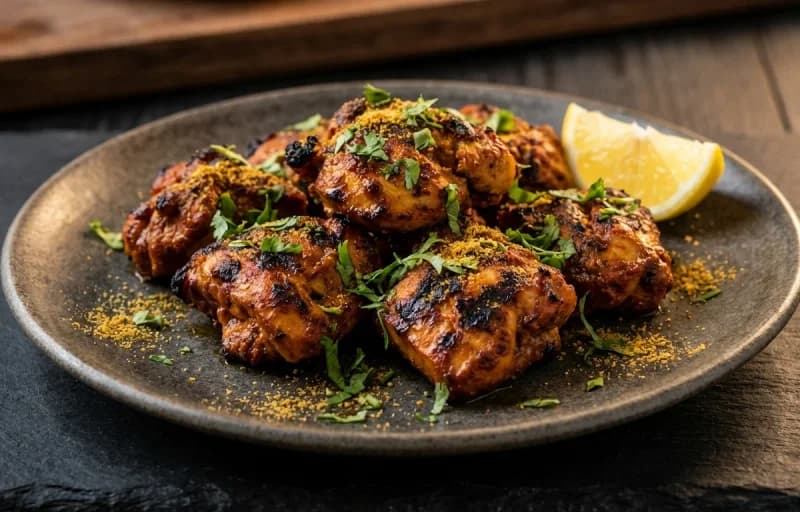
Aromatic Chicken Soola with warm Gehu ki Roti and tangy mint chutney – a protein-packed, energy-giving meal!
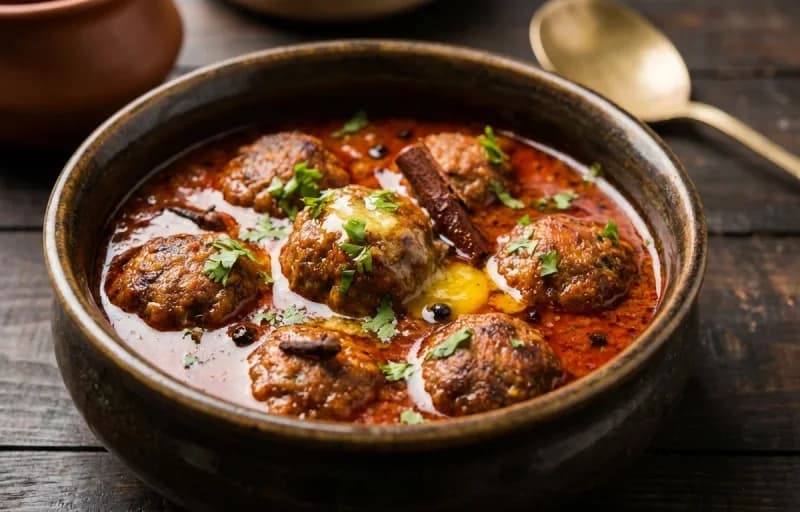
Perfectly spiced Laal Maas Kofta Curry with fiber-rich Bajra Roti – a protein-packed comfort food!
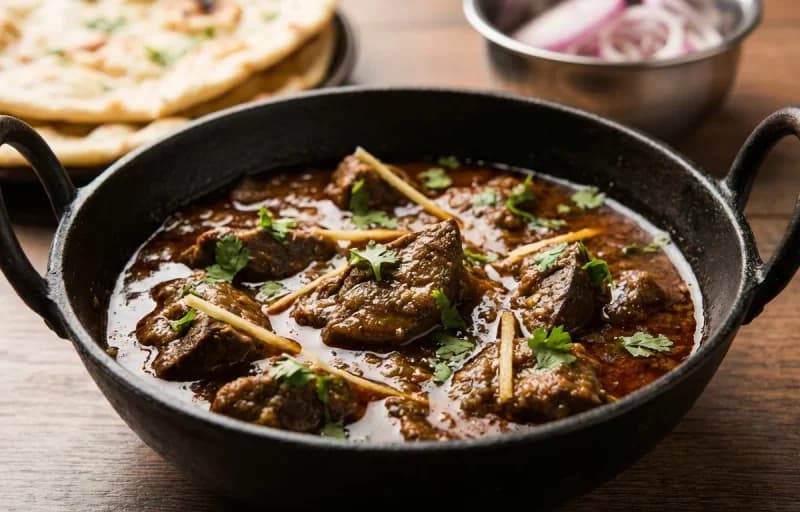
Iron-boosting Mutton Kaleji Masala with warm Gehu ki Roti. A perfectly spiced, homestyle meal!
Protein-packed, gut-friendly Panchmel Dal with fiber-rich Tikkad. A truly soul-satisfying, homestyle meal!
This marwari dish is perfect for lunch. With 700.1099999999999 calories and 21.270000000000003g of protein per serving, it's a nutritious choice for your meal plan.
Prepare the Dals: Combine all five dals in a large bowl. Rinse them under cold running water 3-4 times until the water runs clear. Soak the dals in ample water for at least 30-60 minutes. Soaking is crucial for the chana dal to cook evenly.
Pressure Cook the Dals: Drain the soaked dals and transfer them to a 3-liter or larger pressure cooker. Add the chopped tomatoes, grated ginger, slit green chilies, turmeric powder, salt, and 4 cups of water. Stir everything together.
Cook until Soft: Secure the lid of the pressure cooker. Cook on medium-high heat for 4-5 whistles, which should take about 15 minutes. After the last whistle, reduce the heat to low and let it simmer for another 5 minutes. Turn off the heat and allow the pressure to release naturally.
Check and Whisk: Once the pressure has fully released, open the cooker. Check if the dals are cooked through; they should be soft and easily mashable. Using a wire whisk or the back of a ladle, gently whisk the dal to create a cohesive, slightly coarse texture. If the dal seems too thick, add 1/2 to 1 cup of hot water to reach your desired consistency and simmer for 2-3 minutes.
Prepare the Tempering (Tadka): Heat ghee in a small pan (tadka pan) over medium heat. Once hot, add the mustard seeds and cumin seeds. Allow them to splutter for about 30 seconds.
Combine and Garnish: Pour the sizzling hot tempering directly over the cooked dal in the pressure cooker. Mix well. Stir in the fresh lemon juice and garnish with chopped coriander leaves. Let it rest for 5 minutes for the flavors to meld.
Serve: Serve the Panchmel Dal hot with traditional Rajasthani baati, phulka, paratha, or steamed basmati rice.
In a large mixing bowl, combine the maize flour, whole wheat flour, and chickpea flour. Add the ajwain, turmeric powder, red chili powder, hing, and salt. Mix all the dry ingredients well.
Add the finely chopped onion, green chilies, and coriander leaves to the flour mixture. Pour in 2 tablespoons of melted ghee and mix everything together with your fingers until it resembles coarse crumbs. Gradually add warm water, a little at a time, and knead to form a firm, yet pliable dough. Don't make it too soft. Cover the dough with a damp cloth and let it rest for 15 minutes.
After resting, knead the dough again for a minute. Divide it into 8 equal-sized balls. Take one ball, flatten it between your palms, and using a little dry wheat flour for dusting, roll it into a thick circle of about 4-5 inches in diameter and 1/4 inch thickness.
Heat a tawa or flat skillet over medium heat. Place a rolled tikkad on the hot tawa. Cook for about 1-2 minutes on one side, until you see small brown spots appearing. Flip it over. Drizzle about 1/2 teaspoon of ghee on top and spread it. Flip again and apply ghee to the other side. Press gently with a spatula and cook until both sides are golden brown and crisp. This should take about 2-3 minutes per tikkad. Repeat the process for all the remaining dough balls.
Serve the hot tikkads immediately, with an extra dollop of ghee or white butter on top. They pair wonderfully with Rajasthani dal, garlic chutney, or any vegetable curry.
Serving size: 1 serving
Prepare the Mangoes (Day 1)
Dry the Mangoes (Day 2)
Prepare the Spice Mix and Oil
Serving size: 1 serving
Prepare the onions
Soak for crispness
Drain and dry
Season and toss
Serve immediately
Combine and Bottle the Pickle
Mature the Pickle (7-10 Days)