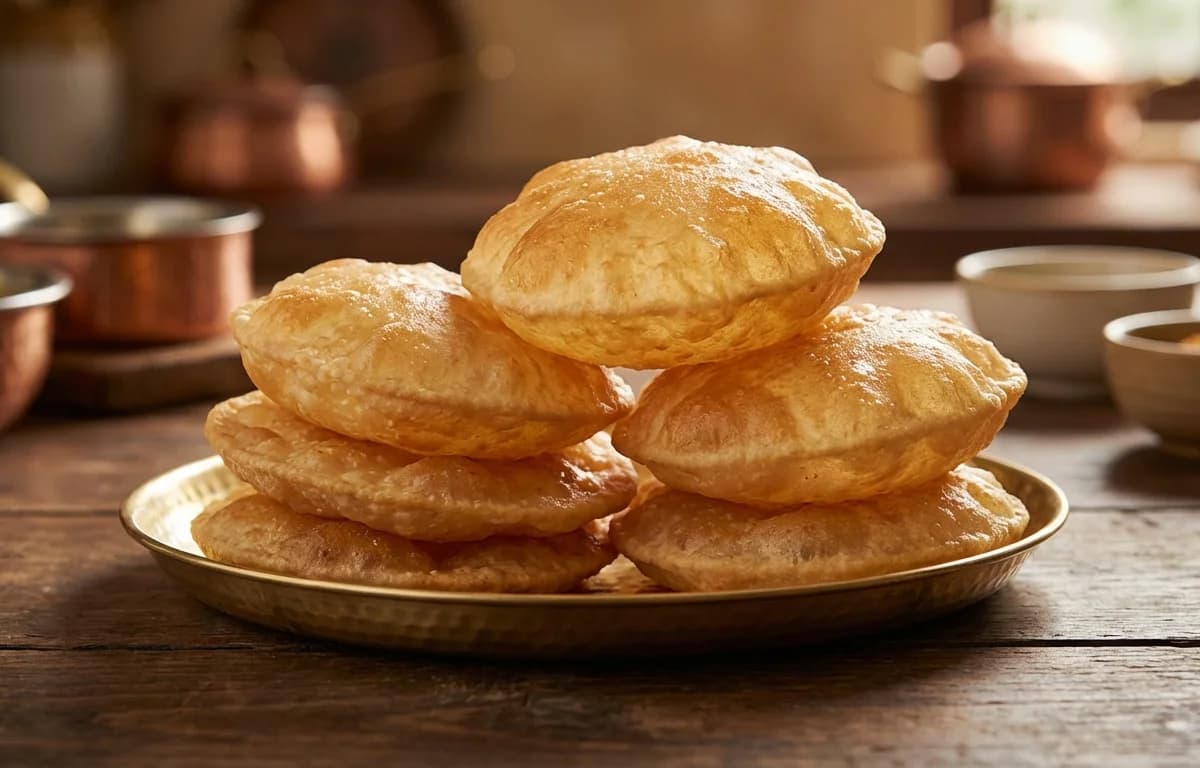
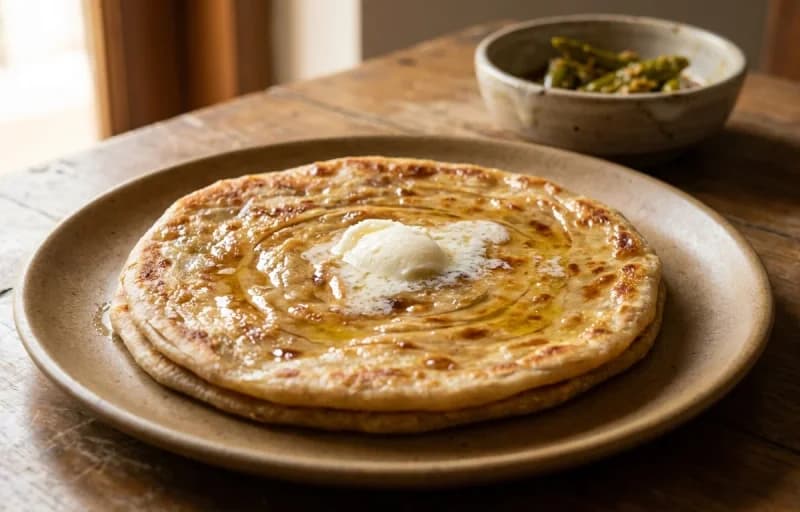
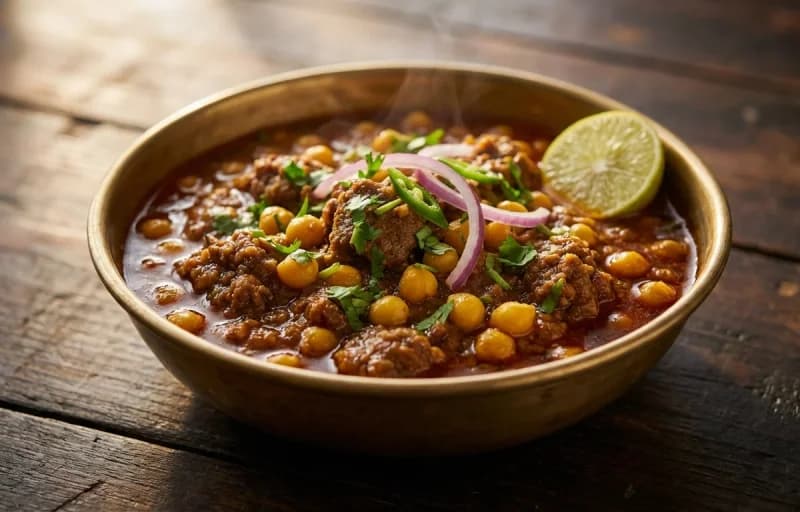
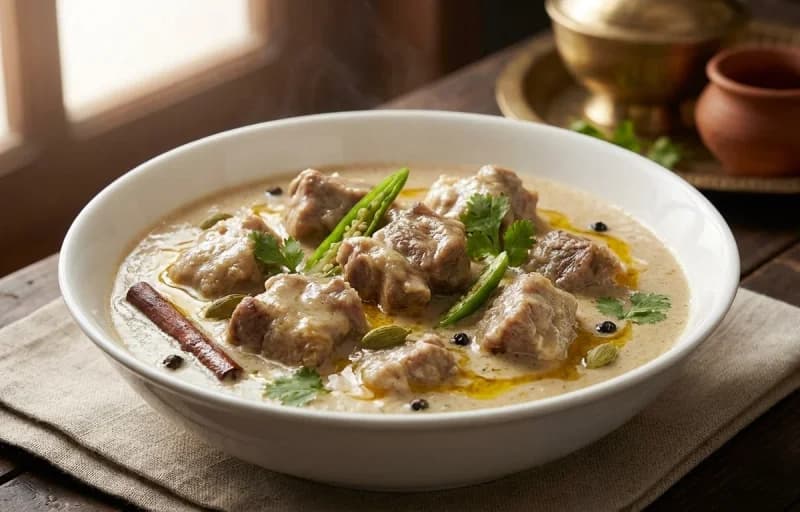
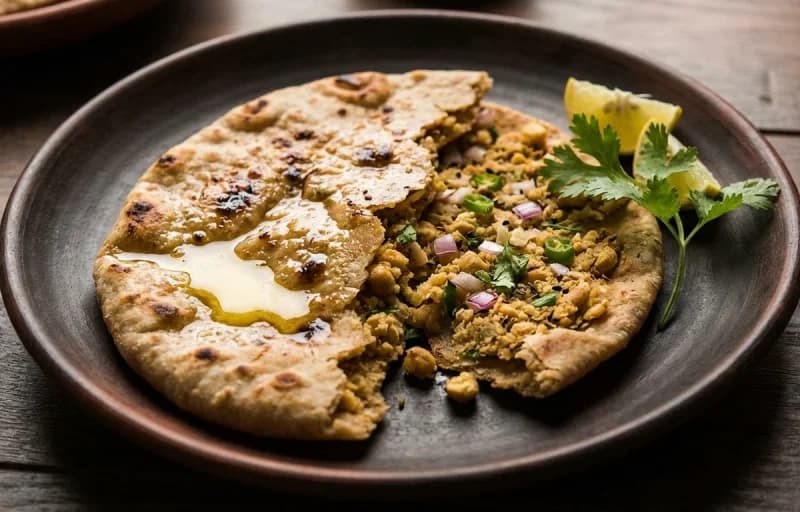
Golden, puffy, and irresistibly crisp, these deep-fried Indian breads are a festive favorite. Made from a simple whole wheat dough, they pair perfectly with savory curries like chole or a sweet shrikhand.
Prep20 min
Cook20 min
Servings4
Serving size: 1 serving
426cal
9gprotein
47gcarbs
24gfat
Ingredients
2 cup Atta (Also known as whole wheat flour.)
2 tbsp Rava (Use fine semolina (sooji) for extra crispiness.)
1 tsp Salt (Adjust to taste.)
1 tbsp Ghee (Can be substituted with a neutral oil.)
0.75 cup Lukewarm Water (Add gradually as needed to form a stiff dough.)
3 cup Vegetable Oil (For deep frying. Use a high smoke point oil like canola or sunflower.)
Instructions
1
Prepare the Dough
In a large mixing bowl, combine the atta, rava, and salt. Whisk to mix everything evenly.
Add the ghee to the flour mixture. Using your fingertips, rub the ghee into the flour until it resembles coarse breadcrumbs. This process, known as 'moin', is key for a flaky texture.
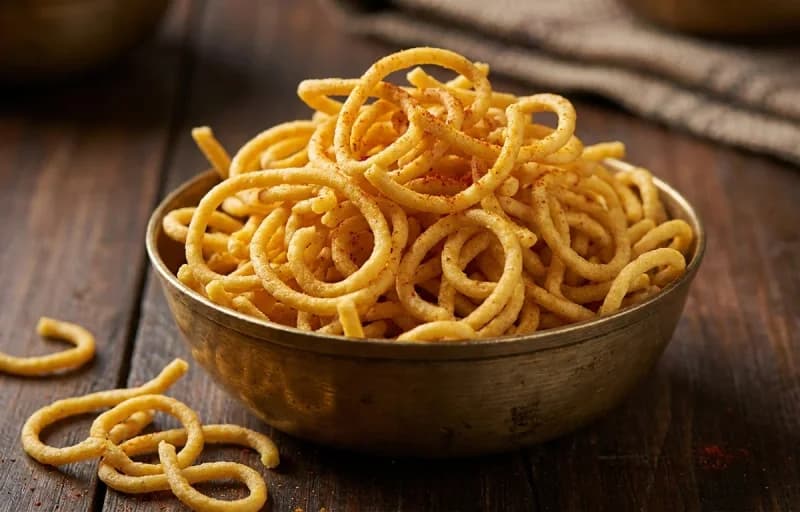
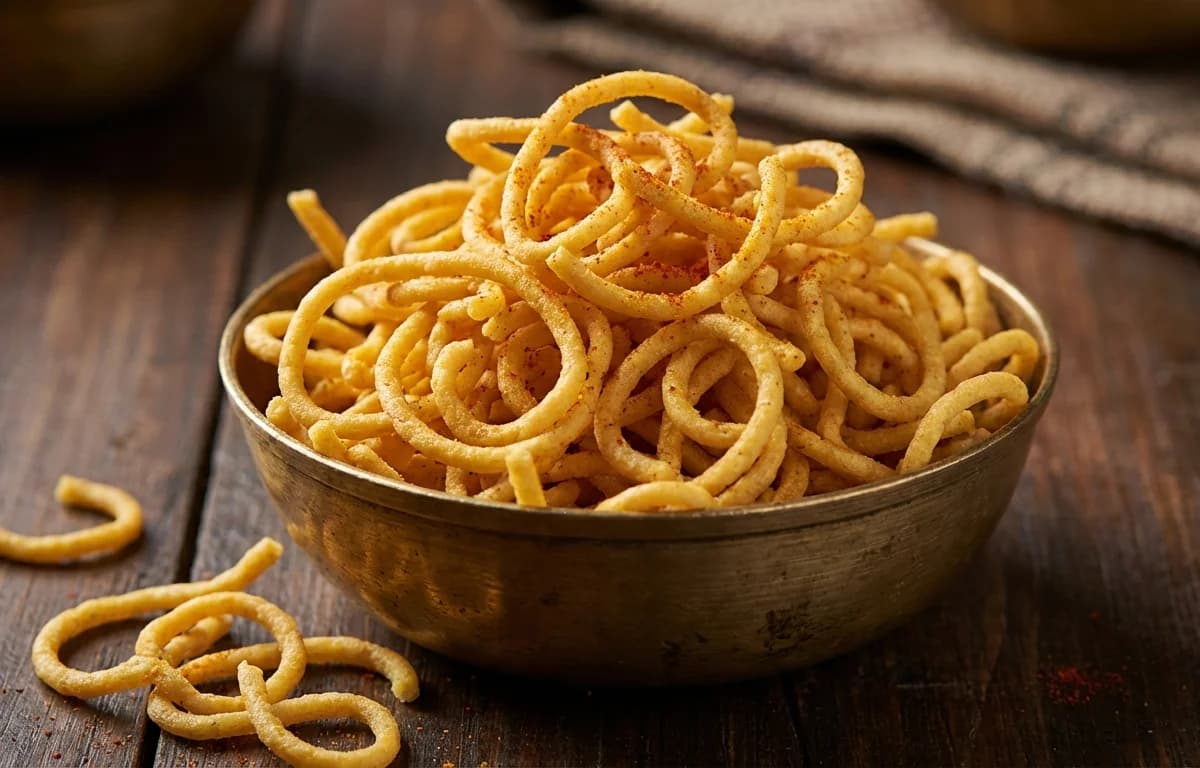
A classic Indian savory snack, these crispy, golden noodles are made from mashed potatoes and chickpea flour. Perfectly spiced and deep-fried to perfection, it's an addictive tea-time favorite.
A fluffy, savory omelette packed with the vibrant flavors of India. Finely chopped onions, tomatoes, and green chilies are whisked with eggs and aromatic spices for a quick, satisfying, and protein-rich breakfast.
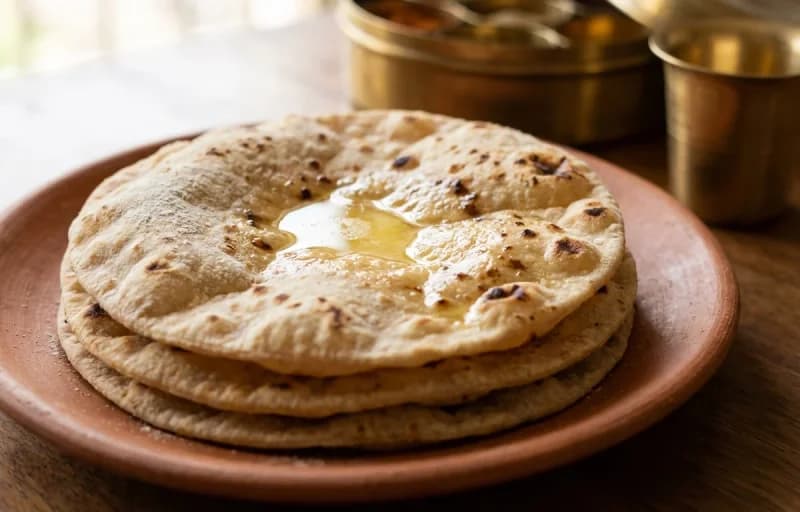
Crispy puris with perfectly spiced aloo bhujia & protein-packed masala omelette – pure comfort food!
This bihari dish is perfect for breakfast. With 818.19 calories and 30.35g of protein per serving, it's a nutritious choice for your meal plan.
Gradually add lukewarm water, a little at a time, while mixing. Knead to form a stiff and firm dough. It should be noticeably tighter than a chapati dough to prevent it from absorbing too much oil during frying.
2
Knead and Rest the Dough
Transfer the dough to a clean work surface and knead for 5-7 minutes until it is smooth and firm.
Cover the dough with a damp cloth or place it in a container with a lid. Let it rest for at least 20-30 minutes. This step is crucial for relaxing the gluten, which makes rolling easier and the puris softer inside.
3
Shape and Roll the Puris
After resting, knead the dough again for one minute to make it smooth.
Divide the dough into 16-20 small, equal-sized balls. Roll each ball between your palms until smooth and crack-free.
Lightly grease your rolling pin and rolling surface with a drop of oil. Avoid using dry flour for dusting, as it can burn in the hot oil and affect its quality and color.
Take one dough ball and roll it into an even circle, about 3-4 inches in diameter and 2-3 mm thick. Ensure the thickness is uniform to help it puff up perfectly.
4
Fry the Puris
Heat the oil for deep-frying in a kadai or deep pan over medium-high heat. The ideal temperature is 180-190°C (355-375°F). To test, drop a tiny piece of dough into the oil; it should sizzle and rise to the top quickly without changing color too fast.
Gently slide a rolled puri into the hot oil. It will sink briefly before floating to the surface.
Using a slotted spoon, gently press down on the center of the puri as it fries. This pressure helps trap steam inside, causing it to puff up beautifully.
Once puffed (this takes about 10-15 seconds), flip it over and fry the other side for another 10-15 seconds until it's a light golden brown.
Fry one or two puris at a time to maintain the oil temperature and avoid overcrowding the pan.
5
Drain and Serve
Remove the fried puri with the slotted spoon, allowing excess oil to drip back into the pan.
Place the puris on a wire rack or a plate lined with paper towels to drain any remaining oil.
Repeat the frying process for all the dough balls.
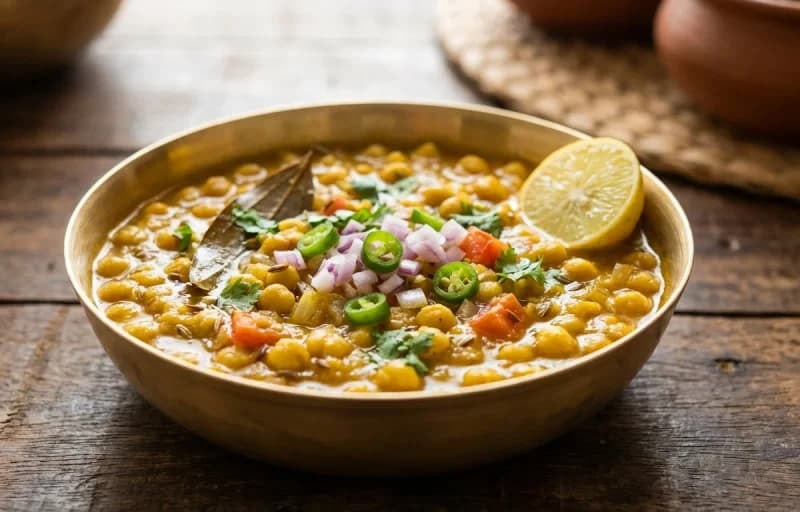
Serve immediately while hot and puffy with your favorite accompaniments like Aloo Sabzi, Chole, or Shrikhand.
159cal
5gprotein
24gcarbs
5gfat
Ingredients
500 g Potatoes (About 3 medium starchy potatoes like Russet)
1.5 cup Besan (Also known as gram flour)
2 tbsp Rice Flour (Adds extra crispiness)
2 tbsp Vegetable Oil (For the dough)
0.5 tsp Turmeric Powder
1 tsp Red Chili Powder (Adjust to your spice preference)
0.25 tsp Hing (Asafoetida)
1 tsp Amchur Powder (Dried mango powder)
1 tsp Chaat Masala
0.5 tsp Garam Masala
1.25 tsp Salt (Adjust to taste)
Instructions
1
Prepare the Potatoes
Boil the potatoes in water until they are fork-tender, about 15-20 minutes.
Once cooked, drain the water and peel the potatoes while they are still warm.
Grate the warm potatoes using a fine grater or pass them through a potato ricer. This is crucial to ensure there are absolutely no lumps.
Spread the grated potato on a plate and allow it to cool completely to room temperature.
2
Make the Bhujia Dough
In a large mixing bowl, combine the cooled mashed potatoes, besan, rice flour, turmeric powder, red chili powder, hing, amchur powder, chaat masala, garam masala, and salt.
Add 2 tablespoons of oil to the mixture.
Knead everything together to form a soft, smooth, and pliable dough. Do not add any water; the moisture from the potatoes should be sufficient. The dough should not be sticky or stiff.
3
Set Up for Frying
Heat the oil for deep frying in a kadai or a deep, heavy-bottomed pan over medium heat. The oil should be around 175°C (350°F).
4 piece Large Egg (Bring to room temperature for a fluffier result.)
0.25 cup Red Onion (Finely chopped.)
0.25 cup Tomato (Deseeded and finely chopped.)
1 piece Green Chilli (Finely chopped. Adjust to your spice preference.)
2 tbsp Coriander Leaves (Finely chopped, plus extra for garnish.)
0.25 tsp Turmeric Powder (Adds color and a mild earthy flavor.)
0.25 tsp Red Chilli Powder (Optional, for extra heat.)
0.25 tsp Garam Masala (For a warm, aromatic finish.)
2 tbsp Milk (Optional, helps make the omelette tender.)
0.5 tsp Salt (Adjust to taste.)
0.25 tsp Black Pepper (Freshly ground is best.)
2 tsp Ghee (Can be substituted with butter or oil.)
Instructions
1
Prepare the Egg Mixture
In a medium-sized bowl, crack the 4 eggs. Add the milk (if using), turmeric powder, red chilli powder, garam masala, salt, and black pepper.
Using a fork or a whisk, beat the mixture vigorously for 1-2 minutes until it is light, well-combined, and slightly frothy. This incorporates air and is key to a fluffy omelette.
2
Add Vegetables
Add the finely chopped onion, deseeded tomato, green chilli, and coriander leaves to the whisked eggs.
Gently mix everything together until just combined. Avoid over-mixing at this stage.
3
Cook the First Omelette
Heat 1 teaspoon of ghee in an 8-inch non-stick skillet over medium heat. The pan is ready when a drop of water sizzles.
Pour half of the egg mixture into the pan. Swirl gently to spread it into an even circle.
Cook for 2-3 minutes, until the edges begin to set and the bottom is a light golden brown. You can lift an edge with a spatula to check.
Grease the inside of a sev maker (sev press) and the disc with the smallest holes with a little oil to prevent sticking.
Divide the dough into two or three portions and shape one portion into a log. Place it inside the sev maker and secure the lid.
4
Fry the Aloo Bhujia
To test the oil, drop a tiny piece of dough into it. If it sizzles and rises to the surface quickly without browning too fast, the oil is ready.
Hold the sev maker over the hot oil and press the handle, moving in a circular motion to create a large, nest-like shape of bhujia. Do not overcrowd the pan.
Fry for about 1-2 minutes on one side, until the sizzling sound reduces and the bottom is firm.
Carefully flip the bhujia nest and fry the other side for another 1-2 minutes until it is light golden and crisp.
Using a slotted spoon, remove the bhujia from the oil and place it on a wire rack or a plate lined with paper towels to drain excess oil.
Repeat the process with the remaining dough, frying in batches.
5
Cool and Store
Allow the fried bhujia to cool completely to room temperature. It will become even crispier as it cools.
Once fully cooled, gently break the bhujia nests into smaller, bite-sized pieces.
Store the Aloo Bhujia in a clean, dry, airtight container. It will stay fresh and crispy for up to 3 weeks.
Fold and Finish
When the top is about 80% set but still slightly moist, use a spatula to gently fold the omelette in half.
Press down lightly and cook for another 30-60 seconds, until the omelette is cooked through to your liking.
5
Serve and Repeat
Carefully slide the finished omelette onto a plate. Garnish with a sprinkle of fresh coriander.
Wipe the pan clean, add the remaining 1 teaspoon of ghee, and repeat the process with the rest of the egg mixture to make the second omelette.
Serve immediately with buttered toast or pav (Indian bread rolls).