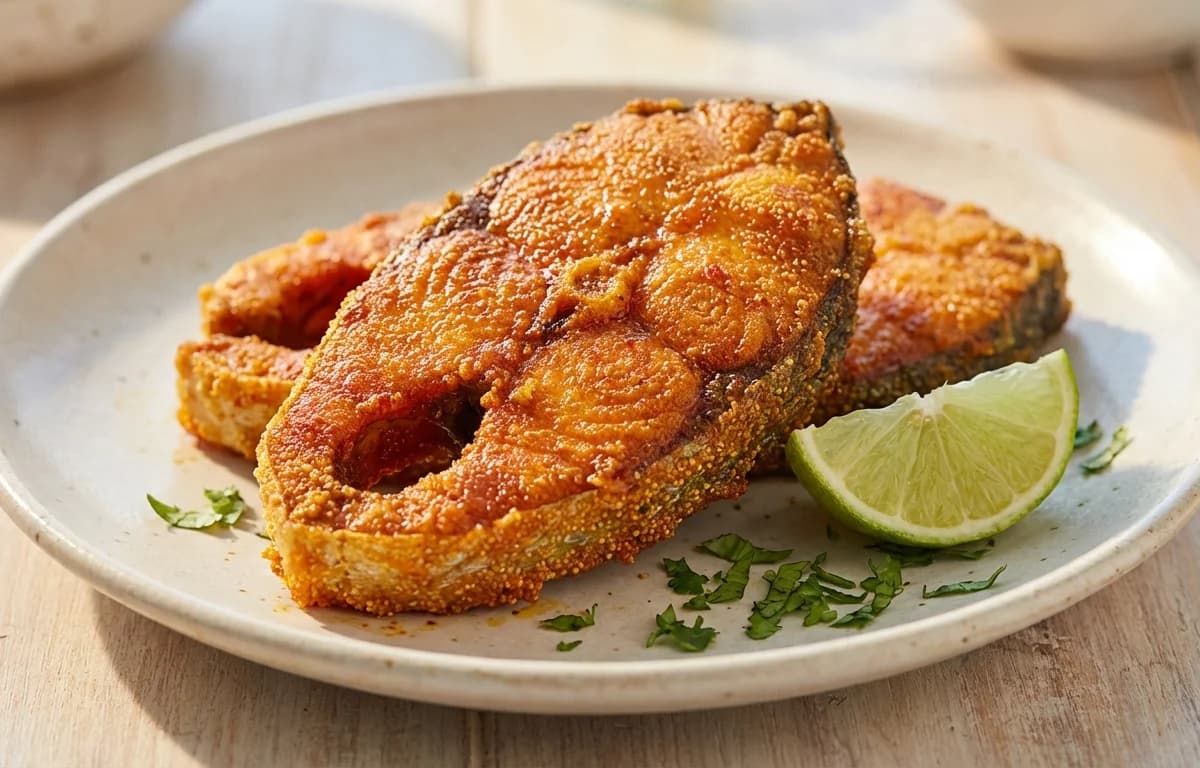
Crispy on the outside, tender and flaky on the inside. This Goan-style Surmai Rava Fry features kingfish steaks marinated in a tangy spice paste, coated in semolina, and shallow-fried to perfection. A coastal classic that's ready in under 30 minutes.
Prep15 min
Cook15 min
Servings4
Serving size: 1 serving
330cal
30gprotein
31gcarbs
10g
Ingredients
500 g Surmai (Cut into 4 thick steaks, about 1-inch thick)
1.5 tbsp Ginger Garlic Paste
1.5 tsp Kashmiri Red Chilli Powder (Provides vibrant color with moderate heat)
0.5 tsp Turmeric Powder
1 tsp Coriander Powder
0.5 tsp Cumin Powder
1 tbsp Tamarind Paste (Kokum agal is a traditional alternative)
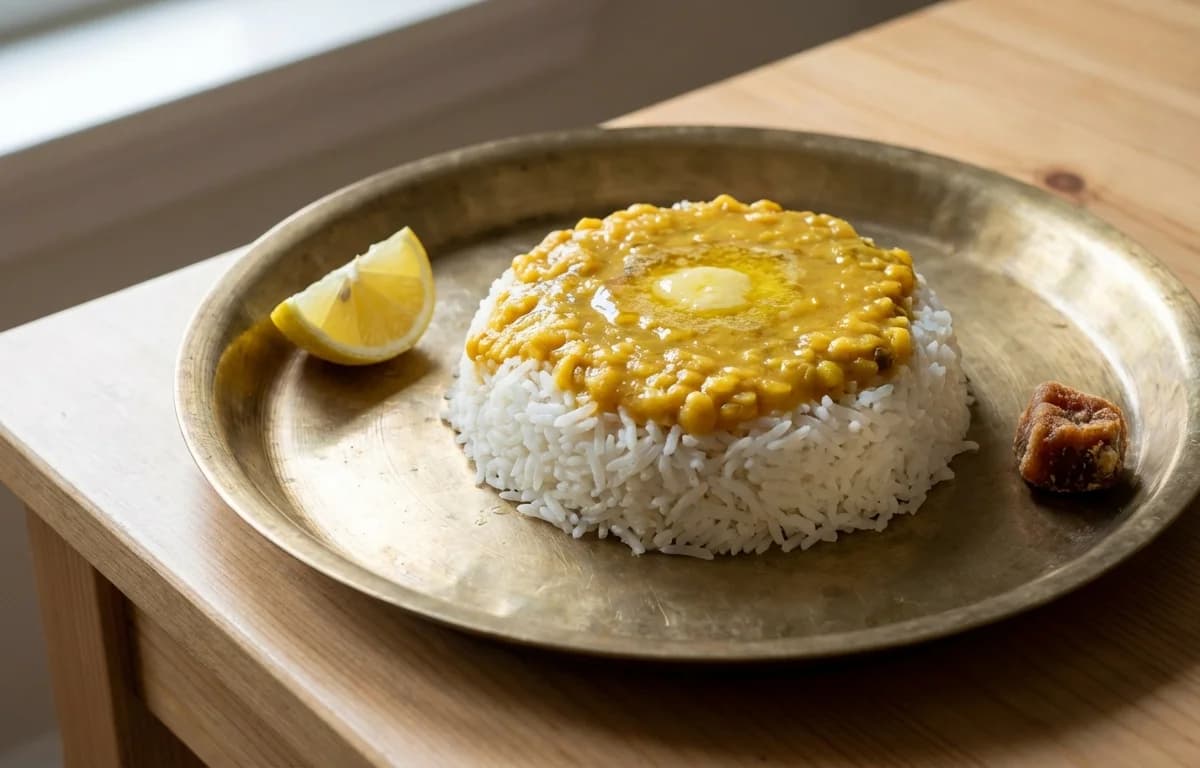
A comforting and wholesome Maharashtrian staple of simple, unspiced lentil soup (Varan) served with steamed rice (Bhaat). It's the ultimate soul food, often topped with ghee and a squeeze of lime.
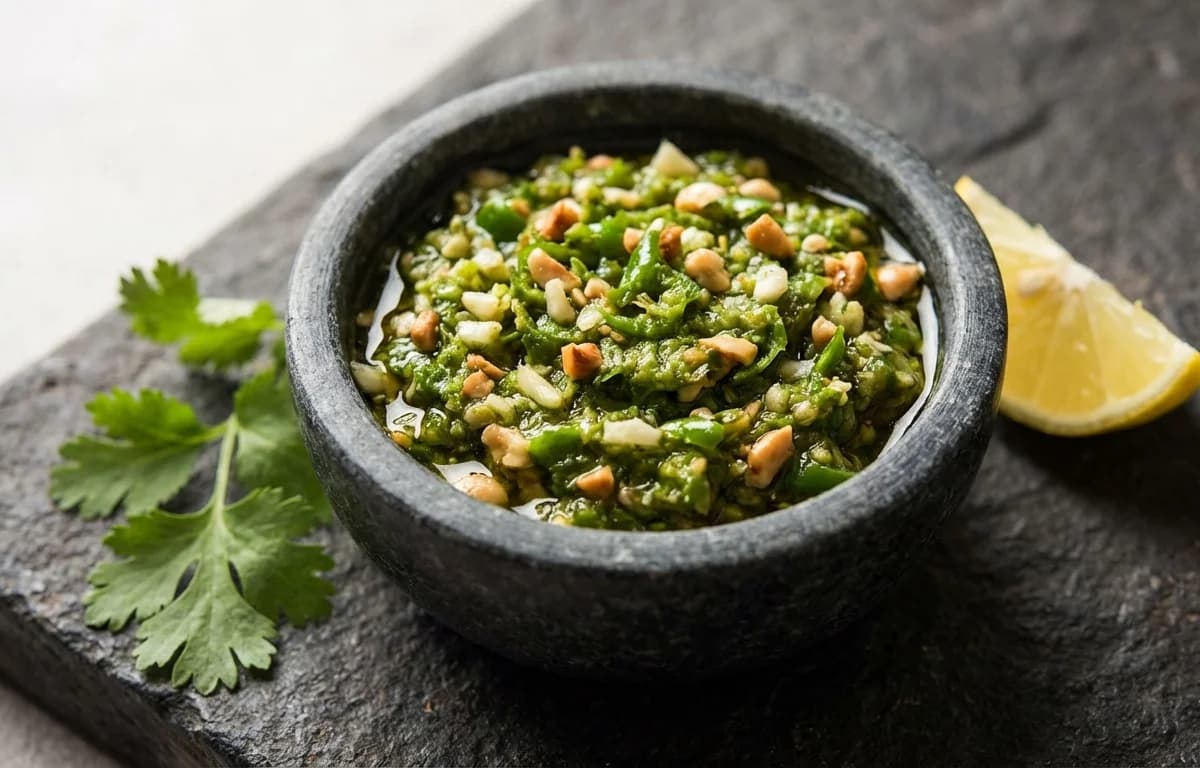
A fiery and rustic Maharashtrian condiment made by crushing green chilies, garlic, and peanuts. This spicy chutney adds a powerful kick to bhakri, roti, or simple dal rice, delivering a burst of flavor in every bite.
Prep5 min
Cook10 min
Servings4
Serving size: 1 serving
About Surmai Rava Fry, Varan Bhaat and Green Chili Thecha
Crispy, protein-packed Surmai Fry with comforting Varan Bhaat & tangy Thecha. A soul-satisfying combo!
This maharashtrian dish is perfect for lunch. With 650.7 calories and 44.57g of protein per serving, it's a nutritious choice for your meal plan.
Other Cuisines to Explore
Discover authentic meals from cuisines around the world.
2 tbsp Rice Flour (This is key for extra crispiness)
0.5 cup Vegetable Oil (For shallow frying)
Instructions
1
Prepare the Marinade and Fish
Rinse the surmai steaks under cold water and pat them completely dry with paper towels. This is crucial for a crispy finish.
In a non-metallic bowl, combine the ginger-garlic paste, Kashmiri red chilli powder, turmeric powder, coriander powder, cumin powder, tamarind paste, and salt. Mix well to form a thick, smooth paste.
Generously and evenly coat each fish steak with the spice paste, ensuring it gets into all the crevices. Set aside.
2
Marinate the Fish
Let the fish marinate at room temperature for at least 15-20 minutes. For deeper flavor, you can cover and refrigerate it for up to 1 hour.
3
Prepare the Coating and Coat the Fish
On a wide plate or tray, thoroughly mix the fine rava and rice flour.
Take one marinated fish steak at a time and press it firmly into the rava mixture. Flip and press again to ensure it's completely and evenly coated on all sides. Gently shake off any excess coating.
Place the coated steaks on a separate plate and let them rest for 2-3 minutes. This helps the coating adhere better during frying.
4
Shallow Fry the Fish
Pour oil into a wide, heavy-bottomed pan or skillet to a depth of about 1/4 inch. Heat over medium flame.
The oil is ready when a tiny pinch of the rava mixture sizzles immediately upon contact. Do not let the oil smoke.
Carefully place 2-3 coated fish steaks in the hot oil, ensuring not to overcrowd the pan. Frying in batches maintains the oil temperature.
Fry for 4-6 minutes on the first side, undisturbed, until the coating is a deep golden brown and crisp.
Using a spatula, gently flip the steaks and fry for another 4-5 minutes on the other side until cooked through. The fish is done when it flakes easily with a fork.
5
Drain and Serve
Once cooked, remove the fish from the pan and place it on a wire rack to drain any excess oil. This keeps the bottom from getting soggy.
Serve the Surmai Rava Fry immediately while it's hot and crispy, garnished with sliced onions and lemon wedges for squeezing over the top.
4
Serving size: 1 serving(Serving consists of about 1 cup of varan and 1 cup of bhaat (rice).)
218cal
11gprotein
34gcarbs
5gfat
Ingredients
1 cup Toor Dal (Also known as split pigeon peas)
1.5 cup Ambemohar Rice (A traditional fragrant short-grain rice. Basmati or Sona Masuri can be used as alternatives.)
6.5 cup Water (3 cups for dal, 3 cups for rice, and about 0.5 cup to adjust consistency later)
0.5 tsp Turmeric Powder
0.25 tsp Asafoetida (Also known as Hing)
1 tsp Salt (Adjust to taste)
0.5 tsp Jaggery (Optional, for a subtle sweetness to balance flavors)
4 tsp Ghee (For serving)
1 piece Lemon (Cut into wedges for serving)
Instructions
1
Prepare Dal and Rice
Rinse the toor dal under running water 3-4 times, until the water runs clear.
Soak the rinsed dal in 2 cups of water for at least 30 minutes. This step is crucial for a creamy texture and faster cooking.
While the dal is soaking, rinse the rice thoroughly and set it aside.
2
Pressure Cook Dal and Rice Together
Drain the soaked dal. Add it to a pressure cooker along with 3 cups of fresh water, turmeric powder, and asafoetida.
In a separate, smaller container that fits inside your cooker, combine the rinsed rice with 3 cups of water.
Place a trivet or stand inside the pressure cooker over the dal. Place the rice container on top of the trivet.
Secure the lid of the pressure cooker. Cook on medium-high heat for 4-5 whistles, which should take about 15-20 minutes.
Turn off the heat and allow the pressure to release naturally. Do not force open the lid.
100 g Green Chilies (Use a spicy variety like Lavangi or Kolhapuri for authentic heat)
12 cloves Garlic Cloves (Peeled)
0.25 cup Raw Peanuts
1 tsp Cumin Seeds
1 tbsp Vegetable Oil (Peanut oil can also be used for a more authentic flavor)
0.75 tsp Salt (Adjust to taste)
2 tbsp Coriander Leaves (Chopped, optional)
1 tsp Lemon Juice (Optional, to balance the heat)
Instructions
1
Roast Peanuts and Sauté Aromatics
Heat a heavy-bottomed pan or skillet over medium heat. Add the raw peanuts and dry roast for 3-4 minutes, stirring constantly, until they are fragrant and have light brown spots. Remove from the pan and set aside to cool.
In the same pan, add 1 tbsp of oil. Once the oil is hot, add the peeled garlic cloves and green chilies (stems removed).
Sauté for 4-5 minutes, stirring occasionally, until the chilies develop charred blisters and the garlic turns light golden. Be careful, as chilies can splutter.
Add the cumin seeds and sauté for another 30 seconds until they become fragrant. Turn off the heat.
2
Prepare for Crushing
Allow the chili-garlic mixture to cool for a few minutes until it's safe to handle.
Transfer the sautéed chilies, garlic, cumin seeds, roasted peanuts, and salt to a mortar and pestle (khalbhatta) for the most authentic texture.
Alternatively, you can use a small food processor or a chopper.
If using, add the chopped coriander leaves to the mixture.
3
Crush to a Coarse Texture
Using the pestle, pound the ingredients into a coarse, rustic mixture. Do not grind it into a fine paste; thecha should have a chunky texture.
If using a food processor, pulse 3-4 times for just a few seconds each time. Scrape down the sides between pulses.
Once crushed, stir in the lemon juice, if using. This helps to balance the intense heat.
4
Serve
Transfer the Green Chili Thecha to a serving bowl.
Serve as a fiery accompaniment with Jowar or Bajra Bhakri, roti, or as a side with dal and rice to add a powerful flavor kick.
Once the pressure has fully released, carefully open the cooker. Remove the container with the cooked rice and set it aside.
Using a whisk or a traditional wooden churner (ravi), mash the cooked dal directly in the cooker until it is completely smooth and creamy. For an extra smooth texture, you can use an immersion blender.
Place the cooker back on low heat. Add salt and the optional jaggery. Stir until well combined.
Check the consistency. If the varan is too thick, add 1/2 to 1 cup of hot water and stir until you reach a flowing, soupy consistency. Simmer for 2-3 minutes for the flavors to meld.
4
Serve Hot
Fluff the cooked rice (bhaat) gently with a fork.
To serve, place a generous portion of hot steamed rice in a bowl or on a plate.
Pour the hot varan over the rice.
Top with a teaspoon of ghee and serve immediately with a lemon wedge on the side for squeezing over the top.